
To protect your outdoor cushions and covers from moisture damage, choose airtight, waterproof storage containers and elevate them off the ground to prevent ground moisture from seeping in. Make sure cushions are completely dry and clean before storing, and consider adding moisture-absorbing products inside. Place storage in a sheltered area away from direct sunlight, and ensure proper ventilation to reduce mold risk. If you want to learn more tips, you’ll find helpful insights ahead.

Get business pricing on tools and workshop supplies
- Business-only prices and quantity discounts
- Tax-exempt purchasing
- Multiple users, one account, clear invoices
Key Takeaways
- Use airtight, waterproof storage containers with proper ventilation to prevent moisture buildup.
- Ensure cushions are thoroughly dry and clean before storing to avoid mold and mildew.
- Elevate storage off the ground on pallets or platforms to prevent ground moisture intrusion.
- Place storage in a sheltered, shaded area away from direct sunlight and temperature fluctuations.
- Regularly inspect and ventilate stored cushions to detect and mitigate moisture or pest issues early.
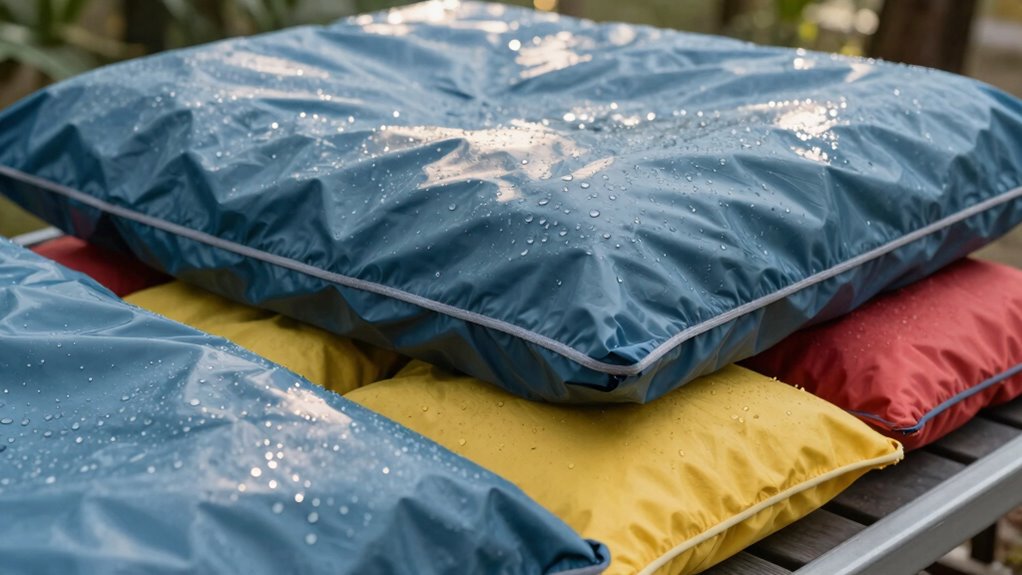
Are your outdoor cushions ready to withstand the elements? If not, it’s time to evaluate how you’re storing them when they’re not in use. Proper storage is essential to keep your cushions in good condition and extend their lifespan. When it comes to garden furniture, weatherproof storage becomes your best friend. A dedicated weatherproof storage box or bench can shield your cushions from rain, snow, and humidity, preventing moisture from seeping in and causing mold or mildew. Make sure your storage solution is airtight and has a tight-fitting lid to block out moisture and keep your cushions dry. If you prefer a more flexible option, waterproof storage bags are lightweight and easy to use, but double-check they are truly waterproof and have sealed seams.
Before storing your cushions, always clean off dirt, pollen, and food debris. Dirt and organic material can trap moisture and promote mold growth. Use a gentle brush or a damp cloth to wipe down the fabric, then allow the cushions to dry completely in the sun. This step is vital because even a small amount of residual moisture can cause significant damage during long-term storage. Once dry, consider applying a fabric protector spray to help repel future moisture and stains, giving your cushions an extra layer of defense. Additionally, choosing a storage solution with proper ventilation** can significantly reduce the risk of mold and mildew buildup. Proper ventilation helps to prevent trapped moisture, which is crucial for maintaining the cushions’ condition. Incorporating ventilation methods like vents or air circulation can further enhance this protection. Ensuring your storage space is moisture-resistant** is also a key factor in safeguarding your cushions from dampness and rot.
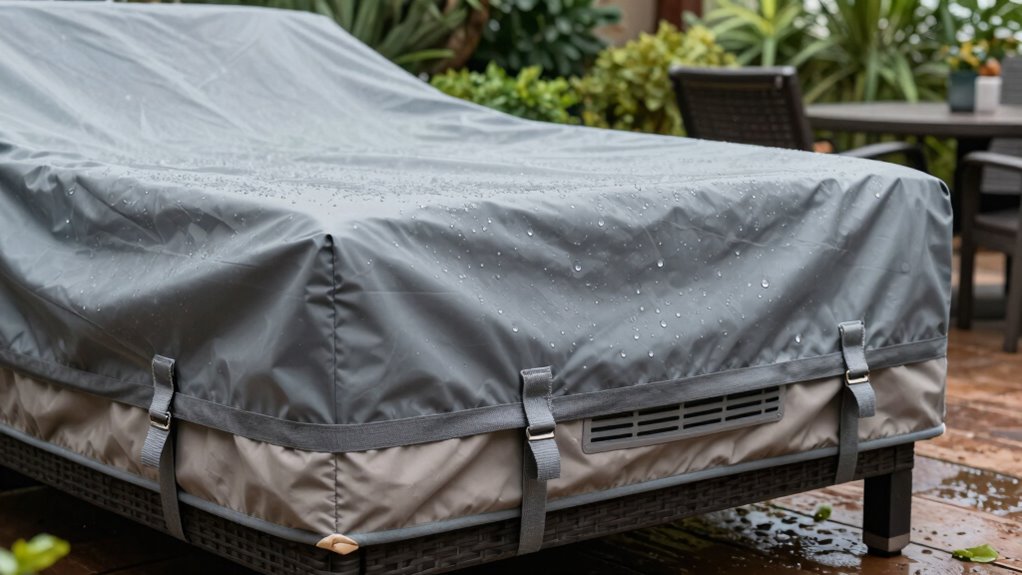
You should also think about the location where you store your cushions. If you’re using weatherproof storage, pick a spot that’s sheltered from direct sunlight and extreme temperature fluctuations, as these can degrade the fabric over time. Keep the storage container off the ground by placing it on a pallet or a sturdy platform. This prevents ground moisture from seeping in and promotes better airflow around the stored cushions. Ventilation is key—if your storage box lacks vents, open it periodically during dry weather to allow any trapped moisture to escape and prevent mustiness. Additionally, consider investing in a cover specifically designed for garden furniture when storing cushions outdoors. A fitted cover offers extra protection against rain and dust, especially if your weatherproof storage isn’t fully sealed. Regularly check your stored cushions and covers for signs of moisture or pests. If you notice any dampness, remove the cushions immediately, dry them thoroughly, and reassess your storage setup. Properly protecting your outdoor cushions from moisture damage not only preserves their appearance but also saves you money in the long run by reducing the need for replacements. Incorporating weather-resistant materials and practices can further enhance your storage effectiveness. To maximize airflow and moisture control, consider adding ventilation systems or moisture-absorbing products inside your storage area. With the right storage practices, your garden furniture can stay inviting and comfortable year after year.
Frequently Asked Questions
Can I Use Plastic Bags to Store Outdoor Cushions Long-Term?
Using plastic bags for long-term outdoor cushion storage isn’t ideal. Plastic bags lack durability against UV rays and tearing, which can cause them to break down over time. Plus, they may not be compatible with all cushion materials, potentially trapping moisture and promoting mold growth. Instead, opt for breathable storage containers or covers designed for outdoor use. These options better protect your cushions from moisture while ensuring compatibility with various materials.
How Often Should I Reapply Water-Resistant Coatings on Cushions?
You should reapply water-resistant coatings on cushions every one to two years, depending on usage and exposure. Regularly inspecting sealing techniques helps maintain coating durability, ensuring your cushions stay protected from moisture. If you notice signs of wear or water soaking through, it’s time to reapply the coating. Proper maintenance extends the lifespan of your cushions and preserves their water-resistant qualities, keeping them fresh and protected for seasons ahead.
Are There Eco-Friendly Options for Waterproofing Outdoor Cushions?
Are eco-friendly options available for waterproofing outdoor cushions? Absolutely! You can choose sustainable cushion treatments that prioritize eco-friendly waterproofing, using natural oils, beeswax, or plant-based sealants. These options protect your cushions from moisture while reducing environmental impact. Eco-friendly waterproofing not only keeps your outdoor furniture in top shape but also supports sustainability. Isn’t it satisfying to care for your outdoor space and the planet at the same time?
What Is the Best Way to Dry Cushions After Rain?
You should start by bringing your cushions indoors to dry, especially if the weather remains wet or humid. If possible, place them in a well-ventilated area with good sun exposure, which helps accelerate the drying process. Avoid leaving them outside in the rain, as prolonged moisture can cause mold or mildew. Indoor drying with sun exposure guarantees your cushions dry thoroughly and stay fresh for your next use.
Do Storage Containers Need Ventilation to Prevent Moisture Buildup?
Yes, storage containers need ventilation; otherwise, they become like silent, stagnant ponds where moisture lurks. Good air circulation acts like a burst of fresh air, preventing dampness and mold from taking hold. Without ventilation, moisture buildup can turn your cushions into soggy sponges. Make certain your containers have vents or air holes to promote airflow, making moisture prevention easier and keeping your outdoor cushions dry, crisp, and ready for use.
Conclusion
By taking these simple steps to shield your outdoor cushions from moisture, you’re not just preserving their appearance—you’re safeguarding memories of sunlit afternoons and cozy evenings. Think of your cushions as silent witnesses to countless gatherings; with proper protection, they’ll continue to stand resilient against the elements, whispering stories of seasons past. So, don’t let moisture steal their charm—arm yourself with these tips and let your outdoor oasis flourish through every storm and shine.
Columbus Day / Indigenous Peoples' Day Picks
long weekend sales
As an affiliate, we earn on qualifying purchases.