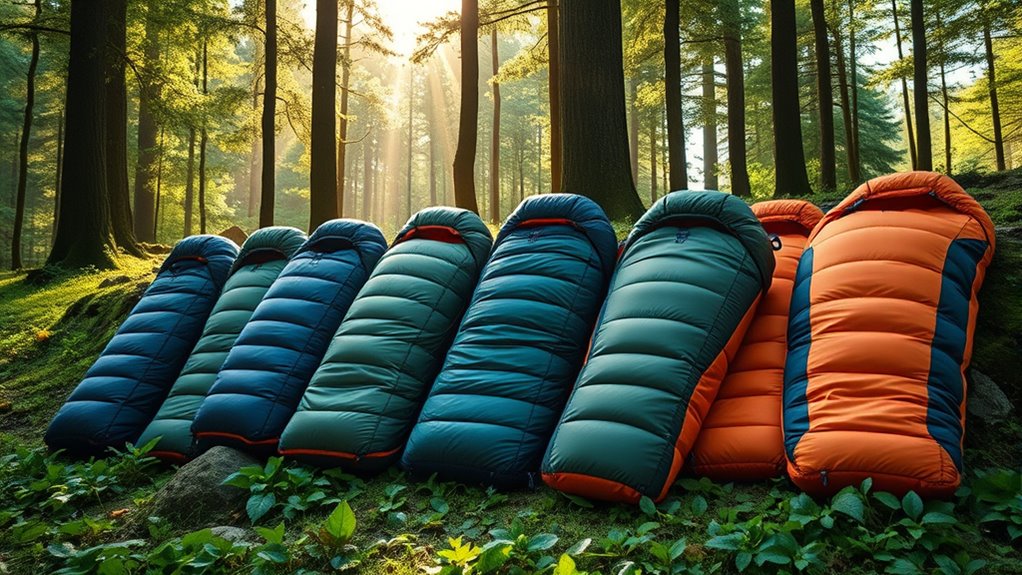

For those seeking the best in backpacking comfort and performance, premium sleeping bags offer a blend of advanced insulation, lightweight materials, and durability. The Ecoopro Warm Weather Sleeping Bag stands out for its waterproof, portable design, ideal for versatile conditions. The Naturehike 0 Degree Ultralight Down Sleeping Bag excels in cold-weather performance with high-fill-power down and ultra-lightweight construction. In this category, buyers often grapple with balancing warmth, weight, and packability—spending more for premium features that elevate comfort and reliability in demanding environments. Continue reading for a detailed breakdown of the top contenders and what makes each unique.

Get business pricing on tools and workshop supplies
- Business-only prices and quantity discounts
- Tax-exempt purchasing
- Multiple users, one account, clear invoices
Complete the kit

Key Takeaways
- The highest-rated options combine high-quality down insulation with ultralight, packable designs.
- Synthetic-filled bags like the Kelty Cosmic Synthetic provide reliable warmth with easier care but are generally heavier.
- Cold weather performance hinges on fill power and fabric insulation, with 0°F-rated bags offering serious warmth for winter conditions.
- Price often correlates with weight savings and insulation quality, but premium models can still differ significantly in features.
- Choosing the right bag depends on climate, weight preferences, and durability needs, making balance key in premium picks.


| premium backpacking sleeping bag | Material | Weight |
|---|---|---|
| ECOOPRO Warm Weather Sleeping | — | — |
| TETON Sports ALTOS 20 and 0 De | Nylon | — |
| Naturehike 0 Degree Ultralight | Down with RDS certification | 2.37 lbs (medium), 2.9 lbs (large) |
| Down Sleeping Bag with Pillow | 400T 40D nylon | 2.16 lbs (full set with pillow) |
| Naturehike Lightweight Compact | — | 1.68 lbs |
| Naturehike 0 Degree RDS Down M | Nylon | varies by model |
| Teton LEEF Lightweight Mummy S | Polyester | Lightweight |
| Teton Celsius Regular 25F | Poly-flannel lining | — |
| MalloMe Sleeping Bags for Adul | Polyester | Around 3 lbs |
| 0 Degree Winter Sleeping Bags | 100% polyester fiber | 5 lbs |
| Kelty Cosmic Synthetic Fill 20 | 380T nylon taffeta | 2 lbs 13 oz |
| Kelty Cosmic 20 Down Mummy Sle | — | 2 lbs 6 oz |
| Teton 20F and 5F Degree Sleepi | Ripstop Polyester | — |
| 0 Degree Down Sleeping Bag for | 400T ripstop nylon | 1.9 lbs |
More Details on Our Top Picks
ECOOPRO Warm Weather Sleeping Bag – Portable, Waterproof, Lightweight for Camping, Backpacking & Hiking, Fits Adults
This sleeping bag stands out for its excellent portability and weatherproof design, making it an ideal option for backpackers needing reliable protection in mild conditions. Unlike the more insulated Naturehike 0 Degree Ultralight Down Sleeping Bag, it sacrifices cold-weather performance for lightweight convenience, limiting its use in colder environments. Its waterproof nylon exterior ensures dryness in unexpected rain, but this also means it’s less breathable, which could cause discomfort in humid conditions. The compact size and weight make it perfect for those prioritizing minimal pack weight, yet the temperature rating of 55-60℉ restricts its use to warm seasons. Zipper quality is decent but may require cautious handling to prevent snags. Overall, this bag is best suited for summer backpackers or those camping in mild climates who value packability over extreme cold insulation.
Pros:- Lightweight and easy to carry, ideal for backpacking
- Waterproof and weatherproof design for unpredictable outdoor conditions
- Highly compressible, saving valuable pack space
Cons:- Limited to warm weather use, not suitable for cold nights
- Zipper may require careful handling to avoid snagging
Best for: Backpackers and hikers seeking a lightweight, waterproof sleeping bag for warm weather conditions
Not ideal for: Cold-weather campers or winter backpackers who need insulation below 55℉, as this bag cannot handle low temperatures comfortably
- Occupancy:1 Person
- Seasons:All Seasons
- Sport Type:Hiking
- Additional Features:Compressible, Lightweight
- Closure Type:Zipper
- Maximum Height Recommendation:6.92 feet
- Materials:Nylon, Polyester
Our verdict“This bag makes the most sense for warm season backpackers prioritizing portability and weather resistance.”
TETON Sports ALTOS 20 and 0 Degree Sleeping Bag for Adults
The TETON Sports ALTOS sleeping bag provides a generous, comfortable fit with a focus on versatility, making it suitable for a variety of outdoor settings. Compared to the Naturehike 0 Degree Ultralight Down Sleeping Bag, it is less focused on ultra-lightweight design but offers more room and a slightly higher temperature range for comfort. Its water-resistant nylon fabric offers durability and protection against moisture, yet it lacks the ultra-lightweight appeal of the Naturehike model, which is more compact. The built-in footbox and roomy cut make it better for side sleepers or those who prefer extra space, but it adds some weight, making it less ideal for ultralight backpacking. It’s best for campers who want reliable warmth and comfort without sacrificing ease of use, though it requires more care in washing to maintain its water resistance.
Pros:- Provides ample room for comfort and movement
- Water-resistant fabric enhances durability in damp conditions
- Suitable for a range of temperatures, especially in mild cold
Cons:- Heavier and bulkier than ultralight options like the Naturehike
- Requires hand washing to preserve fabric integrity
Best for: Campers and backpackers who want a roomy, versatile sleeping bag for mild cold conditions and comfort-focused trips
Not ideal for: Ultralight hikers or those needing a compact pack, as its increased size and weight reduce portability
- Material:Nylon
- Made in:USA or Imported
- Features:Breathable, water-resistant, compression sack included
Our verdict“This bag is ideal for campers seeking comfort and versatility in moderate cold without the weight of ultralight models.”
Naturehike 0 Degree Ultralight Down Sleeping Bag for Adults, 650 Fill Power, Cold Weather Camping Gear
This ultralight down sleeping bag excels in providing warmth in cold conditions, thanks to its 650 fill power RDS-certified down, making it comparable to the Down Sleeping Bag with Pillow for winter camping. Its semi-rectangular shape optimizes warmth without adding unnecessary weight, and the water-resistant ripstop nylon shell offers protection against dampness. However, compared to the Down Sleeping Bag with Pillow, it is less feature-rich, lacking internal pockets or a removable pillow, which might matter for longer trips. Its lightweight design makes it suitable for three-season use, but it isn’t intended for extreme winter or very low-temperature environments. Zippers are durable but may snag if not handled carefully. Overall, this bag balances warmth and weight for cold-weather backpackers willing to trade some features for minimal pack weight.
Pros:- High-quality, traceable down for reliable warmth
- Lightweight and highly packable for backpacking
- Water-resistant shell enhances durability in damp conditions
Cons:- Limited to three seasons, not suitable for extreme cold
- Zippers may snag if not handled carefully
Best for: Cold-weather backpackers and campers needing a lightweight, high-performance sleeping bag for winter or shoulder seasons
Not ideal for: Summer campers or those in warm climates, as its insulation might be excessive and bulky for hot nights
- Occupancy:1 Person
- Seasons:3 Seasons
- Material:Down with RDS certification
- Fill Material:Down with RDS certification
- Shell Material:Nylon
- Shape:Semi-Rectangular
- Weight:2.37 lbs (medium), 2.9 lbs (large)
Our verdict“This pick is perfect for cold-weather adventurers who prioritize weight savings without sacrificing warmth.”
Down Sleeping Bag with Pillow for Adults and Teens
This down sleeping bag combines high-quality insulation with thoughtful features, making it a strong contender for multi-season use. Its 680FP RDS-certified white duck down offers excellent warmth for its weight, surpassing many competitors like the Naturehike 0 Degree Ultralight Down in comfort and internal features. The inclusion of internal pockets and a removable pillow adds convenience, yet the bag’s warmth range (32°F to 45°F) limits its suitability for extreme cold or winter camping. Its ultralight, compact design makes it perfect for backpackers who need versatility without excess bulk, but it requires careful handling and maintenance to preserve its water-repellent qualities. It is less ideal for harsh winter conditions, but excels in shoulder seasons and mild cold environments where comfort and packability matter most.
Pros:- High-quality, traceable down for excellent warmth-to-weight ratio
- Includes thoughtful features like internal pockets and removable pillow
- Compact and lightweight, easy to carry in a backpack
Cons:- Limited warmth range, not suitable for very cold conditions
- Requires careful handling to maintain water resistance
Best for: Backpackers and outdoor enthusiasts seeking a lightweight, feature-rich sleeping bag for shoulder season and mild cold trips
Not ideal for: Extreme winter campers or those needing sub-zero insulation, as it lacks the thermal capacity for very cold conditions
- Material:400T 40D nylon
- Weight:2.16 lbs (full set with pillow)
- Fill:RDS certified white duck down, 680FP
- Temperature Range:32°F to 45°F (0.88 lbs down), 5°F to 23°F (1.76 lbs down)
- Packed size:11.8 x 6.29 inches
- Features:Water-repellent, tear-resistant, internal pocket, double zipper, removable pillow
Our verdict“This bag is best for travelers prioritizing comfort, features, and packability in mild to moderate cold environments.”
Naturehike Lightweight Compact Sleeping Bag, 59℉/32℉ Envelope Ultralight Backpacking Sleeping Bag, Waterproof, Portable with Compression Sack for Camping, Traveling, Hiking
This sleeping bag shines in portability and comfort, with a weight of just 1.68 lbs and a spacious fit suitable for both adults and children. Unlike the more insulated Naturehike 0 Degree Ultralight Down, it is designed for a broader temperature range, making it versatile for various seasons. Its nylon shell and imitation silk cotton filling provide durability and a plush feel, but it’s not designed for extreme cold, similar to the Down Sleeping Bag with Pillow. Its compact packing size and reinforced seams make it ideal for travelers and hikers who prioritize minimal weight and ease of packing, though it requires hand washing, which might be inconvenient for frequent users. Overall, this model offers a balance of comfort, weight, and versatility for general outdoor adventures.
Pros:- Ultra-lightweight and compact for travel and backpacking
- Roomy fit accommodates both adults and children comfortably
- Durable with reinforced seams and tested zippers
Cons:- Limited to moderate temperatures, not for harsh winter cold
- Hand wash only, which may be less convenient
Best for: Travelers and backpackers needing a lightweight, roomy sleeping bag for mild to moderate conditions and frequent packing
Not ideal for: Cold weather winter camping or extreme cold environments, as its insulation may be insufficient for very low temperatures
- Fabric type:Nylon
- Weight:1.68 lbs
- Compressed volume:ф13×31 cm / 5×12 inches
- Size:80.7″L x 33.5″W
- Filling:80 grams per square meter imitation silk cotton
Our verdict“This sleeping bag offers a compelling mix of portability and comfort for versatile outdoor use in mild to moderate conditions.”
Naturehike 0 Degree RDS Down Mummy Sleeping Bag for Adults, 650 Fill Power, Cold Weather Backpacking Sleeping Bag for Camping, Hiking, -1℉ to 30℉, YKK Zipper
This sleeping bag stands out for its high-quality 650 fill power RDS-certified down, which delivers excellent warmth in freezing conditions, making it a top choice for serious cold-weather backpackers. Unlike the lightweight Teton LEEF, it prioritizes insulation over weight, providing superior heat retention with windproof features and a U-neck collar that traps heat effectively. However, its bulkier design may limit packability compared to ultralight options. The multiple size and temperature options make it versatile for different users and conditions. The need for pre-fluffing and occasional bulk can be tradeoffs for the premium insulation and durability offered.
Pros:- High-quality RDS-certified down for exceptional warmth
- Windproof design and U-neck collar improve heat retention
- Multiple sizes and temperature ratings for versatility
Cons:- No U-neck collar or windshield strip on the SP400 model, reducing heat trapping features
- Requires pre-fluffing before use for maximum insulation
- Can be bulky, limiting packability for ultralight travelers
Best for: Advanced cold-weather hikers and backpackers who need reliable warmth in sub-freezing environments
Not ideal for: Lightweight backpackers or those prioritizing pack size, as this bag can be bulky and heavier
- Fill Power:650
- Fill Weight:400/550/1000 grams
- Temperature Range:-1℉ to 30℉
- Size Options:74.8 x 29.5in, 80.7 x 31.5in
- Material:Nylon
- Zipper:YKK two-way
- Certification:RDS
- Weight:varies by model
Our verdict“This bag is ideal for cold-weather enthusiasts who prioritize warmth and durability over pack size.”
Teton LEEF Lightweight Mummy Sleeping Bag for Camping, Hiking, Backpacking
This ultralight model shines for its portability and streamlined design, making it an excellent choice for minimalist backpackers. Compared with the bulkier Naturehike, it offers a significantly reduced weight and pack size, ideal for those who prioritize reducing carried weight. Its multiple temperature ratings (0°, 20°, 30°) provide flexibility across seasons, but the lack of specific weight data makes it harder to gauge its true portability. The roomy mummy shape balances comfort and ease of movement, though it sacrifices some insulation efficiency compared to bulkier, more insulated options. This pick favors those seeking a lightweight, space-saving solution for moderate conditions but isn’t suited for extreme cold or heavy winter use.
Pros:- Extremely lightweight and compact for backpacking
- Available in multiple temperature ratings for seasonal flexibility
- Roomier mummy design enhances comfort and movement
Cons:- Limited to adult use only, restricting family or kids’ camping
- No specific weight listed, making portability assessment harder
- Temperature ratings may not suffice for sub-freezing conditions
Best for: Lightweight backpackers and hikers who need a compact sleeping bag for moderate temperatures
Not ideal for: Cold-weather adventurers or those needing maximum insulation in freezing conditions
- Material:Polyester
- Included:Compression Sack
- Design:Mummy
- Weight:Lightweight
Our verdict“This bag is best suited for minimalist hikers seeking a lightweight, moderate-temperature sleeping solution.”
Teton Celsius Regular 25F, 20F, 0F Degree Sleeping Bags for All Weather Camping
This versatile sleeping bag offers comfort across a broad range of conditions, thanks to its double-layer construction and innovative fiber fill. Compared with the more specialized Naturehike down bag, it emphasizes durability and adaptability, making it suitable for a range of outdoor temperatures and environments. The soft poly-flannel lining boosts comfort, but it may add bulk, making packing less compact. Its suitability for all ages, including kids, broadens its appeal, though it may require additional insulation in very cold conditions. This bag strikes a balance for outdoor enthusiasts who want a reliable all-weather option that can serve multiple users.
Pros:- Warm and comfortable with soft poly-flannel lining
- Suitable for all weather conditions and ages
- Easy to pack with durable stuff sack and compression straps
Cons:- May need extra insulation for extreme cold
- Bulkier when not compressed, affecting pack size
- Proper fluffing and padding required for maximum warmth
Best for: Family campers or outdoor adventurers seeking a durable, all-season sleeping bag
Not ideal for: Ultralight backpackers or those needing maximum warmth in extreme cold
- Material:Poly-flannel lining
- Construction:Double-layer with draft tubes
- Included:Travel sack
Our verdict“This bag is perfect for versatile outdoor use, especially if you need a durable, all-weather option for the whole family.”
MalloMe Sleeping Bags for Adults and Kids – Lightweight, Waterproof, All-Season Camping Sleep System
The MalloMe sleeping bag excels for its waterproof outer shell and synthetic insulation, making it an excellent choice for wet or variable conditions. Compared with the down-filled Naturehike, it offers peace of mind against moisture, though it may not match the warmth-to-weight ratio of premium down bags. Its lightweight design and inclusion of a compression sack make it appealing for family or all-season camping, with the added benefit of easy cleaning. However, it’s limited in extreme cold, and some users report zipper or fit issues that can affect comfort. This pick makes the most sense for casual campers and families who prioritize water resistance and ease of maintenance over extreme cold performance.
Pros:- Waterproof outer shell for wet conditions
- Suitable for all seasons and both adults and children
- Lightweight and portable with compression sack
Cons:- Limited warmth for extreme cold weather
- Some reports of zipper or fit issues affecting comfort
- Color options are limited
Best for: Families or casual outdoor enthusiasts needing a waterproof, all-season sleeping bag
Not ideal for: Cold-weather backpackers or those needing maximum insulation for winter conditions
- Material:Polyester
- Weight:Around 3 lbs
- Design:Double-layer waterproof shell
- Insulation:3D inner synthetic fiber fill
- Includes:Compression sack with straps
Our verdict“This bag is ideal for casual, family-oriented camping where water resistance and easy cleaning are priorities.”
0 Degree Winter Sleeping Bags for Adults, Cold Weather Camping
This sleeping bag is built for frigid conditions, providing warmth down to 5°F. Compared to the down-filled Naturehike, it emphasizes a spacious, lightweight design with high-quality polyester fiber insulation and waterproof features. Its generous dimensions accommodate taller users comfortably, but its approximate temperature rating may vary by individual, and the compression sack requires careful handling to avoid damage. While not as compact as ultralight models, this bag balances warmth and portability well for winter camping. It’s less suitable for those who need ultra-light gear but perfect for cold-weather adventures where warmth is critical.
Pros:- Warm and cozy down to 5°F, suitable for winter camping
- Spacious for tall users up to 6’10”
- Durable, waterproof, and easy to clean
Cons:- Handling the compression sack requires care to avoid damage
- Temperature ratings are approximate and may vary
- Not as compact as ultralight options
Best for: Cold-weather campers and tall individuals needing reliable warmth at low temperatures
Not ideal for: Lightweight backpackers or those aiming for minimal pack size in mild conditions
- Material:100% polyester fiber
- Weight:5 lbs
- Packed Size:15.6 in x 7.6 in
- Dimensions:74.8 in + 11.8 in x 30.7 in
- Temperature Range:5°F to 32°F
- Shell Material:210T ripstop polyester
Our verdict“This bag offers dependable warmth and space for cold-weather camping, especially for taller users or those in winter conditions.”
Kelty Cosmic Synthetic Fill 20 Degree Backpacking Sleeping Bag
The Kelty Cosmic Synthetic stands out for its reliable performance in damp and cold conditions due to its synthetic Cirroloft insulation, which maintains warmth even when wet — a key advantage over down options like the Kelty Cosmic 20 Down. Its spacious footbox and adjustable length enhance comfort for diverse body types, but the extra weight compared to ultralight bags makes it less ideal for long-distance hikes. The integrated compression sack and stash pocket increase convenience, yet the weight (nearly 3 pounds) could be a drawback for minimalist backpackers. This bag is well-suited for those who prioritize dependable warmth and durability in variable weather, especially in damp environments. It’s less ideal for ultralight hikers or those chasing the lightest gear.
Pros: Reliable synthetic insulation in damp conditions; Spacious footbox for comfort; Lightweight and compact considering features; Adjustable length for different users.
Cons: Heavier than ultralight options, impacting pack weight; Not suited for extreme cold below 0°F.
Verdict: This is a top choice for backpackers needing dependable warmth in wet, variable conditions without sacrificing comfort.- Weight:2 lbs 13 oz
- Fill Weight:30.5 oz
- Pack Size:16×9 inches
- Material:380T nylon taffeta
- Insulation:Cirroloft synthetic insulation
- Size:Regular (fits up to 6ft)
Our verdict“Best Overall for Versatile Cold-Weather Backpacking — a strong pick in this lineup.”
Kelty Cosmic 20 Down Mummy Sleeping Bag for Backpacking, Campers, 550 Fill Power, Recycled Fabrics with PFAS-Free DWR
The Kelty Cosmic 20 Down offers a compelling combination of warmth, lightness, and eco-conscious materials, making it ideal for backpackers seeking a high-performance sleeping bag without excess weight. Its 550-fill down provides excellent warmth-to-weight ratio, surpassing synthetic options like the Kelty Cosmic Synthetic for weight savings. The use of recycled fabrics and PFAS-Free DWR enhances its appeal for environmentally minded users, though the higher price reflects its premium materials. Compared to the Teton 20F, this bag is more suited for those prioritizing sustainability and minimal pack weight, but it isn’t designed for extreme cold below 20°F. The availability of size options is limited, and the down insulation requires careful handling to avoid moisture damage.
Pros: Lightweight and highly compressible; Ethically sourced down and recycled fabrics; Excellent warmth-to-weight ratio; Designed for three-season use.
Cons: Less suitable for temperatures below 20°F; Slightly heavier than ultralight down bags; Limited size options.
Verdict: This bag makes sense for eco-conscious backpackers wanting warmth, lightness, and sustainability for spring and fall trips.- Fill Power:550
- Extreme Temperature:-11°F
- Weight:2 lbs 6 oz
- Stuffed Size:13 x 7 inches
- Fabrics:Recycled nylon and polyester taffeta
- Size Options:Short (up to 5’6″), Regular (6′), Long (6’6″)
Our verdict“Best Value for Sustainable Comfort in Three Seasons — a strong pick in this lineup.”
Teton 20F and 5F Degree Sleeping Bag – Lightweight, Warm Weather Mummy Sleeping Bags for Adults and Kids
The Teton 20F and 5F offers a flexible, lightweight option for those who want reliable warmth across a range of outdoor activities, from summer camping to early spring or late fall trips. Its synthetic fill and vaulted footbox help maintain warmth and comfort, akin to the Teton Celsius bags but with a focus on ease of packing and breathability. Compared to the Kelty Cosmic Synthetic, this bag is more compact and lighter, making it better suited for quick hikes and backpacking. However, the limited temperature rating of 20°F means it’s not ideal for winter conditions or extreme cold. Its materials may wear with frequent use, especially in rugged environments.
Pros: Lightweight and highly packable; Good warmth for summer and mild shoulder seasons; Breathable liner and vaulted footbox improve comfort; Easy to compress and carry.
Cons: Not suitable for very cold conditions below 20°F; Materials may wear over time; Single occupancy only, not for sharing.
Verdict: This bag is perfect for backpackers seeking a balance of warmth, packability, and versatility in mild weather.- Occupancy:1 Person
- Seasons:All Seasons
- Material:Ripstop Polyester
- Fill Material:Synthetic
- Closure Type:Zipper
- Maximum Height Recommendation:7 feet
0 Degree Down Sleeping Bag for Adults, Cold Weather Backpacking
The 0 Degree Down Sleeping Bag is tailored for cold-weather backpacking with its 600 fill power duck down, offering superior warmth relative to synthetic bags like the Kelty Cosmic Synthetic. Its lighter weight (under 2 pounds) and compressibility make it an excellent choice for winter trips, although it requires a full lofting period after unpacking, which can delay setup. While it excels in temperatures above 36°F, it’s not designed for extreme cold below freezing without additional insulation. The durable ripstop nylon shell provides resistance to tears and moisture, but careful handling is necessary to prevent moisture ingress, especially in heavy rain. Its ability to zip together for two-person use adds versatility for couples or friends.
Pros: Very lightweight and highly packable; Excellent warmth-to-weight ratio; Durable ripstop nylon shell; Can be zipped for dual use.
Cons: Requires several hours to fully loft; Not ideal for temperatures below 36°F; Needs careful moisture protection.
Verdict: This bag is suited for backpackers who prioritize weight savings and warmth in winter or shoulder-season trips, but it demands attention to lofting and moisture.- Fill Power:600
- Weight:1.9 lbs
- Packed Size:10.63 x 6.69 inches
- Material:400T ripstop nylon
- Fill Weight:1.1 lbs
Our verdict“Best for Cold Weather, 3-Season Backpacking — a strong pick in this lineup.”

How We Picked
Our evaluation focused on critical factors such as insulation quality, weight, durability, and packability—key for serious backpackers. We prioritized bags with high fill power down or advanced synthetic insulation that deliver warmth without excessive weight. Build quality, including water resistance and zipper durability, was also vital, as these determine how well the bag withstands tough conditions and frequent use. Lastly, we compared versatility and value, selecting options that balance premium features with usability for multiple seasons. This approach ensures the top picks meet the demands of dedicated backpackers seeking reliability and performance in 2026.Factors to Consider When Choosing Premium Backpacking Sleeping Bags
Choosing the right premium backpacking sleeping bag involves understanding several key factors that influence comfort, weight, and longevity. Beyond just fill power or price, it’s essential to consider how the bag’s features match your specific outdoor needs and conditions. Making informed decisions can prevent costly mistakes like overpaying for unnecessary features or selecting a bag that doesn’t perform well in your typical climate. The following factors will help clarify what matters most in premium options and how to identify the best fit for your adventures.Insulation Type and Fill Power
The core of any premium sleeping bag is its insulation, typically high-quality down or advanced synthetic fibers. Down offers superior warmth-to-weight ratio and compressibility, especially with higher fill powers like 650 or 850, which provide more loft and insulation per ounce. Synthetic insulation, while heavier and less compressible, offers better moisture resistance and ease of maintenance, making it suitable for wet environments. Selecting the right insulation depends on your climate and how much weight you’re willing to carry, with higher fill powers generally delivering better warmth with less bulk.
Weight and Packability
For backpackers, every ounce counts. Premium sleeping bags should strike a balance between warmth and weight, with ultralight designs often favored for multi-day trips. Packability is equally important—bags that compress small save space in your backpack and reduce strain on long hikes. Look for models with high-quality down, which offers impressive loft in a smaller volume, or synthetic options with effective compressibility. Be mindful that lighter bags may sometimes sacrifice durability or warmth, so prioritize your trip’s climate and duration when evaluating weight versus insulation tradeoffs.
Temperature Ratings and Comfort
Understanding temperature ratings is vital. A bag rated for 0°F is designed for winter conditions, while 20°F suits late fall or spring. Premium models often include detailed temperature comfort zones, accounting for factors like insulation, fabric, and user physiology. Remember, ratings are benchmarks—not guarantees—so consider your personal comfort preferences and expected conditions. Investing in a slightly warmer bag can provide peace of mind in unpredictable weather, but choosing one too warm might lead to overheating during active sleep or in milder conditions.
Durability and Water Resistance
Premium bags are built to endure rugged outdoor use, with durable fabrics, reinforced stitching, and water-resistant treatments. Down insulation, while excellent for warmth, can lose loft if exposed to moisture, so look for bags with water-repellent coatings or water-resistant shells. Synthetic bags often excel in wet conditions, maintaining insulation even when damp. Durability also involves zippers and seams—these should be robust and easy to operate without snagging. Investing in a resilient bag can extend its lifespan and reduce replacement costs, especially for frequent or tough use.
Price and Value
While premium sleeping bags come at a higher cost, they often deliver better performance, lighter weight, and longer lifespan. The key is to weigh features like insulation quality, weight savings, and durability against your specific needs and budget. Sometimes, paying more upfront results in a more reliable, versatile bag that can handle multiple seasons and conditions. However, it’s wise to avoid over-investing in features that won’t benefit your typical use, ensuring you get the best value for your money without paying for unnecessary extras.
Frequently Asked Questions
How do I choose the right temperature rating for my backpacking sleeping bag?
Select a bag with a temperature rating slightly lower than the coldest nights you expect. If you often camp in winter conditions, opt for a 0°F or even -10°F rated bag. For shoulder season trips, 20°F or 30°F may suffice. Remember, personal comfort varies—some sleepers prefer more insulation, while others tolerate cooler temperatures better. Consider layering with sleeping pads and clothing to adjust warmth without opting for overly heavy bags. Accurate rating selection ensures you stay warm without carrying unnecessary weight.
Are synthetic sleeping bags a good choice for wet climates?
Yes, synthetic sleeping bags tend to perform better in wet conditions because they retain their insulating properties when damp. While they usually weigh more and compress less than down bags, their moisture resistance makes them a reliable choice for environments with frequent rain or high humidity. Proper care, such as regular cleaning and drying, extends their lifespan. For wet climates, synthetic insulation offers peace of mind and consistent warmth, making it a practical investment despite the slightly heavier weight.
Is a higher fill power down always better for backpacking?
Higher fill power down—like 800 or 850—provides greater loft and warmth per ounce, making the bag lighter and more compact. However, these premium down options come at a cost and may have diminishing returns for casual or infrequent backpackers. They also require careful handling to maintain loft and prevent damage from moisture. For serious cold-weather trips, high fill power down can be a game-changer, but for milder conditions or budget-conscious buyers, mid-range options like 650 fill power still deliver excellent warmth-to-weight ratios.
How important is water resistance in a premium sleeping bag?
Water resistance is a key factor, especially for those venturing into unpredictable weather or damp environments. A water-repellent shell or DWR coating can prevent moisture absorption, preserving insulation loft and warmth. For down bags, a water-resistant outer fabric is critical to avoid loft loss, which compromises performance. While synthetic bags inherently resist moisture better, a durable water-resistant treatment adds extra protection. Prioritizing water resistance can extend your bag’s lifespan and improve comfort in challenging conditions, making it a worthwhile feature in premium models.
Should I prioritize weight or warmth when choosing a premium sleeping bag?
The decision depends on your specific trip and preferences. If you’re carrying your gear over long distances or alpine terrain, weight savings should take precedence—look for ultralight, high-fill down bags. Conversely, if you’re camping in winter or high-altitude environments, prioritizing warmth is essential; in such cases, a slightly heavier, more insulated bag might be more suitable. Many premium models strike a good balance, offering both, but understanding your typical conditions will help you choose the best option. Remember, a lighter bag that sacrifices warmth can be a poor tradeoff in cold weather.
Conclusion
The best overall pick for most serious backpackers remains the Naturehike 0 Degree Ultralight Down Sleeping Bag thanks to its blend of high fill power, compact size, and reliable warmth. For those prioritizing value, the Kelty Cosmic Synthetic Fill 20 Degree Backpacking Sleeping Bag offers dependable performance at a more accessible price point. Beginners or casual campers might find the MalloMe Sleeping Bags easier to manage and versatile for various conditions. Cold-weather adventurers should consider the 0 Degree Down Sleeping Bag for Adults for maximum warmth. Ultimately, your choice should reflect the climate, weight preferences, and durability you need for your trips.