
Upgrading your garage door insulation transforms your space into a warm, comfortable workshop during winter. By adding foam board or batt insulation and sealing gaps with weatherstripping, you’ll improve energy efficiency and reduce drafts. This not only keeps your garage warmer but also minimizes noise and protects stored items from extreme cold. A simple, effective upgrade that boosts comfort and usability. Want to discover more tips to make winter projects easier? Keep exploring to learn how to get the best results.

Get business pricing on tools and workshop supplies
- Business-only prices and quantity discounts
- Tax-exempt purchasing
- Multiple users, one account, clear invoices
Key Takeaways
- Insulating garage doors creates a stable, warm environment ideal for winter projects like woodworking or painting.
- Proper insulation reduces drafts and cold spots, making the space more comfortable during winter activities.
- Adding weatherstripping and sealing gaps enhances insulation effectiveness and noise reduction for a quieter workspace.
- Lightweight materials like foam board or batt insulation are easy to install, providing quick upgrades for winter usability.
- Insulation helps protect stored tools and materials from extreme cold and moisture-related damage.
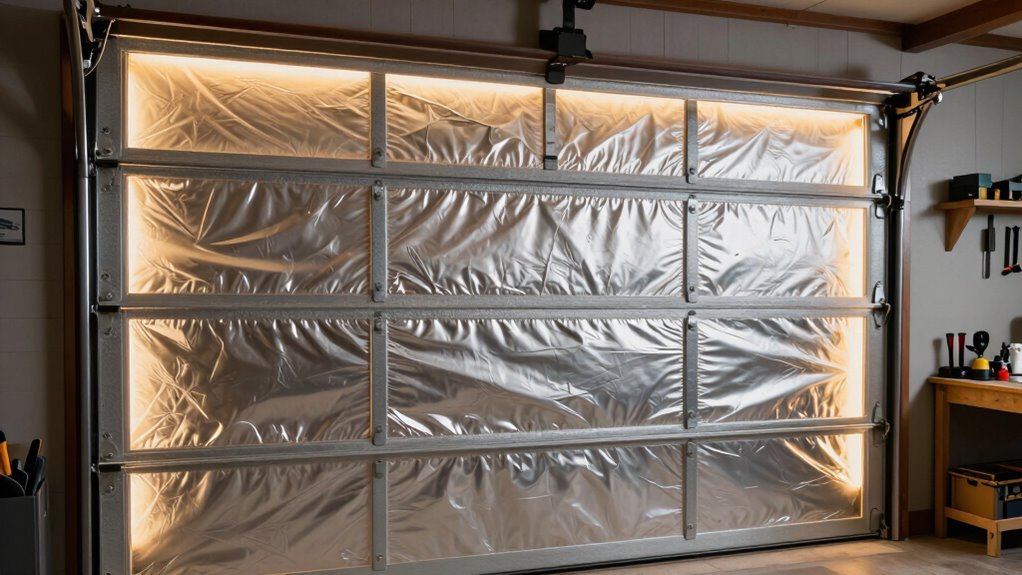
Upgrading your garage door insulation is one of the most effective ways to improve energy efficiency and comfort in your home. When you add proper insulation, you create a barrier that keeps the cold out during winter and the heat in during summer, making your garage more comfortable and reducing your overall energy bills. Increased energy efficiency means your heating and cooling systems don’t have to work as hard, which can lead to noticeable savings over time. Plus, a well-insulated garage helps maintain a consistent indoor temperature, preventing drafts and cold spots that often make winter projects uncomfortable.
Upgrading garage door insulation boosts energy efficiency and comfort while reducing cold drafts and cold spots.
Beyond energy savings, upgrading your garage door insulation significantly enhances noise reduction. If your garage is attached to your living space or near busy streets, the added insulation acts as a sound barrier, muffling outside noise and creating a quieter environment inside. This makes it easier to concentrate on winter projects, whether you’re woodworking, painting, or simply organizing. The noise reduction also benefits your household, reducing disturbance during loud activities or when the garage door opens and closes frequently.
Installing new insulation is a straightforward upgrade that can be completed with a little time and effort. You’ll want to choose the right type of insulation, like foam board or batt insulation, designed specifically for garage doors. These materials are lightweight, easy to cut, and fit snugly into the panels or cavities of your door. When you properly seal and insulate, you eliminate gaps and drafts, which not only improves energy efficiency but also prevents cold air from seeping inside. This is especially important during winter, when even small leaks can let in significant cold and dampness. Proper insulation methods help maximize these benefits and ensure lasting results. Additionally, understanding insulation properties can help you select the best materials for your needs.
As you upgrade, consider adding weatherstripping along the edges of the garage door for a complete seal. This step further enhances both energy efficiency and noise reduction, ensuring your garage stays warmer and quieter. The process isn’t overly complicated, and many DIY enthusiasts find it rewarding to see immediate results. Once you finish, you’ll notice a more stable indoor temperature and a quieter, more comfortable space for winter projects. Properly insulated garage doors can also prevent moisture buildup that contributes to mold and mildew growth inside your garage. Moreover, understanding insulation techniques can help you achieve more effective and long-lasting results.
Plus, with better insulation, your garage becomes a more usable area year-round, transforming it into a functional workshop during the colder months. In the end, upgrading your garage door insulation isn’t just about saving money; it’s about creating a space that’s comfortable, quiet, and ready for winter projects. The combined benefits of improved energy efficiency and noise reduction make this upgrade a smart investment that pays off in comfort and convenience. Additionally, insulating your garage door can also help protect your stored items from extreme temperature fluctuations.
Products Worth Considering

Philips Hue Smart Light Starter Kit with Bridge and 4 White and Color A19 Bulbs

Arlo Pro Wireless Security Camera, 2K HDR, 6th Gen, 4-Camera Kit

Philips Hue Bridge Pro Starter Kit with 4 A19 E26 Smart Bulbs
As an affiliate, we earn on qualifying purchases.
Frequently Asked Questions
How Long Does the Insulation Upgrade Process Typically Take?
The insulation upgrade process usually takes about 2 to 4 hours, depending on the size of your garage door and the insulation materials you choose. You’ll want to prepare for a quick project timeline if you opt for foam board or reflective insulation, but if you’re using fiberglass or spray foam, it might take a little longer. Overall, expect to spend a few hours to get your garage ready for winter projects.
Can I Install Garage Door Insulation Myself or Should I Hire a Professional?
You can install garage door insulation yourself if you’re comfortable with basic tools, saving money and improving garage security and noise reduction. However, hiring a professional guarantees proper installation, especially if your garage door needs special adjustments. DIY installation might be quicker and more cost-effective, but a professional ensures maximum insulation, enhanced security, and quieter operation, making it worth considering if you’re unsure about handling the task yourself.
What Types of Insulation Are Best for Garage Doors?
You should consider spray foam insulation for your garage door, as it offers excellent thermal resistance and seals gaps effectively. Reflective barriers are also a good option, especially if you want to block radiant heat transfer. Both are easy to install yourself with proper tools, but spray foam provides a more thorough insulation. Choose based on your climate and installation comfort level for the best winter project results.
Will Insulation Affect My Garage Door’s Operation or Weight?
Did you know that adding insulation can increase your garage door weight by up to 20%? Yes, insulation can affect your garage door’s operation if it’s not compatible with your door’s design. To avoid issues, choose insulation compatible with your garage door’s weight capacity. Properly installed, insulation helps improve energy efficiency without compromising the door’s smooth operation or safety.
How Often Should Garage Door Insulation Be Replaced or Upgraded?
You should replace or upgrade your garage door insulation every 5 to 10 years to maintain ideal energy efficiency and support ongoing garage maintenance. Over time, insulation can settle or become less effective, reducing its ability to keep your garage warm and energy-efficient. Regular inspections help you spot any damage or wear, ensuring your garage stays insulated properly, which ultimately saves you money on heating and improves overall comfort.
Conclusion
Upgrading your garage door insulation truly transforms winter projects from a chilly challenge to a comfortable task. Think of it like adding a cozy sweater to your workspace; it keeps the cold out and warmth in. This simple upgrade not only saves energy but also makes your garage a more inviting place to work year-round. So, don’t wait—invest in insulation and enjoy a warmer, more functional space during those winter projects.