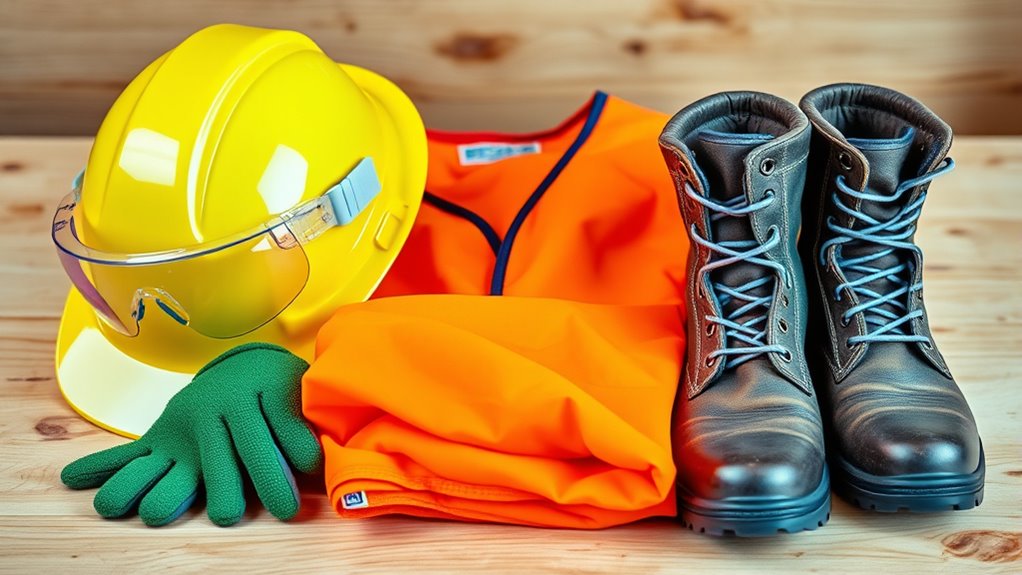
To stay safe during DIY projects, you need essential PPE like safety goggles to protect your eyes from debris, dust masks to filter harmful particles, and ear plugs or muffs to guard your hearing from loud noises. Wear sturdy boots to shield your feet from heavy objects and cuts, and choose gloves suited for your task to prevent splashes and injuries. Keep these safety essentials in mind—more tips will help you stay protected throughout your projects.
Key Takeaways
- Safety goggles to protect eyes from debris and splashes during cutting, grinding, or chemical handling.
- Dust masks or respirators to prevent inhalation of harmful dust and airborne particles.
- Ear plugs or muffs to reduce noise exposure from loud power tools and safeguard hearing.
- Durable gloves suited for chemical, cut, or heat protection to shield hands from injuries.
- Sturdy work boots with slip-resistant soles and steel toes to prevent foot injuries and ensure stability.
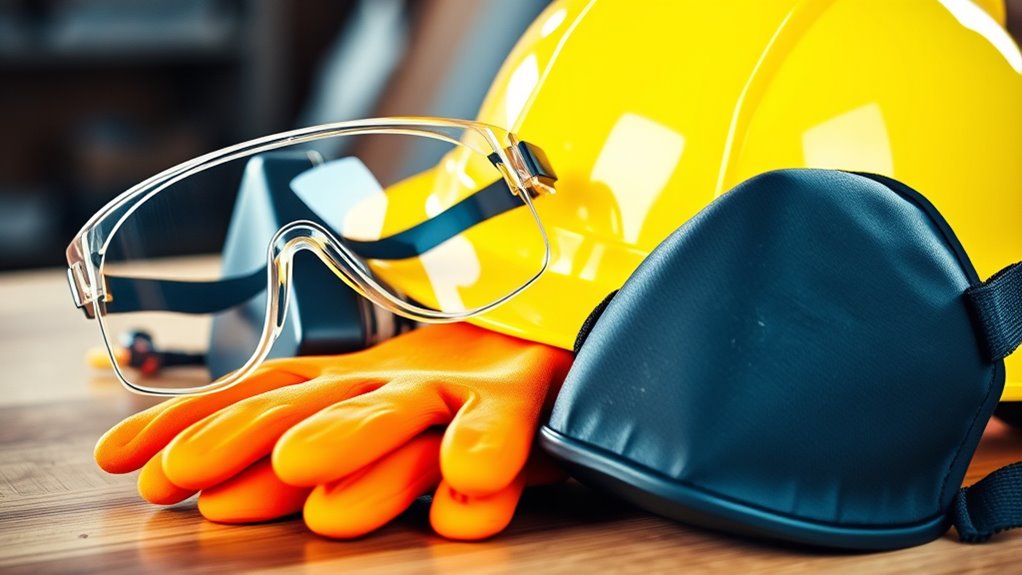
Have you ever wondered how workers stay safe in hazardous environments? The secret lies in the proper use of personal protective equipment (PPE). Even if you’re just tackling a DIY project around your house, investing in the right gear is essential to keep yourself safe from potential injuries. PPE might seem like overkill sometimes, but it’s a critical barrier against accidents, debris, and harmful substances.
Starting with your eyes, safety goggles are a must. When you’re cutting wood, grinding metal, or working with chemicals, flying particles or splashes can cause serious eye injuries. Safety goggles fit snugly and provide a clear shield to prevent debris from reaching your eyes. Don’t forget that dust masks are just as important, especially if you’re sanding, sawing, or working in dusty environments. They filter out harmful dust particles and prevent you from inhaling irritants that could cause respiratory issues.
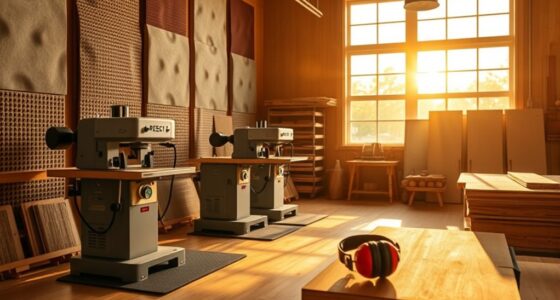
Ear protection is often overlooked but equally vital. If you’re using loud power tools like drills, saws, or sanders, prolonged exposure can damage your hearing. Ear plugs or ear muffs reduce noise levels, helping you avoid long-term hearing loss. Remember, protecting your ears is just as crucial as shielding your eyes, especially during extended projects.
Gloves are another essential piece of PPE. They shield your hands from cuts, splinters, chemical splashes, and burns. When handling sharp tools or hazardous substances, gloves provide a layer of defense that helps prevent painful injuries. Choose the right type of gloves for your task—rubber gloves for chemicals, leather gloves for heavy-duty work, or cut-resistant gloves for handling sharp objects.
Finally, sturdy work boots are the foundation of any safety gear ensemble. They protect your feet from falling objects, punctures, and slips. When working on uneven surfaces, a good pair of work boots with slip-resistant soles and steel toes can make all the difference. They provide stability and support, reducing the risk of twisted ankles or other foot injuries.
Incorporating these PPE items into your DIY routine isn’t just about following safety rules; it’s about protecting yourself from the unexpected. Each piece—safety goggles, dust masks, ear protection, gloves, and work boots—serves a specific purpose, and using them correctly can prevent injuries that might otherwise sideline your project or cause lasting harm. Take the time to choose quality gear suited to your tasks, and always wear it properly. Your safety depends on it. Additionally, understanding personal protective equipment and its proper use can significantly improve your safety practices during any project.
Frequently Asked Questions
How Often Should PPE Be Replaced or Inspected for Safety?
You should inspect your PPE regularly, ideally before each use, to guarantee safety. For PPE longevity, replace gear like gloves, masks, and helmets immediately if you notice damage, wear, or deterioration. Inspection frequency depends on how often you work on projects; more frequent use requires more frequent checks. Always follow manufacturer guidelines for replacement intervals, and don’t compromise safety—replace PPE promptly to stay protected.
Are There Specific PPE Standards for Different DIY Projects?
Yes, there are specific PPE standards for different DIY projects, ensuring you choose gear suited to your project material compatibility. For example, use gloves resistant to chemicals for painting or handling solvents. Follow PPE storage best practices by keeping gear in a clean, dry place, away from direct sunlight, to maintain its integrity. Always check that your PPE meets relevant safety standards before starting each project to protect yourself effectively.
Can Homemade PPE Provide Adequate Protection During DIY Tasks?
Homemade PPE can sometimes provide basic protection but rarely meets safety standards. Studies show that over 70% of DIY injuries involve inadequate safety gear. You shouldn’t rely solely on homemade DIY safety equipment for high-risk tasks. While it may help shield you from minor hazards, professional-grade PPE is essential for full protection. Always prioritize certified safety gear over homemade solutions to make certain of your safety during DIY projects.
What Is the Best Way to Clean and Maintain PPE?
To keep your PPE in top shape, regularly use gentle cleaning techniques suited for each item, like soap and water for masks or disinfectant for gloves. Always dry thoroughly before storage. Store your PPE in a clean, dry place away from direct sunlight, preferably in breathable containers or designated storage solutions. This routine guarantees your gear stays effective, safe, and ready for your next DIY project.
Are There Age or Size Restrictions for Certain PPE?
Yes, there are age limitations and size considerations for certain PPE. Younger children shouldn’t wear adult-sized gear, as it won’t fit properly and could be unsafe. Always choose PPE that matches your size to guarantee proper protection and comfort. Check manufacturer guidelines for age restrictions, especially for items like helmets and goggles. Proper sizing helps you stay safe and comfortable during your DIY projects.
Conclusion
Remember, wearing the right personal protective equipment can reduce injuries by up to 70%. As a DIYer, your safety depends on being prepared with gloves, goggles, masks, and ear protection. Did you know that nearly 1 in 4 home improvement accidents involve eye injuries? By investing in proper gear, you not only protect yourself but also enjoy your projects more confidently. Stay safe, stay protected, and keep your DIY adventures injury-free!