
TL;DR

Get business pricing on tools and workshop supplies
- Business-only prices and quantity discounts
- Tax-exempt purchasing
- Multiple users, one account, clear invoices
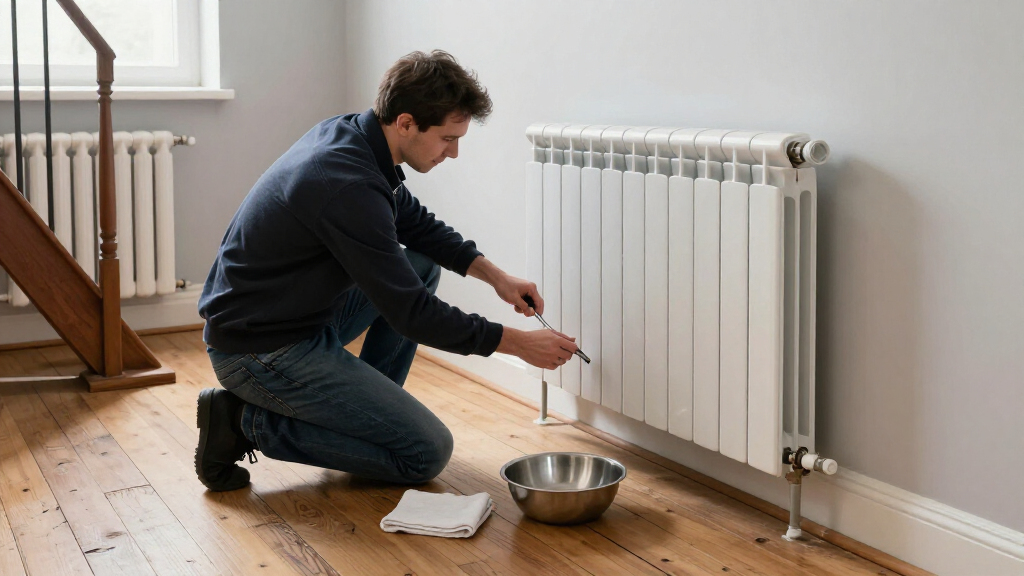
Heating specialists quoted by Ideal Home recommend bleeding downstairs radiators first, starting with the one farthest from the boiler, and then working upstairs in the same order. Bleeding them out of sequence is not expected to damage the system, but air may move around and mean some radiators need checking again. Afterward, check boiler pressure and confirm the radiators heat evenly.
Bleed downstairs radiators first, then move upstairs, beginning each floor with the radiator farthest from the boiler, according to heating specialists quoted by Ideal Home. The recommended order is intended to move trapped air through the system methodically and reduce the chance of having to repeat the job; bleeding in a different order is not described as likely to damage the heating system.
Alex Woods of Victorian Plumbing recommends starting with the downstairs radiator farthest from the boiler, continuing through the ground floor, and then repeating that pattern upstairs. Woods told Ideal Home that air naturally rises, so working from the lower floor upwards can help prevent air from collecting again in radiators that have already been bled.
The advice is about making the task more efficient, not about preventing an immediate system failure. Matthew Powell, founder of WarmZilla, said that bleeding upstairs first is unlikely to cause damage. However, if air is released from downstairs radiators afterward, it may travel through the system and collect upstairs, leaving homeowners to check those radiators again.
The report says a single radiator can be bled if it is cold at the top while the rest of the system heats normally. A hiss as air escapes indicates trapped air; if water comes out immediately, that radiator may not have needed bleeding. Where multiple radiators gurgle, heat unevenly or are cold at the top, Powell advises checking each one. The source does not provide a technical test confirming the recommended order for every type of heating system.
Avoiding Repeat Bleeding Work
For households preparing to switch their heating on, the order offers a straightforward way to reduce unnecessary repeat checks. Starting downstairs and working upwards follows the direction in which air naturally rises, according to Woods, while beginning at the radiator farthest from the boiler gives homeowners a consistent route through each floor.
The distinction is practical: the report does not say that the wrong order damages a system. Instead, the possible cost is extra time and another check if air moves through the system after upstairs radiators have already been bled. The advice also helps distinguish a radiator-specific issue from symptoms affecting several radiators, which may warrant checking more of the system.
Products Worth Considering

Levoit Vital 100S-P Air Purifier with Washable Pre-Filter

Levoit Eleva 300X HEPA Air Purifier

Blueair Blue Pure 511i Max Air Purifier for Home and Bedroom
As an affiliate, we earn on qualifying purchases.
Signs That Air Is Trapped
The Ideal Home report presents radiator bleeding as a seasonal maintenance task before colder weather. Its guidance focuses on symptoms and sequence rather than setting out a full heating-system service. A radiator that is cold at the top but warmer below can indicate trapped air, while gurgling or uneven heating across several radiators may suggest a wider issue.
After bleeding, the report advises checking the boiler pressure before turning the heating back on, since bleeding can lower pressure in a sealed system. Homeowners should then check whether radiators warm evenly. Cold areas at the bottom may point to another problem, such as sludge, a valve issue or radiators that need balancing. John Klee, a heating technology expert at BestHeating, said a system flush may be needed for cold spots at the bottom and recommended contacting a qualified professional if the homeowner is not confident doing the work.
“It’s recommended to start bleeding your downstairs radiators first, beginning with the radiator furthest from your boiler.”
— Alex Woods, Victorian Plumbing
When Bleeding Will Not Be Enough
The guidance does not establish that bleeding will fix every heating problem, or that the same sequence is necessary for every system layout. Cold spots at the bottom, persistent uneven heating or symptoms that remain after bleeding may have causes beyond trapped air, including sludge, a valve fault or a need for balancing. The source does not specify how to diagnose those faults or provide boiler-pressure targets for individual systems.
It is also unclear from the report how much air might move back through a particular system after bleeding out of order. Powell describes repeat checks as a possibility, not a certainty. Homeowners should consult their boiler instructions or a qualified heating professional if they are unsure about the system or its pressure.
Check Pressure and Heat
Once the radiators have been bled, check the boiler pressure against the guidance for the specific boiler before restoring normal heating. Then turn the heating on and check whether each radiator warms evenly. If a radiator remains cold at the top, it may need further bleeding; if it is cold at the bottom or the system continues heating unevenly, the report advises considering other causes and contacting a qualified professional when needed.
The practical order remains: work from the radiator farthest from the boiler across the downstairs floor, then repeat upstairs. If the upstairs radiators were done first, the source advises checking them again after bleeding downstairs rather than assuming the system has been damaged.
Key Questions
Should I bleed downstairs or upstairs radiators first?
Heating specialists quoted by Ideal Home recommend bleeding downstairs radiators first, then moving upstairs. On each floor, start with the radiator farthest from the boiler.
Will bleeding radiators in the wrong order damage my heating system?
The experts quoted in the report say it is unlikely to cause damage. The concern is that air released later from downstairs radiators may move upstairs, so you might need to check or bleed some upstairs radiators again.
Do I need to bleed every radiator?
If one radiator is cold at the top while the others heat normally, the report says you can bleed that radiator alone. If several radiators gurgle, heat unevenly or are cold at the top, checking more of the system may be appropriate.
What should I do after bleeding radiators?
Check the boiler pressure before turning the heating back on, then see whether the radiators heat evenly. Follow your boiler’s instructions for its pressure requirements; seek professional help if the system remains uneven or you are unsure what to do.
What if a radiator is cold at the bottom?
The report says cold spots at the bottom may point to sludge, a valve problem or a need to balance the radiators, rather than trapped air alone. John Klee of BestHeating advises contacting a qualified professional if you are not confident addressing the issue.
Source: rss