
To effectively control noise in your workshop, identify loudest sources like machinery and worn tools, then use soundproofing methods such as foam panels, enclosures, or acoustic tiles. Always wear hearing protection like earplugs or earmuffs during noisy tasks. Additionally, organize workspaces to reduce sound spread, create quiet zones, and schedule loud activities carefully. Implementing these strategies will keep your environment safer and more comfortable—continue exploring to discover even more ways to manage workshop noise.
Key Takeaways
- Identify and prioritize the loudest noise sources using assessments to target effective noise reduction methods.
- Install soundproofing materials like foam panels or acoustic tiles on walls and ceilings.
- Enclose noisy machinery within soundproof enclosures to contain and reduce sound levels.
- Provide and enforce consistent use of hearing protection such as earplugs and earmuffs for all workers.
- Schedule loud tasks during specific times and designate quiet zones to minimize overall noise exposure.

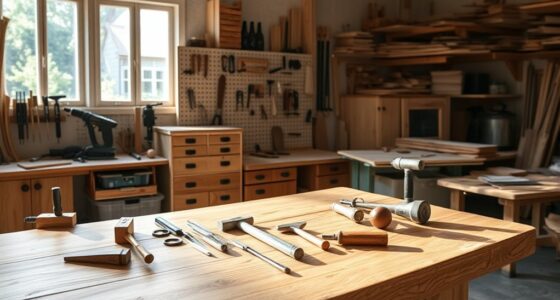
Have you ever noticed how loud a busy workshop can get? The constant hum of machinery, the clatter of tools, and the occasional shout of a coworker all add up to a noise level that can be overwhelming. If you don’t take steps to manage this noise, it can lead to serious hearing problems over time. That’s why noise reduction and hearing protection should be top priorities when you’re working in such an environment. By actively controlling noise, you not only protect your hearing but also create a safer, more comfortable workspace.
A noisy workshop can harm your hearing—manage noise with protection and soundproofing for a safer workspace.
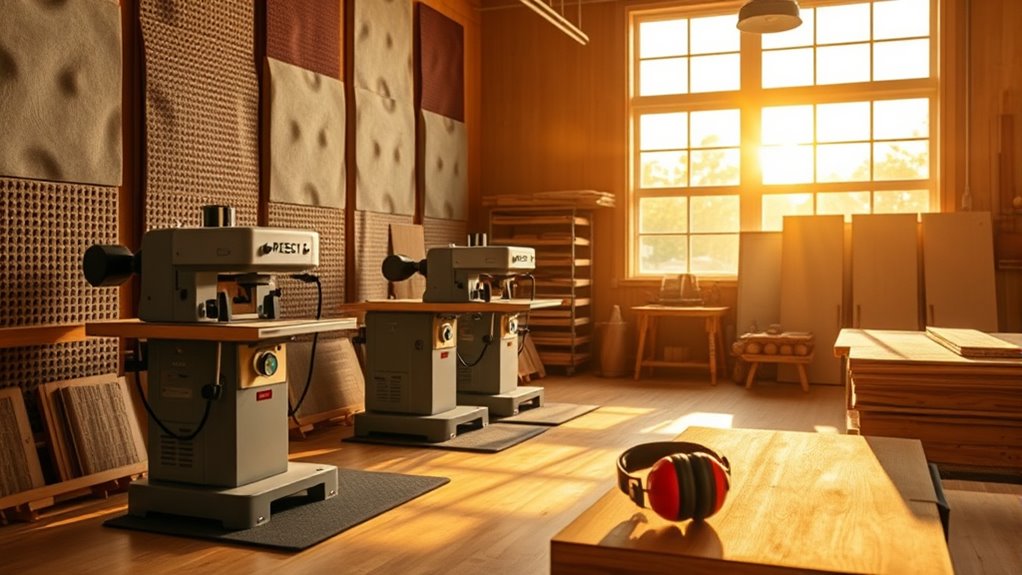
The first step is to identify the loudest sources of noise in your workshop. Once you know where the noise is coming from, you can implement targeted noise reduction tactics. For example, adding sound-absorbing materials like foam panels or acoustic tiles to walls and ceilings can substantially lower ambient noise. Enclosing noisy equipment within soundproof enclosures also helps contain the sound and prevents it from spreading throughout the workshop. Regular maintenance of machinery is equally important; worn or poorly maintained tools often produce more noise than necessary. Keeping equipment in good condition minimizes unnecessary loudness and prolongs its lifespan.
Another key measure is to incorporate hearing protection into your safety routine. Earplugs and earmuffs are simple yet effective tools that can drastically cut down the decibel levels reaching your ears. When used consistently, hearing protection shields you from long-term damage. Make sure to choose the right type for your specific needs—foam earplugs work well for general noise, while earmuffs provide a higher level of sound reduction for particularly loud tasks. Wearing hearing protection isn’t just about compliance; it’s about valuing your long-term hearing health. Encourage everyone in your workshop to use proper hearing protection, and remind them of the importance of doing so, especially during high-noise activities.
Creating designated quiet zones can also help mitigate noise stress. These spaces allow workers to take breaks from loud environments, helping to reduce fatigue and improve focus when they return to work. Additionally, scheduling noisy tasks during certain times of the day can limit prolonged exposure for workers in the vicinity. Implementing noise mitigation strategies such as soundproofing, equipment maintenance, proactive use of hearing protection, and workspace organization—forms an all-encompassing approach to noise control.
Frequently Asked Questions
How Effective Are Noise-Canceling Headphones in a Workshop Setting?
Noise-canceling headphones are highly effective in a workshop setting because of noise canceling technology that reduces loud sounds, protecting your hearing. They allow you to focus on tasks without distraction, while also supporting ergonomic safety by preventing ear fatigue. You’ll find they’re comfortable for long wear, helping you stay safe and alert, especially when working around loud machinery. Overall, they’re a valuable tool for maintaining a safer, quieter workspace.
Can Natural Ventilation Reduce Workshop Noise Levels?
Natural ventilation can drastically cut workshop noise levels, almost like turning down the volume on a roaring stereo. You’ll notice a significant difference because good ventilation efficiency reduces the need for loud machinery, making noise reduction techniques more effective. By opening windows and vents, you create a flow that dissipates sound waves, transforming your workspace into a quieter, more comfortable environment. It’s a simple, powerful way to tame noise naturally.
What Are the Legal Noise Limits for Workshops?
You need to follow occupational standards and local regulations, which typically set legal noise limits for workshops. These limits often specify decibel levels you must not surpass during working hours to protect health. Check your area’s specific regulations, as they can vary. Monitoring noise levels regularly ensures compliance, and if limits are exceeded, you should implement noise control measures to protect workers and avoid legal penalties.
How Often Should Noise Levels Be Monitored?
You should monitor noise levels regularly, ideally at least once a month, to stay compliant with noise level guidelines. Use reliable monitoring equipment to accurately measure sound levels and identify any fluctuations. Consistent monitoring helps you catch any issues early and guarantees your workshop remains within legal limits. Make sure to record the results and adjust your noise control measures as needed, maintaining a safe and compliant environment.
Are There Specific Materials Best for Soundproofing?
You should choose soundproof materials like dense insulation, mass-loaded vinyl, or acoustic panels for effective noise reduction. Acoustic panels are especially useful because they absorb sound and minimize echo. When selecting materials, consider your workspace size and noise sources. Installing acoustic panels on walls and ceilings can markedly dampen sound. Combining these with other soundproof materials creates a quieter, safer workshop environment, making your work more comfortable and productive.
Conclusion
So, you’ve taken steps to control noise, thinking it’ll quiet things down. Ironically, the more you try to tame the racket, the more you realize just how loud your workshop truly is. But don’t let that discourage you—keeping noise in check not only protects your ears but also makes your workspace more enjoyable. After all, a quieter workshop isn’t just about silence; it’s about making your craftsmanship even sweeter, one muffled moment at a time.