TL;DR
The Harlem Children’s Art Carnival, an annual community event, has significantly contributed to nurturing creativity among children and fostering intergenerational bonds. It has become a staple in Harlem, impacting multiple generations.
The Harlem Children’s Art Carnival, an annual community event, has been instrumental in fostering creativity among local children and strengthening intergenerational bonds in Harlem. This year’s carnival, held recently, drew hundreds of families and volunteers, reaffirming its role as a vital cultural fixture in the neighborhood.

Get business pricing on tools and workshop supplies
- Business-only prices and quantity discounts
- Tax-exempt purchasing
- Multiple users, one account, clear invoices
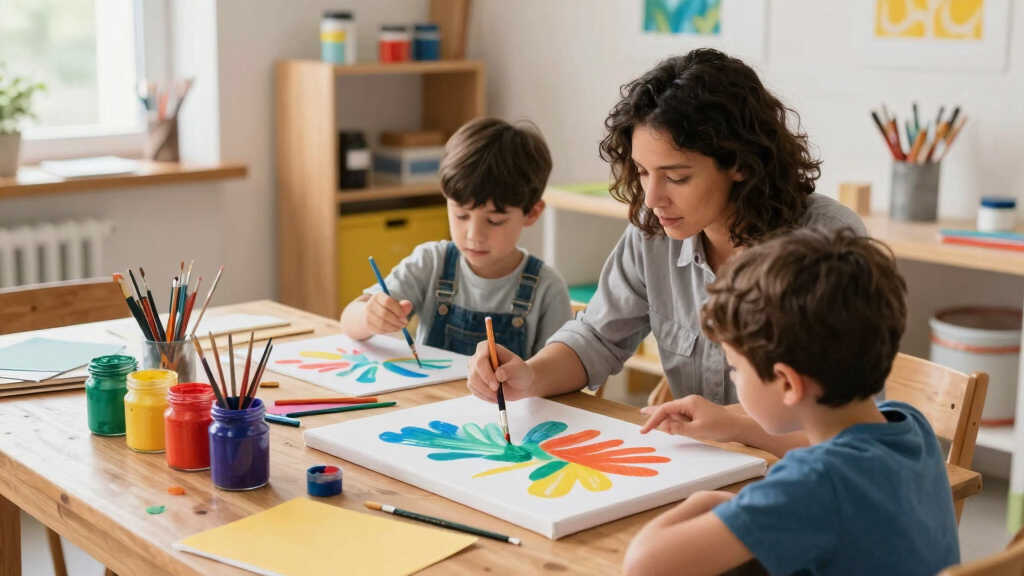
The event has been held annually for over two decades and is organized by local artists and community leaders. This year’s carnival featured art workshops, performances, and exhibitions designed specifically for children, with many activities aimed at engaging multiple generations.
According to organizer Maria Lopez, the carnival’s goal is to “create a space where children can express themselves freely and where elders can share their stories through art.” Local residents and volunteers reported that the event fosters a sense of community and pride, with many families returning year after year.
Recent evaluations suggest that participation in the carnival correlates with increased engagement in arts and cultural activities among children and youth, as well as stronger community ties, though comprehensive studies are still underway.
Why the Carnival’s Impact Extends Beyond Art
The Harlem Children’s Art Carnival matters because it not only nurtures creative skills in children but also strengthens community bonds across generations. As a longstanding local tradition, it contributes to Harlem’s cultural identity and resilience, especially amid ongoing urban development and social challenges.
Experts note that such community-driven arts initiatives can have lasting effects on youth development and neighborhood cohesion, making events like this crucial for fostering social resilience and cultural continuity.
Products Worth Considering

DREAME D20 Air Plus Robot Vacuum and Mop with Auto-Empty Dock

Dyson V8 Cyclone Cordless Vacuum

Dyson V9 Motorbar Cordless Vacuum
As an affiliate, we earn on qualifying purchases.
Historical Roots and Community Significance of the Carnival
The Carnival was founded in the late 1990s as a response to the need for community arts programs in Harlem. Over the years, it has grown from a small neighborhood gathering into a major cultural event that attracts participants from across New York City.
Harlem has a rich history of artistic innovation and community activism, and the Carnival reflects this legacy by emphasizing local artists, storytellers, and performers. It has become a symbol of cultural resilience and a platform for intergenerational exchange, with elders passing down stories and skills to younger participants.
While the event has expanded, organizers emphasize maintaining its grassroots spirit and ensuring accessibility for all residents.
“Our goal is to create a space where children can freely express themselves and where elders share stories through art.”
— Maria Lopez, Organizer
Unclear Long-Term Impact and Future Plans
While anecdotal evidence suggests positive effects, comprehensive long-term studies on the Carnival’s impact on youth development and community resilience are still in progress. It is also not yet clear how the event will adapt to future urban changes or funding challenges.
Upcoming Events and Ongoing Community Engagement
Organizers plan to expand outreach efforts and incorporate more digital components to reach wider audiences. The next Carnival is scheduled for next summer, with additional workshops and community projects in development to sustain engagement throughout the year.
Key Questions
How has the Harlem Children’s Art Carnival evolved over the years?
Since its inception in the late 1990s, the Carnival has grown from a small neighborhood gathering to a major cultural event featuring diverse art activities, performances, and intergenerational storytelling, maintaining its grassroots spirit while expanding its reach.
Who organizes the Harlem Children’s Art Carnival?
The event is organized by local artists, community leaders, and volunteers committed to fostering arts and culture in Harlem.
What are the main goals of the Carnival?
The primary goals are to nurture creativity among children, promote cultural expression, and strengthen community bonds across generations.
How does the Carnival impact the local community?
The Carnival fosters social cohesion, preserves cultural heritage, and provides a platform for local artists and residents to share their stories and talents.
What challenges does the Carnival face moving forward?
Potential challenges include securing ongoing funding, adapting to urban development pressures, and maintaining accessibility and grassroots participation.
Source: rss