For most standard ceiling and wall projects, I’d choose the VEVOR 11 ft Drywall Lift, 150 lb Capacity, Red as the best overall pick in this group: its 11-foot reach and 150-pound capacity suit common residential panels and room heights. The Garvee 11 ft Heavy-Duty Drywall Lift is another standard-height option, while the OISSWUN 16 ft Drywall Lift stands out for buyers who need added reach. The main tradeoff is straightforward: 11-foot models better fit typical jobs, while 16-foot lifts target taller ceilings but may be more equipment than occasional users need. Capacity is listed at 150 pounds across these options, so the choice turns more on reach, handling, and model-specific construction than on rated load. Read on for the full breakdown and guidance on matching a drywall lift to your room and work style.

Get business pricing on tools and workshop supplies
- Business-only prices and quantity discounts
- Tax-exempt purchasing
- Multiple users, one account, clear invoices
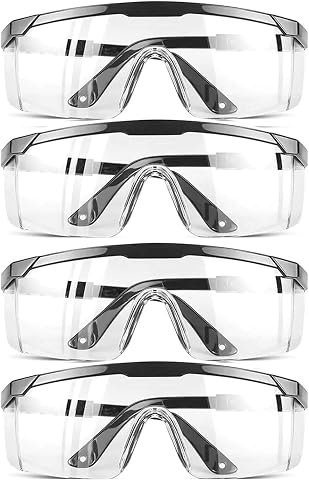
Complete the kit


Key Takeaways
- Most models share an 11-foot reach and 150-pound rating, so those figures alone do little to distinguish the standard-height options.
- The two 16-foot OISSWUN and VEVOR lifts address taller ceiling work; extra reach is useful only when the room demands it.
- OISSWUN offers the clearest listed variation in configuration: one 11-foot entry specifically calls out wheels, while another keeps the standard-height format.
- The lineup includes two VEVOR and two Garvee entries, making it sensible to compare their listed specifications and included hardware rather than assume brand-name duplicates are identical.
- Since every listed capacity is 150 pounds, buyers should prioritize panel dimensions, safe working height, storage, and setup needs instead of chasing a higher load rating within this group.
| VEVOR 11 ft Drywall Lift, 150 lb Capacity, Red |  | Best Overall | Maximum capacity: 150 lbs (68 kg) | Maximum lift height: 11 ft (3353 mm) | Telescoping arm length: 4.09–9.58 ft | VIEW ON AMAZON | See Our Full Breakdown |
| Garvee 11 ft Heavy-Duty Drywall Lift, 150 lb Capacity |  | Best for Compact Storage | Maximum reach: 11 ft | Load capacity: 150 lb | Frame material: Alloy steel | VIEW ON AMAZON | See Our Full Breakdown |
| VEVOR 11 ft Drywall Lift, 150 lb Capacity |  | Best for One-Person Setup | Load capacity: 150 lb (68 kg) | Maximum lift height: 11 ft (3353 mm) | Telescoping arm length: 4.09–9.58 ft | VIEW ON AMAZON | See Our Full Breakdown |
| VORTEXTOVE 11 ft Drywall Lift, 150 lb Capacity |  | Best for Stable Positioning | Maximum load capacity: 150 lbs | Maximum reach: 11 ft | Telescoping arm range: 4–9.5 ft | VIEW ON AMAZON | See Our Full Breakdown |
| OISSWUN 11 ft Drywall Lift with Wheels, 150 lb Capacity, Yellow |  | Best for Safety-Brake Control | Capacity: 150 lbs | Maximum height: 11 ft | Material: High carbon steel | VIEW ON AMAZON | See Our Full Breakdown |
| 11 ft Drywall Lift, 150 lb Capacity |  | Best for Compact Ceiling Work | Lifting range: 4–11 ft | Telescoping arm range: 4–9.5 ft | Weight capacity: 150 lb | VIEW ON AMAZON | See Our Full Breakdown |
| OISSWUN 16 ft Drywall Lift, 150 lb Capacity, Red |  | Best for Tall Ceilings | Maximum height: 16 ft | Capacity: 150 lb | Material: High carbon steel | VIEW ON AMAZON | See Our Full Breakdown |
| OISSWUN 11 ft Drywall Lift, 150 lb Capacity |  | Best for Straightforward Setup | Maximum height: 11 ft | Capacity: 150 lb | Material: High carbon steel | VIEW ON AMAZON | See Our Full Breakdown |
| Garvee 11 ft Drywall Panel Lift, 150 lb Capacity |  | Best for Adjustable Panel Reach | Maximum height: 16 ft (listed specification) | Adjustable arm range: 4–9.5 ft | Weight capacity: 150 lb | VIEW ON AMAZON | See Our Full Breakdown |
| VEVOR 16 ft Drywall Lift, 150 lb Capacity, Red |  | Best for Detailed Positioning at Height | Maximum load capacity: 150 lb (68 kg) | Maximum lift height: 16 ft (4877 mm) | Telescoping arm length: 49–115 in (1245–2921 mm) | VIEW ON AMAZON | See Our Full Breakdown |
| drywall lift | Material |
|---|---|
| VEVOR 11 ft Drywall Lift | Q235B steel |
| Garvee 11 ft Heavy-Duty Drywal | — |
| VEVOR 11 ft Drywall Lift | Q235B steel |
| VORTEXTOVE 11 ft Drywall Lift | Carbon steel |
| OISSWUN 11 ft Drywall Lift wit | High carbon steel |
| 11 ft Drywall Lift | Steel |
| OISSWUN 16 ft Drywall Lift | High carbon steel |
| OISSWUN 11 ft Drywall Lift | High carbon steel |
| Garvee 11 ft Drywall Panel Lif | Steel |
| VEVOR 16 ft Drywall Lift | Q235B steel |
More Details on Our Top Picks
VEVOR 11 ft Drywall Lift, 150 lb Capacity, Red
The VEVOR HM5001 earns my Best Overall spot by combining the key adjustments that make a drywall lift useful across ceiling jobs: an 11-foot reach, arms that extend from 4.09 to 9.58 feet, and a cradle that tilts and rotates for positioning panels. That flexibility makes it a stronger fit for varied flat and sloped ceilings than the more storage-focused Garvee 11 ft Heavy-Duty Drywall Lift, whose listed details emphasize folding and a hand winch. Three lockable wheels and tool-free assembly also help with setup and placement. The tradeoff is substantial: at 73.3 pounds, this is not a lightweight machine to move between floors, and its 150-pound limit rules out heavier panels. I’d choose it for general ceiling work, not maximum-capacity lifting.
Pros:- 11-foot maximum lift height suits many residential ceiling jobs.
- Telescoping arms accommodate a range of panel widths.
- 60-degree tilt and 360-degree rotation help position panels on sloped or flat ceilings.
- Three lockable wheels and tool-free assembly support setup and repositioning.
Cons:- At 73.3 pounds, it can be awkward to transport or move alone.
- The 150-pound capacity limits use with heavier panels.
Best for: DIYers and small crews installing standard-weight panels on flat or sloped ceilings up to 11 feet.
Not ideal for: People who need to carry a lift frequently up stairs or handle panels heavier than 150 pounds.
- Maximum capacity:150 lbs (68 kg)
- Maximum lift height:11 ft (3353 mm)
- Telescoping arm length:4.09–9.58 ft
- Panel tilt:60° forward or backward
- Panel rotation:360°
- Material:Q235B steel
- Item weight:73.3 lbs
- Power source:Hand-powered
- Wheels:3 non-slip lockable wheels
Our verdict“Choose this VEVOR for a versatile 11-foot lift with broad panel-positioning adjustments, provided its weight and 150-pound limit fit your job.”
Garvee 11 ft Heavy-Duty Drywall Lift, 150 lb Capacity
The Garvee 11 ft Heavy-Duty Drywall Lift stands apart for buyers who need a lift that can be put away between projects. Its frame folds to a listed 130 x 50 x 17 cm, making storage and transport easier to plan than with the VEVOR HM5001, whose listed specifications give no folded dimensions. A manual hand winch, steel cable, and pulley provide controlled raising for one-person panel placement, while the 11-foot reach covers many typical ceiling installations. Its simpler listed feature set is the tradeoff: unlike the VEVOR HM5001, no cradle tilt or rotation specifications are provided, so I would not pick Garvee based on an expectation of the same positioning flexibility. Hand operation also takes physical effort, and the 150-pound capacity limits the loads it can handle.
Pros:- Folds to a specified size for more manageable storage and transport.
- Manual winch and pulley support controlled panel raising.
- Designed for one-person operation.
- Tool-free assembly reduces setup requirements.
Cons:- Manual lifting requires physical effort.
- 150-pound capacity may not accommodate heavier panels.
- No tilt or rotation specifications are provided for cradle positioning.
Best for: DIYers with limited garage or workshop storage who need a foldable lift for occasional panels and ceilings up to 11 feet.
Not ideal for: Buyers who regularly install panels on sloped ceilings or need a lift with specified tilt and rotation adjustments.
- Maximum reach:11 ft
- Load capacity:150 lb
- Frame material:Alloy steel
- Lifting mechanism:Manual hand winch with steel cable and pulley
- Folded size:130 x 50 x 17 cm
- Assembly:Tool-free
Our verdict“Pick Garvee if folded storage matters more than documented cradle adjustments, and skip it if you need specified tilt and rotation for angled ceilings.”
VEVOR 11 ft Drywall Lift, 150 lb Capacity
This VEVOR HM5001 is a practical pick for solo installers who want both adjustable panel support and a listed winch handle. Its 11-foot reach, telescoping arms, 60-degree tilt, and 360-degree rotation provide the positioning range needed for flat or sloped ceiling work; three lockable casters help keep the lift in place once positioned. Compared with the Garvee 11 ft Heavy-Duty Drywall Lift, this VEVOR supplies specific tilt and rotation figures, while Garvee’s clearest advantage is its stated folded size. The choice comes down to job flexibility versus storage detail. This model weighs 73.3 pounds, so solo operation should not be confused with easy carrying, and its 11-foot ceiling limit will not suit higher spaces.
Pros:- Winch handle supports controlled lifting by one operator.
- Telescoping arms adjust to different panel sizes.
- Tilt and full rotation assist with flat and sloped ceiling positioning.
- Three lockable casters support repositioning and parked stability.
Cons:- At 73.3 pounds, it remains heavy to carry or load into a vehicle.
- The 11-foot maximum reach does not cover taller ceilings.
- 150-pound capacity limits heavier panel loads.
Best for: Solo DIYers or installers who need a winch-operated lift with adjustable arms and cradle positioning for standard 11-foot ceiling jobs.
Not ideal for: Crews working above 11 feet, or buyers who prioritize a stated compact folded size for transport and storage.
- Load capacity:150 lb (68 kg)
- Maximum lift height:11 ft (3353 mm)
- Telescoping arm length:4.09–9.58 ft
- Panel tilt:60° forward or backward
- Panel rotation:360°
- Material:Q235B steel
- Item weight:73.3 lb
- Wheel configuration:3 locking casters, 4 in diameter
- Included components:Base, main crossbeam, upright column, winch handle, two crossbeam brackets, two telescoping arms, user manual
Our verdict“Choose this VEVOR for solo panel positioning with specified tilt and rotation, but look for a taller or lighter lift if those are your main needs.”
VORTEXTOVE 11 ft Drywall Lift, 150 lb Capacity
The VORTEXTOVE 11 ft Drywall Lift is the stability-oriented option in this group: its tripod base pairs with locking outriggers and three anti-slip locking casters. That support-focused design may appeal to installers who want the lift secured while positioning a panel overhead. It also offers the familiar 11-foot reach, 150-pound capacity, 60-degree tilt, and 360-degree rotation. Compared with the 73.3-pound VEVOR HM5001, VORTEXTOVE lists a heavier 83.8-pound weight, which makes frequent transport a less appealing prospect. The listed arm range is 4–9.5 feet, close to VEVOR’s but not identical. I’d favor this model when its added outriggers suit the work area; buyers focused on easier movement may prefer the lighter VEVOR instead.
Pros:- Locking outriggers add support to the tripod base.
- Three anti-slip locking casters help secure the lift after positioning.
- Tilt and full rotation support flat and inclined ceiling work.
- Arm range adjusts from 4 to 9.5 feet.
Cons:- At 83.8 pounds, it is heavier than the listed VEVOR HM5001 options.
- Maximum reach is limited to 11 feet.
- 150-pound capacity excludes heavier panel loads.
Best for: Installers working on ceiling panels who prioritize locking outriggers and a tripod base for positioning stability.
Not ideal for: People who need to move a lift often or carry it between jobs, since it weighs 83.8 pounds.
- Maximum load capacity:150 lbs
- Maximum reach:11 ft
- Telescoping arm range:4–9.5 ft
- Tilt:Up to 60° forward or backward
- Rotation:360°
- Weight:83.8 lbs
- Material:Carbon steel
- Base:Tripod with locking outriggers
- Casters:3 anti-slip locking casters
Our verdict“Choose VORTEXTOVE if its locking-outrigger base is your priority, but favor a lighter option if you need to transport the lift frequently.”
OISSWUN 11 ft Drywall Lift with Wheels, 150 lb Capacity, Yellow
The OISSWUN 11 ft Drywall Lift distinguishes itself with a listed winch safety brake, a useful detail for buyers who want a hand-operated lift with a specified braking feature during panel raising. Its 60-degree cradle tilt, 360-degree rotation, and three lockable casters cover much of the positioning flexibility found on the VEVOR HM5001. The VEVOR lists a slightly lower weight at 73.3 pounds; OISSWUN weighs 75 pounds, so neither is especially easy to carry, but the difference is modest. OISSWUN also specifies tool-free assembly, though assembly is still required. With an 11-foot reach and 150-pound capacity, it fits standard panel jobs rather than taller or heavier-duty work.
Pros:- Winch safety brake is specified for controlled hand-powered lifting.
- Cradle tilt and rotation support flat and sloped ceiling positioning.
- Three lockable casters help with movement and stability.
- Tool-free assembly avoids the need for assembly tools.
Cons:- At 75 pounds, it can be cumbersome to transport.
- Assembly is still required before use.
- The 150-pound capacity and 11-foot reach limit the range of jobs it suits.
Best for: DIYers and small crews who want a hand-powered lift with a specified safety brake for standard ceiling panels.
Not ideal for: Installers handling panels above 150 pounds or working on ceilings higher than 11 feet.
- Capacity:150 lbs
- Maximum height:11 ft
- Material:High carbon steel
- Weight:75 pounds
- Operation:Hand-powered
- Cradle tilt:60°
- Cradle rotation:360°
- Casters:3 lockable casters
- Assembly:Tool-free
Our verdict“Pick OISSWUN if the specified winch safety brake matters for your 11-foot panel jobs, and choose a taller or higher-capacity lift for larger projects.”
11 ft Drywall Lift, 150 lb Capacity
This Garvee lift suits standard-height rooms where 11 feet of lift is enough and the job calls for fine panel positioning. Its cradle tilts 60 degrees and rotates a full 360 degrees, helping one person align a sheet without repeatedly repositioning the base. Compared with the Garvee 11 ft Drywall Panel Lift, this model is listed with an 11-foot lifting range rather than a 16-foot maximum, making its reach easier to judge for ordinary ceilings—but a poor fit for taller spaces. The steel construction and three lockable swivel wheels support controlled setup, though its 78.4-pound weight still makes transport a two-person consideration for some users. The description also advises checking and tightening hardware during assembly, and panel fit depends on sheet dimensions and type.
Pros:- Lifts panels from 4 to 11 feet for common ceiling and wall installations.
- Cradle tilts 60 degrees and rotates 360 degrees for alignment.
- Three lockable swivel wheels help with positioning and stability.
- Designed for one-person panel installation.
Cons:- At 78.4 pounds, it can be awkward to carry or load alone.
- Assembly calls for checking and tightening hardware.
- Panel compatibility depends on the sheet’s size and type.
Best for: DIYers or small crews installing panels on standard-height ceilings who want a tilting, rotating cradle and can manage a roughly 78-pound machine.
Not ideal for: Installers working on ceilings above 11 feet, or anyone who needs a lightweight lift that is easy to carry between floors.
- Lifting range:4–11 ft
- Telescoping arm range:4–9.5 ft
- Weight capacity:150 lb
- Material:Steel
- Cradle tilt:60°
- Cradle rotation:360°
- Wheels:3 lockable swivel wheels
- Item weight:78.4 lb
Our verdict“Choose this Garvee for one-person work in standard-height rooms; pick a 16-foot model for taller ceilings.”
OISSWUN 16 ft Drywall Lift, 150 lb Capacity, Red
The OISSWUN’s defining advantage is its 16-foot reach, which makes it a better match for high ceilings than the OISSWUN 11 ft Drywall Lift. Both support panels up to 150 pounds and offer a 60-degree tilt and 360-degree rotation, so the taller version is the more useful choice when ordinary lift height would leave a gap. Its hand winch with safety brake supports controlled, one-person raising, and tool-free assembly may simplify getting it ready on site. The tradeoff is substantial: at 85 pounds, it is the heaviest option in this batch and not an easy lift to move by hand. Three lockable casters help once it is assembled, but they do not solve transport over stairs or rough ground.
Pros:- 16-foot maximum height serves installations beyond the reach of 11-foot lifts.
- Hand winch includes a safety brake for controlled raising.
- Cradle tilts 60 degrees and rotates 360 degrees.
- Tool-free assembly and lockable casters support setup and positioning.
Cons:- At 85 pounds, it is difficult to carry and load without help.
- Its tall reach may be unnecessary bulk for standard-height rooms.
- The 150-pound capacity still limits the combined panel load.
Best for: Contractors and experienced DIYers handling ceiling sheets in rooms up to 16 feet high who can transport an 85-pound lift.
Not ideal for: People working only in standard-height rooms or moving equipment frequently by themselves, since its extra reach comes with more weight.
- Maximum height:16 ft
- Capacity:150 lb
- Material:High carbon steel
- Weight:85 lb
- Operation:Hand-powered winch with safety brake
- Cradle movement:60° tilt, 360° rotation
- Base:Tripod with 3 lockable casters
- Assembly:Tool-free
Our verdict“Choose this model when 16-foot reach matters more than easy transport; for ordinary ceilings, the lighter OISSWUN 11 ft is a more practical fit.”
OISSWUN 11 ft Drywall Lift, 150 lb Capacity
For installers who want a conventional ceiling lift without the extra height and weight of a tall model, this OISSWUN offers 11-foot reach and tool-free assembly. Its 75-pound weight is lower than the 85-pound OISSWUN 16 ft, though it remains a substantial piece of equipment to carry. The hand-powered design and 60-degree tilting, 360-degree rotating cradle let one person raise and orient a panel for wall or ceiling work; three lockable casters help position the base. The main compromise is reach: unlike the 16-foot OISSWUN or VEVOR, it is intended for lower installations. Its listing specifies the 11-foot model only, so buyers needing more height should not assume this version can extend further.
Pros:- 11-foot lift height suits many standard ceiling installations.
- Tool-free assembly can reduce setup steps.
- Cradle tilts 60 degrees and rotates 360 degrees for panel positioning.
- Three lockable casters aid movement and stability.
Cons:- At 75 pounds, it is still cumbersome to carry alone.
- The specified 11-foot height rules it out for taller ceilings.
- Hand-powered operation requires the user to work the winch.
Best for: DIYers and small crews working in standard-height rooms who value tool-free assembly and can accommodate a 75-pound lift.
Not ideal for: Installers handling high ceilings or buyers who need one lift for jobs requiring more than 11 feet of reach.
- Maximum height:11 ft
- Capacity:150 lb
- Material:High carbon steel
- Item weight:75 lb
- Cradle tilt:60°
- Cradle rotation:360°
- Wheels:3 lockable casters
- Power source:Hand-powered
Our verdict“Pick this OISSWUN for standard-height work and simpler assembly, but choose its 16-foot sibling for taller rooms.”
Garvee 11 ft Drywall Panel Lift, 150 lb Capacity
This Garvee is a fit for buyers who need a 4-to-9.5-foot adjustable arm and a stated 150-pound capacity, with a tripod base designed for one-person positioning. One listing detail deserves close attention: despite “11 ft” in the product title, the supplied specifications state a maximum height of 16 feet. That makes it a potentially taller-reaching option than the separate Garvee 11 ft Drywall Lift, but buyers should verify the intended configuration before planning a job around that discrepancy. The 60-degree tilt, 360-degree rotation, and locking casters provide useful alignment control. At 78.3 pounds, it is close in weight to the other Garvee, so its adjustable reach—not easier handling—is the reason to choose it.
Pros:- Adjustable arm spans 4 to 9.5 feet.
- Specifications list a 16-foot maximum height.
- Cradle tilts 60 degrees and rotates 360 degrees.
- Tripod base has three locking casters for positioning.
Cons:- The 11-foot title conflicts with the listed 16-foot maximum height.
- At 78.3 pounds, it is cumbersome to transport by hand.
- Maximum reach may not suit every installation or room.
Best for: Installers who want a 150-pound-rated lift with an adjustable 4-to-9.5-foot arm and can confirm the required maximum height before purchase.
Not ideal for: Buyers who need unambiguous height specifications or a lighter lift for frequent solo transport.
- Maximum height:16 ft (listed specification)
- Adjustable arm range:4–9.5 ft
- Weight capacity:150 lb
- Material:Steel
- Tilt:60° forward or backward
- Rotation:360°
- Wheels:3 locking casters
- Product weight:78.3 lb
Our verdict“Consider this Garvee for adjustable arm reach, but confirm its actual height specification before relying on it for a 16-foot job.”
VEVOR 16 ft Drywall Lift, 150 lb Capacity, Red
The VEVOR combines 16-foot reach with an arm that adjusts from 49 to 115 inches, giving buyers a clearly specified span for positioning panels on tall ceilings. Its cradle tilts 60 degrees and rotates 360 degrees, so it can handle both flat and sloped ceiling orientations; the three lockable, non-slip wheels help steady the tripod after movement. Compared with the OISSWUN 16 ft Drywall Lift, it is 4.3 pounds lighter and publishes the telescoping arm range in both inches and millimeters. Both remain heavy hand-powered machines with a 150-pound limit, so neither is a lightweight answer for repeated stair carries or loads beyond that capacity. The VEVOR’s advantage is the more explicit reach specification, not a lighter-duty tradeoff.
Pros:- Raises panels to a listed maximum of 16 feet.
- Telescoping arms adjust from 49 to 115 inches.
- Cradle tilts 60 degrees and rotates 360 degrees for varied ceiling angles.
- Three non-slip lockable wheels support positioning and stability.
Cons:- At 80.7 pounds, it is difficult to carry alone.
- The 150-pound maximum limits the load it can support.
- Its added reach may be unnecessary for standard-height installations.
Best for: Installers working on tall or sloped ceilings who want a specified telescoping-arm range and can move an 80.7-pound lift.
Not ideal for: People handling standard-height rooms only, or crews needing a lighter tool or capacity above 150 pounds.
- Maximum load capacity:150 lb (68 kg)
- Maximum lift height:16 ft (4877 mm)
- Telescoping arm length:49–115 in (1245–2921 mm)
- Panel tilt:60° forward or backward
- Panel rotation:360°
- Base:Tripod with 3 non-slip lockable wheels
- Material:Q235B steel
- Power source:Hand-powered
- Weight:80.7 lb
Our verdict“Choose the VEVOR for tall or angled ceiling work when its specified arm range helps more than portability does.”

How We Picked
I ranked these drywall lifts by how clearly their listed specifications match common buyer needs: ceiling reach, stated 150-pound capacity, mobility details, and the likely difference between standard-height and taller-room work. I gave the broadest appeal to an 11-foot option suited to typical residential jobs, then separated alternatives by named features and use case rather than treating similar listings as interchangeable.
The available product information does not establish differences in assembly time, materials, stability, warranty, or long-term durability, so I do not claim those as verified advantages. Where listings share the same reach and capacity, their ranking reflects how specifically the stated configuration serves a buyer, not an assumed performance gap. Buyers should check the current listing for dimensions, compatible panel sizes, included components, and safety instructions before choosing.
| drywall lift | Material |
|---|---|
| VEVOR 11 ft Drywall Lift | Q235B steel |
| Garvee 11 ft Heavy-Duty Drywal | — |
| VEVOR 11 ft Drywall Lift | Q235B steel |
| VORTEXTOVE 11 ft Drywall Lift | Carbon steel |
| OISSWUN 11 ft Drywall Lift wit | High carbon steel |
| 11 ft Drywall Lift | Steel |
| OISSWUN 16 ft Drywall Lift | High carbon steel |
| OISSWUN 11 ft Drywall Lift | High carbon steel |
| Garvee 11 ft Drywall Panel Lif | Steel |
| VEVOR 16 ft Drywall Lift | Q235B steel |
Factors to Consider When Choosing Drywall Lift
A drywall lift purchase is mostly a fit decision: the right reach and working setup can make overhead panel placement more manageable, while a mismatched lift adds storage and setup burden without helping the job. I’d settle the room, panel, and transport questions before comparing similar-looking models.
Match lift reach to the room, not just the ceiling label
An 11-foot lift suits many standard residential ceiling jobs, but room geometry matters as much as the ceiling’s stated height. Factor in the panel’s position on the cradle, the height needed to tilt and raise it, and any slopes or obstructions. A 16-foot model can open up taller-room work, but extra maximum reach does not automatically make it easier to position in a low or crowded room. Measure the actual working path, including doorways and overhead fixtures, before choosing. A common mistake is buying for a rare tall ceiling and then struggling to store or maneuver a larger assembly on every other job. If most work is at ordinary heights, the 11-foot format is the more focused starting point.
Treat the 150-pound rating as a limit, not a panel-size promise
All ten listings state a 150-pound capacity, but that number does not confirm that every panel dimension or loading arrangement is supported. Panel weight changes with thickness, size, and moisture, and the load needs to sit securely on the cradle. Check the manufacturer’s stated panel dimensions and loading guidance rather than relying on weight alone. Keep the panel within the rated limit and avoid assuming that two lifts with the same capacity have identical stability or cradle design. If your work involves heavier or unusually large sheets, verify compatibility before ordering. The capacity figure is useful for screening, but it is not a substitute for a safe loading plan.
Account for the full setup and movement routine
A lift that can raise a panel is only useful if you can get it from storage to the work area and position it where needed. Check folded dimensions, assembly requirements, wheel details, and whether the route includes narrow doors, steps, or uneven flooring. The OISSWUN 11-foot listing that specifies wheels gives buyers a concrete mobility detail to investigate, but wheel presence alone does not confirm how easily a loaded lift will roll. Consider whether you will move the lift between rooms or set it up once in a clear area. Buyers often focus on lifting height and overlook the space needed to assemble, turn, and park the equipment. Measure storage space and access routes before settling on a model.
Choose extra reach only when it solves a real job
The 16-foot VEVOR and OISSWUN models are the lineup’s clear choices for buyers who need more height than an 11-foot lift offers. That extra reach can prevent a standard model from falling short on high ceilings, but it may bring added handling and storage demands. Do not assume that a taller lift is automatically more versatile for every room; its footprint and working clearance still have to suit the site. If your projects vary, compare the highest panel placement you expect with the actual product specifications, not just the model name. For occasional tall-ceiling work, renting or borrowing a taller unit may make more sense than storing one year-round. For frequent high work, the 16-foot format has a clearer purpose.
Look beyond shared specifications when listings seem alike
Several products here repeat the same 11-foot reach and 150-pound rating, including multiple VEVOR, Garvee, and OISSWUN entries. Similar headline specs do not prove that the lifts have the same dimensions, assembly hardware, finish, or included accessories. Compare the exact listing and model details, especially when two entries from one brand appear close in name. Confirm what arrives in the box and whether replacement parts or support information are available for the specific version. A frequent buying error is treating a shared capacity and height as proof that one listing is a direct substitute for another. When the specifications do not reveal a meaningful difference, base the decision on verifiable fit and support details rather than assumed brand advantages.
Decide whether occasional convenience justifies owning a lift
A drywall lift can reduce the need to hold a panel overhead while positioning it, but ownership also means transport, assembly, storage, and maintenance. For a one-room renovation, compare those burdens with borrowing or renting a suitable lift. Frequent ceiling work makes having a compatible unit ready more appealing, especially if you can store it near the work area. Beginners should prioritize clear instructions, manageable setup, and a fit for their panels over small differences in listed features. Professionals may care more about repeated movement between jobs and access to parts, details that require checking beyond the headline specifications. The best choice depends on how often the lift will earn its space, not just whether it can raise a sheet.
Frequently Asked Questions
Should I choose an 11-foot or 16-foot drywall lift?
Choose by the highest panel placement your projects require, not by reach alone. The 11-foot listings are the more direct match for typical residential ceiling work, while the 16-foot VEVOR and OISSWUN options are aimed at taller spaces. Check working height and panel positioning details in the individual listing, since a model name may not explain the usable reach for your setup. Also account for storage, door access, and room to maneuver a taller assembly. If you only have one occasional high-ceiling job, borrowing or renting may be more practical than buying extra reach for every project.
Is a 150-pound capacity enough for the drywall panels I plan to lift?
Every product in this roundup lists a 150-pound capacity, but that figure does not confirm support for every panel size or loading method. Check the panel’s actual weight and the lift’s stated compatibility limits before use. Sheet dimensions and how the weight sits on the cradle can matter alongside total load. Keep within the manufacturer’s instructions, and do not infer that a larger panel is safe just because its weight falls below the rating. If your materials are unusually large, thick, or heavy, ask the manufacturer or seller for model-specific guidance.
Do the similar 11-foot lifts differ enough to justify comparing listings?
Yes, because shared reach and capacity do not establish that the included parts, dimensions, assembly, or mobility are identical. This lineup includes repeated VEVOR and Garvee names, along with several OISSWUN configurations, so buyers should verify the exact model details rather than assume duplicates. The OISSWUN listing that calls out wheels is a useful example of a stated configuration difference, though buyers should confirm its full mobility and setup details. Check what is included, storage dimensions, support information, and the manufacturer’s instructions. If listings provide little evidence of a meaningful difference, choose based on the specific fit and verified details you can confirm.
Is a drywall lift worthwhile for a first-time ceiling project?
It can make overhead panel positioning more manageable, especially when working without enough help to hold a sheet in place. The lift does not remove the need to load the panel correctly, control its movement, or follow safety instructions. A first-time buyer should check assembly steps, operating guidance, panel compatibility, and available room before purchase. For a small one-off project, borrowing or renting can avoid storing equipment that may see little future use. For repeated ceiling work, an 11-foot model may be a more practical starting point than paying in storage and handling effort for extra height you do not need.
What should I check before buying a lift for a high or awkward ceiling?
Measure the ceiling height and the path the panel must take, including slopes, beams, lights, and nearby walls. Then confirm the lift’s usable reach, cradle compatibility, and footprint from the exact product specifications. A 16-foot model may be a better fit for high placement, but it still needs room to assemble and move safely. Check doorway widths, floor conditions, and where the equipment will be stored between jobs. If the space is unusually shaped or the panel is oversized, get model-specific guidance before relying on the listed height and capacity alone.
Conclusion
For the broadest range of standard residential work, I’d pick the VEVOR 11 ft Drywall Lift, 150 lb Capacity, Red as best overall, while recognizing that the listed specifications do not prove a performance gap over similar 11-foot options. The OISSWUN 11 ft Drywall Lift with Wheels is the best fit for buyers who specifically want a mobility detail called out, and the Garvee 11 ft Heavy-Duty Drywall Lift is a sensible standard-height alternative to compare for value based on its exact listing and included components. For beginners, I’d start with an 11-foot model that fits the room, panel, and storage space rather than choosing extra reach by default. For taller ceilings, the OISSWUN 16 ft and VEVOR 16 ft are the specific-reach picks; compare their verified setup and support details before deciding which is the better premium fit. No listing here establishes a premium build advantage, so I would not pay more on that assumption alone.
Fall yard work Picks

Halloween Inflatable Haunted House Maze – 20×20 ft with Removable Roof and Blower
As an affiliate, we earn on qualifying purchases.