You can easily upgrade your home with smart devices that don’t need an electrician. Install wireless security systems for easy DIY setup and real-time alerts. Use smart plugs and lighting to control devices remotely and customize ambiance without wiring changes. Add energy monitors to track usage or heated mattress pads for extra comfort, all with simple plug-and-play options. Keep exploring different upgrades to make your home smarter and more efficient—there’s plenty more you can do yourself.
Key Takeaways
- Install wireless security cameras and sensors easily using DIY kits with clear instructions.
- Use smart plugs to control and automate appliances without rewiring or professional help.
- Replace standard bulbs with smart lighting solutions that can be installed by users.
- Attach energy monitoring devices to outlets or appliances to track usage without electrical work.
- Add heated mattress pads or other smart comfort devices that require simple plug-in setup.

Upgrading your home to a smart setup can markedly enhance convenience, security, and energy efficiency. You don’t need to be a handyman or hire an electrician to start transforming your space. The first step is choosing wireless security systems. These setups are user-friendly and designed for DIY installation, allowing you to secure your home without complicated wiring or professional help. Wireless security cameras and doorbell systems connect to your Wi-Fi network, giving you real-time video feeds directly to your smartphone. They often come with easy-to-follow instructions and can be mounted with simple tools. With these systems, you can monitor your home remotely, receive instant alerts about suspicious activity, and keep an eye on your property at all times. Installing wireless security is straightforward, and you can often expand your system later without much hassle.
Next, focus on energy monitoring devices. These gadgets are designed to help you understand and control your energy consumption more effectively. Many are plug-and-play, meaning you just need to plug them into existing outlets or attach them to your appliances. Once connected, they provide detailed data on how much energy each device uses. This information allows you to identify which appliances are energy hogs and adjust your usage accordingly. Some advanced energy monitors integrate with your smart home ecosystem, enabling you to set schedules or automate device operation to save power. By incorporating energy monitoring into your home, you can reduce your electricity bills and lessen your environmental impact—all without needing to rewire or hire a professional.
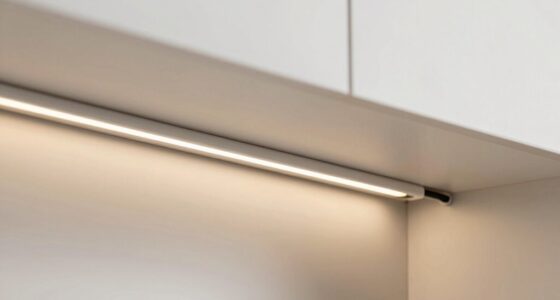
Additionally, many smart home products are designed with user installation in mind. Smart bulbs, for instance, replace standard bulbs and can be controlled via apps or voice commands. They often come with adjustable brightness, color, and scheduling features, allowing you to customize your lighting effortlessly. Smart plugs are another simple upgrade—plug them into your existing outlets, then connect your devices to control them remotely. These devices often work seamlessly with voice assistants, so you can turn on your coffee maker or lamps with just a voice command. Incorporating electric heated mattress pads with safety features can also be a cozy upgrade, especially in colder months, and many models are easy to set up without professional help.
Frequently Asked Questions
Can I Install Smart Devices on My Own Without Prior Experience?
Yes, you can handle DIY installation of smart devices if you’re comfortable with basic tech tasks. Just make certain your devices are compatible with your existing system and follow the manufacturer’s instructions carefully. You don’t need prior electrical experience—just take your time, read guides thoroughly, and double-check connections. With patience and attention to detail, you’ll successfully upgrade your smart home without needing an electrician.
Are There Specific Tools Needed for DIY Smart Home Upgrades?
Yes, you’ll need basic tools like a screwdriver, a drill, and possibly a level for DIY smart home upgrades. Make certain you understand wireless protocols like Wi-Fi, Zigbee, or Z-Wave, and check smart device compatibility before installing. These tools help guarantee secure, proper installation, and compatibility ensures your devices work seamlessly together. With the right tools and knowledge, you can confidently upgrade your smart home yourself.
How Do I Ensure Compatibility Between Different Smart Devices?
To guarantee compatibility between different smart devices, you need to check their wireless protocols and see if they support the same standards, like Zigbee, Z-Wave, or Wi-Fi. Stick to one device ecosystem—like Apple HomeKit, Google Home, or Amazon Alexa—to make integration smoother. This way, your devices communicate seamlessly, and you won’t run into issues when expanding your smart home setup.
What Safety Precautions Should I Follow During Installation?
To guarantee electrical safety during installation, always turn off power at the breaker before handling devices. Use insulated tools and double-check device compatibility to prevent malfunctions. Avoid overloading circuits and follow manufacturer instructions carefully. Keep your workspace dry and wear safety gear if needed. By taking these precautions, you minimize risks and ensure your smart devices operate safely and effectively in your home.
What Is the Average Cost of DIY Smart Home Upgrades?
While DIY smart home upgrades are budget-friendly, the average cost varies based on the devices you choose. Expect to spend between $50 and $200 per device, like smart bulbs or plugs. Cost considerations include the complexity of the upgrade and potential DIY challenges, such as compatibility issues or setup errors. Remember, investing in quality tools and thorough research can help you prevent costly mistakes and ensure a smooth, successful upgrade.
Conclusion
Upgrading your smart home doesn’t have to be complicated or costly. With simple DIY upgrades like smart bulbs or plugs, you can boost convenience and energy efficiency easily. Did you know that homes with smart technology use 25% less energy? That’s not only good for the environment but also saves you money. So, take control of your space today—small upgrades can make a big difference in comfort and savings.