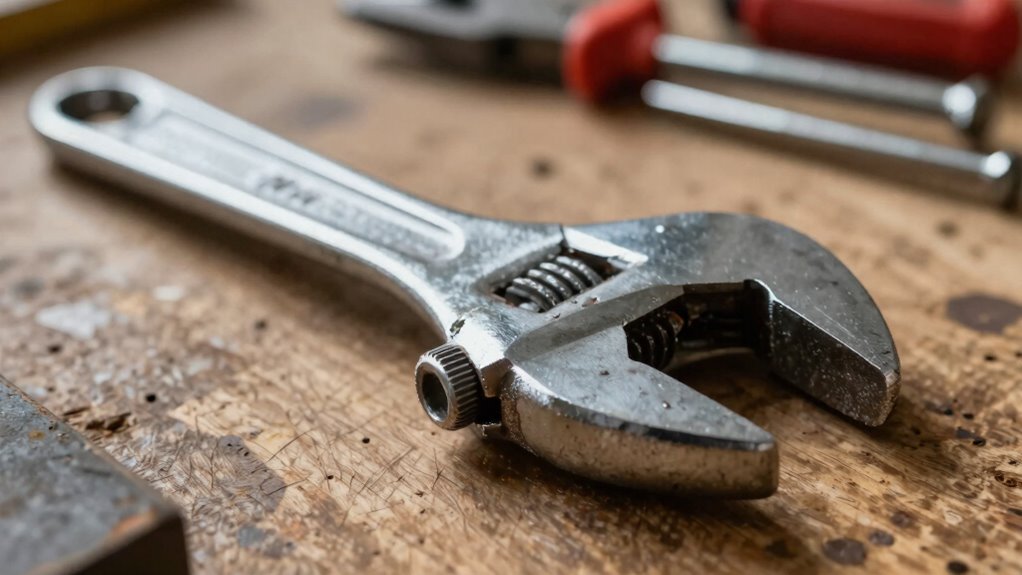

Adjustable wrenches are perfect when you need versatility, allowing you to handle various sizes without switching tools, saving time and effort. They work best with high-quality materials and ergonomic designs that reduce fatigue and improve control. However, if the adjustment mechanism is flimsy or made from cheap materials, you could face slips, damage, or injury. To avoid trouble, choose a durable, well-designed wrench—stick around to learn how to pick the best one for your needs.

Get business pricing on tools and workshop supplies
- Business-only prices and quantity discounts
- Tax-exempt purchasing
- Multiple users, one account, clear invoices
Key Takeaways
- Adjustable wrenches are ideal for versatile tasks but may struggle with high torque or tight spaces.
- High-quality models with durable materials and smooth adjustment mechanisms ensure better performance and safety.
- Poorly designed or cheap wrenches can slip, strip nuts, or cause injury during critical tasks.
- Proper maintenance and ergonomic design extend lifespan and reduce user fatigue.
- They excel in convenience but are not suitable for heavy-duty or precision applications.
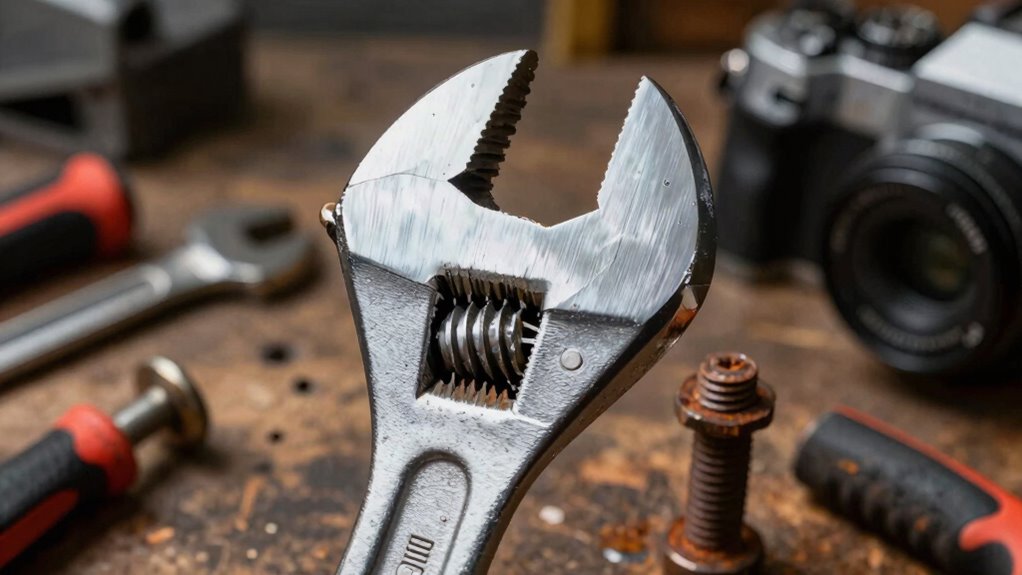
Adjustable wrenches are versatile tools that can handle a wide range of tasks, making them a go-to choice for both DIY enthusiasts and professionals. Their adaptability allows you to work with different sizes of nuts and bolts without switching tools, saving time and effort. However, to get the most out of an adjustable wrench, you need to pay attention to its ergonomic design and material durability. An ergonomic design ensures that the wrench fits comfortably in your hand, reducing fatigue during prolonged use and giving you better control. When you’re working on tight or awkward spaces, a wrench with a well-designed grip prevents slipping and enhances safety. Material durability is equally essential because it determines how long your wrench will last under regular use. A high-quality adjustable wrench made from durable steel or alloy can withstand the torque you apply without bending or breaking, making it a reliable addition to your toolkit.
That said, adjustable wrenches aren’t always perfect. While their flexibility is a major advantage, it can also be a drawback if the adjustment mechanism isn’t sturdy or smooth. If the screw mechanism is flimsy or prone to slipping, you’ll struggle to get a tight fit, risking damage to fasteners or slipping that could cause injury. You might find that cheaper models with inferior material durability wear out quickly, rust, or lose their ability to hold an accurate grip over time. This can lead to frustration, especially when you’re working on critical projects that require precision. Using an adjustable wrench for tasks that require significant torque can also be tricky. If the jaw doesn’t grip securely or the adjustment is not firm enough, the tool can slip or round off the corners of nuts and bolts. This problem is compounded if the wrench’s material quality isn’t durable enough to handle the pressure. In such cases, you might be better off with a fixed-size wrench or a different tool altogether. Additionally, paying attention to tool ergonomics can also improve your handling and reduce fatigue during extended use. Proper maintenance and understanding tool maintenance can further extend the lifespan of your adjustable wrench. Furthermore, selecting a wrench with reliable adjustment mechanisms can help prevent slipping and improve overall safety.
Products Worth Considering

Coway Airmega 250 Air Purifier for Large Rooms

eufy E25 Robot Vacuum and Mop Combo with HydroJet Roller Mop

Samsung 85 M80H Series Mini LED 4K Smart TV (2026)
As an affiliate, we earn on qualifying purchases.
Frequently Asked Questions
Are Adjustable Wrenches Suitable for Precision Work?
Adjustable wrenches aren’t ideal for precision tasks or delicate fittings because they lack the fine control you need for such work. Their adjustable jaws can slip or cause damage when handling small, sensitive components. For precision and delicate fittings, you should use specialized tools like needle-nose pliers or precision screwdrivers. These tools give you better accuracy, minimizing the risk of damaging delicate parts during your work.
How Do I Prevent Damage When Using Adjustable Wrenches?
Think of your adjustable wrench as a delicate dance partner—treat it with care. To prevent damage, avoid common user mistakes like over-tightening or using it on surfaces beyond its capacity. Use proper grip techniques by snugly fitting the wrench to the fastener without forcing it. Regularly check the jaw alignment and keep it clean. These steps guarantee your tool stays in top shape and your work remains damage-free.
What Materials Are Best for Durable Adjustable Wrenches?
For durable adjustable wrenches, you want tools made from high-quality materials like chrome vanadium steel or stainless steel, known for their strength and corrosion resistance. Look for good manufacturing quality, guaranteeing precise jaw adjustment and sturdy construction. These materials withstand frequent use and prevent damage, giving you reliability over time. Investing in a wrench with solid material composition and excellent manufacturing quality ensures it remains functional and durable even under demanding conditions.
Can Adjustable Wrenches Replace Fixed-Size Wrenches Entirely?
Adjustable wrenches can replace fixed-size wrenches in many tasks due to their versatility, but they might not always be ideal. You’ll find that tool ergonomics matter; adjustable wrenches offer convenience, but sometimes a fixed wrench provides better grip and control for precise work. While they’re versatile, for specialized or high-torque jobs, sticking with fixed-size wrenches guarantees safety and efficiency, making them a valuable complement rather than a complete replacement.
How Should I Maintain and Store My Adjustable Wrench?
To keep your adjustable wrench in top shape, regularly clean it with a cloth and apply a light oil to prevent rust. Store it in a dedicated storage solution, like a toolbox or pegboard, to avoid damage. Make sure the ergonomic grip stays clean and dry for safety and comfort. Proper maintenance and organized storage help your wrench last longer and perform better whenever you need it.
Conclusion
Just like a trusty adjustable wrench can tighten or loosen with precision, knowing its limits saves you from frustration. I once used mine on a stubborn bolt, only to realize I’d over-tightened, risking damage. It’s a reminder that, in tools and life, flexibility is great—but only if you understand when to adapt and when to stick to what’s tried-and-true. Master the balance, and your projects—and patience—will thank you.