
Choosing the right mallet is key for precise, efficient work in woodworking, assembly, or delicate adjustments. Consider the material—wood, rubber, or fiberglass—based on whether you need gentle contact or more force. Pay attention to ergonomic features like comfortable grips and handle length for better control and less fatigue. Good construction and balance boost your accuracy and durability. If you keep exploring, you’ll find even more tips to improve your craftsmanship and select the perfect mallet for your projects.

Get business pricing on tools and workshop supplies
- Business-only prices and quantity discounts
- Tax-exempt purchasing
- Multiple users, one account, clear invoices
Key Takeaways
- Choose mallet materials based on task delicacy, with wood for gentle work, rubber for finished surfaces, and fiberglass for durability.
- Prioritize ergonomic handle designs with comfortable grips, appropriate length, and shock absorption for reduced fatigue and better control.
- Ensure mallet construction is solid and well-balanced to enhance stability, control, and craftsmanship quality.
- Opt for eco-friendly, sustainable mallets made from renewable materials to support environmental conservation.
- Selecting the right mallet improves work precision, reduces material damage, boosts efficiency, and enhances overall woodworking experience.
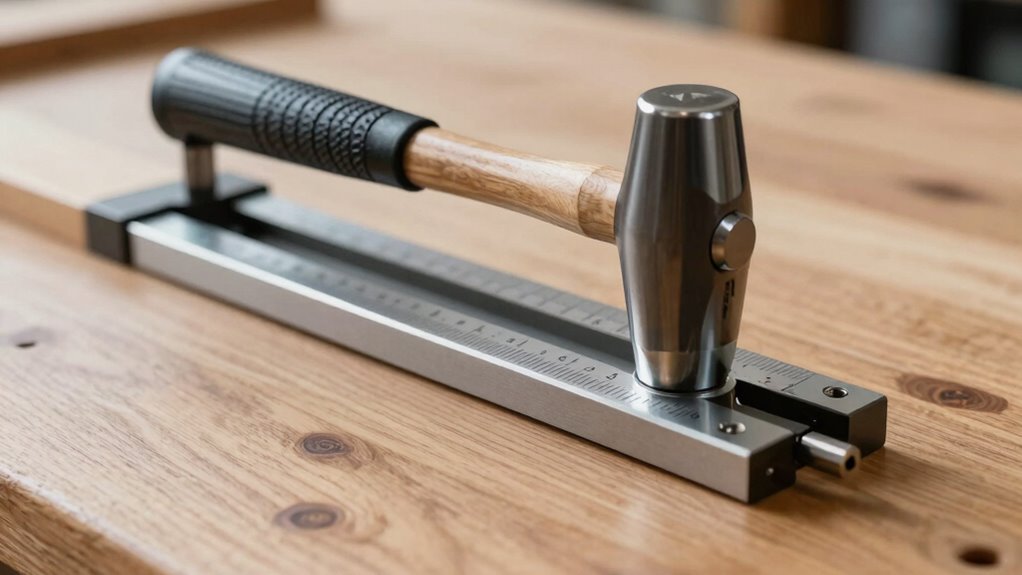
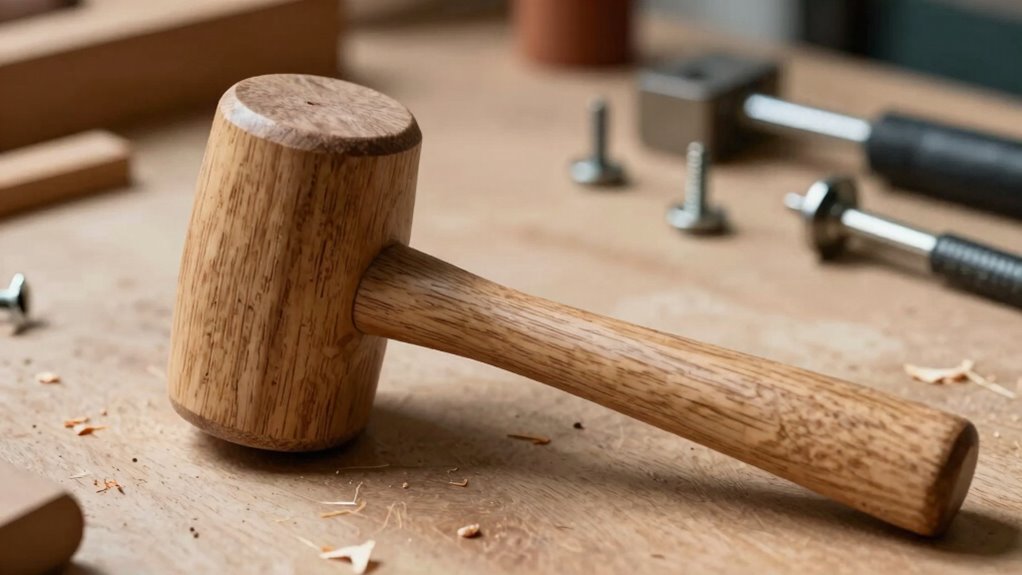
A mallet is an essential tool for woodworking, assembly, and delicate adjustments because it provides controlled force without damaging your materials. Choosing the right mallet starts with understanding the importance of mallet material. The material influences not only durability but also how the mallet interacts with your workpiece. For instance, a wooden mallet, typically made from hardwoods like hickory or maple, offers a softer impact that reduces the risk of marring delicate surfaces. Rubber mallets, on the other hand, are excellent for tasks that require a gentler touch, such as assembling joints or working with finished surfaces. Fiberglass or composite mallets tend to be more durable and can absorb shocks better, making them suitable for heavier tasks without transferring excessive force to your workpiece. When selecting a mallet material, consider the specific application: softer materials for delicate work and harder ones for more forceful tasks.
Equally important is the ergonomic design of the mallet, which directly impacts your comfort and efficiency during use. An ergonomic mallet features a handle that fits comfortably in your hand, reducing fatigue during extended use. Look for designs with a contoured grip or textured surface to prevent slipping, especially when your hands are sweaty or oily. The handle length also matters; a longer handle delivers more leverage, perfect for tasks requiring more force, while a shorter handle provides better control for precise adjustments. Some ergonomic mallets incorporate shock-absorbing features, like a rubber or cushioned grip, to lessen vibrations that can cause discomfort or strain over time. Proper weight distribution is another critical aspect; a well-balanced mallet allows you to deliver force accurately without exerting unnecessary effort, making your work more precise and less tiring. Additionally, selecting a mallet with eco-friendly materials can help reduce your environmental impact and promote sustainable practices.
In addition to material and ergonomic design, pay attention to the mallet’s overall construction. A solid, well-assembled mallet reduces the risk of the head loosening or breaking during use. When you hold the mallet, you should feel a sense of balance and comfort, which allows for better control and less fatigue. Whether you’re working on fine woodworking projects, assembling furniture, or making delicate adjustments, the right mallet enhances your craftsmanship by offering the perfect combination of material resilience and ergonomic comfort. Additionally, understanding biodiversity can inspire you to choose environmentally sustainable tools and practices that minimize ecological impact. Moreover, selecting tools made from renewable materials can further align your woodworking practices with eco-friendly principles. Investing in a quality mallet that considers sustainable manufacturing practices can also contribute to reducing your environmental footprint. Ultimately, investing in a quality mallet tailored to your specific needs helps you work more efficiently, with less risk of damaging your materials, and makes your woodworking experience more enjoyable.
As an affiliate, we earn on qualifying purchases.
Frequently Asked Questions
What Types of Wood Are Best Suited for Mallets?
You should choose hardwoods like maple, hickory, or oak for mallets, as they offer a good balance of hardness levels and dense wood grain. These woods resist denting and splitting, providing durability and strength for woodworking tasks. Avoid soft woods like pine, which can damage easily. Selecting for tight, straight grain ensures your mallet remains sturdy and less prone to splitting, making your work safer and more precise.
How Do I Prevent My Mallet From Damaging Delicate Surfaces?
To prevent your mallet from damaging delicate surfaces, you should use protective padding like rubber or felt on the mallet’s head. This surface safeguarding technique cushions impacts and reduces the risk of dents or scratches. Also, avoid striking directly on fragile materials. Instead, gently position the mallet and apply controlled force. Regularly inspect your padding and replace it when worn to maintain effective surface safeguarding.
Can I Customize My Mallet for Specific Tasks?
Yes, you can customize your mallet for specific tasks by choosing the right mallet material and ergonomic design. Select softer woods or rubber heads to prevent damage on delicate surfaces. You can also modify the handle for better grip or balance, making it more comfortable for precise work. Customizing your mallet guarantees it functions at its best for your woodworking needs, reducing fatigue and improving control.
What Safety Precautions Should I Take When Using a Mallet?
When using a mallet, you should always wear protective gear like safety glasses to shield your eyes from flying debris. Make sure your mallet has an ergonomic grip to reduce strain and improve control. Keep your hands clear of the striking area, and work in a well-lit, stable environment. Always check the mallet’s head for damage before use, and avoid excessive force to prevent accidents or injury.
How Often Should I Replace or Maintain My Mallet?
When it comes to mallet longevity, you should follow a consistent maintenance schedule and replace it when signs of wear appear. Keep an eye on the head for cracks or chips, and make sure the handle stays secure. A mallet is like a trusted tool; if it’s become loose or damaged, it’s time to swap it out. Regular upkeep keeps your tool in top shape and prevents accidents.
As an affiliate, we earn on qualifying purchases.
Conclusion
A well-chosen mallet can make all the difference in your woodworking projects, especially for delicate adjustments and assembly. Did you know that using the right mallet decreases damage to your workpiece by up to 60%? This statistic highlights how essential proper tools are for precision and safety. By selecting the correct mallet and knowing how to use it, you’ll improve your craftsmanship and ensure your projects turn out just as you envision them.
As an affiliate, we earn on qualifying purchases.
As an affiliate, we earn on qualifying purchases.
Fall yard work Picks
leaf blowers
As an affiliate, we earn on qualifying purchases.