TL;DR
A gardening writer who tested Stihl ASA 20 cordless pruners reported making more than 700 cuts in just over 30 minutes, with less hand fatigue than manual pruning. The tools may suit people with large pruning jobs or limited grip strength, but their higher price, added weight, charging needs and cutting hazards make them a less obvious buy for occasional use.
A gardening writer who tested Stihl ASA 20 cordless pruners reported making more than 700 cuts in just over 30 minutes, illustrating why battery-powered shears may appeal to people with large pruning jobs. The writer said the tool reduced hand strain, but also noted that cordless models cost more than manual pruners, weigh more and require charging.

Get business pricing on tools and workshop supplies
- Business-only prices and quantity discounts
- Tax-exempt purchasing
- Multiple users, one account, clear invoices
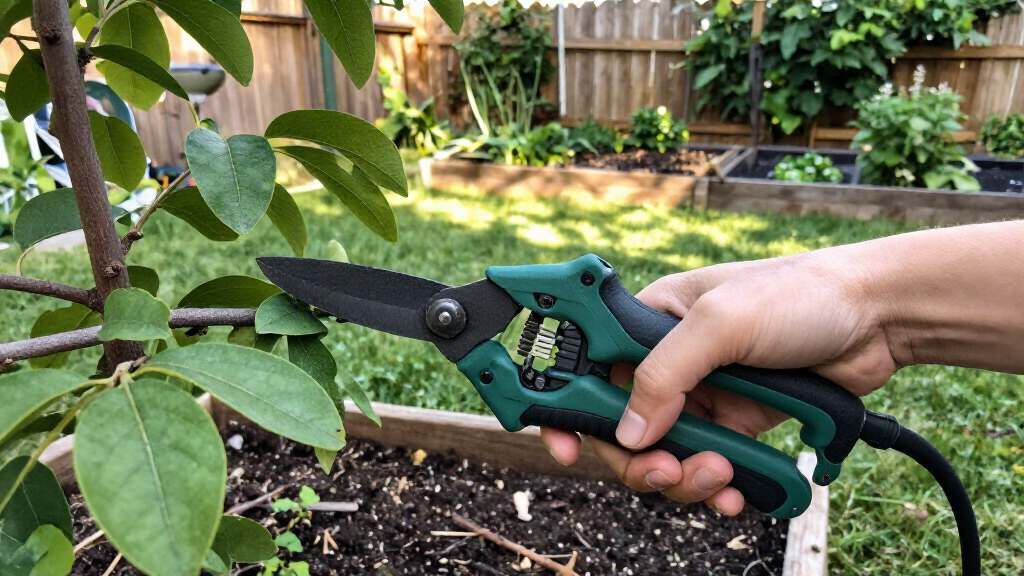
The tested pruners use a motorized blade activated by a trigger, removing the repeated squeezing action required by manual shears. The writer said the tool cut through a large pile of stems quickly and consistently, and that the session caused no hand discomfort despite the writer’s reported joint issues in colder weather. That is a personal account, not a controlled comparison of tools or a guarantee of the same experience for other users.
The source lists several models with different capacities and battery claims. The Worx Nitro WG330 is described as cutting branches up to 1 inch in diameter and includes a battery and charger. The Fanttik Y10 Pro is listed with a 25-millimeter cutting capacity and manufacturer-stated totals of more than 800 branches or 3,000 flower stems per charge. The Craftsman V20 is listed with a 1¼-inch capacity and up to 900 cuts per charge. These figures come from the supplied product information and were not independently verified in the source.
Price and availability vary. The writer said the tested Stihl model was not available in the United States and cost the equivalent of more than $200. By comparison, the source cited a Felco F2 manual pruner priced at $64 in a Black Friday promotion. It also described a similar Worx model as 36% off in that sale; the source does not give the sale date, so that discount should not be treated as current.
Are Cordless Pruners Worth It? Match power to the pruning job
Cordless pruners can ease repetitive cutting, but their price, weight, charging needs and safety risks matter. The right choice depends on how much you prune.
When powered pruning may pay off
Frequent, high-volume cutting makes reduced hand squeezing more useful.
Many stems to cut
Fruit trees, extensive rose beds and large shrub collections can mean hours of repetitive work.
Less repeated squeezing
The tester reported less fatigue and no hand discomfort in one session; others may have different results.
Manual may suit better
For small gardens, a lighter manual pruner avoids the added cost and need to charge.
Compare the stated cutting capacity
Product figures come from the supplied information and were not independently verified.
| Model | Listed capacity or claim | Battery details |
|---|---|---|
| Worx Nitro WG330 | Branches up to 1 inch | Battery and charger included |
| Fanttik Y10 Pro | 25 mm; manufacturer claims more than 800 branches or 3,000 flower stems per charge | Runtime varies with material |
| Craftsman V20 | 1¼-inch; up to 900 cuts per charge | Listed cut count is a product claim |
What powered pruning changes
A motor and battery operate the blade by trigger, replacing repeated hand pressure with powered cutting.
- Less expensive in the cited comparison
- Lighter and ready without charging
- Require repeated squeezing
- Can reduce repeated hand effort
- Add weight and battery charging
- Cost more and need careful handling
Check before you buy
Match the tool and battery to your usual pruning, then account for safe operation.
- Compare cutting capacity with the branches you routinely prune.
- Check weight, included charger, replacement-battery availability and warranty.
- Do not assume advertised cut counts will match your material or session.
- Keep fingers away from the trigger until ready to cut; follow operating and charging instructions.
Who Benefits From Powered Pruning
The clearest case for cordless pruners is repetitive, high-volume cutting: fruit trees, extensive rose beds or large shrub collections can require many hours of work. Reducing repeated hand pressure may also help some gardeners with limited grip strength or joint problems, though the test account does not establish a medical benefit or show that every user will experience less pain.
For a small garden or occasional trimming, the added expense and weight may outweigh the time saved. A manual tool does not depend on a battery, and the source describes modern conventional pruners as lighter and easier to use than older designs. The practical decision is less about whether one tool is universally better and more about how much pruning a gardener does, their comfort with the tool and their budget.
Products Worth Considering

Dyson V9 Motorbar Cordless Vacuum

Ring Battery Doorbell Plus (2nd Gen) and Spotlight Cam Plus Battery Bundle

Dyson Airwrap i.d. Multi-Styler with Bluetooth Connectivity
As an affiliate, we earn on qualifying purchases.
From Manual Shears to Motors
Pruning tools have developed through improvements in blade sharpness, handle design, cushioning and lighter materials. Cordless models add a motor and battery to that familiar hand tool, so a trigger operates the cutting action instead of the user supplying the force through repeated squeezes.
The writer compared the powered tool with long-term use of Felco F2 manual shears, which the writer said had served for more than a decade. The account also draws on the writer’s past decade as a professional gardener and current pruning at home. One example offered was a walled garden with more than 100 espalier fruit trees, where powered shears could reduce the effort involved in annual pruning. That example explains the appeal for large-scale work, but does not represent every garden or establish a measured time saving across different settings.
““I made over 700 cuts in little over 30 minutes””
— Gardening writer and cordless-pruner tester
What the Test Does Not Show
The source provides one writer’s experience, not a controlled test across brands, garden types or users. It does not give a consistent manual-pruner comparison for cutting speed, fatigue, battery life or total cost of ownership. The listed battery cut counts are product claims in the source, and actual runtime may vary with the type and density of material being cut.
It is also unclear how long batteries will last before their capacity declines, how much replacement batteries cost, and whether the named sale prices or discounts remain available. The source identifies the Stihl ASA 20 as unavailable in the United States but does not provide current regional availability for all listed alternatives.
Match the Tool to the Job
Gardeners considering a purchase can compare the tool’s stated cutting capacity with the branches they routinely prune, then check the included battery and charger, replacement-battery availability, weight and warranty. Because runtime depends on the material being cut, a battery’s advertised cut count should not be assumed to represent every pruning session.
Anyone using powered pruners should keep fingers away from the trigger until ready to cut and follow the manufacturer’s operating and charging instructions. The source does not identify a pending product launch or further test results; for now, the practical next step is weighing the convenience of reduced squeezing against the price, extra weight and need to keep the battery charged.
Key Questions
Are cordless pruners worth buying?
They may be worth the cost for gardeners who regularly make large numbers of cuts or want to reduce repeated hand squeezing. For occasional pruning, a manual pair may be lighter, less expensive and ready to use without charging.
Do cordless pruners reduce hand strain?
The tester reported less fatigue and no hand discomfort during one session, despite joint issues. That is an individual account; results can differ, and the source does not provide a controlled study or medical evidence.
How many cuts can cordless pruners make per charge?
It depends on the model and the material being cut. The supplied source lists manufacturer claims of up to 900 cuts for the Craftsman V20 and more than 800 branches for the Fanttik Y10 Pro, but says harder wood and denser growth can reduce runtime.
What are the main drawbacks?
The source identifies higher cost, greater weight, charging requirements and possible battery degradation. It also warns that the powered blade can cause serious injury if activated carelessly.
Source: homesandgardens.com