
If you notice water pooling or soggy ground in your yard, it’s a sign of poor drainage that can damage your landscape and foundation. Standing water that lingers after rain, unusual soil erosion, or changes in terrain also signal drainage problems. Clogged gutters and overflowing downspouts worsen these issues, leading to erosion and ponding. Poor soil quality and compacted areas further impact water absorption. Ignoring these warnings can result in costly repairs and landscape loss—keep going to discover how to address these issues effectively.

Get business pricing on tools and workshop supplies
- Business-only prices and quantity discounts
- Tax-exempt purchasing
- Multiple users, one account, clear invoices
Key Takeaways
- Persistent puddles or pooling after rain indicate drainage issues that can damage your landscape and foundation.
- Standing water lasting more than a couple of days promotes pests and mold growth, risking health problems.
- Changes in terrain or soil erosion create low spots that trap water and worsen drainage problems.
- Overflowing gutters and downspouts cause yard pooling and foundation damage if not properly maintained.
- Soggy, compacted soil signals poor absorption, requiring testing and amendments to prevent erosion and promote healthy plants.
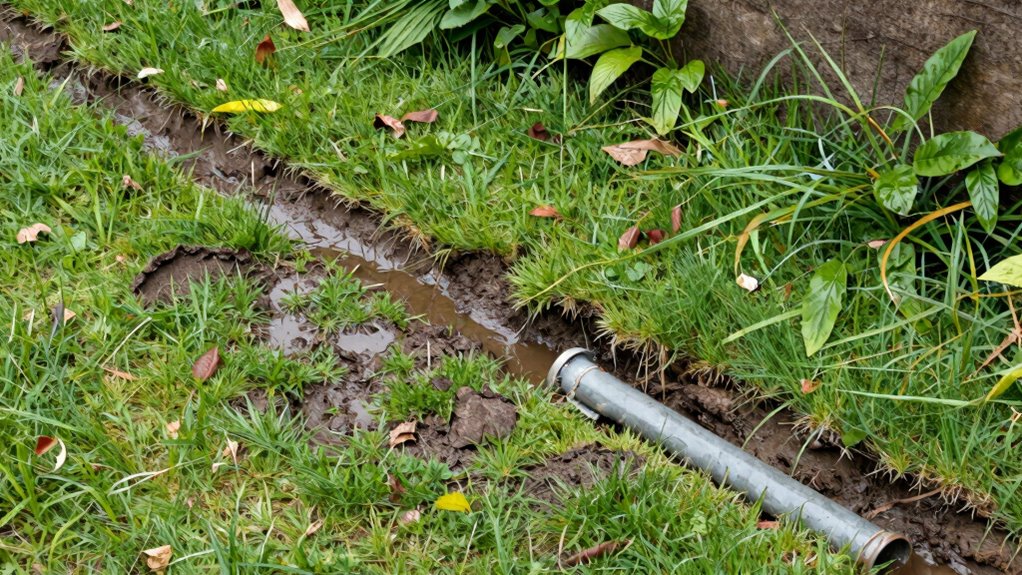
Have you noticed water pooling or the ground becoming soggy in your backyard? If so, it’s a clear sign that something isn’t right with your drainage system. Water that doesn’t drain properly can cause serious issues over time, including damage to your landscape and even your home’s foundation. One of the main concerns with poor backyard drainage is the disruption of stormwater management. When excess rainwater isn’t directed away efficiently, it collects and creates puddles, which can lead to soil erosion. Soil erosion happens when the topsoil is washed away, leaving your yard vulnerable to uneven ground and further drainage problems. Ignoring these signs can result in costly repairs and a significant decline in your outdoor space’s health and appearance.
Water pooling signals drainage issues that can damage your yard and home if left unaddressed.
Another warning sign to watch for is the presence of standing water after a rainstorm. If water lingers for more than a day or two, it indicates that your yard isn’t absorbing or redirecting rainfall as it should. This standing water can breed pests like mosquitoes and promote the growth of mold and mildew, which can impact your family’s health. Persistent soggy spots also suggest that your soil’s natural ability to absorb water has been compromised, often due to compaction or poor soil quality. These issues can worsen if not addressed, leading to increased soil erosion and further destabilizing your yard’s landscape. Additionally, soil quality plays a crucial role in effective drainage and water absorption. Regular soil testing and amendments can help improve soil permeability and overall drainage efficiency. Improving your soil’s structure can also help prevent future issues and support healthier plant growth.
You should also pay attention to unusual changes in your yard’s slope or terrain. If the ground seems to be shifting or developing new low spots, it could be a result of ongoing soil erosion caused by inadequate stormwater management. These changes not only affect the visual appeal of your yard but can also create new drainage issues, trapping water in unwanted areas. Over time, this can result in more extensive erosion and damage, making it harder and more expensive to restore your yard’s stability. Being proactive with yard grading can help maintain proper slope and prevent water from pooling in problematic areas.
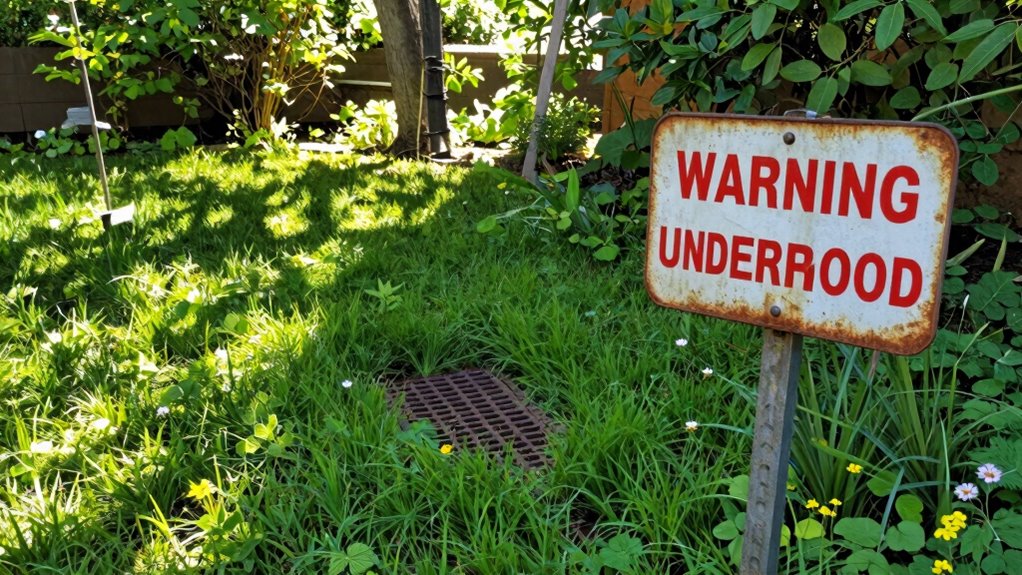
Finally, keep an eye on the condition of your gutters and downspouts. If they are clogged or improperly directed, rainwater can overflow and accumulate in your yard instead of flowing away. Properly functioning gutters are vital for effective stormwater management, helping prevent pooling and erosion. If you notice signs like water cascading near your foundation or pooling in your yard during rain, it’s a clear indication that your drainage system needs attention. Addressing these warning signs early can save you money, protect your landscape, and make sure your backyard remains a safe and pleasant space.
Products Worth Considering

eufy Security eufyCam C37 4-Camera Kit with 360° Pan and Tilt

eufy Security Essential Alarm System, 7-Piece, No Monthly Fee

Sonos Era 100 SL Compact Microphone-Free Speaker, White
As an affiliate, we earn on qualifying purchases.
Frequently Asked Questions
How Often Should I Inspect My Backyard Drainage System?
You should inspect your backyard drainage system at least twice a year, ideally in early spring and fall. Check your rain garden and french drain for clogs, standing water, or erosion. After heavy rains, inspect more frequently to guarantee everything’s functioning properly. Regular inspections help prevent flooding, pooling, and damage. Keep an eye on your drainage features to maintain a healthy, well-drained yard and catch issues early before they worsen.
Can Poor Drainage Affect My Property Value?
Poor drainage can hit your property’s value hard, like a crack in a dam. Soil erosion and foundation damage are silent thieves, gradually weakening your yard’s stability. When water doesn’t drain properly, it fosters these issues, making your landscape less appealing and risking costly repairs. Buyers see these signs and might walk away, so maintaining good drainage isn’t just practical—it’s essential for protecting your investment’s worth.
What Are the Long-Term Consequences of Ignoring Drainage Issues?
Ignoring drainage issues can lead to long-term problems like soil erosion and plant damage. Over time, poor drainage causes water to pool, weakening soil structure and washing away topsoil. This erosion harms your landscaping and can destabilize your yard. Additionally, excess moisture damages plants, making them more susceptible to disease and death. If you neglect these signs, you’ll face costly repairs, reduced curb appeal, and a less healthy yard overall.
Are There DIY Solutions for Minor Drainage Problems?
Yes, you can try DIY solutions for minor drainage problems. Installing a rain garden helps absorb excess water naturally, while a French drain redirects water away from problem areas. Digging trenches and lining them with gravel before adding a perforated pipe can improve drainage. These simple projects are cost-effective and manageable, but make sure you research proper installation techniques to avoid unintended damage or ineffective results.
When Should I Call a Professional for Drainage Repairs?
You should call a professional for drainage repairs when you notice persistent problems despite DIY efforts, especially if your drainage system shows signs of failure like constant flooding or foul odors. Regular drainage system maintenance can prevent emergencies, but if issues escalate, emergency repair readiness becomes essential. Professionals have the expertise and tools to address major problems efficiently, ensuring your yard stays dry and safe. Don’t delay if problems worsen or recur frequently.
Conclusion
Ignoring backyard drainage issues is like neglecting a leaky faucet—eventually, it’ll flood your life with more trouble than you bargained for. Don’t be that homeowner who waits until your yard turns into a swamp before taking action. Pay attention to those warning signs; they’re the universe’s way of saying, “Hey, fix me before I turn your lovely yard into a soggy disaster zone.” Better to be proactive than wade through water you could’ve stopped.