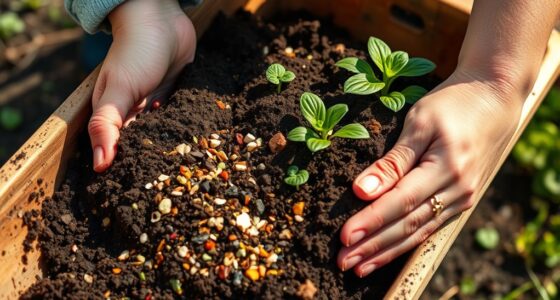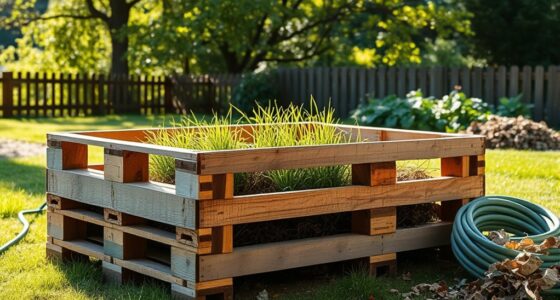

Horticulture therapy involves designing gardens that promote your mental, emotional, and physical well-being by thoughtfully integrating plants and natural elements. You can create spaces with fragrant herbs, colorful flowers, and textures that stimulate your senses. Incorporating quiet zones and accessible paths helps you find calm and balance. By understanding how garden design influences mood and health, you’ll discover ways to craft environments that truly support your overall wellness. Keep exploring to learn more about transforming outdoor spaces into healing environments.
Key Takeaways
- Incorporate sensory-stimulating plants like fragrant herbs and colorful flowers to promote mental engagement and emotional comfort.
- Design dedicated quiet spaces for reflection, meditation, and restorative activities to enhance relaxation and mindfulness.
- Ensure accessibility for all users by including pathways, seating, and adaptable features to support diverse mobility needs.
- Use natural materials and soft lighting to create a calming environment that fosters stress reduction and emotional well-being.
- Integrate indoor plants and community gardens to encourage social connection, physical activity, and holistic healing through horticulture.

Have you ever considered how working with plants can boost your mental and physical well-being? Engaging with greenery isn’t just about aesthetic pleasure; it’s a powerful way to improve your overall health. Whether you’re nurturing indoor plants or participating in community gardens, you actively connect with nature, which can reduce stress, enhance mood, and even boost your immune system. Indoor plants, in particular, offer a convenient way to bring nature inside your living space. They improve air quality, creating a healthier environment, and their presence can calm your mind after a hectic day. You might add succulents to your desk or a lush fern in your living room, knowing that these small touches of nature can make a significant difference in your mental clarity and emotional resilience.
Connecting with indoor plants can boost your mood, reduce stress, and improve your overall health.
Community gardens take this connection further by involving you in a shared outdoor space dedicated to planting and cultivating. When you work with others in these gardens, you’re not only growing food or flowers but also building social bonds that contribute to your sense of belonging. The act of tending plants in a community setting fosters a sense of purpose and accomplishment, which is essential for mental health. Plus, community gardening encourages physical activity, whether digging, planting, or watering, making it a natural form of gentle exercise. It’s a chance to reconnect with the earth, learn new skills, and enjoy the therapeutic benefits of working outdoors.
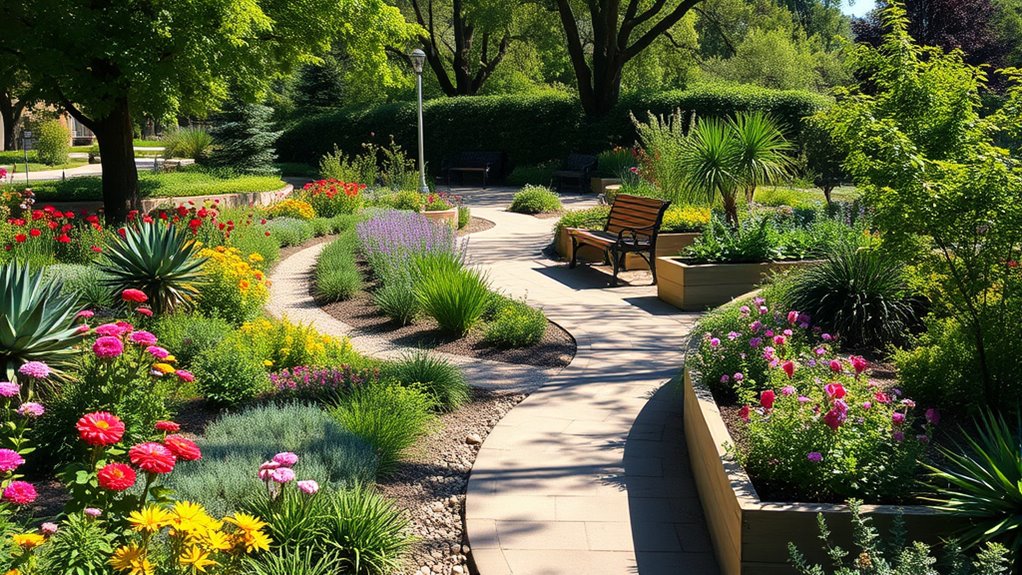
Designing gardens specifically for well-being involves thoughtful planning to maximize their healing potential. Incorporate a variety of plants that appeal to your senses—fragrant herbs, colorful flowers, or textured foliage—to stimulate your senses and promote mindfulness. Creating dedicated spaces for quiet reflection or meditation allows you to find calm amid your busy life. Accessibility is also key; designing gardens that are easy to navigate ensures everyone can participate, regardless of mobility. Using natural materials and soft lighting enhances the soothing atmosphere, making the garden a sanctuary for relaxation and mental rejuvenation. Exploring Horticulture Therapy can provide further insights into how these practices benefit your health and well-being.
In essence, integrating indoor plants and community gardens into your environment can profoundly impact your well-being. They serve as living tools for stress relief, social connection, and physical activity. With intentional garden design, you create spaces that nurture your mental health and foster a sense of community. Whether you tend to a few potted plants or join a local community garden, you engage in a therapeutic process that grounds you and revitalizes your body and mind. This holistic approach to horticulture therapy helps you cultivate not just plants, but also a healthier, more balanced life.
As an affiliate, we earn on qualifying purchases.
Frequently Asked Questions
How Do I Start a Horticulture Therapy Garden at Home?
Start your horticulture therapy garden by planning a simple garden layout that suits your space and needs. Choose calming, sensory-stimulating plants like lavender, mint, and succulents for easy care and relaxation. Incorporate different textures and colors to enhance sensory experiences. Keep accessibility in mind, ensuring pathways are clear. With thoughtful plant selection and a well-organized layout, you’ll create a soothing space that supports your well-being and encourages mindful gardening.
What Plant Species Are Best for Therapeutic Gardens?
Think of your garden as a sensory symphony, where plant choices hit all the right notes. Native plants and aromatic herbs are your best allies—they thrive naturally and engage the senses. Consider lavender, chamomile, and mint for their soothing scents, along with purple coneflowers and black-eyed Susans for visual appeal. These plants foster calm and connection, making your garden a restorative sanctuary.
How Can I Measure the Mental Health Benefits of Gardening?
You can measure the mental health benefits of gardening by tracking improvements in emotional well-being and stress reduction. Use self-assessment tools like mood surveys or stress scales before and after gardening activities. Additionally, observe behavioral changes, such as increased social interaction or decreased anxiety. Regular journaling about your feelings and stress levels can also provide insight into how gardening positively impacts your mental health over time.
Are There Specific Garden Designs That Enhance Therapeutic Effects?
You should consider incorporating sensory gardens and contemplative spaces into your garden design to enhance therapeutic effects. Sensory gardens engage the senses with fragrant plants, textured foliage, and soothing sounds, promoting relaxation. Contemplative spaces encourage mindfulness and reflection, reducing stress. By combining these elements, you create an environment that nurtures mental well-being, helping visitors connect with nature and experience calming, restorative benefits more deeply.
What Training Is Required to Become a Horticulture Therapy Practitioner?
Imagine stepping into a garden where your skills bloom like vibrant flowers. To become a horticulture therapy practitioner, you need to pursue certification pathways through accredited programs, blending classroom learning with hands-on practical experience. This journey nurtures your understanding of plant care and therapeutic techniques, helping you grow into a skilled guide who cultivates well-being in others. Your dedication and training will turn your passion into a healing art.
sensory garden plants for wellness
As an affiliate, we earn on qualifying purchases.
As an affiliate, we earn on qualifying purchases.
Conclusion
So, step into the serenity of thoughtfully designed gardens and seize the soothing benefits of horticulture therapy. By blending beauty with purpose, you create a calming space that cultivates confidence, comfort, and connection. Let your love for landscapes lead you to transform your environment into a healing haven. Remember, with mindful planting and purposeful planning, you foster not just flowers, but feelings of fulfillment, freedom, and fresh beginnings. Your garden’s gift awaits—go grow greatness today.
accessible garden pathways and seating
As an affiliate, we earn on qualifying purchases.
As an affiliate, we earn on qualifying purchases.
As an affiliate, we earn on qualifying purchases.