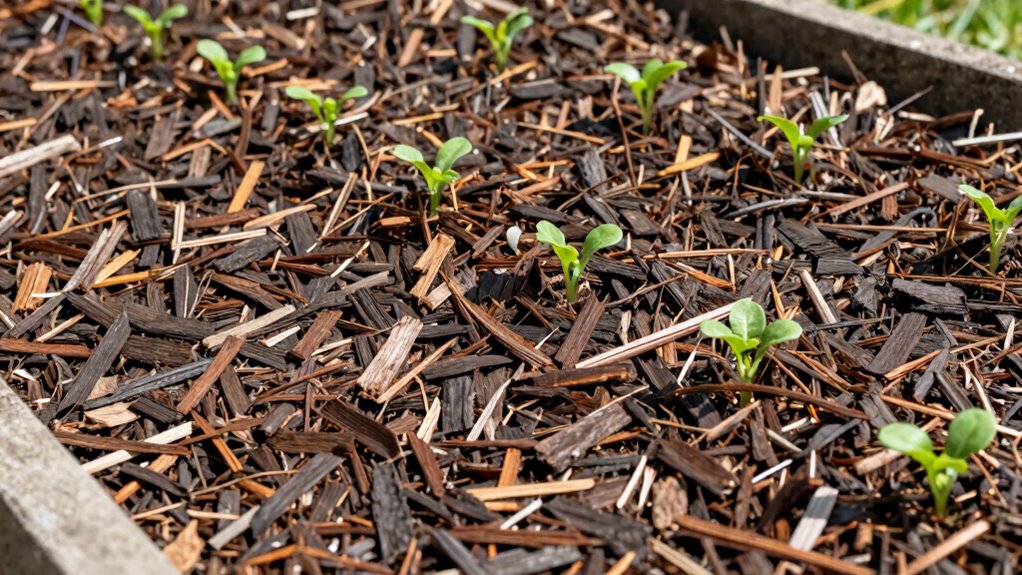

To keep your beds looking tidy and weed-free for months, apply mulch when the soil has warmed up and the weather is stable. Don’t mulch too early, as it can trap moisture and slow plant growth, or too late, which allows weeds to establish. The key is timing it just after planting and once soil temperature increases, ensuring your garden stays neat and healthy long-term. Keep exploring to discover more tips for perfect mulching.

Get business pricing on tools and workshop supplies
- Business-only prices and quantity discounts
- Tax-exempt purchasing
- Multiple users, one account, clear invoices
Key Takeaways
- Apply mulch after soil warms up and the risk of frost or heavy rain has passed.
- Mulch promptly after planting to suppress weeds and improve bed appearance.
- Avoid mulching too early, which can trap moisture and cause soil erosion.
- Monitor soil temperature and weather conditions for optimal mulching timing.
- Consistent, well-timed mulching keeps beds tidy and weed-free for months.
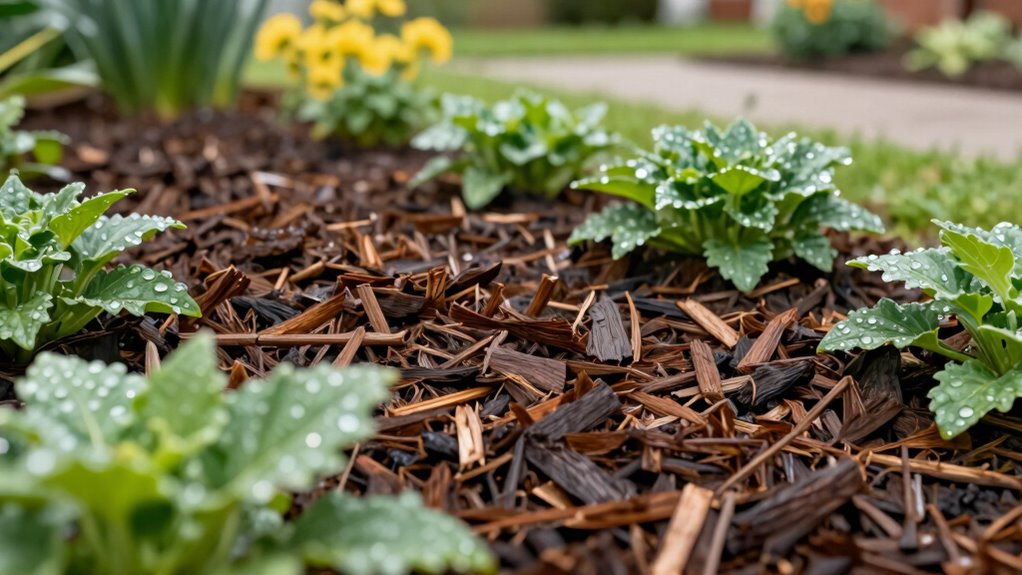
Have you ever wondered when the best time to mulch your garden is? The right timing can transform your beds, keeping them healthier and more attractive for months. Mulching too early or too late can lead to problems like soil erosion or weed growth, but knowing the ideal moment helps you avoid these issues. The key is to mulch once the soil has warmed up and the threat of heavy rain or frost has passed. This timing allows mulch to do its job effectively, providing a protective layer that prevents soil erosion, especially during storms or heavy rains. When mulch is applied too early, before the soil warms, it can trap moisture and slow down plant growth. Conversely, if you wait too long, weeds may become established, making your job harder and undermining your goal of a tidy, healthy garden bed.
Applying mulch at the right time also enhances weed suppression. When you mulch promptly after planting or early in the season, it blocks sunlight from reaching weed seeds, preventing them from germinating. This reduces the need for herbicides or manual weeding later on. Mulching too late, on the other hand, allows weeds to take root and flourish, making your garden look unruly and forcing you to spend more time and effort controlling them. The ideal moment is shortly after planting or early in the growing season, once your plants are established enough to compete with weeds but before they’ve had a chance to take over.
Timing your mulch application properly also helps maintain soil health by preventing erosion. When mulch is laid down after heavy rains or windstorms, it stabilizes the soil surface, reducing runoff and keeping nutrients in place. This is especially important on slopes or exposed beds where soil erosion can quickly degrade the quality of your garden. By applying mulch when the weather is stable and the soil is warm, you give it a chance to settle and integrate into the soil structure, offering long-term benefits. Additionally, understanding soil temperature and moisture levels can help you determine the optimal time for mulch application, further enhancing its effectiveness. Monitoring soil moisture levels can also prevent overwatering and improve overall plant health. Recognizing climatic conditions that influence soil health can further optimize your mulching schedule for sustained garden vitality.
Products Worth Considering

Levoit Core 400S-P Smart Air Purifier for Large Rooms

Shark IY143H Cordless Pet Stick Vacuum

Levoit Core 600S-P Smart Air Purifier for Large Rooms
As an affiliate, we earn on qualifying purchases.
Frequently Asked Questions
Can Mulch Be Applied During Rainy Weather?
Yes, you can apply mulch during rainy weather, but it’s best to wait until the rain lessens. Wet conditions can cause mulch to become compacted and uneven, which affects its appearance and effectiveness. When applying, consider the mulch color and whether you’re using organic or synthetic mulch. Organic mulch benefits from proper installation during dry periods, while synthetic options are less affected by rain, maintaining their look longer.
How Often Should I Reapply Mulch for Best Results?
You should reapply mulch every 1-2 years, keeping your beds vibrant and tidy. Imagine mulch color fading like a sunset; when it turns dull or patchy, it’s time for a refresh. Organic mulches, like wood chips, decompose faster, needing reapplication sooner, while inorganic options last longer. Regularly topping off your mulch maintains moisture, suppresses weeds, and keeps your garden looking fresh and inviting.
Is There a Specific Mulch Type That Lasts Longer?
Yes, there are specific mulch types that last longer. Inorganic mulches, like rubber or landscape fabrics, tend to retain their mulch color longer and don’t decompose, making them more durable. Organic mulches, such as wood chips or bark, break down over time, requiring more frequent reapplication. If you want longevity, choose inorganic mulches for consistent appearance and less maintenance, but if you prefer natural benefits, organic options are better despite needing more upkeep.
How Deep Should Mulch Be Spread for Optimal Effect?
You should spread mulch about 2-3 inches deep for the best results. This mulch thickness helps conserve soil moisture, keeping your plants healthy and thriving. Too thin, and it won’t protect roots effectively; too thick, and it can hinder water penetration. When you get the mulch layer just right, you’ll notice your beds stay moist longer, stay weed-free, and look consistently attractive, almost like a coincidence of perfect gardening.
Can Mulch Prevent Weed Growth Effectively?
Yes, mulch can effectively prevent weed growth by blocking sunlight and suppressing weed seeds. It also helps reduce soil erosion and maintains moisture retention, creating an unfavorable environment for weeds. When you apply mulch properly, it forms a barrier that keeps weeds from sprouting, while also protecting your soil and plants. Regularly rejuvenating the mulch layer ensures ongoing weed control and the benefits of soil erosion prevention and moisture retention.
Conclusion
By following this mulch timing rule, you’re gently guiding your garden’s appearance toward a more harmonious, enduring beauty. Think of it as tending a delicate tapestry—each layer carefully placed, creating a lush, inviting canvas that lasts for months. When you give your beds this thoughtful touch, you’re not just protecting your plants; you’re setting the stage for a vibrant, effortless display that whispers of care and patience, making your garden a true masterpiece to enjoy.