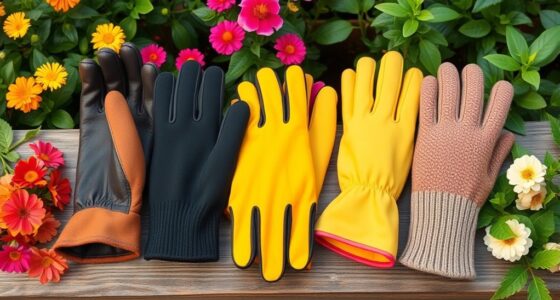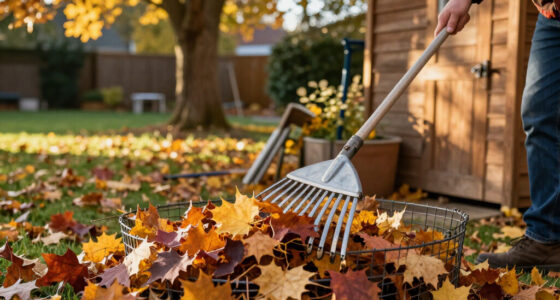
To build a better tool routine for hedge, tree, and shrub care, start by regularly inspecting, cleaning, and sharpening your tools after each use. Keep your equipment organized in a dedicated, labeled storage area and make sure all safety measures are followed. Schedule weekly maintenance and always use the proper tools for each task. Keeping your tools in top shape makes your work safer and more efficient—learn how to fine-tune your routine for maximum results.

Get business pricing on tools and workshop supplies
- Business-only prices and quantity discounts
- Tax-exempt purchasing
- Multiple users, one account, clear invoices
Key Takeaways
- Schedule regular inspection, cleaning, and sharpening to maintain tool efficiency and safety.
- Keep tools organized in a labeled, dedicated storage space for quick access and protection.
- Use protective gear and safety checks before each use to prevent accidents and injuries.
- Carry a small toolkit with essential maintenance supplies for on-the-spot repairs.
- Incorporate safety and maintenance routines into your gardening schedule for consistency and longevity.
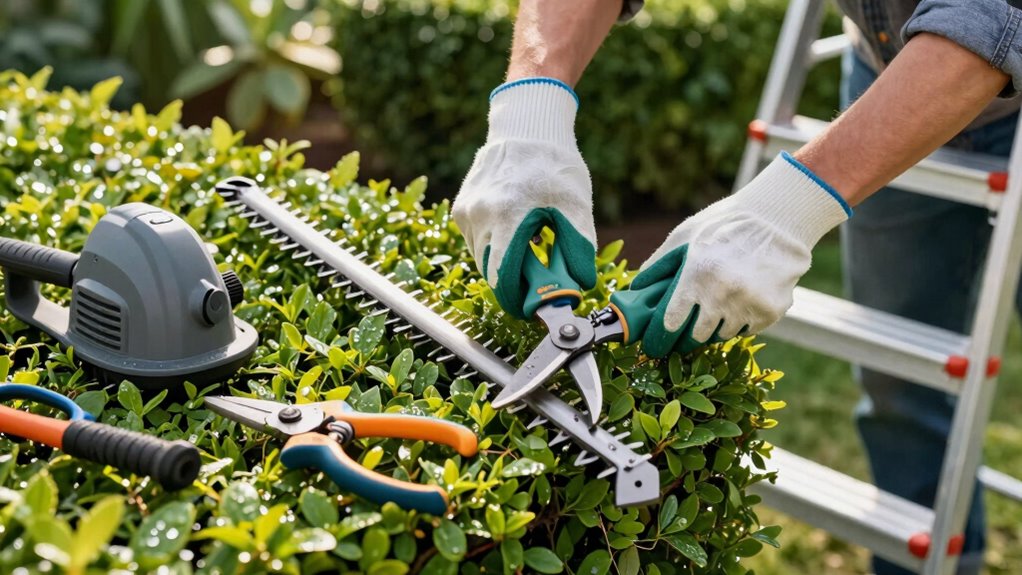
Maintaining healthy hedges, trees, and shrubs requires more than just occasional trimming; it demands a well-planned tool routine. To keep your tools in top shape, you need to focus on tool maintenance. Regularly cleaning your pruning shears, saws, and trimmers prevents rust and keeps them sharp. Use a wire brush or a damp cloth to remove sap, dirt, and debris after each use. Sharpen blades periodically with a file or sharpening stone—dull blades cause uneven cuts and stress your plants. Additionally, oil moving parts to guarantee smooth operation and prevent rust. Proper tool maintenance not only extends the lifespan of your equipment but also improves your efficiency and safety during gardening tasks.
Regular cleaning, sharpening, and oiling extend tool life and ensure safe, efficient gardening.
Safety precautions play an essential role in building an effective tool routine. Always wear protective gear, like gloves and safety glasses, when handling tools. Before starting, inspect each tool for damage—bent blades, loose handles, or rust can compromise safety. Never force a tool that’s malfunctioning; instead, repair or replace it. When storing tools, keep them in a dry, secure place to avoid accidents and corrosion. Using the right tool for the job is also a safety measure—using a pruning saw when necessary reduces strain and prevents slips. Be mindful of your surroundings, especially when working on tall trees or heavy shrubs, to avoid accidents caused by falling branches or tools slipping. Incorporating preventive maintenance practices helps identify potential issues early and keeps your tools in optimal condition.
Developing a consistent tool routine involves setting aside time for regular inspection, cleaning, and sharpening. Schedule tool maintenance after each use or at least weekly, depending on your gardening frequency. Keep a dedicated toolbox or storage area organized with labels so you can quickly find the right tool when needed. Carrying a small toolkit with essential items like extra blades, oil, and cleaning supplies ensures you’re prepared for any task. When trimming or pruning, make sure your tools are sharp and well-maintained—dull tools lead to jagged cuts that can weaken plants and invite disease. Remember, practicing good safety precautions minimizes the risk of injury and guarantees your tools perform at their best.
A well-established tool routine isn’t just about maintaining equipment; it’s about safeguarding yourself and your plants. By dedicating time to tool maintenance and adhering to safety precautions, you streamline your hedge, tree, and shrub care, making it more effective, enjoyable, and safe.
Products Worth Considering

LEVOIT Vital 100S-P Smart Air Purifier with Washable Pre-Filter

Shark Navigator Robot Vacuum with 30-Day Self-Empty Base, White (AV2110S)

Samsung 42-Inch S90H OLED 4K Smart TV Bundle
As an affiliate, we earn on qualifying purchases.
Frequently Asked Questions
How Often Should I Sharpen My Pruning Tools?
You should sharpen your pruning tools every 3 to 4 uses or whenever they start to feel dull. Regular tool maintenance, including a consistent sharpening schedule, keeps your tools effective and prevents damage to plants. Inspect blades often for nicks or rust, and sharpen them promptly. This routine ensures clean cuts, promotes healthy growth, and extends the life of your tools, making gardening safer and more efficient.
What Safety Gear Is Recommended for Hedge Trimming?
You’d think safety gear is optional when trimming hedges, but don’t be fooled. Protect yourself with sturdy protective gloves to prevent cuts and irritation, and always wear eye protection to guard against flying debris. It’s tempting to skip these, but the risks outweigh the inconvenience. Safety gear keeps you safe, confident, and ready to tackle those stubborn branches without regret. Remember, your eyes and hands deserve the best protection.
How Do I Prevent Rust on My Gardening Tools?
To prevent rust on your gardening tools, you should focus on rust prevention and regular tool maintenance. After each use, clean off dirt and moisture, then dry thoroughly. Apply a light coat of oil or WD-40 to metal parts to create a protective barrier. Store tools in a dry, sheltered place, and periodically check for signs of rust, addressing any early spots with steel wool or rust remover to keep your tools in top shape.
Can I Use the Same Tools for Trees and Shrubs?
Yes, you can use the same tools for trees and shrubs, but proper tool maintenance is key. Keep tools sharp, clean, and rust-free between uses to maintain equipment versatility and prevent cross-contamination of pests or diseases. Use different blades or covers if needed, and always sanitize tools after handling different plant types. This way, your tools stay effective, and your plants stay healthy.
What Is the Best Way to Store Gardening Tools?
To store gardening tools effectively, prioritize tool organization and choose the right storage solutions. Hang tools on a sturdy wall rack or pegboard to keep them accessible and prevent clutter. Use labeled bins or drawers for smaller items like gloves and pruning shears. Regularly clean and dry tools before storage to prevent rust. By maintaining organized storage solutions, you guarantee your tools stay in top shape and ready for your next gardening session.
Conclusion
When you develop a consistent tool routine, you’re not just maintaining your landscape—you’re building a relationship with your tools. Think of it like tuning a musical instrument; regular care guarantees peak performance and longevity. Some say a well-maintained tool is like a trusted partner that makes every cut cleaner and easier. So, take the time to care for your tools, and you’ll find your gardening tasks become more enjoyable and less of a chore.