
TL;DR
A gardening guide recommends cleaning, inspecting and sharpening commonly used garden blades before winter storage, so tools are ready for spring and damage is found early. It covers pruners, loppers, hedge shears and mower blades, including mower safety steps and when a damaged blade should be replaced or professionally serviced.
A seasonal garden-tool guide advises gardeners to clean, inspect and sharpen blades before winter storage, covering pruners, loppers, hedge shears and lawn mower blades. The maintenance can identify summer damage before tools are needed again and, according to the guide, help blades make cleaner cuts and move through soil with less effort.

Get business pricing on tools and workshop supplies
- Business-only prices and quantity discounts
- Tax-exempt purchasing
- Multiple users, one account, clear invoices
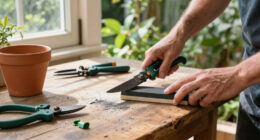
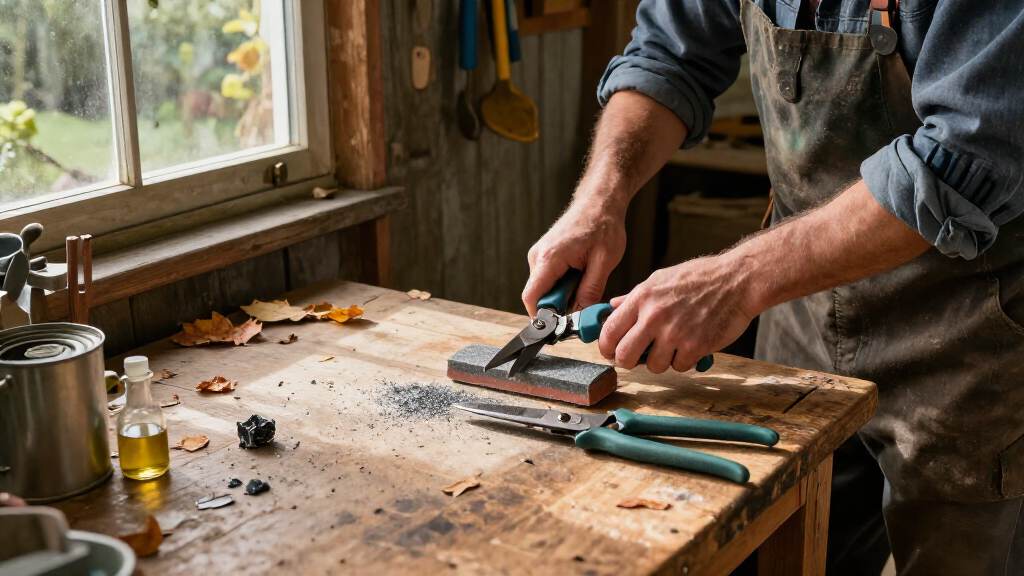
For bypass pruners, the guide says to sharpen only the slanted bevel on the cutting blade, keeping the opposite flat face flat. Draw a file or sharpening stone along the bevel at the tool’s original angle, moving toward the cutting edge. A light pass on the flat side can remove the burr left by filing. For anvil pruners, sharpen both beveled sides of the cutting blade evenly so its edge meets the anvil across its length.
Clean loppers before sharpening so sap and grit do not obscure chips or clog a file. The guide recommends using the same bevel-and-burr approach as for pruners. Small nicks may be filed out, but a badly damaged blade may be better replaced with a manufacturer’s part than ground down extensively. For hedge shears, secure one blade at a time and follow its original bevel from pivot to tip. Check how the blades meet afterward; a loose pivot can be tightened, while binding may call for loosening it. Gaping tips can point to a bent blade.
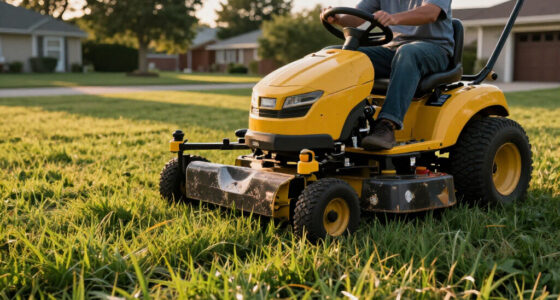
Lawn mower blades require extra precautions: disconnect the mower from its power source before removing the blade. For a gas mower, disconnect the spark-plug wire; for a cordless model, remove the battery; for an electric mower, unplug it. Wear cut-resistant gloves and eye protection, secure the removed blade, and sharpen its outer three to four inches on each cutting edge. Finish by checking balance. If one end drops, remove a little more material from that side and check again. A bent or cracked blade, or one that will not balance, should go to a repair shop, the guide says.
Sharpen garden blades before winter storage
Clean and inspect tools before putting them away. Find damage early so serviceable blades are ready for spring.
Four blades, different methods
Follow each tool’s original edge shape and check for damage before sharpening.
Keep the bevel
For bypass pruners, sharpen the cutting blade’s bevel and keep its flat face flat. Anvil pruners need both beveled sides sharpened evenly.
Clean, then inspect
Remove sap and grit first. File small nicks; replace a badly damaged blade rather than grinding it down extensively.
Support each blade
Secure one blade at a time and follow its bevel from pivot to tip. Check blade alignment and pivot tension afterward.
Sharpen and balance
Sharpen both cutting edges, then check balance. A bent, cracked or unbalanced blade needs repair-shop service.
Make mower work safe
Isolate the power source before removing the blade.
Gas: disconnect the spark-plug wire. Cordless: remove the battery. Electric: unplug the mower.
Wear cut-resistant gloves and eye protection, and secure the removed blade.
If one end drops, remove a little material from that side and check again.
Inspect before storing
Late fall is a chance to catch issues before tools are needed again.
- Clean sap and grit
- Look for rust, nicks and loose fasteners
- Sharpen serviceable blades at their original bevel
- Take bent or cracked mower blades to a repair shop
- Get service if a mower blade will not balance
- Check manufacturer instructions for severe damage or disassembly
Why Winter Blade Care Matters
Completing maintenance before tools are stored can spare gardeners from discovering a blunt or damaged blade when spring work is already underway. The guide links sharp blades with cleaner cuts on plants and less effort when pushing hoes or spades through soil. Those are practical benefits, not a guarantee of particular plant or lawn results.
Inspection is also a chance to find rust, nicks, loose fasteners and alignment problems while there is time to address them. A damaged mower blade has an additional consequence: if it is out of balance, vibration can affect the mower as it spins. The guide advises repairing or replacing badly damaged equipment rather than continuing to file away material.
Products Worth Considering

Levoit Core 400S-P Smart Air Purifier for Large Rooms up to 1718 ft²

Dyson Cyclone V10 Origin Cordless Vacuum

Shark AV2501S AI Ultra Robot Vacuum with Matrix Clean and Self-Empty Base
As an affiliate, we earn on qualifying purchases.
A Check Before Spring Use
The source material presents this as seasonal maintenance guidance, not as a report of a new product launch, safety rule or official announcement. Its recommended timing is after garden beds have been cleared and before tools are put away for winter. The aim is to have equipment ready for its next use rather than defer inspection until the start of the following gardening season.
Its instructions differ by tool because the blade shapes and cutting actions differ. Bypass pruners have a beveled cutting blade that passes a hook; anvil pruners close against a flat surface. Hedge shears have longer edges that need support during filing, while mower blades must be removed, sharpened on both ends and balanced. The source recommends keeping to the original bevel angle rather than reshaping an edge.
Limits of the Maintenance Advice
The source is a general how-to guide and does not provide independent test results measuring how much sharpening improves plant health, lawn appearance or tool life. Its benefits are presented as practical guidance rather than quantified findings. It also does not specify model-specific procedures for taking apart tools or removing mower blades.
Tools vary, and the guide does not establish whether every blade can safely be sharpened at home. It advises repair-shop service for mower blades that are bent, cracked or unable to balance after filing. For other equipment, owners should check the manufacturer’s instructions when damage is severe or disassembly is needed.
Inspect Before Storing Tools
Before putting equipment away, gardeners can clean away sap and grit, check cutting edges and fasteners, and sharpen serviceable blades at their original angles. Mower blades should be disconnected, removed and balanced only after the mower’s power source has been isolated; damaged blades should be taken to a repair shop or replaced as appropriate.
The next milestone is the tools’ return to use in spring. The guide does not announce a follow-up date or new development; it offers steps readers can apply during late-fall maintenance and recommends addressing defects before storage rather than waiting until a tool is needed.
Key Questions
Which garden tools does the guide cover?
It gives sharpening guidance for pruning shears, loppers, hedge shears and lawn mower blades. It does not provide a sharpening method for every garden tool.
Which part of a bypass pruner should be sharpened?
Sharpen the beveled side of the cutting blade at its original angle. Keep the flat side flat, using only a light pass if needed to remove a burr.
What safety steps are needed for a mower blade?
Disconnect the mower from its power source before removing the blade: disconnect the spark-plug wire on a gas mower, remove the battery on a cordless mower, or unplug an electric mower. Wear cut-resistant gloves and eye protection, secure the blade, and check its balance after sharpening.
When should a mower blade go to a repair shop?
The guide recommends repair-shop service if the blade is bent, cracked or still will not balance after filing. It does not provide model-specific repair instructions.
Source: gardeningknowhow.com