TL;DR
A cordless drill set typically includes a drill driver, rechargeable battery, charger, and bits, though some kits add a second battery or impact driver. Choose 12V for light tasks, an 18V/20V-class drill driver for general home projects, and a hammer drill for occasional masonry; check the battery platform and kit contents before you buy.
The drill set with the biggest number on its box may still be the wrong one for your home. If you mostly assemble shelves, a compact drill that feels light in your hand can beat a heavy kit built for demanding jobs.

Get business pricing on tools and workshop supplies
- Business-only prices and quantity discounts
- Tax-exempt purchasing
- Multiple users, one account, clear invoices
This guide explains what a cordless drill set typically includes, how drill types differ, and what battery, torque, and accessory details mean in real use. You’ll be able to match a set to your projects, avoid paying for features you won’t use, and spot the kit details that matter after the first charge.
Think of buying a drill set like choosing shoes for a long walk: power matters, but comfort, fit, and the job ahead matter too. Your first project might be a wobbly kitchen cabinet; your next could involve brick, screws, or a day of work far from an outlet.
A drill driver, hammer drill, and impact driver serve different jobs; choose based on your regular materials and tasks.
A 12V drill often suits light home work, while an 18V/20V-class drill driver commonly fits general improvement projects.
Amp-hours indicate likely runtime, not drill power, and a larger battery can add weight.
Check exact battery compatibility, charger, case, battery count, and bit types before comparing kit prices.
Secure the workpiece, wear eye protection, and use a licensed professional for electrical, gas, structural, or roof work.
Know What You’re Getting Before You Buy a Drill Set
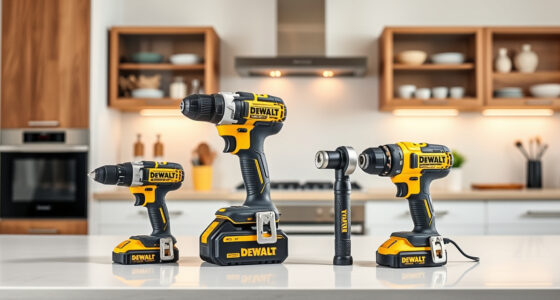
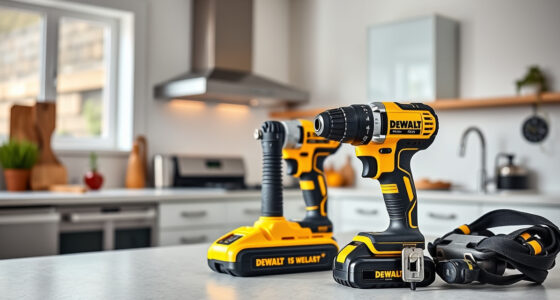
A cordless drill set typically includes a drill driver, a rechargeable battery, a charger, and a selection of bits or accessories. Many sets also include a second battery, a case, or an impact driver, so two boxes with similar names can offer very different value.
Imagine opening a kit to hang curtain rods and finding a drill, one battery, a charger, and a thin row of starter bits. That may cover the job, but a second battery helps if you have several rooms to finish, and a sturdy case keeps the chuck and charger from rattling around in a garage drawer.
Read the kit contents line by line. Check the number and capacity of batteries, the listed charger, whether the case is included, and which accessories come in the box. A large assortment of bits can look generous, but the bits may not suit the materials you use most.
- One battery: often enough for occasional repairs, with charging breaks between longer tasks.
- Two batteries: useful for extended work because one can charge while you use the other.
- Combo kit: may pair a drill with an impact driver for drilling and frequent fastening.
For example, assembling one bookcase might take less time than choosing from a big accessory pack. For a weekend of fitting shelves across the house, battery capacity and a convenient case become much more noticeable.
Products Worth Considering

Samsung 55-Inch M70H Series 4K HDR Mini-LED Smart TV with HDMI Cable and 12-Month CPS Warranty

Roborock Qrevo S Pro Robot Vacuum and Mop with 18,500 Pa Suction

Coway Mighty Air Purifier AP-1512HH(W), White
As an affiliate, we earn on qualifying purchases.
Pick the Drill Type That Fits Your Next Project
A drill driver handles ordinary drilling and screwdriving, a hammer drill adds a striking action for occasional masonry holes, and an impact driver is built to drive fasteners with repeated rotational impacts. Each tool has a different feel, and the right choice depends on what you plan to do most often.
Picture three jobs: assembling a pine bookcase, drilling a hole for a wall plug in brick, and driving a long screw into a deck board. A drill driver is the general-purpose choice for the bookcase. A hammer drill can help with the brick, while an impact driver often makes the long screw feel easier and faster to drive.
A hammer drill is useful for lighter, occasional masonry work, but it does not replace a rotary hammer for frequent or heavy concrete drilling. If your project involves repeated holes in hard concrete, choose a rotary hammer suited to that workload or hire a qualified professional when the work calls for it.
A cordless drill set might include only a drill driver, or it might bundle a drill with an impact driver. That pair saves time if you switch often between drilling pilot holes and driving screws. For a small home that sees occasional furniture assembly, the combo may sit unused; for building a large deck, it can be a practical upgrade.
Choose a Battery Platform You’ll Want to Keep
Battery platform matters because the batteries in a cordless drill set may also power other tools in the same manufacturer’s product line. A set that joins a platform you already own can save money, but you should check compatibility for the exact product line and battery generation.
For example, if you already own a compatible saw and work light, a bare drill or a smaller kit may be all you need. If this is your first cordless tool, think about future purchases: the same platform could later power a sander, garden tool, or impact driver, depending on the brand’s range.
Most current sets use lithium-ion batteries. A 12V drill is often compact and convenient for light work, while an 18V/20V maximum class commonly serves general home improvement. Those voltage labels describe broad platform categories; by themselves, they don’t tell you exactly how powerful a specific drill will feel.
Battery capacity, measured in amp-hours (Ah), helps indicate how long a battery may run before it needs charging. A higher Ah rating can add runtime, but it can also add weight and cost. If you spend an afternoon drilling overhead, a smaller, lighter battery may feel better; if you’re building a fence, a larger battery or a second one can reduce interruptions.
Understand Torque, Speed, and Control Before Driving Screws
Torque describes twisting force, variable speed helps you match the drill to the task, and a clutch limits how far a screw keeps turning. These controls matter because a drill that runs too fast can strip a screw head, splinter wood, or drive a screw below the surface.
Consider fitting a soft pine cabinet door. Start slowly and use a lower clutch setting so the screw seats neatly without disappearing into the wood. For drilling a clean pilot hole in a board, a faster gear may work better; two-speed gearboxes usually offer a slower range for control and a faster range for drilling.
Manufacturers commonly state torque in newton-metres or inch-pounds. Higher figures can help with demanding fastening, but brands may measure and report torque differently, so a number alone is a shaky way to compare tools. Balance the specification with how the drill handles, the clutch settings, and the jobs you expect to do.
Try the tool in your hand if you can. A comfortable grip, balanced body, accessible direction switch, and easy-to-turn chuck can make a bigger difference than a dramatic torque figure when you’re mounting six curtain brackets. Use the drill’s control settings to suit the material, and test a new setting on scrap wood before working on a visible surface.
Compare the Kit Details You’ll Notice Every Weekend
The best kit balances weight, runtime, charging, and comfort for the way you work. A brushless motor can improve efficiency and durability compared with a brushed design, but it often costs more, and the advantage depends on the tool and how heavily you use it.
Imagine drilling pilot holes for a row of shelves above shoulder height. A lighter drill with a well-placed work light can reduce fatigue and help you see your pencil marks. If you’re driving screws through thick timber all afternoon, a second battery and a charger that keeps pace may matter more than the light.
Look at the chuck, grip, belt hook, work light, charger, and case along with the motor label. Included bits vary in quality and range; a starter pack may not contain the right masonry bit or longer driver bit for your project. Treat accessories as a bonus until you’ve checked the actual sizes and types.
Recent product generations often feature compact designs, brushless motors, battery management, and platforms shared across multiple tools. Some ranges add connected features or electronic controls, but most household users can focus on choosing a comfortable tool and a compatible battery system. Model specifications, prices, and kit contents change, so check the current product listing before you buy.
Match the Set to Your Home and Work Safely
Match the set to the material and frequency of your projects: compact 12V tools often suit light repairs, 18V/20V-class drill drivers suit general home improvement, and hammer drills help with occasional masonry. If you’re unsure, list your next three jobs and choose for the most demanding one you’ll realistically do.
Here’s a practical example: assembling flat-pack furniture, installing a timber shelf, and hanging a mirror in brick call for different things. A drill driver covers the furniture and timber; a suitable masonry bit and hammer drill may help with the brick. If the wall is concrete and you have many holes to make, a rotary hammer may suit the task better.
- Write down your next three projects and note whether they involve wood, metal, masonry, or repeated screwdriving.
- Choose the tool type that fits the hardest regular job, not the most ambitious project you might do once.
- Compare batteries and accessories by count, Ah rating, charger, and compatibility with tools you own.
- Check the fit and controls in your hand, including the clutch, speed switch, chuck, and work light.
Before drilling, secure the workpiece, use the correct bit, and wear eye protection. Keep loose clothing and jewelry away from rotating parts, and follow the manufacturer’s instructions for charging and storing batteries. For electrical, gas, structural, or roof work, use a licensed professional and follow relevant safety and permit requirements; switch power off where applicable and use appropriate PPE.
Frequently Asked Questions
Is a 12V drill powerful enough for home use?
For furniture assembly, light repairs, and many small drilling jobs, a compact 12V drill can be enough. If you regularly work with larger fasteners or take on broad home improvement projects, compare 18V/20V-class options too.
What is the difference between 18V and 20V Max?
These labels describe broad battery platform classes, and the stated voltage convention can differ between product lines. Compare the specific drill, battery capacity, and manufacturer’s compatibility information instead of assuming the label alone predicts performance.
What does battery amp-hour (Ah) mean?
Amp-hours indicate battery capacity and help describe how long it may run between charges. Ah does not directly measure drill power, and higher-capacity batteries often weigh more.
Do I need a hammer drill for brick or concrete?
A hammer drill can help with occasional holes in masonry when paired with the right bit. For frequent, heavy concrete drilling, a rotary hammer is usually better suited to the workload.
Are batteries interchangeable between brands?
Usually, batteries work within a specific manufacturer’s compatible platform, but you should verify the exact product line and model. Don’t assume two batteries fit just because they carry the same brand name.
Conclusion
Choose your cordless drill set by naming the jobs it needs to handle, then check the tool type, battery platform, and kit contents against that list. For many homes, a comfortable drill driver with a compatible battery and charger beats an oversized bundle of bits you’ll never touch.
Keep the right bit nearby, set the clutch with a little care, and your next shelf should sit straight without a stripped screw or a pile of unused kit parts.