This guide walks beginners through choosing, using, and caring for a cordless drill set. By following these steps, you will gain confidence to handle common drilling and screwing tasks safely and effectively. Whether assembling furniture, hanging shelves, or doing small repairs, mastering the cordless drill is a valuable skill that takes minimal time to learn.

Get business pricing on tools and workshop supplies
- Business-only prices and quantity discounts
- Tax-exempt purchasing
- Multiple users, one account, clear invoices
Difficulty: Beginner | Time: 30-60 minutes
What You’ll Need
Tools & Materials:
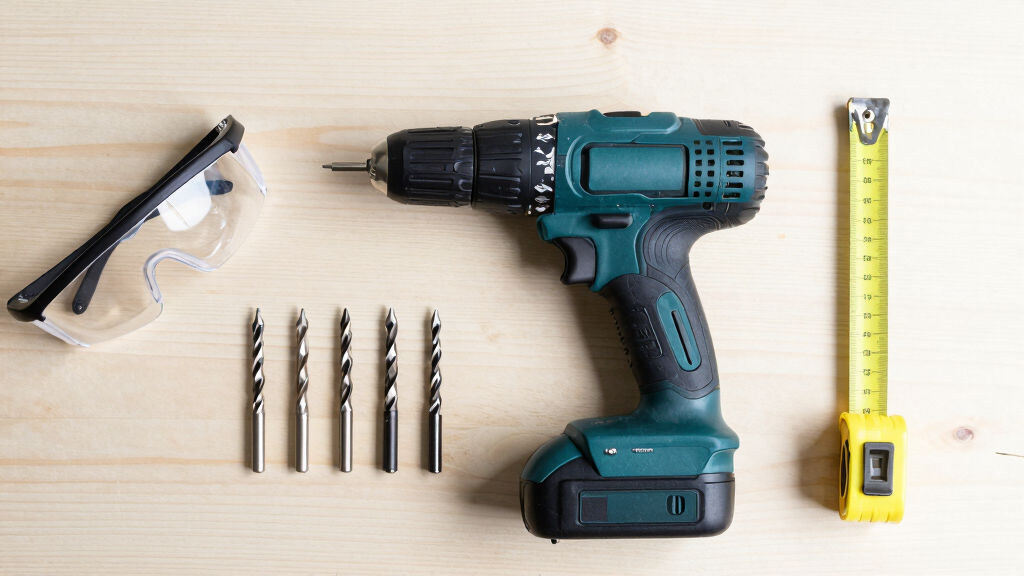
- Cordless drill set with charger and batteries
- A set of drill and screwdriver bits
- Safety glasses
- Measuring tape
- Pencil
Knowledge:
- Basic understanding of hand tools
- Ability to read safety warnings
Charge the drill batteries fully before starting. Select a drill bit suitable for your material and task.
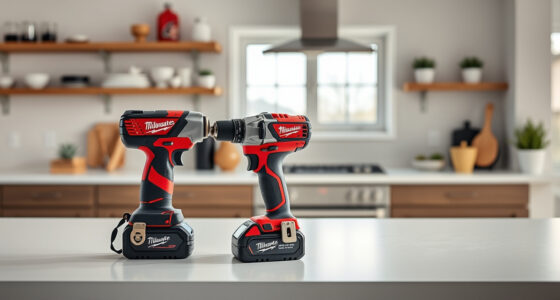
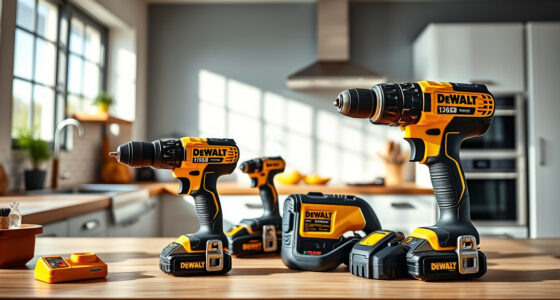
cordless drill set for beginners with charger
As an affiliate, we earn on qualifying purchases.
As an affiliate, we earn on qualifying purchases.
Before You Start
Ensure your workspace is clean and well-lit. Wear safety glasses to protect your eyes from debris. Confirm the drill batteries are fully charged to avoid interruptions during use.
best drill bits for wood metal masonry
As an affiliate, we earn on qualifying purchases.
As an affiliate, we earn on qualifying purchases.
Step-by-Step Instructions
Step 1: Choose the right drill bit
Select a drill bit compatible with your material (wood, metal, or masonry). Attach the bit securely into the drill’s chuck by tightening the chuck with your hand or chuck key if applicable.
Tip: Use a small pilot hole for larger screws or dense materials to prevent slipping or splitting.
Check: The drill bit is firmly held in the chuck and spins freely without wobbling.
Step 2: Set the drill to the correct mode and speed
Turn the mode selector to drill or screw mode depending on your task. Adjust the speed dial to a moderate setting for standard materials—higher speeds for softer materials, lower for tougher ones.
Tip: Start with a lower speed to maintain control, then increase if needed.
Check: The drill responds smoothly when you press the trigger, and the selected mode and speed are active.
Step 3: Mark your drilling location
Use a pencil and measuring tape to mark the exact spot where you want to drill or insert a screw.
Tip: Double-check measurements to ensure accuracy before drilling.
Check: Your mark is clear and precise at the intended location.
Step 4: Position the drill correctly
Hold the drill perpendicular to the surface at the marked point. Keep your hands steady and elbows close to your body for stability.
Tip: Use a level if needed to ensure straight drilling.
Check: The drill is aligned properly, and the bit is perpendicular to the surface.
Step 5: Begin drilling or driving
Press the trigger gently to start the drill. Apply steady, moderate pressure directly in line with the bit, avoiding excessive force.
Tip: Let the drill do the work; pushing too hard can damage the bit or material.
Check: The drill bit advances smoothly into the material without slipping or overheating.
Step 6: Complete the task and remove the drill
Release the trigger once the hole is drilled or screw is flush. Carefully withdraw the drill straight out from the material.
Tip: If the bit gets stuck, back the drill out slowly to prevent damage.
Check: The hole or screw is properly placed, with clean edges and no damage.
As an affiliate, we earn on qualifying purchases.
Common Mistakes to Avoid
- Using the wrong bit for the material — Match the drill bit type (wood, metal, masonry) to your project to avoid slipping or damage.
- Applying excessive force during drilling — Use moderate pressure; let the drill’s power do the work to prevent stripping or breaking the bit.
- Over-tightening the chuck — Tighten the chuck just enough to hold the bit securely without damaging the mechanism.
As an affiliate, we earn on qualifying purchases.
Troubleshooting
Problem: The drill isn’t turning on
Solution: Check if the battery is fully charged and properly inserted. Replace or recharge the battery if needed.
Problem: The drill bit slips or stalls
Solution: Ensure the bit is compatible and tightly secured. Reduce pressure and check the battery charge.
Problem: Drill overheating
Solution: Limit continuous use; allow the drill to cool down. Use lower speed settings if available.
What Success Looks Like
The drill operates smoothly, the bits stay securely in the chuck, and holes or screws are placed accurately and cleanly. You can switch between drill and screw mode confidently, completing tasks efficiently and safely.
Next Steps
Practice on scrap materials to build confidence. Clean and store your drill set properly after use. Gradually try more complex projects as your skills improve.
Frequently Asked Questions
How do I change the drill bit?
Loosen the chuck by rotating it counterclockwise. Remove the old bit and insert a new one, then tighten the chuck securely clockwise.
How do I know what speed setting to use?
Use lower speeds for harder materials and precise work; higher speeds are suitable for softer materials and quick drilling. Start slow to prevent slipping.
What safety precautions should I take?
Always wear safety glasses, keep loose clothing away from moving parts, and work in a well-ventilated area. Never override safety features.
Halloween Picks
halloween
As an affiliate, we earn on qualifying purchases.