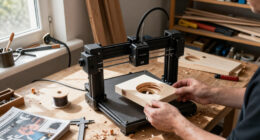

To choose a better shop vacuum for tool-connected dust extraction, focus on models with high-efficiency filters like HEPA to trap microscopic dust and improve air quality. Make certain it has strong suction power and adjustable settings to handle different tasks. Opt for a quieter unit for comfort and features like portability for easy maneuvering around your workspace. Look for durability and easy maintenance to ensure long-lasting performance. Keep exploring to find tips that help you make the best choice.

Get business pricing on tools and workshop supplies
- Business-only prices and quantity discounts
- Tax-exempt purchasing
- Multiple users, one account, clear invoices
Key Takeaways
- Prioritize models with high-efficiency filters like HEPA to ensure effective dust capture and improve air quality.
- Select units with adjustable suction and sufficient power to handle varying dust volumes from tools.
- Opt for lightweight, portable vacuums with ergonomic handles and long hoses for easier maneuverability.
- Ensure the vacuum has durable construction and easy maintenance features for long-term reliability.
- Check noise ratings and sound insulation to maintain a comfortable and productive workspace.
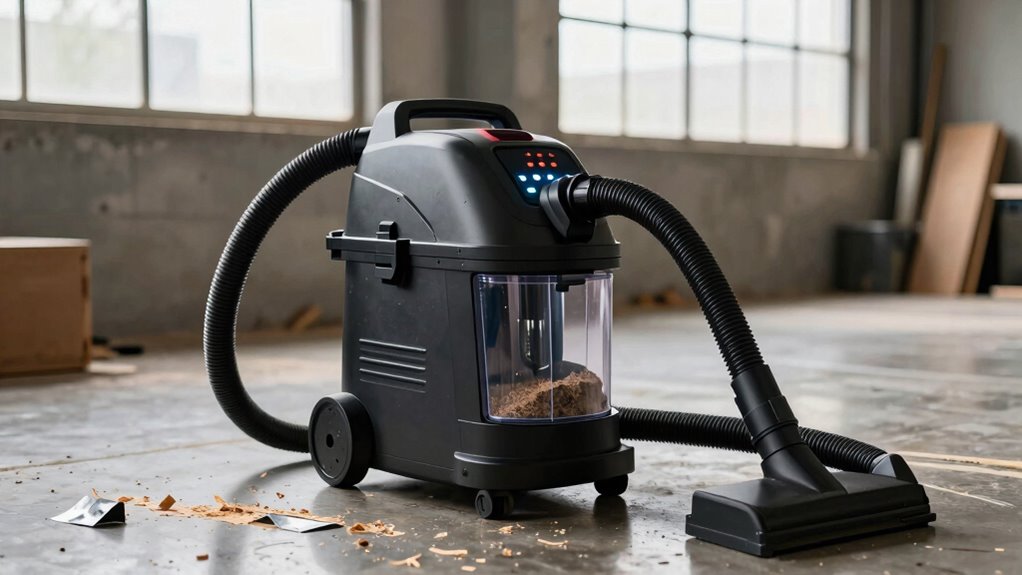
A shop vacuum designed for dust extraction is essential for maintaining a clean and safe workspace, especially when working with materials that generate fine dust particles. When choosing a vacuum, one of your main concerns should be air filtration. Good air filtration ensures that the dust and debris are captured effectively, preventing harmful particles from recirculating into your workspace. Look for models with high-efficiency filters, such as HEPA filters, which can trap microscopic particles and improve the overall air quality. This not only protects your lungs but also keeps your equipment cleaner and functioning better over time.
A dust extraction shop vacuum with HEPA filters enhances air quality and protects your equipment.
Noise levels are another critical factor in selecting the right shop vacuum. Operating noisy equipment can be disruptive and uncomfortable, especially if you work for extended periods or share your workspace with others. Choose a vacuum with noise levels that suit your environment — many modern models specify decibel ratings. A quieter unit will allow you to work more comfortably and reduce fatigue, while also making it easier to communicate with colleagues or listen for important cues during your work. Additionally, sound insulation features can further reduce noise transmission, enhancing comfort during prolonged use.
Beyond air filtration and noise levels, consider the vacuum’s power and suction capabilities. A tool-connected dust extractor should have enough suction to handle the volume of dust your tools produce. Insufficient power means dust can escape back into the air, defeating the purpose of your dust extraction system. Look for a model with adjustable suction settings, so you can fine-tune the strength depending on the task. Additionally, efficient filtration systems can significantly improve indoor air quality by trapping microscopic particles. Incorporating proper maintenance routines will also ensure the vacuum continues to perform effectively over time.
Portability and ease of use are equally important. A lightweight vacuum with a sturdy handle will make it easier to move around your workspace, especially if you work on different stations or projects. Check for long hoses and cords to reach all areas without needing to constantly switch outlets or move the vacuum itself. Some models come with convenient features like multiple attachments, which can help you clean tight spaces and corners more efficiently.
Finally, consider the durability and maintenance of the vacuum. Dust extraction can be demanding, so a unit built from quality materials will last longer. Easy-to-access filters and bins simplify maintenance, saving you time and effort. Investing in a reliable, well-designed shop vacuum will pay off in cleaner air, quieter operation, and a more efficient workflow. When you prioritize air filtration, manage noise levels, and select a model suited to your specific needs, you’ll enhance both safety and productivity in your workspace.
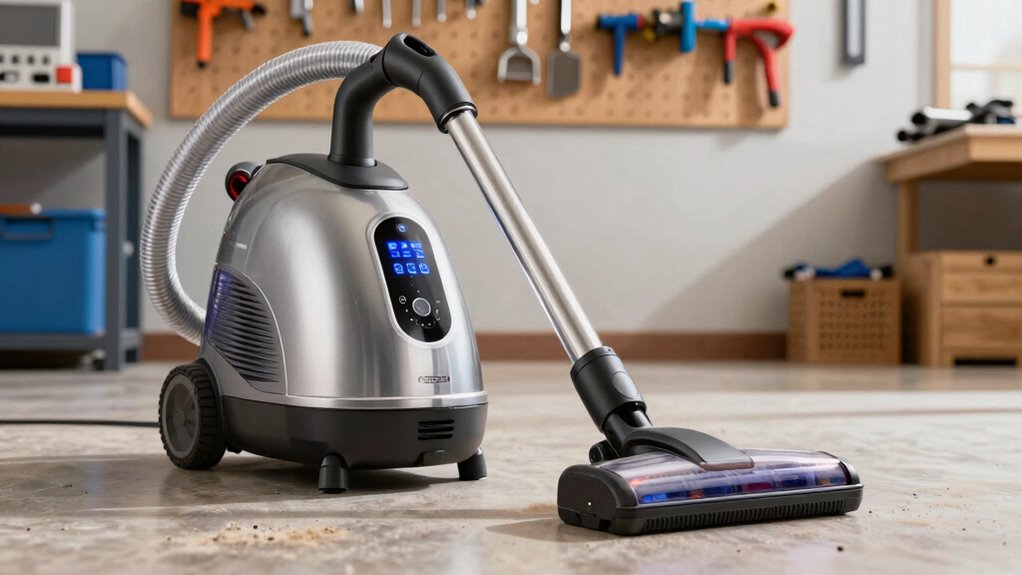
HEPA shop vacuum for dust extraction
As an affiliate, we earn on qualifying purchases.
As an affiliate, we earn on qualifying purchases.
Frequently Asked Questions
Can Shop Vacuums Be Used for Wet and Dry Debris Simultaneously?
Yes, some shop vacuums can handle both wet debris and dry debris simultaneously, but not all models are designed for this. Look for a vacuum with a wet/dry feature, sturdy construction, and a powerful motor. These vacuums are versatile, making it easier for you to clean up wet debris like spills and dry debris such as sawdust or dirt without switching equipment. Always check the manufacturer’s specifications.
What Is the Typical Lifespan of a Shop Vacuum Used for Dust Extraction?
Your shop vacuum’s typical lifespan ranges from 3 to 8 years, depending on usage. To prolong its life, follow maintenance tips like cleaning filters regularly and checking hoses for damage. Proper storage solutions, such as keeping it in a dry, protected area, help prevent wear and tear. Consistent care ensures your dust extraction vacuum stays reliable, efficient, and ready to handle your toughest messes for years to come.
How Often Should Filters Be Replaced in a Dust Extraction Shop Vacuum?
You should replace filters in your dust extraction shop vacuum based on filter maintenance and replacement frequency guidelines. Typically, check your filters regularly—every 1 to 3 months—and replace them when they show signs of wear, clogging, or reduced suction. If you use the vacuum frequently or for heavy-duty tasks, more frequent replacements may be necessary. Always follow the manufacturer’s recommendations to guarantee peak performance and safety.
Are There Specific Noise Level Considerations for Tool-Connected Shop Vacuums?
You should pay attention to noise reduction when choosing a tool-connected shop vacuum, as decibel levels vary. Look for models with lower decibel ratings to reduce fatigue and maintain a safer, more comfortable workspace. Some vacuums feature noise-dampening technology or insulated housings that help minimize noise. By considering decibel levels, you guarantee your shop stays quieter and more enjoyable, especially during extended use or early morning projects.
What Safety Features Are Essential in Dust Extraction Shop Vacuums?
You should prioritize safety features like safety protocols and an emergency shutoff in your dust extraction shop vacuum. Safety protocols guarantee safe operation, preventing accidents during use. An emergency shutoff quickly stops the vacuum if a hazard is detected, minimizing risks. These features protect you from dust exposure and potential electrical issues, making your workspace safer. Always check that your vacuum includes these essential safety measures before purchasing or operating.
quiet portable shop vacuum with adjustable suction
As an affiliate, we earn on qualifying purchases.
As an affiliate, we earn on qualifying purchases.
Conclusion
Choosing the right shop vacuum isn’t just about power; it’s about finding a model that fits your tools and workflow. Look for features like strong suction, easy maintenance, and compatibility with your dust collection system. Remember, a penny saved is a penny earned—invest in quality now to save on costly repairs and health issues later. Make an informed choice, and you’ll keep your workshop cleaner, safer, and more efficient every day.
heavy-duty shop vacuum with long hose
As an affiliate, we earn on qualifying purchases.
As an affiliate, we earn on qualifying purchases.
dust extraction vacuum with noise insulation
As an affiliate, we earn on qualifying purchases.
As an affiliate, we earn on qualifying purchases.
Fall Picks
fall essentials
As an affiliate, we earn on qualifying purchases.