For most woodworking tasks, I’d start with the SUIZAN 9.5-Inch Ryoba: its double-edge design handles both crosscuts and rip cuts, giving it a useful balance of reach and versatility. The SUIZAN 7-Inch Ryoba is a more compact alternative, while the SUIZAN 7-Inch Dozuki is better suited to controlled dovetail and joinery cuts. The main choice is between a versatile ryoba, a backed saw for straighter fine cuts, and a shorter blade that feels easier to manage in tight spaces. Handle style, blade length, and whether the blade can be replaced also affect which saw makes sense for your work. Read on for the full comparison and guidance on choosing a Japanese pull saw for your woodworking.

Get business pricing on tools and workshop supplies
- Business-only prices and quantity discounts
- Tax-exempt purchasing
- Multiple users, one account, clear invoices
Complete the kit


Key Takeaways
- The 9.5-inch SUIZAN Ryoba is the strongest all-around choice in this lineup because a double-edged blade can cover rip and crosscut work without requiring a second saw.
- Blade length changes control as much as reach: the 6- and 7-inch models suit compact work, while the 12-inch SUIZAN Ryoba is aimed at longer strokes and larger stock.
- Ryoba and dozuki saws solve different problems. The ryoba’s two cutting edges favor versatility; the backed dozuki models are more specialized for fine, controlled joinery.
- Several brands offer similar double-edge formats, so the meaningful distinctions are size, handle and assembly details rather than the ryoba label alone.
- The Magicbox four-piece set favors breadth over simplicity; a focused single saw is easier to choose and maintain if you know the cuts you make most.
| SUIZAN 7-Inch Japanese Ryoba Double-Edge Pull Saw |  | Best for Compact, Fine Work | Blade length: 7.09 in (180 mm) | Overall length: 15.94 in (405 mm) | Weight: 5.82 oz (165 g) | VIEW LATEST PRICE | See Our Full Breakdown |
| Temple Tool Co. 9.5-Inch Japanese Ryoba Pull Saw |  | Best for Traditional Wood-Handle Preference | Saw type: Double-edge Japanese ryoba pull saw | Blade length: 9.5 in | Tooth types: Rip-cut and crosscut | VIEW LATEST PRICE | See Our Full Breakdown |
| SUIZAN Ryoba Double Edge Saw 9.5″ – Japanese Pullsaw Hand Saws Wood Cutting | 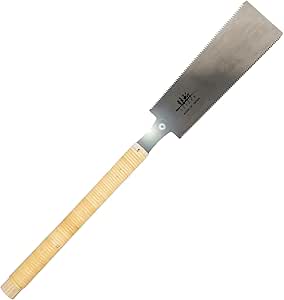 | Best Overall for General Joinery | Blade length: 9.45 in (240 mm) | Overall length: 23.23 in (590 mm) | Weight: 0.2 kg | VIEW LATEST PRICE | See Our Full Breakdown |
| Jorgensen Ryoba 7-Inch Double-Edge Japanese Pull Saw |  | Best Compact Wood-Handle Option | Blade length: 7 in | Blade material: SK5 high-carbon steel | Crosscut tooth pitch: 18 TPI | VIEW LATEST PRICE | See Our Full Breakdown |
| Vaughan Bear Saw 10-Inch Double Edge Blade Japanese Pull Saw |  | Best for Interchangeable Blade Options | Power source: Hand powered | Blade type: Interchangeable tri-edge spring steel | Blade material: Alloy steel (spring steel) | VIEW LATEST PRICE | See Our Full Breakdown |
| Frocopo 6-Inch Double-Edge Pull Saw with Wooden Handle | 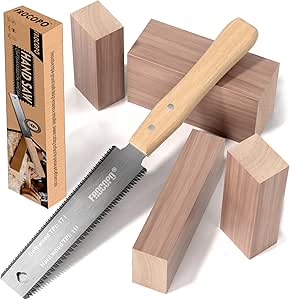 | Best Lightweight Compact Pick | Blade length: 6 inches | Blade material: SK5 steel | Teeth: Double-edged; 11 TPI coarse and 17 TPI fine | VIEW LATEST PRICE | See Our Full Breakdown |
| KERYE Japanese Pull Saw with Double-Edge Blade, 9.5-Inch |  | Best for Flush Cuts | Blade length: 9.5 inches | Blade thickness: 0.02 inches | Blade material: SK5 high-carbon steel | VIEW LATEST PRICE | See Our Full Breakdown |
| SUIZAN Ryoba Double-Edge Japanese Pull Saw, 6-Inch |  | Best Compact Japanese-Made Ryoba | Blade length: 6 inches (150 mm) | Blade material: Japanese steel | Blade thickness: 0.016 inches (0.4 mm) | VIEW LATEST PRICE | See Our Full Breakdown |
| SUIZAN 7-Inch Dozuki Dovetail Saw |  | Best for Dovetails and Joinery | Blade length: 7.09 inches (180 mm) | Overall length: 16.14 inches (410 mm) | Teeth per inch: 17 | VIEW LATEST PRICE | See Our Full Breakdown |
| SUIZAN Ryoba Double-Edge Japanese Pull Saw, 9.5-Inch, Assembly Version |  | Best for Longer General-Purpose Cuts | Blade length: 9.45 inches (240 mm) | Blade material: Japanese steel | Rip teeth: 9 TPI | VIEW LATEST PRICE | See Our Full Breakdown |
| SUIZAN Dozuki Dovetail Saw, 9.5-Inch Crosscut |  | Best for Fine Joinery | Type: Japanese Dozuki pull saw | Blade length: 9.45 in (240 mm) | Teeth: 25 TPI, crosscut | VIEW LATEST PRICE | See Our Full Breakdown |
| SUIZAN 12-Inch Ryoba Double-Edge Japanese Pull Saw |  | Best for Long, Versatile Cuts | Blade type: Double-edge ryoba | Cutting types: Rip and crosscut | Blade length: 12 in (300 mm) | VIEW LATEST PRICE | See Our Full Breakdown |
| Jorgensen 10-Inch Double-Edge Japanese Pull Saw with SK5 Blade |  | Best for Mixed Materials | Blade length: 10 in | Blade material: SK5 steel | Coarse-edge teeth: 7–12 TPI | VIEW LATEST PRICE | See Our Full Breakdown |
| RUITOOL 6-Inch Japanese Double-Edge Ryoba Pull Saw |  | Best Compact Saw | Blade length: 6 in | Blade material: SK5 high-carbon steel | Teeth: 17 TPI and 14 TPI | VIEW LATEST PRICE | See Our Full Breakdown |
| Magicbox 4-Piece Japanese Hand Saw Set with SK5 Steel Blades |  | Best Starter Set | Set contents: 4 saws: large double-edge, compact double-edge, flush-cut, and pointed hand saw | Blade material: SK5 carbon steel | Tooth pattern: 11/17 TPI on double-edge saws | VIEW LATEST PRICE | See Our Full Breakdown |
| Japanese pull saws for woodworking | Blade material | Blade length | Handle material | Weight |
|---|---|---|---|---|
| SUIZAN 7-Inch Japanese Ryoba D | Japanese steel | 7.09 in (180 mm) | Elastomer | 5.82 oz (165 g) |
| Temple Tool Co. 9.5-Inch Japan | High-carbon steel | 9.5 in | Wingnut wood | 0.32 kg |
| SUIZAN Ryoba Double Edge Saw 9 | Japanese steel | 9.45 in (240 mm) | Wood wrapped in vinyl rattan | 0.2 kg |
| Jorgensen Ryoba 7-Inch Double- | SK5 high-carbon steel | 7 in | European beech wood | — |
| Vaughan Bear Saw 10-Inch Doubl | Alloy steel (spring steel) | — | Wood | 8 oz |
| Frocopo 6-Inch Double-Edge Pul | SK5 steel | 6 inches | Wood | 2.82 ounces |
| KERYE Japanese Pull Saw with D | SK5 high-carbon steel | 9.5 inches | Beechwood | 9.6 ounces |
| SUIZAN Ryoba Double-Edge Japan | Japanese steel | 6 inches (150 mm) | — | — |
| SUIZAN 7-Inch Dozuki Dovetail | Japanese steel | 7.09 inches (180 mm) | ABS resin with elastomer grip | — |
| SUIZAN Ryoba Double-Edge Japan | Japanese steel | 9.45 inches (240 mm) | Wood wrapped in vinyl rattan | 7.04 ounces |
| SUIZAN Dozuki Dovetail Saw | Japanese steel | 9.45 in (240 mm) | — | 6.53 oz (185 g) |
| SUIZAN 12-Inch Ryoba Double-Ed | Japanese carbon steel | 12 in (300 mm) | Wood | 9.92 oz |
| Jorgensen 10-Inch Double-Edge | SK5 steel | 10 in | — | 280 g |
| RUITOOL 6-Inch Japanese Double | SK5 high-carbon steel | 6 in | Beechwood | 0.11 kg |
| Magicbox 4-Piece Japanese Hand | SK5 carbon steel | — | Wood | — |
More Details on Our Top Picks
SUIZAN 7-Inch Japanese Ryoba Double-Edge Pull Saw
The 7-inch blade and double-edge layout make this SUIZAN a practical choice for small joinery, with rip teeth for cuts along the grain and finer teeth for crosscuts. Its 0.5 mm blade leaves a narrow kerf, which helps when removing less wood matters, while the elastomer handle offers a secure-feeling grip. Compared with the SUIZAN 9.5-inch Ryoba, this model is easier to manage in tight spaces but gives up reach on thicker stock. It also suits detail work better than the longer Temple Tool Co. Ryoba. The tradeoff is clear: its compact blade is limiting for larger boards, and replacing a worn blade means buying a compatible SUIZAN blade separately.
Pros:- Two tooth patterns cover rip cuts and crosscuts with one tool.
- Thin blade and narrow kerf suit precise woodworking cuts.
- Elastomer handle provides a secure grip.
- Compatible blade can be changed by hand without additional tools.
Cons:- Short blade is less suited to larger workpieces and long cuts.
- Replacement blade is sold separately.
Best for: Woodworkers making small joinery cuts, trim adjustments, and detail cuts who want both rip and crosscut teeth in a compact saw.
Not ideal for: Buyers regularly cutting thick or wide stock, since the 7-inch blade offers less reach than the 9.5-inch ryobas in this lineup.
- Blade length:7.09 in (180 mm)
- Overall length:15.94 in (405 mm)
- Weight:5.82 oz (165 g)
- Tooth pitch:7–11 TPI rip; 19 TPI crosscut
- Blade thickness:0.02 in (0.5 mm)
- Kerf:0.03 in (0.8 mm)
- Blade material:Japanese steel
- Handle material:Elastomer
- Country of manufacture:Japan
Our verdict“Choose this SUIZAN for compact, precise joinery; pick the 9.5-inch SUIZAN Ryoba when you need more blade reach.”
Temple Tool Co. 9.5-Inch Japanese Ryoba Pull Saw
This 9.5-inch ryoba pairs rip and crosscut teeth with a wingnut wood handle, making it a straightforward all-purpose option for joinery and general cuts in softwood or hardwood. Its longer blade gives it more reach than the compact SUIZAN 7-Inch Ryoba, a useful difference when the workpiece is larger or the cut is longer. The high-carbon steel blade and pull-stroke format are aimed at controlled, narrow-kerf cutting, while the included case helps protect the teeth between jobs. Compared with the SUIZAN 9.5-inch Ryoba, the key distinction in the supplied details is its traditional wood handle and brass components rather than a stated wrapped handle. At 0.32 kg, though, it is heavier than the small SUIZAN, and its blade still may not be enough for very large stock.
Pros:- Rip and crosscut teeth support varied woodworking cuts.
- 9.5-inch blade provides more reach than compact 7-inch models.
- Wingnut wood handle with brass components offers a traditional handle style.
- Included case helps protect the blade during storage.
Cons:- At 0.32 kg, it is heavier than the compact SUIZAN 7-inch model.
- Blade length can limit cuts on larger stock.
- Manual cutting requires the user to supply the effort.
Best for: Woodworkers who want a Japanese-made, full-size ryoba with a traditional wood handle for mixed joinery and general shop cuts.
Not ideal for: Buyers prioritizing a very light saw or frequently cutting stock that exceeds the reach of a 9.5-inch blade.
- Saw type:Double-edge Japanese ryoba pull saw
- Blade length:9.5 in
- Tooth types:Rip-cut and crosscut
- Blade material:High-carbon steel
- Handle material:Wingnut wood
- Weight:0.32 kg
- Included component:Case
- Country of manufacture:Japan
Our verdict“Pick the Temple Tool Co. for a longer ryoba with a traditional wood handle, but choose a compact model if low weight matters more.”
SUIZAN Ryoba Double Edge Saw 9.5″ – Japanese Pullsaw Hand Saws Wood Cutting
For a single saw to cover common woodworking cuts, this 9.5-inch SUIZAN Ryoba balances reach with two useful tooth patterns: 9 TPI for ripping and 15 TPI for crosscutting. Its thin Japanese steel blade leaves a narrow kerf, helping preserve material around joinery, trim, and molding cuts. Compared with the SUIZAN 7-Inch Ryoba, it reaches farther into larger workpieces; compared with the Temple Tool Co. 9.5-Inch Ryoba, its listed specs give a lighter 0.2 kg weight and identify a wrapped wingnut wood handle. A zippered bag is included, and the blade is replaceable with a compatible SUIZAN blade. The compromise is that it remains a hand saw, and its 9.5-inch blade is less suited to oversized stock than the much longer Vaughan Bear Saw configuration.
Pros:- Rip and crosscut edges make it versatile for common woodworking tasks.
- Thin blade and narrow kerf support accurate, material-conscious cuts.
- Replaceable blade extends the saw’s service life.
- Zippered bag helps protect the teeth in storage.
Cons:- Compatible replacement blade must be purchased separately.
- 9.5-inch blade is less suited to very large workpieces.
- Manual pull cutting takes more time and effort than powered cutting on large projects.
Best for: Woodworkers seeking one Japanese pull saw for routine rip cuts, crosscuts, dovetails, tenons, trim, and molding.
Not ideal for: People who mostly cut oversized stock or want a saw dedicated to one tooth pattern rather than a double-edge tool.
- Blade length:9.45 in (240 mm)
- Overall length:23.23 in (590 mm)
- Weight:0.2 kg
- Rip tooth pitch:9 TPI
- Crosscut tooth pitch:15 TPI
- Blade thickness:0.02 in (0.5 mm)
- Kerf:0.03 in (0.8 mm)
- Blade material:Japanese steel
- Handle material:Wood wrapped in vinyl rattan
Our verdict“Choose this SUIZAN as a versatile everyday ryoba for joinery and general woodworking, unless your work routinely calls for a longer blade.”
Jorgensen Ryoba 7-Inch Double-Edge Japanese Pull Saw
The Jorgensen combines a 7-inch flexible SK5 blade with a wood handle shaped for one- or two-handed use. Its 18 TPI edge is aimed at finer hardwood crosscuts, while the 7–12 TPI edge handles faster ripping. Hardened geometric teeth are designed to clear chips smoothly, and the blade can be replaced when worn. Compared with the SUIZAN 7-Inch Ryoba, this is the more natural fit for shoppers who prefer a beech wood handle over elastomer; both trade the reach of the SUIZAN 9.5-Inch Ryoba for compact control. The flexible blade may help with flush or curved approaches, but it also calls for a light hand if a rigid, straight tracking feel is the priority. Its short length limits work on larger stock, and replacement involves loosening a screw.
Pros:- Two tooth patterns handle hardwood crosscuts and rip cuts.
- SK5 high-carbon steel blade is flexible and replaceable.
- Beech handle supports one- or two-handed use.
- Geometric tooth design is intended to improve chip removal.
Cons:- Seven-inch blade limits reach on larger stock.
- Blade replacement requires loosening a screw.
- Flexible blade may feel less rigid than a longer, stiffer saw.
Best for: Woodworkers who want a compact double-edge saw, favor a beech handle, and make fine cuts in hardwood as well as rip cuts.
Not ideal for: Buyers who need long, deep cuts or prefer a more rigid blade for maintaining a straight cut over larger workpieces.
- Blade length:7 in
- Blade material:SK5 high-carbon steel
- Crosscut tooth pitch:18 TPI
- Rip tooth pitch:7–12 TPI
- Number of teeth:125
- Handle material:European beech wood
- Blade design:Flexible and replaceable
- Dimensions:8.86 × 2.95 × 0.98 in
- Recommended surfaces:Wood and plastic
Our verdict“Choose the Jorgensen for compact cuts with a wood handle; opt for the longer SUIZAN Ryoba when reach is more important.”
Vaughan Bear Saw 10-Inch Double Edge Blade Japanese Pull Saw
The Vaughan Bear Saw stands apart from the ryobas here through its interchangeable tri-edge spring steel blades, with listed lengths ranging from a 5½-inch mini blade to a 24.5-inch coarse option. That range gives it a broader path from fine dovetail and molding work toward heavier cuts than the fixed-length SUIZAN 9.5-Inch Ryoba. The hand-powered pull stroke is suited to controlled work, and the wooden handle keeps the listed tool weight at 8 ounces. The tradeoff is that the supplied product data does not specify the tooth pitch or clearly identify the exact blade length for the 10-inch version named in the title; its measurements also list a 24.5-inch blade length, so buyers should verify the intended configuration. This is less straightforward than choosing a fixed-size ryoba, and large projects still require manual effort.
Pros:- Interchangeable tri-edge spring steel blades offer multiple cutting configurations.
- Listed blade lengths span fine detail work through heavier framing tasks.
- Pull-stroke format suits controlled cuts such as dovetails and molding.
- Eight-ounce listed weight supports easy handling and transport.
Cons:- Supplied data is inconsistent about the blade length for the 10-inch model.
- Tooth pitch and specific rip/crosscut configuration are not stated.
- Manual operation is slower for large-scale cutting than powered tools.
Best for: Woodworkers who value the option to change blade styles and lengths for detail work, molding, crosscuts, and heavier cuts.
Not ideal for: Buyers who want a clearly specified, fixed-length ryoba with stated rip and crosscut tooth pitches for predictable everyday joinery.
- Power source:Hand powered
- Blade type:Interchangeable tri-edge spring steel
- Blade material:Alloy steel (spring steel)
- Listed blade lengths:5½ in mini to 24.5 in coarse
- Listed blade length:24.5 in
- Weight:8 oz
- Handle material:Wood
- Number of teeth:18
- Warranty:Limited warranty
Our verdict“Choose the Vaughan if interchangeable blade options matter more than the clearly specified dual-edge layout of the SUIZAN Ryoba.”
Frocopo 6-Inch Double-Edge Pull Saw with Wooden Handle
The Frocopo’s 6-inch blade and 2.82-ounce weight make it a compact choice for small joinery, trimming, and shop tasks where a longer saw feels cumbersome. Its two edges separate coarse 11 TPI cuts from finer 17 TPI cuts, so you can trade speed for a cleaner finish without changing tools. Compared with the SUIZAN 6-Inch Ryoba, it offers a more clearly coarse-to-fine tooth pairing, while the SUIZAN is specified for hardwood and softwood and is made in Japan. The tradeoff is reach: six inches can feel restrictive on wider stock, and this saw is described for wood rather than mixed materials. Its lightweight wooden handle favors easy handling, though it may feel less substantial than a longer saw for extended, forceful cuts.
Pros:- Two tooth patterns offer coarse and fine cutting options in one saw.
- Hardened, triple-ground teeth are designed for controlled, precise cuts.
- Light 2.82-ounce build is easy to handle for small woodworking tasks.
- Wooden handle keeps the design simple and lightweight.
Cons:- The 6-inch blade is limiting on wider stock and longer cuts.
- Its stated use is wood, so it is not a versatile choice for other materials.
Best for: Woodworkers who want a light, compact saw for small projects, short cuts, and occasional switching between faster and finer tooth action.
Not ideal for: Anyone regularly cutting wide boards or seeking a longer blade for sustained work; the 6-inch blade limits reach and capacity.
- Blade length:6 inches
- Blade material:SK5 steel
- Teeth:Double-edged; 11 TPI coarse and 17 TPI fine
- Handle material:Wood
- Weight:2.82 ounces
- Power source:Hand powered
- Warranty:Lifetime
Our verdict“Choose the Frocopo for lightweight, small-scale woodworking with two tooth options, but pick a longer Ryoba for broader cuts.”
KERYE Japanese Pull Saw with Double-Edge Blade, 9.5-Inch
The KERYE pairs a thin 0.02-inch SK5 blade with a 9.5-inch reach, making it a stronger fit for controlled flush cuts than the compact Frocopo 6-Inch. Its 17 TPI edge is intended for crosscuts and its 10 TPI edge for rip cuts, giving woodworkers two useful tooth patterns without swapping saws. The flexible blade can help keep the kerf narrow and follow a careful cut, while the beechwood handle has textured wrapping intended to improve grip. It is also specified for bamboo and PVC pipe, unlike several wood-focused choices here. The tradeoff is that the thin blade rewards a light, straight pull; the instructions advise smooth strokes, so it is less suited to hurried or forceful cutting. Its pull-stroke action may also take adjustment for users accustomed to push saws.
Pros:- 9.5-inch blade offers more reach than compact 6-inch options.
- Double edge provides 10 TPI rip and 17 TPI crosscut teeth.
- Thin, flexible blade supports narrow-kerf and flush-cut work.
- Replaceable blade and textured beechwood handle add practical serviceability and grip.
Cons:- The thin blade calls for straight, light strokes rather than forceful cutting.
- Pull-stroke operation may require an adjustment for push-saw users.
Best for: Woodworkers who need a longer, thin-bladed saw for flush trimming and want both rip- and crosscut tooth patterns.
Not ideal for: People who prefer forceful, fast strokes or are unfamiliar with pull saws and do not want to adapt their cutting technique.
- Blade length:9.5 inches
- Blade thickness:0.02 inches
- Blade material:SK5 high-carbon steel
- Teeth:10 TPI rip edge; 17 TPI crosscut edge
- Blade design:Double-edged, 3-sided ground teeth
- Handle material:Beechwood
- Weight:9.6 ounces
- Warranty:24 months
Our verdict“Pick the KERYE for longer, careful flush cuts and dual-purpose teeth, provided you are comfortable cutting with light pull strokes.”
SUIZAN Ryoba Double-Edge Japanese Pull Saw, 6-Inch
This SUIZAN is the compact pick for buyers who want a Japanese-made Ryoba rather than simply the shortest saw in the group. Its 6-inch double-edge blade handles both rip and crosscuts in hardwood and softwood, and the specified 0.4 mm blade thickness and 0.55 mm kerf favor narrow cuts with less material removed. Compared with the Frocopo, the SUIZAN has a more explicit hardwood-and-softwood remit and a stated kerf, while the Frocopo uses a coarser 11 TPI edge alongside its 17 TPI side. The SUIZAN’s 17/20 TPI figures are listed for hardwood and softwood, not as separate rip and crosscut counts, so buyers seeking clearly differentiated tooth patterns may prefer the KERYE. The short blade limits work on larger stock, and its thin profile is flexible.
Pros:- Double-edge design supports both rip and crosscut work.
- Specified for hardwood and softwood.
- Thin blade and narrow stated kerf suit careful material removal.
- Made in Japan with a Japanese steel blade.
Cons:- The 6-inch blade limits reach on larger workpieces.
- The thin blade is flexible and may call for careful handling.
- The listed tooth counts do not identify separate rip- and crosscut-edge counts.
Best for: Woodworkers seeking a compact, Japan-made pull saw for fine rip and crosscuts in hardwood or softwood.
Not ideal for: Buyers who often cut wide or thick stock, or who need clearly stated separate tooth counts for rip and crosscut edges.
- Blade length:6 inches (150 mm)
- Blade material:Japanese steel
- Blade thickness:0.016 inches (0.4 mm)
- Teeth per inch:17 for hardwood; 20 for softwood
- Kerf width:0.02 inches (0.55 mm)
- Cut types:Rip and crosscut
- Suitable materials:Hardwood and softwood
- Country of manufacture:Japan
Our verdict“Choose this SUIZAN for compact Japanese-made cutting in hardwood and softwood, but move to a longer Ryoba for larger stock.”
SUIZAN 7-Inch Dozuki Dovetail Saw
For joinery where a controlled, narrow cut matters more than a broad blade’s versatility, this Dozuki has the clearest purpose in the group. Its 0.3 mm blade and 0.5 mm kerf, supported by a steel back, are aimed at accurate cuts for dovetails and other detail work. The 17 TPI teeth are specified for rip, crosscut, and angle cuts, giving it more joinery focus than the double-edged SUIZAN 6-Inch Ryoba, which is better suited to switching between general rip and crosscut tasks. A steel back helps stiffen the thin blade, but it also makes this a specialized saw rather than a flexible all-purpose choice. The blade is replaceable by hand without tools, though the replacement is sold separately. Its 7-inch blade is also less suited to long cuts through larger stock.
Pros:- Thin blade and steel back are designed for accurate, narrow cuts.
- 17 TPI teeth are specified for rip, crosscut, and angle cuts.
- Blade can be replaced by hand without tools.
- Elastomer grip supports a secure hold during detail work.
Cons:- Replacement blade is sold separately.
- The 7-inch blade is less suited to long cuts across larger stock.
- Its stiff-backed design is less versatile than a flexible Ryoba for general cutting.
Best for: Furniture makers and hobbyist woodworkers cutting dovetails, shoulders, and other precise joinery in wood.
Not ideal for: Buyers wanting one flexible saw for long cuts or frequent work on larger boards; the backed blade is specialized for controlled detail work.
- Blade length:7.09 inches (180 mm)
- Overall length:16.14 inches (410 mm)
- Teeth per inch:17
- Blade thickness:0.012 inches (0.3 mm)
- Kerf:0.02 inches (0.5 mm)
- Blade material:Japanese steel
- Back material:Carbon steel
- Handle material:ABS resin with elastomer grip
Our verdict“Choose this Dozuki for precise dovetail and joinery cuts, not as a substitute for a longer general-purpose Ryoba.”
SUIZAN Ryoba Double-Edge Japanese Pull Saw, 9.5-Inch, Assembly Version
Among these five, this SUIZAN offers the longest Ryoba blade, making it the most suitable choice for woodworkers who regularly cut larger pieces and want both rip and crosscut edges. The 9.45-inch blade uses 9 TPI rip teeth and 15 TPI crosscut teeth, a distinct pairing compared with the KERYE’s finer 17 TPI crosscut edge and 10 TPI rip edge. That lower-tooth-count rip side favors a more assertive cut, while the narrow stated 0.8 mm kerf helps limit material removed. The replaceable blade and vinyl-rattan-wrapped wood handle add practical appeal, and a zippered bag is included. The compromise is setup: assembly is required, and the replacement blade is sold separately. The product data also notes that small cracks may occur in the wooden handle during manufacturing.
Pros:- 9.45-inch blade gives more reach than the 6- and 7-inch options.
- 9 TPI rip and 15 TPI crosscut edges provide distinct cutting roles.
- Replaceable blade supports continued use without replacing the whole saw.
- Includes a zippered storage bag and assembly tools.
Cons:- Assembly is required before use.
- Replacement blade is sold separately.
- Small cracks may occur in the wood handle during manufacturing.
Best for: Woodworkers who want a longer double-edge pull saw for regular rip and crosscuts in hardwood or softwood, and are willing to assemble the handle.
Not ideal for: Buyers who want a ready-to-use saw straight out of the package or who prefer not to deal with a handle that may have small manufacturing cracks.
- Blade length:9.45 inches (240 mm)
- Blade material:Japanese steel
- Rip teeth:9 TPI
- Crosscut teeth:15 TPI
- Kerf:0.03 inches (0.8 mm)
- Handle material:Wood wrapped in vinyl rattan
- Weight:7.04 ounces
- Included components:Handle, assembly tools, zippered storage bag
- Assembly:Required
Our verdict“Pick this SUIZAN for longer rip and crosscuts with one saw, if assembly and the noted handle caveat are acceptable.”
SUIZAN Dozuki Dovetail Saw, 9.5-Inch Crosscut
For dovetails, tenons, and other fine crosscuts, I’d choose this rigid-backed Dozuki over an all-purpose ryoba. Its 25 TPI teeth and 0.5 mm kerf are aimed at controlled, narrow cuts that leave less material to clean up. The steel back supports the unusually thin blade, helping it track square through precise joinery. Compared with the SUIZAN 12-Inch Ryoba, this saw gives up rip-cut versatility but offers a more specialized, fine-toothed cutting edge. The long, lightweight handle can be held with one or two hands, while its wood-and-rattan construction offers a traditional grip. The tradeoff is that this is a crosscut specialist, not a general-purpose shop saw, and the replaceable blade must be purchased separately.
Pros:- 25 TPI crosscut teeth and a narrow 0.5 mm kerf suit precise joinery.
- Rigid steel-backed blade helps support straight, square cuts.
- Lightweight long handle allows one- or two-handed control.
- Replaceable blade extends the saw’s useful life.
Cons:- Crosscut-only design is less versatile than a double-edge ryoba.
- Replacement blade is sold separately.
- The fine teeth are better suited to careful joinery than fast stock removal.
Best for: Woodworkers cutting dovetails, tenons, and other fine cross-grain joinery who value a narrow kerf and controlled, square cuts.
Not ideal for: Buyers who want one saw for both rip and crosscuts, or who need to cut larger stock quickly.
- Type:Japanese Dozuki pull saw
- Blade length:9.45 in (240 mm)
- Teeth:25 TPI, crosscut
- Blade thickness:0.012 in (0.3 mm)
- Kerf:0.02 in (0.5 mm)
- Blade material:Japanese steel
- Handle:Wood, partly wrapped in rattan
- Weight:6.53 oz (185 g)
- Made in:Japan
Our verdict“Choose this Dozuki for accurate fine crosscuts and joinery, but pick a double-edge ryoba if you need rip-cut capability too.”
SUIZAN 12-Inch Ryoba Double-Edge Japanese Pull Saw
This is the lineup’s long-reach choice for woodworkers who want rip and crosscut teeth in one saw. Its 12-inch blade offers more reach than the 10-inch Jorgensen Double-Edge Japanese Pull Saw, which can help when cutting across wider stock, though the added length is less handy in tight workspaces. The ryoba layout avoids swapping tools between grain directions, making it a practical general-purpose option for a shop that handles varied boards. At 0.7 mm thick with a 1.1 mm kerf, it is more substantial than the fine-kerf SUIZAN Dozuki, so it is less tailored to delicate dovetail work. The carbon-steel blade is replaceable, but the long blade and overall dimensions call for more room to store and maneuver. Handle appearance can also vary.
Pros:- Double-edge ryoba provides rip and crosscut teeth in one tool.
- 12-inch blade offers greater reach than the 10-inch Jorgensen model.
- Replaceable Japanese carbon-steel blade.
- Pull-stroke design supports controlled manual cutting.
Cons:- Long blade is less convenient in tight workspaces and compact storage.
- Thicker blade and wider kerf are less suited to delicate joinery than the SUIZAN Dozuki.
- Hand-wrapped handle appearance may vary.
Best for: Woodworkers who regularly make both rip and crosscuts in broad stock and have room to handle and store a longer saw.
Not ideal for: Joinery-focused buyers seeking a very fine, narrow-kerf cut, or anyone working mainly in compact spaces.
- Blade type:Double-edge ryoba
- Cutting types:Rip and crosscut
- Blade length:12 in (300 mm)
- Blade thickness:0.028 in (0.7 mm)
- Tooth spacing:8.5 TPI (3 mm)
- Kerf width:0.043 in (1.1 mm)
- Blade material:Japanese carbon steel
- Handle material:Wood
- Weight:9.92 oz
Our verdict“Pick this SUIZAN when long reach and two cutting directions matter more than compact handling or fine-joinery precision.”
Jorgensen 10-Inch Double-Edge Japanese Pull Saw with SK5 Blade
The Jorgensen brings two tooth patterns and a flexible blade to woodworking that also includes plywood, bamboo, or plastic pipe. Its coarse 7–12 TPI edge is intended for rip cuts, while the 18 TPI side gives a finer option for crosscuts. Compared with the 12-inch SUIZAN Ryoba, its 10-inch blade is easier to handle in smaller spaces, though it gives up some reach. The flexible SK5 steel blade can suit flush work, but it asks for a steady pull: a light, consistent stroke matters if you want to keep a cut straight. Its plastic non-slip handle is practical rather than traditional, and the blade is replaceable. I’d favor it over the SUIZAN Dozuki for varied cutting tasks, but not for the Dozuki’s specialized fine-joinery role.
Pros:- Double-edge blade covers coarse rip cuts and finer crosscuts.
- Flexible, replaceable SK5 steel blade supports varied woodworking tasks.
- Non-slip handle supports one- or two-handed use.
- 10-inch blade is more compact than the 12-inch SUIZAN Ryoba.
Cons:- Flexible blade requires a controlled pulling technique to maintain a straight cut.
- Shorter blade offers less reach than the 12-inch SUIZAN Ryoba.
- Plastic handle lacks the wood construction of several alternatives.
Best for: DIY woodworkers who need one saw for rip cuts, finer crosscuts, and occasional cuts in plywood, bamboo, or plastic pipe.
Not ideal for: Joiners seeking a rigid-backed saw for highly precise dovetails, or buyers who prefer a traditional wood handle.
- Blade length:10 in
- Blade material:SK5 steel
- Coarse-edge teeth:7–12 TPI
- Fine-edge teeth:18 TPI
- Blade:Flexible and replaceable
- Handle:Plastic, ergonomic non-slip grip
- Weight:280 g
- Power source:Hand-powered
- Model number:70626A
Our verdict“Choose the Jorgensen for a compact, adaptable saw across wood and select DIY materials, rather than specialized fine joinery.”
RUITOOL 6-Inch Japanese Double-Edge Ryoba Pull Saw
For small parts, trim, and flush work, the RUITOOL’s 6-inch flexible blade is easier to place and control than the longer SUIZAN and Jorgensen ryoba saws. Its double-edge layout gives different tooth patterns for hardwood and softwood, while the flexible SK5 blade is suited to cuts close to a surface. Three-sided ground teeth are intended to clear chips as the saw moves through wood. This compact format is a useful complement to a full-size bench saw, not a replacement for one: its short blade limits reach and capacity on larger stock. The beechwood handle and low weight favor nimble handling, but buyers should not mistake the compact size for broad versatility. Compared with the Jorgensen, it is more focused on small wood cuts and less suited to materials such as plastic pipe.
Pros:- Compact 6-inch blade is easy to place on small workpieces.
- Double-edge teeth accommodate hardwood and softwood cutting.
- Flexible blade suits flush and finish cuts.
- Lightweight build and beechwood handle support nimble handling.
Cons:- Short blade limits reach and capacity on larger workpieces.
- Designed for wood cutting, unlike the Jorgensen’s stated use with materials such as plastic pipe.
Best for: Woodworkers handling small hardwood or softwood pieces, flush cuts, and finish work where a short blade is easier to control.
Not ideal for: Anyone regularly cutting wide or thick stock, or looking for a saw for non-wood materials.
- Blade length:6 in
- Blade material:SK5 high-carbon steel
- Teeth:17 TPI and 14 TPI
- Hardness:HRC 60–63
- Handle material:Beechwood
- Weight:0.11 kg
- Power source:Hand powered
- Warranty:Lifetime
Our verdict“Choose this RUITOOL for compact flush and finish cuts in wood, but use a longer ryoba for larger boards.”
Magicbox 4-Piece Japanese Hand Saw Set with SK5 Steel Blades
The Magicbox set is the broadest entry point here: it combines four saw styles for rip and crosscuts, flush trimming, and pointed detail work. That range makes it more useful to a beginner building a small hand-tool selection than any single saw in this batch. The RUITOOL 6-Inch Ryoba is more focused and compact, while the SUIZAN Dozuki is the more specialized choice for fine joinery; this set trades that single-tool focus for coverage across different tasks. SK5 carbon-steel blades, wooden handles, and blade guards suit basic workshop use and storage. The stated 11/17 TPI pattern applies only to the double-edge saws, so the supplied information does not establish the tooth details of every blade. Four tools also mean more pieces to store, and they remain hand-powered rather than a substitute for powered cutting.
Pros:- Four saw styles cover rip, crosscut, flush, and detailed cutting tasks.
- SK5 carbon-steel blades are specified for the set.
- Wooden handles support hand control.
- Blade guards help protect teeth during storage.
Cons:- The 11/17 TPI specification applies only to the double-edge saws, leaving other tooth details unspecified.
- A four-saw set takes more storage space than a single tool such as the RUITOOL.
- Hand-powered saws are not a substitute for powered cutting when speed or volume is the priority.
Best for: Beginning woodworkers and DIY users who want several hand-saw styles for varied cuts without selecting each tool separately.
Not ideal for: Experienced joiners seeking a dedicated, specified fine-tooth Dozuki, or buyers who need only one compact saw.
- Set contents:4 saws: large double-edge, compact double-edge, flush-cut, and pointed hand saw
- Blade material:SK5 carbon steel
- Tooth pattern:11/17 TPI on double-edge saws
- Handle material:Wood
- Included accessories:Blade guards
- Item dimensions:12.83 × 4.8 × 1.14 in
- Item weight:10.88 oz
- Power source:Hand powered
Our verdict“Choose the Magicbox set if you want several hand-saw formats for varied woodworking, but choose a dedicated saw for specialized joinery.”
How We Picked
I compared these 15 saws by how well their format suits real woodworking jobs: rip and crosscut versatility, blade length and control, suitability for joinery, and the practical differences between a single saw and a multi-tool set. I gave weight to whether a design fills a distinct role, rather than treating every double-edge ryoba as interchangeable. A longer blade can help with full strokes on wider stock, while a compact saw is easier to maneuver but may feel less natural for long cuts.
The order favors useful performance across a broad range of projects, then separates specialized and compact choices by the work they serve. The SUIZAN 9.5-inch Ryoba leads for its versatile format; smaller ryoba models rank well for control and portability, while dozuki saws earn their place for fine joinery rather than general-purpose coverage. I also account for assembly versions and sets as different ownership choices. Product names and stated features guide this comparison; I do not present it as hands-on testing or make claims beyond the information provided.
Factors to Consider When Choosing Japanese Pull Saws For Woodworking
Before choosing a Japanese pull saw, match the blade to the cuts you make most often—not just the projects you hope to tackle someday. These broader points can help you avoid buying a specialized saw for general work or a versatile one when precision is the real priority.
Choose Ryoba Versatility or Dozuki Control
A ryoba has two cutting edges, commonly arranged for rip and crosscut work, so one tool can cover different grain directions. That flexibility suits a general woodworking bench, but it does not make every cut equally convenient: you still need to choose the correct edge and orient the saw carefully. A dozuki has a reinforced spine that supports a fine blade, making it useful for controlled joinery and accurate shallow cuts. The spine also limits cutting depth, so it is a poor substitute when you need to cut through thick stock. A common buying mistake is choosing a ryoba for delicate joinery simply because it does more jobs. Start with the cut quality you need most, then add a second saw only if your projects call for its distinct strengths.
Match Blade Length to Stock and Workspace
Longer blades allow a fuller stroke and can feel more natural when cutting larger workpieces, but they need more clearance around the saw. Shorter blades are easier to handle in cramped spaces and for small parts, though they may require more strokes on a long cut. Blade length alone does not determine accuracy; posture, support for the workpiece, and a steady start all matter. If you mostly make small furniture details or model-scale cuts, a compact saw can be easier to control than a long blade. For wide boards, a short blade may make each stroke feel cramped. Measure the space around your usual cuts as well as the material thickness before deciding.
Treat Tooth Pattern as a Workpiece-Matching Choice
Japanese saw teeth cut on the pull stroke, so a light pull helps keep the blade engaged without forcing it. Tooth patterns and spacing affect how quickly a saw clears material and how cleanly it handles a particular cut, but product names alone may not give enough detail to compare tooth geometry. Check the manufacturer’s specifications for intended rip or crosscut use and for the materials the blade is designed to handle. Finer teeth can suit clean, controlled work but may cut more slowly; coarser teeth can remove material faster while leaving a different surface. Do not assume that every double-edge saw has identical tooth behavior across both sides. When specifications are limited, prioritize a clearly stated cutting purpose over vague claims of all-purpose performance.
Think About Blade Replacement and Assembly
A saw is a long-term tool only if you can keep its cutting edge serviceable. Before buying, check whether replacement blades are sold, how the blade attaches, and whether changing it calls for tools or fitting steps. An assembly version may appeal to a woodworker who wants to handle setup, but it can be less convenient as a ready-to-use purchase. A fixed or assembled design may suit someone who prefers fewer setup decisions. Avoid assuming that a replaceable blade is automatically easy to source; confirm availability for the specific model. If the saw will see regular use, replacement access can matter more than a small difference in blade length.
Choose Handle Size and Grip for the Cuts You Make
Handle shape and length affect how the saw feels through a full pull, especially when cutting for several minutes or working at an awkward angle. A longer handle can give more room for a two-handed grip, while a compact handle may be easier to position near a joint or inside a small frame. Wooden and wrapped handles can also feel different in the hand, but comfort is personal and cannot be settled by material labels alone. If possible, compare handle dimensions with your hand size and the way you plan to support the workpiece. Do not compensate for a poor grip by pushing harder; pull saws are designed to cut under tension. For beginners, a stable, comfortable hold is more useful than choosing the most compact model by default.
Decide Whether a Set Earns Its Place
A multi-saw set can cover several cutting jobs, but extra tools add storage needs and make it harder to identify which blade to reach for. A single ryoba is often the simpler first purchase if you want one saw for varied cuts. A set makes more sense when its blade types fill known gaps in your toolkit, such as fine joinery and broader stock work. Compare the included saws by their actual purposes rather than the number of pieces. Also check how blades are stored and whether each tool has a distinct role you will use. Buying a set before you understand your common cuts can leave you with redundant blades instead of better coverage.
Frequently Asked Questions
Should I buy a ryoba or a dozuki as my first Japanese pull saw?
I’d choose a ryoba first if you want one saw for a mix of ripping and crosscutting, since its two cutting edges cover more general tasks. Pick a dozuki first if your work centers on dovetails, fine joints, or controlled cuts where the backed blade is useful. The dozuki’s spine restricts cutting depth, so it cannot handle every job a ryoba can. If you are unsure, consider the material thickness and the cuts you make most often rather than buying based on the word “precision.” Add the other style later when your projects reveal a specific need.
Is a 9.5-inch ryoba too large for small woodworking projects?
Not necessarily: a longer blade can still make accurate cuts on small work, but it needs room to move and may feel less nimble near tight corners. Compact 6- or 7-inch models are easier to position around small parts and confined workspaces. The tradeoff is that short blades can feel less comfortable on longer cuts or larger stock. Think about clearance around your workbench and the size of your usual pieces, not only the blade length printed in the product name. If most of your work is small joinery, a compact saw or a dozuki may be a better fit.
Can one double-edge ryoba replace both a rip saw and a crosscut saw?
A ryoba can cover both types of cut with its separate edges, which makes it a practical general-purpose option for many woodworking benches. It does not mean every ryoba performs identically or that one blade will suit every material and cut quality. Check which side is intended for rip cuts and which is intended for crosscuts, then match that to the workpiece grain. A dedicated saw may still be preferable when you repeatedly make a specialized cut or need a particular finish. For a first purchase, though, the double-edge format reduces the need to choose between two separate saws.
When is a backed dozuki a better choice than a ryoba?
A dozuki is a better match when you need careful, controlled cuts for joinery and the cut does not need to pass deeper than the saw’s spine allows. Its backed blade can help keep a thin blade supported during fine work. A ryoba offers more versatility and greater freedom for deeper cuts, but it lacks that same spine support. The two formats are not direct substitutes: one prioritizes a specialized fine-cut role, while the other covers more general sawing. If your projects include both tasks, choose the saw that matches your most demanding or frequent cut first.
Should I choose an individual saw or a multi-saw set?
Choose an individual saw when you already know the cuts you make most often and want a tool with a clear role. A set can offer broader coverage, but only if its included saws perform different jobs you will actually use. Otherwise, extra blades can add clutter without improving your work. Before choosing a set, read the included tool descriptions and check whether they overlap with saws you already own. If you are new to Japanese saws, starting with a versatile ryoba can help you learn what additional blade type would genuinely benefit your projects.
Conclusion
For the best overall balance, I recommend the SUIZAN 9.5-Inch Ryoba, which pairs a double-edge format with a useful blade length for varied woodworking. For value, consider the Jorgensen 7-Inch Ryoba if a compact double-edge design suits your needs; the Frocopo and RUITOOL 6-inch models are alternatives for buyers prioritizing short-blade handling. For beginners, the SUIZAN 7-Inch Ryoba offers a less imposing size while retaining two cutting edges. For fine dovetail and joinery work, choose a SUIZAN Dozuki, selecting the 7-inch model for compact control or the 9.5-inch crosscut version when its longer blade better fits your work. For broader tool coverage, the Magicbox four-piece set makes sense only if you will use its range of saws; for a single specialized long-cut option, look at the 12-inch SUIZAN Ryoba. Match the saw to your most frequent cuts and available working space, then treat other formats as additions rather than automatic upgrades.