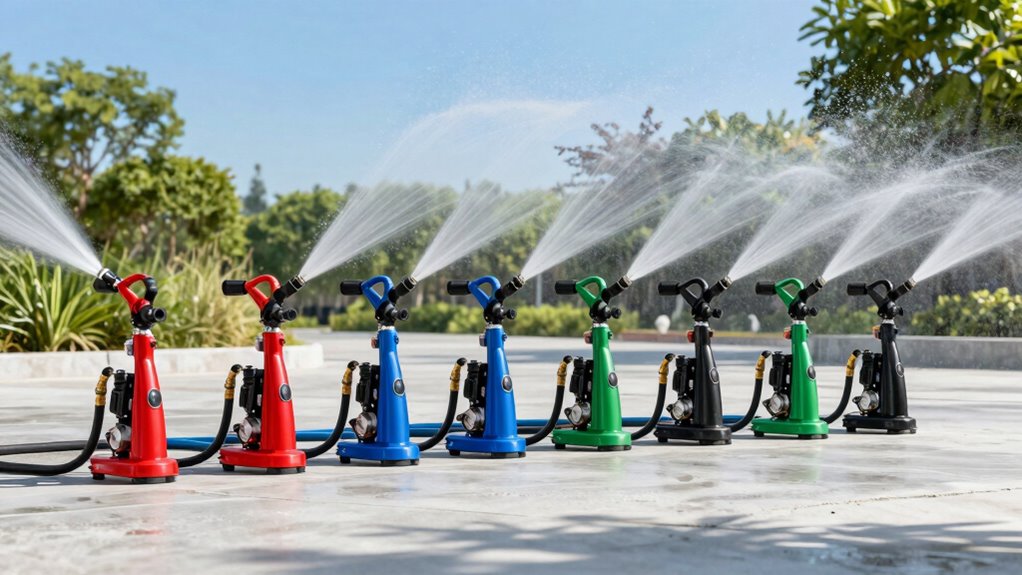
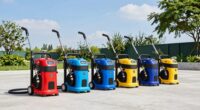
For a versatile gas pressure washer, I’d start with the Simpson Clean Machine 3400 PSI, which pairs substantial cleaning pressure with a named CRX engine. The 4200 PSI, 4.0 GPM model is the standout for bigger jobs where water flow can help cover ground faster, while the Westinghouse WPX3200 is a more moderate choice for routine home cleaning. The main tradeoff is between pressure and flow for tougher or larger surfaces and a lower-output machine that may be easier to match to lighter tasks. Pump details, engine support, and the surfaces you plan to clean matter as much as the headline PSI figure. Read on for how I rank all nine options and which type of buyer each one suits.

Get business pricing on tools and workshop supplies
- Business-only prices and quantity discounts
- Tax-exempt purchasing
- Multiple users, one account, clear invoices
Complete the kit


Key Takeaways
- The Simpson Clean Machine 3400 PSI earns the overall role by combining a useful pressure and flow pairing with a named CRX engine.
- The 4200 PSI, 4.0 GPM model has the highest stated flow in this lineup, making it the clearest fit for larger cleaning jobs, though that output can be excessive for delicate surfaces.
- VEVOR’s copper pump and five nozzles give it a distinct equipment feature set, but buyers should weigh that against the brand and support they prefer.
- Westinghouse spans three output levels: WPX3000, WPX3200, and WPX3400 let buyers compare pressure and flow within one brand rather than choosing on PSI alone.
- Several machines cluster around 3400 PSI, so engine, pump, flow rate, and serviceability help separate them more than the pressure number by itself.
| 4200 PSI Gas Pressure Washer with 209cc Engine and Wheels |  | Best for Maximum Cleaning Output | Engine: 209cc, 7 HP, 4-stroke gasoline engine | Maximum pressure: 4200 PSI | Maximum flow rate: 4.0 GPM | VIEW ON AMAZON | See Our Full Breakdown |
| Westinghouse WPX3200 Gas Pressure Washer, 3200 PSI, 2.5 GPM |  | Best for Everyday Homeowners | Model: WPX3200 | Engine: 212cc 4-stroke OHV | Pressure: 3200 PSI | VIEW ON AMAZON | See Our Full Breakdown |
| Simpson Clean Machine Gas Pressure Washer, 3400 PSI, 2.5 GPM, CRX Engine |  | Best for a Midrange Pressure Step-Up | Engine: 208 cc CRX | Maximum pressure: 3400 PSI | Flow rate: 2.5 GPM | VIEW ON AMAZON | See Our Full Breakdown |
| 4200 PSI Gas Pressure Washer, 4.0 GPM, 212cc Engine |  | Best for Detergent-Based Heavy-Duty Cleaning | Engine: 212cc, 7 HP, 4-stroke OHV gasoline engine | Pressure: 4200 PSI | Flow rate: 4.0 GPM | VIEW ON AMAZON | See Our Full Breakdown |
| VEVOR Gas Pressure Washer, 3600 PSI, 2.6 GPM, with Copper Pump and 5 Nozzles |  | Best for Pump Material and Accessory Range | Model: P180 | Power source: Gas | Maximum pressure: 3600 PSI | VIEW ON AMAZON | See Our Full Breakdown |
| Westinghouse WPX3000 Gas Pressure Washer, 3000 PSI, 2.3 GPM |  | Best for Lighter Residential Jobs | Maximum pressure: 3000 PSI | Flow rate: 2.3 GPM | Engine: 212cc 4-stroke OHV | VIEW ON AMAZON | See Our Full Breakdown |
| TOOLCY Gas Pressure Washer, 3400 PSI, 2.8 GPM |  | Best for Extended Reach | Model: TPW3401AA.2 | Maximum pressure: 3400 PSI | Maximum flow rate: 2.8 GPM | VIEW ON AMAZON | See Our Full Breakdown |
| DeWalt 3300 PSI Gas Pressure Washer, 2.4 GPM, DXPW3300-S |  | Best for Uneven Terrain | Model: DXPW3300-S | Engine: 208cc DeWalt | Pump: OEM Technologies axial cam | VIEW ON AMAZON | See Our Full Breakdown |
| Westinghouse WPX3400 Gas Pressure Washer, 3400 PSI, 2.6 GPM |  | Best for Built-In Soap Capacity | Model: WPX3400 | Engine: 212cc 4-stroke OHV | Maximum pressure: 3400 PSI | VIEW ON AMAZON | See Our Full Breakdown |
| gas pressure washer | Engine | Hose length | Flow rate | Maximum pressure |
|---|---|---|---|---|
| 4200 PSI Gas Pressure Washer w | 209cc, 7 HP, 4-stroke gasoline engine | 25 ft | — | 4200 PSI |
| Westinghouse WPX3200 Gas Press | 212cc 4-stroke OHV | 25 feet | 2.5 GPM | — |
| Simpson Clean Machine Gas Pres | 208 cc CRX | 25 ft | 2.5 GPM | 3400 PSI |
| 4200 PSI Gas Pressure Washer | 212cc, 7 HP, 4-stroke OHV gasoline engine | 25 ft | 4.0 GPM | — |
| VEVOR Gas Pressure Washer | — | 26 ft | 2.6 GPM | 3600 PSI |
| Westinghouse WPX3000 Gas Press | 212cc 4-stroke OHV | 25 feet | 2.3 GPM | 3000 PSI |
| TOOLCY Gas Pressure Washer | 212cc 4-stroke | 30 feet | — | 3400 PSI |
| DeWalt 3300 PSI Gas Pressure W | 208cc DeWalt | — | 2.4 GPM | — |
| Westinghouse WPX3400 Gas Press | 212cc 4-stroke OHV | 25 feet | 2.6 GPM | 3400 PSI |
More Details on Our Top Picks
4200 PSI Gas Pressure Washer with 209cc Engine and Wheels
With up to 4200 PSI and 4.0 GPM, this washer is built for buyers tackling large, stubborn outdoor messes where strong flow can help cover more ground. Its output matches the other 4200 PSI, 4.0 GPM model in this roundup, but this one pairs a 209cc engine with a straightforward single soap nozzle setup. The five nozzle options give you a choice of spray patterns, while the 25-foot hose and rubber wheels help reach around a work area. That power can be excessive for routine vehicle washing or delicate surfaces, where a lower-output model such as the Westinghouse WPX3200 is easier to match to the job. Gas operation also means refueling and engine upkeep, and the product data notes possible minor fuel residue from factory testing.
Pros:- 4200 PSI and 4.0 GPM output suit demanding outdoor cleaning
- Five nozzle choices include a soap nozzle
- 25-foot hose gives useful reach around a work area
- Rubber wheels help move it across varied terrain
Cons:- High output may be excessive for light cleaning and delicate surfaces
- Gas engine requires fuel and routine maintenance
- Product data notes minor fuel residue may be present from factory testing
Best for: Homeowners with large driveways, patios, or other tough outdoor surfaces who need high pressure and flow
Not ideal for: Buyers focused on washing cars or other delicate surfaces, or those who want to avoid gasoline and engine maintenance
- Engine:209cc, 7 HP, 4-stroke gasoline engine
- Maximum pressure:4200 PSI
- Maximum flow rate:4.0 GPM
- Hose length:25 ft
- Spray nozzles:0°, 15°, 25°, 40°, and soap
- Connection:1/4-inch quick-connect
- Mobility:Rubber wheels
Our verdict“Choose this model for tough, broad outdoor cleaning jobs where its 4200 PSI and 4.0 GPM output are useful.”
Westinghouse WPX3200 Gas Pressure Washer, 3200 PSI, 2.5 GPM
The WPX3200 takes a more moderate approach than the 4200 PSI, 4.0 GPM machines here: its 3200 PSI and 2.5 GPM are aimed at common jobs such as sidewalks, decks, siding, and outdoor furniture. That output makes it a more measured fit for household upkeep than the higher-flow options, though it gives up cleaning force and flow for the toughest buildup. A half-gallon soap tank lets you apply detergent without a separate container, and five quick-connect nozzles make it easier to adjust the spray to the surface. Its steel frame and never-flat wheels suit rolling it around the yard. The tradeoffs are typical gas-engine fuel and maintenance, plus a soap tank that may need refilling during longer cleaning sessions.
Pros:- 3200 PSI and 2.5 GPM suit a range of household outdoor cleaning
- Five nozzles and an onboard soap tank support different tasks
- Steel frame and 12-inch never-flat wheels help with transport
- Includes engine oil and tools
Cons:- Lower pressure and flow than the 4200 PSI, 4.0 GPM options
- Half-gallon soap tank may need refilling during extended use
- Gas engine requires fuel and maintenance
Best for: Homeowners who regularly clean decks, sidewalks, siding, and outdoor furniture and want onboard detergent storage
Not ideal for: People tackling extensive, deeply soiled surfaces who need the higher flow of a 4.0 GPM model
- Model:WPX3200
- Engine:212cc 4-stroke OHV
- Pressure:3200 PSI
- Flow rate:2.5 GPM
- Fuel tank capacity:0.9 gallon
- Soap tank capacity:0.5 gallon
- Hose length:25 feet
- Nozzles:Five quick-connect: 0°, 15°, 25°, 40°, and soap
- Warranty:3-year limited
Our verdict“Pick the WPX3200 for regular home cleaning when you want a practical nozzle and detergent setup without the output of a heavy-duty model.”
Simpson Clean Machine Gas Pressure Washer, 3400 PSI, 2.5 GPM, CRX Engine
The Simpson Clean Machine offers a step up in pressure from the Westinghouse WPX3200 while keeping the same 2.5 GPM flow rate. Its 3400 PSI rating can suit stubborn household buildup, but the unchanged flow means it does not match the faster coverage of the 4.0 GPM options. The 208cc CRX engine and axial cam pump with thermal relief valve give this model a defined engine and pump package, while the 25-foot hose, gun, wand, and four nozzles cover the core accessories. Pneumatic tires can help across uneven ground, though they require more attention than flat-free wheels. This model also has a firm geographic limitation: its supplied data says it is not for sale in California, which rules it out for some buyers.
Pros:- 3400 PSI offers a pressure step up from the Westinghouse WPX3200
- Axial cam pump includes a thermal relief valve
- 25-foot hose, spray gun, wand, and four nozzles are included
- Pneumatic tires and steel frame support movement over uneven ground
Cons:- Not for sale in California according to the product data
- 2.5 GPM flow is below the higher-flow models in this roundup
- Gas engine requires fuel and routine care
Best for: Homeowners outside California who want more pressure than a 3200 PSI washer for patios, driveways, and siding
Not ideal for: California buyers, or anyone prioritizing higher flow for covering large surfaces quickly
- Engine:208 cc CRX
- Maximum pressure:3400 PSI
- Flow rate:2.5 GPM
- Pump:OEM Technologies axial cam pump with thermal relief valve
- Hose length:25 ft
- Dimensions:37 × 30 × 21 in
- Weight:64 lb
- Tires:10 in pneumatic
- Availability:49-state compliant; not for sale in California
Our verdict“Choose the Simpson for a pressure increase over the WPX3200 if you live outside California and do not need 4.0 GPM flow.”
4200 PSI Gas Pressure Washer, 4.0 GPM, 212cc Engine
This 212cc washer shares the 4200 PSI and 4.0 GPM ratings of the 209cc model, so both target heavy outdoor cleaning and high flow. The difference is in the supplied setup: this one has a dual detergent tank and 10-inch pneumatic wheels, making it a better fit for jobs where detergent use and rougher ground matter. Five quick-connect nozzles and a 25-foot hose cover a broad working area, while its listed EPA, CARB, and ETL certifications and two-year warranty add useful purchase details. Compared with the Westinghouse WPX3200, this is a much more powerful machine, but that extra output may be unnecessary for routine household washing. It also brings the fuel and maintenance needs of a gas engine.
Pros:- 4200 PSI and 4.0 GPM are suited to demanding outdoor cleaning
- Dual detergent tank supports detergent-based jobs
- Five quick-connect nozzles and 25-foot hose provide task flexibility and reach
- Pneumatic wheels and listed EPA, CARB, and ETL certifications
Cons:- High output may be excessive for light household tasks
- Gas engine requires fuel and routine maintenance
Best for: Property owners handling heavy outdoor buildup who expect to use detergent and move across uneven terrain
Not ideal for: Buyers doing occasional light cleaning or seeking a lower-output machine for vehicles and delicate surfaces
- Engine:212cc, 7 HP, 4-stroke OHV gasoline engine
- Pressure:4200 PSI
- Flow rate:4.0 GPM
- Hose length:25 ft
- Spray nozzles:Five quick-connect nozzles
- Detergent tank:3 L dual tank
- Fuel tank:3.6 L
- Wheels:10-inch pneumatic
- Warranty:Two years
Our verdict“Pick this model over the WPX3200 when heavy cleaning, detergent storage, and movement over rough ground matter more than compact household output.”
VEVOR Gas Pressure Washer, 3600 PSI, 2.6 GPM, with Copper Pump and 5 Nozzles
The VEVOR P180 sits between the household-focused Westinghouse WPX3200 and the 4.0 GPM heavy-duty machines. Its 3600 PSI and 2.6 GPM provide more pressure and slightly more flow than the WPX3200, without reaching the output of the 4200 PSI models. The standout listed detail is a full copper pump, paired with five quick-connect nozzles and a 26-foot abrasion-resistant hose. Those features give buyers a useful combination of spray choices and reach; the steel frame, ergonomic handle, and flat-free wheels also support moving and storing the washer. Product data does not list an engine displacement, so buyers comparing engine specifications have less information here than with several alternatives. Gas operation still requires fuel and engine care.
Pros:- 3600 PSI and 2.6 GPM exceed the WPX3200’s listed output
- Full copper pump is a distinctive listed construction feature
- Five nozzles and a 26-foot abrasion-resistant hose support varied jobs
- Steel frame, ergonomic handle, and flat-free wheels aid handling
Cons:- Lower pressure and flow than the 4200 PSI, 4.0 GPM models
- Product data does not specify engine displacement
- Gas-powered operation requires fuel and engine maintenance
Best for: Homeowners wanting a midrange gas washer with five nozzles, a longer hose, and a copper pump
Not ideal for: Buyers who need the highest flow for large areas or want engine displacement listed before choosing
- Model:P180
- Power source:Gas
- Maximum pressure:3600 PSI
- Flow rate:2.6 GPM
- Pump material:Copper
- Nozzles:Five quick-connect: 0°, 15°, 25°, 40°, and soap
- Hose length:26 ft
- Wheels:Two 10-inch flat-free wheels
- Frame:Steel
Our verdict“Choose the VEVOR for midrange cleaning with a copper pump, five nozzle options, and more hose reach than the WPX3200.”
Westinghouse WPX3000 Gas Pressure Washer, 3000 PSI, 2.3 GPM
The WPX3000 is the more restrained pick in this group: its 3000 PSI and 2.3 GPM suit regular deck, siding, and vehicle cleanup without reaching for the stronger output of the WPX3400 or TOOLCY 3400 PSI model. That lower output can be easier to match to routine chores, though the right nozzle and distance still matter on delicate surfaces. Four quick-connect tips, including a soap nozzle, cover the basic changes between rinsing and detergent application. The 25-foot hose and never-flat wheels help when moving around a home, while the steel frame and 212cc engine add weight and upkeep. I’d choose it for general residential cleaning; buyers tackling large, deeply soiled hardscape may prefer a higher-flow option.
Pros:- 3000 PSI and 2.3 GPM are suited to common residential cleaning tasks
- Four nozzle options include a soap tip
- Never-flat wheels avoid tire inflation
- 25-foot abrasion-resistant hose provides useful working reach
Cons:- Lower pressure and flow than the 3400 PSI options in this batch
- Gas engine requires fuel handling and routine maintenance
- Steel frame makes carrying and compact storage less convenient
Best for: Homeowners who mainly clean vehicles, siding, and modest decks and want gas-powered mobility for recurring outdoor chores
Not ideal for: Buyers cleaning large, heavily soiled driveways who would benefit from the higher pressure and flow of the WPX3400 or TOOLCY
- Maximum pressure:3000 PSI
- Flow rate:2.3 GPM
- Engine:212cc 4-stroke OHV
- Pump:Axial cam
- Fuel tank capacity:0.95 gallons (3.6 L)
- Hose length:25 feet
- Nozzles:4: 0°, 25°, 40°, and soap
- Warranty:3-year limited service, labor, and parts coverage
Our verdict“Choose the WPX3000 for routine home cleaning and simpler storage needs; step up to the WPX3400 or TOOLCY for more demanding surfaces.”
TOOLCY Gas Pressure Washer, 3400 PSI, 2.8 GPM
Among these four, the TOOLCY TPW3401AA.2 pairs the highest listed flow rate, 2.8 GPM, with a 30-foot hose and 21-inch wand. That extra reach can reduce how often I reposition the machine around patios or long fences, while the flow gives it an edge over the Westinghouse WPX3400 at 2.6 GPM for rinsing broad areas. Five nozzles and a one-gallon soap tank make switching between tasks straightforward. The tradeoff is a 65-pound machine, so its airless tires help with rolling but do not make it easy to lift into a vehicle or carry up steps. I’d favor it for larger properties; the WPX3000 is a more manageable match for lighter jobs.
Pros:- 2.8 GPM is the highest listed flow rate among these four products
- 30-foot hose and 21-inch wand extend working reach
- Five nozzles and a one-gallon soap tank support varied cleaning tasks
- 12-inch solid airless tires do not need inflation
Cons:- At 65 pounds, it is cumbersome to lift and transport
- Gas engine requires fuel and routine maintenance
- Its stronger output may be more than needed for small, routine jobs
Best for: Property owners cleaning long fences, broad patios, and driveways who value longer hose reach and higher flow
Not ideal for: Buyers who need to carry a washer up stairs, load it frequently, or store a lighter machine
- Model:TPW3401AA.2
- Maximum pressure:3400 PSI
- Maximum flow rate:2.8 GPM
- Engine:212cc 4-stroke
- Hose length:30 feet
- Wand length:21 inches
- Nozzles:5
- Soap tank capacity:1 gallon
- Weight:65 pounds
Our verdict“Pick the TOOLCY for larger cleaning areas where reach and flow matter more than easy lifting.”
DeWalt 3300 PSI Gas Pressure Washer, 2.4 GPM, DXPW3300-S
The DeWalt DXPW3300-S is the pick here for buyers who move between an even driveway and rougher ground. Its 10-inch pneumatic tires can handle uneven terrain more readily than the never-flat wheels on the Westinghouse WPX3000, though they may require attention to tire pressure. At 3300 PSI and 2.4 GPM, it sits between that 3000 PSI model and the higher-flow TOOLCY, giving it solid residential cleaning capacity without leading this lineup on output. Five tips, a 25-foot abrasion-resistant hose, and a steel wand cover the practical setup. Its welded, powder-coated frame adds sturdy construction, but this remains a gas machine with fuel and engine upkeep; the stated 49-state compliance also means it is not listed as compliant in all 50 states.
Pros:- Pneumatic tires help it move over uneven ground
- 3300 PSI and 2.4 GPM handle a range of residential cleaning tasks
- Five quick-connect tips include a soap nozzle
- Powder-coated welded steel frame and abrasion-resistant hose
Cons:- Pneumatic tires can require inflation and upkeep
- Lower flow than the TOOLCY and Westinghouse WPX3400
- Listed as 49-state compliant rather than 50-state compliant
Best for: Homeowners who roll their washer across uneven yards or paths and need a versatile nozzle set for residential cleaning
Not ideal for: Buyers seeking the highest water flow in this group or a model listed as compliant in all 50 states
- Model:DXPW3300-S
- Engine:208cc DeWalt
- Pump:OEM Technologies axial cam
- Pressure:3300 PSI
- Flow rate:2.4 GPM
- Frame:Welded steel with powder-coated finish
- Tires:10-inch pneumatic
- Hose:25 feet, abrasion-resistant
- Compliance:49-state compliant
Our verdict“Choose the DeWalt for maneuvering over uneven ground, but favor the TOOLCY if higher flow is your priority.”
Westinghouse WPX3400 Gas Pressure Washer, 3400 PSI, 2.6 GPM
The Westinghouse WPX3400 combines 3400 PSI with 2.6 GPM, placing it above the WPX3000 in cleaning output while falling just short of the TOOLCY’s 2.8 GPM flow. Its standout convenience is the half-gallon onboard soap tank, which keeps detergent close at hand for washing decks, fences, or vehicles. Five quick-connect tips give it more spray choices than the WPX3000, and its 12-inch never-flat wheels avoid inflation checks. The 25-foot hose is shorter than TOOLCY’s 30-foot line, so I’d expect more repositioning on larger properties. It also uses a steel frame and a 212cc gas engine, which bring weight and routine maintenance. This makes the most sense for homeowners who want strong general-purpose output and onboard detergent without needing the longest reach.
Pros:- 3400 PSI and 2.6 GPM suit demanding residential outdoor cleaning
- Half-gallon onboard soap tank keeps detergent readily available
- Five quick-connect tips cover several spray patterns and soap use
- 12-inch never-flat wheels need no inflation
Cons:- 25-foot hose is shorter than TOOLCY’s 30-foot hose
- Gas engine requires fuel and routine maintenance
- Steel-frame construction can be awkward to carry or store
Best for: Homeowners washing decks, fences, and vehicles who want a built-in soap tank and strong general-purpose cleaning output
Not ideal for: Buyers who need maximum hose reach or the highest flow rate in this group; TOOLCY offers both a longer hose and more flow
- Model:WPX3400
- Engine:212cc 4-stroke OHV
- Maximum pressure:3400 PSI
- Flow rate:2.6 GPM
- Fuel tank capacity:1 gallon
- Soap tank capacity:0.5 gallon
- Hose length:25 feet
- Nozzles:5 quick-connect tips: 0°, 15°, 25°, 40°, and soap
- Warranty:3-year limited manufacturer coverage
Our verdict“Choose the WPX3400 for strong residential output with onboard soap, and choose TOOLCY if hose reach and flow take priority.”

How We Picked
I compared the nine gas pressure washers on the details that shape real cleaning jobs: stated PSI and GPM, engine information, pump construction when provided, nozzle selection, and practical mobility cues. Pressure indicates the force available at the nozzle, while flow helps determine how quickly a machine can rinse and cover broad areas. I treated both figures as part of a system and avoided ranking by the largest PSI claim alone. Where a product listing supplied fewer build or service details, I treated that uncertainty as a drawback for buyers planning frequent use.
The order favors machines with a useful balance of output and identifiable components, then gives distinct roles to higher-flow, feature-focused, and lower-output models. The Simpson leads as a balanced general-purpose choice; the 4200 PSI, 4.0 GPM model ranks for demanding, broad-area work rather than universal use. Westinghouse’s three models help illustrate output choices, while the DeWalt, TOOLCY, and VEVOR options are differentiated by their stated specifications and equipment details. Since the supplied product information does not establish tested durability or service quality, I do not treat those as proven advantages.
| gas pressure washer | Model |
|---|---|
| 4200 PSI Gas Pressure Washer w | — |
| Westinghouse WPX3200 Gas Press | WPX3200 |
| Simpson Clean Machine Gas Pres | — |
| 4200 PSI Gas Pressure Washer | — |
| VEVOR Gas Pressure Washer | P180 |
| Westinghouse WPX3000 Gas Press | — |
| TOOLCY Gas Pressure Washer | TPW3401AA.2 |
| DeWalt 3300 PSI Gas Pressure W | DXPW3300-S |
| Westinghouse WPX3400 Gas Press | WPX3400 |
Factors to Consider When Choosing Gas Pressure Washer
Before choosing a gas pressure washer, match the machine to the surfaces and workload you actually have. These broader checks can help prevent buying more output than you can use or overlooking the parts that matter after the first job.
Match pressure and flow to the surface
PSI describes force, while GPM describes the volume of water moving through the machine. A high PSI figure alone does not tell you how quickly a driveway can be cleaned or how safely a painted surface can be washed. For siding, vehicles, and wood, technique and the right nozzle matter because concentrated spray can damage finishes. Broad concrete work can benefit from greater flow, but only if you use suitable accessories and keep the spray moving. Start with the least aggressive setup that removes the dirt, then adjust distance and nozzle as needed. If most jobs are light, a machine with extreme output may add weight and fuel use without a practical benefit.
Check pump and engine details before buying
The engine powers the washer, but the pump handles the water pressure that defines its cleaning system. Listings that name an engine or describe a pump give you more concrete information to compare than a headline PSI claim alone. Find out whether replacement parts and service information are available for the exact model, especially if you expect to use the washer often. A copper pump description, such as the one listed for VEVOR, is a useful specification to investigate, but it does not by itself establish service life. Look for the manufacturer’s maintenance schedule and warranty terms before deciding. For occasional seasonal work, simple access to routine maintenance may matter more than a premium component claim.
Treat nozzle choice as part of the cleaning system
Nozzles change how the machine’s output reaches a surface, so the included set affects how many jobs you can approach safely. A narrow spray concentrates force, while a wider fan spreads it over more area. Color coding is common, but confirm the nozzle angles and intended uses in the product documentation rather than relying on color alone. A soap nozzle may help with detergent application, yet it does not replace a suitable cleaner or the correct wash method. Keep a wider nozzle available when you are unsure how a surface will respond. More included nozzles can add flexibility, but they do not make high pressure harmless.
Account for weight, storage, and setup
Gas models are generally larger and heavier than electric washers, and wheels only help if the frame is balanced and the route is clear. Think about moving the machine over steps, gravel, or grass, not just across a flat driveway. Check its assembled dimensions and whether the handle folds or accessories store on the frame. You will also need space for fuel, oil, hoses, and seasonal storage. A powerful unit that is awkward to position can slow down short jobs and make regular use less appealing. Choose the smallest machine that meets your workload if storage and handling are frequent concerns.
Plan for maintenance and seasonal storage
Gas washers require engine care alongside pump and hose upkeep. Read the manual for oil type, air-filter service, fuel guidance, and procedures for preparing the machine for long periods without use. Water left in the pump can cause trouble in freezing conditions, so winterizing instructions matter if the washer will be stored in a cold space. Consider whether you can drain or protect the unit and keep fuel fresh according to the manufacturer’s directions. Maintenance is part of ownership, not an optional add-on to the purchase decision. If that routine feels like too much for your expected use, a gas model may not be the right format.
Choose accessories around your largest recurring job
A standard wand can handle many tasks, but a surface cleaner or extension wand may change how efficiently you manage recurring work. A surface cleaner can help produce a more even result on broad flat areas, while extra reach can reduce ladder use on some elevated surfaces. Check compatibility with the washer’s pressure, flow, and connector type before buying attachments. Do not assume an accessory included with another model will fit your machine. If you mainly wash cars or outdoor furniture, specialized attachments may sit unused. Let your largest repeated task guide accessory planning, then confirm the machine can support the tool.
Frequently Asked Questions
Is a 4200 PSI washer automatically better for cleaning a driveway?
Not automatically. Higher pressure can help with stubborn deposits, but driveway cleaning speed also depends on water flow and the tool used across the concrete. In this lineup, the 4200 PSI model rated at 4.0 GPM stands out for flow as well as pressure, which makes it more suited to broad work than a PSI-only comparison suggests. A compatible surface cleaner can improve coverage and consistency. For routine washing, choose a setup that removes the dirt without forcing you to use an unnecessarily aggressive spray.
Can I use these gas pressure washers on a car or painted siding?
Yes, but use a wide-angle nozzle, keep a safe distance, and test an inconspicuous area first. A gas washer’s output can damage paint, trim, seals, or wood if the spray is too concentrated or held too close. Apply detergent with the appropriate low-pressure setting if the machine supports it, then rinse gently. The higher-output models need especially careful technique on delicate surfaces. Follow the washer and vehicle or siding manufacturer’s care guidance.
Should I prioritize PSI, GPM, or the pump when comparing these models?
Compare all three, then weigh them against your main job. PSI is useful for understanding available force, GPM helps indicate rinsing volume and coverage, and the pump is a key part of the machine that handles pressurized water. Listings in this roundup provide different levels of detail, so a model with a named engine or described pump gives you more to evaluate than one presented mainly by pressure. Also check warranty, parts availability, and maintenance instructions; a strong specification is less useful if upkeep is difficult. For large flat areas, do not overlook GPM and accessory compatibility.
Is the 3000 PSI Westinghouse WPX3000 enough if another Westinghouse model has higher output?
It may be enough if your regular jobs are moderate and you value a lower stated output within the same product family. The WPX3000 is rated at 3000 PSI and 2.3 GPM, while the WPX3200 and WPX3400 step up in both pressure and flow as listed. More output can help with tougher or larger jobs, but it also calls for more care on sensitive surfaces. Base the choice on your hardest recurring task rather than the occasional worst-case mess. Compare the full specifications and included equipment for the exact model before purchasing.
What should I check before storing a gas pressure washer for winter?
Use the exact model’s manual because storage procedures differ by engine and pump. In general, follow its instructions for draining or protecting the pump, handling fuel, changing or checking oil, and storing hoses without kinks. Freezing water left in the pump or hose can cause damage, so cold storage deserves particular attention. Keep the machine in a dry, ventilated place and store fuel only as directed by the manufacturer. If you expect to store the washer through winter each year, ease of maintenance and access to service guidance should influence your model choice.
Conclusion
For most buyers who want a gas pressure washer for mixed home jobs, I’d choose the Simpson Clean Machine 3400 PSI as the best overall option, based on its balanced stated output and CRX engine. The 4200 PSI, 4.0 GPM model is my pick for larger concrete and property tasks where higher flow can help cover ground. For value-minded shoppers, the Westinghouse WPX3200 offers a middle position in the brand’s three-model range; compare its included equipment and support terms before deciding. Beginners who expect lighter work may find the WPX3000 easier to match to routine tasks, though gas-engine maintenance still applies. Buyers who prioritize a named brand should compare the DeWalt DXPW3300-S, while those drawn to pump details and nozzle variety can investigate the VEVOR; in either case, confirm service and parts support for the exact model.
Fall yard work Picks
leaf blowers
As an affiliate, we earn on qualifying purchases.