Choosing the right MacBook Pro for software development in 2026 involves balancing power, portability, and price. The Apple 2026 MacBook Pro 14.2″ with M5 Pro Chip stands out as the best overall due to its robust performance and balanced size, ideal for most developers. The MacBook Pro 16.2-inch with M5 Pro Chip offers extra screen real estate for multitasking, making it a top pick for those who need more workspace. Meanwhile, the Apple 2025 MacBook Pro 14″ with M5 Chip is a strong choice for developers seeking portability without sacrificing performance. The main tradeoffs in this category involve choosing between screen size, power, and budget. Continue reading for a detailed breakdown of each model and which might suit your specific needs.

Get business pricing on tools and workshop supplies
- Business-only prices and quantity discounts
- Tax-exempt purchasing
- Multiple users, one account, clear invoices
Complete the kit


Key Takeaways
- The latest M5 Pro chips deliver significant performance boosts, making newer models ideal for demanding development tasks.
- Screen size impacts workflow: larger screens improve multitasking but add weight and reduce portability.
- Memory and storage configurations are crucial; 24GB RAM is recommended for heavy multitasking or running virtual machines.
- Refurbished or older models can be cost-effective but may lack the latest features and performance improvements.
- Tradeoffs often involve balancing raw power against portability and budget constraints.

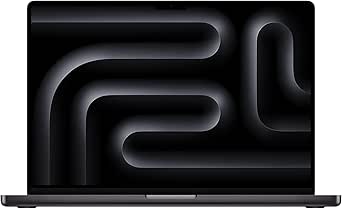




| macbook pro for software development | Storage | Memory | GPU | Display |
|---|---|---|---|---|
| Apple 2026 MacBook Pro 14.2" L | 1TB SSD | 24GB | 16-core with Neural Accelerators | 14.2-inch Liquid Retina XDR |
| Apple 2026 MacBook Pro 16.2-in | 1TB SSD | 24GB | 20-core | 16.2-inch Liquid Retina XDR |
| Apple 2025 MacBook Pro 14" Lap | 1TB SSD | 24GB | 10-core | 14.2-inch Liquid Retina XDR |
| Apple 2025 MacBook Pro 14.2" L | 1TB SSD | 16GB | 10-core | 14.2-inch Liquid Retina XDR |
| Apple 2023 14-inch MacBook Pro | 512GB SSD | 18GB RAM | 14-core | — |
| Apple 2021 MacBook Pro with M1 | 2 TB SSD | — | — | — |
| Apple 2026 MacBook Air 15-inch | 512GB SSD | 16GB Unified Memory | — | 15.3-inch Liquid Retina |
| Apple 2026 MacBook Pro Laptop | 1TB SSD | 48GB Unified Memory | 20-core | 16.2-inch Liquid Retina XDR |
| Apple 2025 MacBook Pro 14.2" L | 1TB SSD | 24GB Unified Memory | 10-core | 14.2-inch Liquid Retina XDR |
| Apple 2026 MacBook Pro 14.2-in | 1TB SSD | 24GB unified memory | 16-core GPU | 14.2-inch Liquid Retina XDR |
More Details on Our Top Picks
Apple 2026 MacBook Pro 14.2″ Laptop with M5 Pro Chip (15-Core CPU, 16-Core GPU), 24GB Unified Memory, 1TB SSD – Silver
This model stands out for its impressive balance of power and portability, making it ideal for software developers who need robust performance without sacrificing mobility. The M5 Pro chip with a 15-core CPU and 16-core GPU delivers faster compile times and smoother multitasking compared to earlier M3-based machines, though it comes at a premium price. Its stunning 14.2-inch Liquid Retina XDR display with 1600 nits brightness ensures clear code readability even in bright environments. Connectivity options like Thunderbolt 5, HDMI, and SDXC provide flexibility for multiple external displays and peripherals. However, the high cost may be prohibitive, and the soldered RAM and SSD limit future upgrades. This is best suited for developers needing high-end performance on a portable form factor.
Pros:- Powerful M5 Pro chip with advanced Neural Accelerators for AI tasks
- Stunning 14.2-inch Liquid Retina XDR display with high brightness and contrast
- Versatile connectivity including Thunderbolt 5, HDMI, SDXC
Cons:- Premium pricing may be out of reach for some users
- Limited upgrade options due to soldered memory and storage
Best for: Developers who require a powerful yet portable machine with advanced AI capabilities
Not ideal for: Budget-conscious users or those needing extensive upgradeability post-purchase
- Chip:Apple M5 Pro
- CPU:15-core
- GPU:16-core with Neural Accelerators
- Display:14.2-inch Liquid Retina XDR
- Peak Brightness:1600 nits
- Memory:24GB
- Storage:1TB SSD
- Ports:3x Thunderbolt 5, HDMI, SDXC, MagSafe 3
Our verdict“This model is perfect for developers who prioritize performance and portability over initial cost and upgradeability.”
Apple 2026 MacBook Pro 16.2-inch Laptop with M5 Pro Chip (18-core CPU, 20-core GPU), 24GB Unified Memory, 1TB SSD – Space Black
This 16-inch powerhouse is tailored for developers who need maximum processing muscle, especially for tasks like compiling large codebases or running machine learning models locally. The M5 Pro chip with 18-core CPU and 20-core GPU offers unmatched speed compared to the 14-inch models, making it a better choice than the 14.2-inch with similar specs. Its 16.2-inch Liquid Retina XDR display provides ample real estate for multitasking and detailed code review. The inclusion of three Thunderbolt 5 ports and Wi-Fi 7 ensures fast, reliable connections for multiple peripherals. The main drawback is the higher price point and the fixed memory architecture that prevents future upgrades. This is best for developers who need desktop-class power in a portable package.
Pros:- Exceptional processing power with 18-core CPU and 20-core GPU
- Large 16.2-inch Liquid Retina XDR display for multitasking
- Excellent connectivity including Thunderbolt 5 and Wi-Fi 7
Cons:- Higher cost compared to smaller models with similar specifications
- Limited upgradeability due to soldered RAM and SSD
Best for: Power users running demanding workloads or working on large-scale projects
Not ideal for: Users on a tight budget or those who prefer upgradeable hardware
- Chip:Apple M5 Pro
- CPU:18-core
- GPU:20-core
- Display:16.2-inch Liquid Retina XDR
- Peak Brightness:1600 nits
- Memory:24GB
- Storage:1TB SSD
- Ports:3x Thunderbolt 5, HDMI, SDXC
Our verdict“This model is ideal for developers demanding desktop-class performance in a portable form factor.”
Apple 2025 MacBook Pro 14″ Laptop with M5 Chip (10-Core CPU, 10-Core GPU), 24GB Unified Memory, 1TB SSD – Silver
This 14-inch MacBook Pro provides robust performance with the M5 chip, suitable for most software development tasks, including compiling code and running local servers. Compared to the 16-inch models, it sacrifices some screen real estate but remains highly portable. Its 14.2-inch Liquid Retina XDR display offers excellent brightness and contrast, making it comfortable for long coding sessions. The inclusion of 24GB RAM and 1TB SSD ensures smooth multitasking and ample storage. However, the base model’s 10-core CPU and GPU may fall behind in highly parallel workloads or machine learning tasks compared to the larger M5 Pro options. The price remains high, though it offers good value relative to performance. This pick makes the most sense for developers who want high performance without the bulk of larger models.
Pros:- Strong M5 chip with fast CPU and GPU cores
- High-quality Liquid Retina XDR display with excellent brightness
- Good balance of portability and power
Cons:- Limited GPU cores for very demanding graphical workloads
- Premium price for a 14-inch device
Best for: Developers seeking high performance in a compact form factor
Not ideal for: Users needing extensive upgrade options or working on very large datasets
- Chip:Apple M5
- CPU:10-core
- GPU:10-core
- Display:14.2-inch Liquid Retina XDR
- Peak Brightness:1600 nits
- Memory:24GB
- Storage:1TB SSD
- Ports:3x Thunderbolt 4, HDMI, SDXC
Our verdict“This model is suitable for developers who want a powerful, portable machine with high-quality visuals.”
Apple 2025 MacBook Pro 14.2″ Laptop with M5 Chip, 16GB RAM, 1TB SSD, Silver
This 14.2-inch MacBook Pro offers a balanced mix of power and price, making it a strong choice for developing, testing, and deploying code in an Apple environment. Its M5 chip with 10-core CPU and GPU ensures capable performance for most programming tasks, while the 16GB RAM provides decent multitasking capacity. The Liquid Retina XDR display guarantees crisp visuals and comfortable coding sessions. The machine’s seamless integration with Apple devices enhances productivity for those already invested in the ecosystem. However, the entry-level GPU configuration could lag behind more demanding workloads, and the limited port options might require additional adapters. This is a good fit for developers who prioritize user experience and ecosystem synergy over raw upgradeability.
Pros:- Efficient M5 chip with good performance for most tasks
- High-quality Liquid Retina XDR display
- Strong ecosystem integration with Apple devices
Cons:- Limited GPU cores for demanding graphical workloads
- Basic port options may require extra adapters
Best for: Developers within the Apple ecosystem needing a reliable, portable machine
Not ideal for: Heavy multitaskers or those working on AI/ML projects that require more GPU power
- Processor:Apple M5
- CPU:10-core
- GPU:10-core
- Display:14.2-inch Liquid Retina XDR
- Peak Brightness:1600 nits
- Memory:16GB
- Storage:1TB SSD
- Ports:3x Thunderbolt 4, HDMI, SDXC
Our verdict“This is a solid choice for developers seeking quality, portability, and excellent Apple ecosystem integration.”
Apple 2023 14-inch MacBook Pro with M3 Pro Chip, 18GB RAM, 512GB SSD, Space Black (Renewed)
This renewed 14-inch MacBook Pro stands out for its cutting-edge M3 Pro 12-core processor and 18GB RAM, making it a top choice for those who prioritize raw processing power. Compared to the M1 Max-based models, the M3 Pro offers a more recent architecture with better efficiency, though it may lack the extensive GPU cores of the M1 Max for graphics-heavy tasks. Its sleek Space Black design adds style but might appeal less to those who prefer traditional finishes. The main tradeoff involves the renewed condition, which could limit warranty coverage and pose minor cosmetic issues, and a higher price than non-renewed options. This pick makes the most sense for developers who need substantial multitasking ability without sacrificing portability.
Pros:- Latest M3 Pro 12-core processor delivers strong performance
- 18GB RAM supports demanding multitasking
- Fast 512GB SSD ensures quick storage access
- Sleek, stylish Space Black design
Cons:- Renewed product may have limited warranty coverage
- Higher price compared to new models
Best for: Developers who want a powerful, portable machine with the latest chip and are comfortable with a renewed product
Not ideal for: Buyers seeking a brand-new device or a lower-cost option, due to the renewal risks and price premium
- Processor:Apple M3 Pro 12-core
- GPU:14-core
- Memory:18GB RAM
- Storage:512GB SSD
- Color:Space Black
- Condition:Renewed
Our verdict“This model suits developers needing a powerful, portable machine with the latest Apple silicon, despite renewal uncertainties.”
Apple 2021 MacBook Pro with M1 Max Chip, 14-inch, 64GB RAM, 2TB SSD, Silver (Renewed)
This renewed 14-inch MacBook Pro with the M1 Max chip and massive 64GB RAM is an excellent choice for developers working on complex projects or demanding software. Its powerful 10-core CPU and 24-core GPU outperform many other models, including the newer M3-based options, especially in graphics-intensive tasks. The 2TB SSD offers ample storage for large datasets or virtual environments. However, compared with newer M3 Pro models, it might be less efficient and slightly heavier at 6.9 pounds. The cosmetic condition can vary, and accessories are not original, making it less ideal for those who want a pristine, plug-and-play experience. This machine is best suited to professionals who need top-tier specs and don’t mind the renewal condition.
Pros:- Powerful M1 Max chip with 10-core CPU and 24-core GPU
- Large 64GB RAM for multitasking and virtualization
- Extensive 2TB SSD storage for large projects
- Retina display with high resolution
Cons:- Renewed condition may have cosmetic imperfections
- Heavier and less portable than newer models
- Accessories are not original
Best for: Power users and professionals needing maximum CPU/GPU performance for development and testing
Not ideal for: Casual developers or those on a tight budget, as its renewal status and weight can be drawbacks
- Processor:Apple M1 Max 10-Core CPU
- Graphics:24-Core GPU
- Memory RAM:64 GB
- Storage:2 TB SSD
- Display Size:14 inches
- Condition:Renewed
Our verdict“This MacBook Pro excels for demanding workloads but may be less convenient for portable use or those seeking a pristine device.”
Apple 2026 MacBook Air 15-inch Laptop with M5 Chip, 16GB RAM, 512GB SSD, Liquid Retina Display, Touch ID, Wi-Fi 7, Midnight
The 2026 MacBook Air with the M5 chip and 15.3-inch Liquid Retina display offers a compelling mix of portability and power, perfect for developers seeking a lightweight yet capable machine. Its AI-enhanced M5 chip ensures smooth multitasking and better future-proofing than older Air models. The large, vibrant display makes coding and testing more comfortable, while the long 18-hour battery life supports extended work sessions. Connectivity options like Wi-Fi 7 and Thunderbolt 4 keep it current. Compared to the MacBook Pro line, it sacrifices some raw power and external display support, but its slim profile and lower weight make it suitable for mobile workflows. The main limitation is its premium price, which might deter budget-conscious buyers.
Pros:- Large, colorful Liquid Retina display enhances coding experience
- Up to 18 hours of battery life supports all-day work
- AI-optimized M5 chip improves multitasking and future-proofing
- Advanced connectivity with Wi-Fi 7 and Thunderbolt 4
Cons:- Premium price may be a barrier for some
- Limited external display support—only two external monitors
- Slightly heavier than smaller MacBook Airs
Best for: Developers and students who prioritize portability, battery life, and modern AI features for everyday coding and testing
Not ideal for: Power users needing multiple external displays or intensive graphics workloads, due to hardware limitations
- Processor:M5 chip
- Display:15.3-inch Liquid Retina
- Memory:16GB Unified Memory
- Storage:512GB SSD
- Battery Life:Up to 18 hours
- Connectivity:Wi-Fi 7, Thunderbolt 4
Our verdict“Ideal for mobile developers who want a modern, lightweight machine with long battery life and AI capabilities, despite limited external display support.”
Apple 2026 MacBook Pro Laptop with M5 Pro Chip, 16.2-inch Liquid Retina XDR Display, 48GB RAM, 1TB SSD, Space Black
This 16.2-inch MacBook Pro with the M5 Pro chip offers impressive processing power and a stunning XDR display, making it a prime choice for developers engaged in multimedia, AI workloads, or demanding software. Its 48GB RAM and 1TB SSD support complex multitasking, large datasets, and fast access to storage. The expansive display enhances coding, debugging, and creative workflows. Compared to smaller models, it sacrifices portability for screen real estate and power. The weight at 4.71 pounds is noticeable, and the high price might deter casual users. Its extensive port selection, including SDXC and HDMI, adds versatility for professional setups. This model is designed for those who need a mobile workstation capable of serious professional tasks.
Pros:- Powerful M5 Pro chip with advanced AI acceleration
- Large 16.2-inch Liquid Retina XDR display with vivid colors
- 48GB RAM and 1TB SSD for demanding multitasking
- Versatile ports including SDXC and HDMI
Cons:- Heavy weight reduces portability
- High price may be prohibitive for some
- Less suited for users needing ultra-light devices
Best for: Developers working on multimedia, AI, or complex workflows who require a large, high-quality display and substantial RAM
Not ideal for: Developers seeking a lightweight or budget-friendly machine, or those who prioritize portability over power
- Processor:Apple M5 Pro 18-core CPU
- GPU:20-core
- Display:16.2-inch Liquid Retina XDR
- Memory:48GB Unified Memory
- Storage:1TB SSD
- Ports:Three Thunderbolt 5, SDXC, HDMI
Our verdict“This MacBook Pro is best for professionals requiring a large, high-performance machine for creative and intensive development tasks.”
Apple 2025 MacBook Pro 14.2″ Laptop with M5 Chip (10-Core CPU, 10-Core GPU), 24GB Unified Memory, 1TB SSD – Space Black
The 2025 14.2-inch MacBook Pro with the M5 chip offers a compelling mix of power, size, and modern features. Its 10-core CPU and GPU handle most development workloads efficiently, with 24GB RAM supporting multitasking and virtual environments. The Liquid Retina XDR display provides sharp visuals, ideal for coding and testing. While not as large as the 16-inch model, its compact size and 3.41-pound weight make it suitable for mobile developers or those with limited space. Connectivity options include three Thunderbolt 4 ports, SDXC, and HDMI, offering versatility. The main downside is the higher starting price and space black finish, which can show fingerprints easily. Overall, it’s a balanced choice for developers who want power without sacrificing portability.
Pros:- Powerful M5 10-core CPU and GPU
- High-quality Liquid Retina XDR display
- 24GB RAM and 1TB SSD support demanding workflows
- Compact and lightweight for portability
Cons:- Premium price may limit accessibility
- Limited external display support (up to two screens)
- Fingerprints show easily on Space Black finish
Best for: Developers needing a portable yet powerful machine for daily coding and testing tasks
Not ideal for: Those requiring extensive external display support or a more budget-friendly option
- Processor:Apple M5 10-core CPU
- GPU:10-core
- Display:14.2-inch Liquid Retina XDR
- Memory:24GB Unified Memory
- Storage:1TB SSD
- Weight:3.41 pounds
Our verdict“This MacBook Pro strikes a solid balance for developers who need portable power with modern features, despite its price and finish considerations.”
Apple 2026 MacBook Pro 14.2-inch Laptop with Apple M5 Pro, 15-core CPU, 16-core GPU, 24GB Unified Memory, 1TB SSD, Wi-Fi 7, Space Black
This MacBook Pro stands out for its extraordinary processing power with a 15-core CPU and 16-core GPU, making it ideal for AI, video editing, and complex development tasks. Compared to the 2026 14-inch M5 Pro, the M5 Pro in this model offers more cores, which translates into faster compile times and smoother multitasking under heavy loads. The Liquid Retina XDR display, with a peak brightness of 1600 nits, ensures color accuracy and contrast for graphics-intensive work. Its comprehensive port selection, including Thunderbolt 5, HDMI, and SDXC, supports a versatile workstation setup. The 24GB unified memory and 1TB SSD provide ample space and speed for large datasets and codebases. However, this power comes with a significant premium—not necessary for most developers—and the M5 Pro’s support for fewer external displays than the M5 Max could limit multi-monitor setups for some users.
Pros:- Exceptional CPU and GPU performance for demanding workloads
- High-brightness, color-accurate Liquid Retina XDR display
- Rich connectivity options including Thunderbolt 5, HDMI, SDXC, and Wi-Fi 7
- All-day battery life supports portable work
Cons:- Premium price may be prohibitive for many users
- Powerful hardware may be overkill for routine development tasks
- Supports fewer external displays than the M5 Max, limiting multi-monitor setups
Best for: Developers working in AI, creative video production, or high-performance coding environments who need maximum power for demanding tasks.
Not ideal for: Casual programmers or those who primarily run lightweight applications, as this model’s high cost and extra power may be unnecessary.
- Processor:15-core CPU
- GPU:16-core GPU
- Display:14.2-inch Liquid Retina XDR
- Memory:24GB unified memory
- Storage:1TB SSD
- Wireless:Wi-Fi 7
- Ports:Three Thunderbolt 5, HDMI, SDXC, MagSafe 3
- Brightness:1600 nits peak
- Color:Space Black
Our verdict“This MacBook Pro is best suited for developers who require maximum processing and graphics power for specialized workloads.”

How We Picked
To determine the best MacBook Pro options for software development, I evaluated each model based on performance, including CPU and GPU capabilities, to handle coding, compiling, and multitasking efficiently. Build quality and display quality were also key, as developers spend long hours working on their machines. Value was considered by comparing features relative to price, including options like refurbished units. I prioritized models with ample RAM and storage, as these directly impact development workflows, and assessed portability for those who need to carry their device frequently. The rankings reflect a combination of raw performance, usability, and overall value for developers in 2026.Factors to Consider When Choosing Macbook Pro For Software Development
When selecting a MacBook Pro for software development, understanding key factors can help you avoid common pitfalls and ensure your investment supports your workflow. Consider how performance, display, and portability align with your specific needs. Additionally, evaluate the importance of RAM and storage, as these affect multitasking and project sizes. Choosing the right configuration can prevent bottlenecks, especially when running virtual machines or complex development environments. This guide highlights critical considerations to help you make a more informed decision beyond just looking at specs.Performance and Chipset
The processor and GPU are the backbone of any development laptop. The M5 Pro chips in the latest models offer substantial improvements over previous generations, handling heavy workloads like compiling code and multitasking with ease. Cheaper or older models with M3 or M1 chips may suffice for lighter tasks but can struggle with demanding development environments. Investing in the newest chipsets ensures longevity and better performance, but it often comes at a higher price. Be aware that opting for more cores and higher GPU performance can significantly speed up your workflow, especially if you work with graphics-intensive applications or virtual machines.
Display Size and Quality
Display size markedly influences productivity; larger screens enable easier multitasking and code management. The 16-inch models provide more real estate, ideal for developers managing multiple windows or working on complex projects, but they tend to be heavier and less portable. Conversely, 14-inch models are lighter and more portable but may require external monitors for extended work sessions. The quality of the display, including resolution and color accuracy, impacts your ability to debug and review code efficiently. Liquid Retina XDR screens in newer models offer vibrant visuals and high contrast, which can reduce eye strain during long coding sessions.
Memory and Storage
Memory (RAM) directly affects multitasking and the ability to run virtual machines or containerized environments. For most developers, 16GB is the minimum, but 24GB or more provides a smoother experience with heavy workloads. Storage capacity influences how many projects, tools, and datasets you can keep locally—1TB is often a sweet spot, but power users may prefer 2TB. Upgrading RAM and storage at the time of purchase adds cost but pays off by preventing slowdowns during intensive tasks. Be cautious about models with lower specs if you plan to handle large codebases or multiple environments simultaneously.
Portability and Battery Life
Portability matters if you frequently work in different locations. The 14-inch models excel in lightweight design, while 16-inch models prioritize screen real estate at the expense of weight. Battery life is another consideration; newer MacBooks tend to last longer, supporting a full day of development work without needing a charge. However, high-performance configurations with larger screens and more powerful chips might drain batteries faster. Balance your need for mobility against the power demands of your development tasks to find the best fit.
Budget and Upgrade Options
Pricing varies significantly across models, with premium configurations costing more but offering better longevity and performance. Refurbished units or previous-generation models can provide substantial savings, but they may lack the latest features or have shorter support lifespans. When choosing a budget, consider future-proofing—investing slightly more now can save money later by avoiding the need for an immediate upgrade. Also, verify upgrade options, as some models allow additional RAM or storage upgrades post-purchase, which can be a cost-effective way to extend your device’s usability.
Frequently Asked Questions
Is it worth paying extra for the latest MacBook Pro with M5 Pro chips for development?
Investing in the latest M5 Pro chipsets generally provides better performance, longer software support, and improved efficiency, making them a worthwhile upgrade for serious developers. These chips handle demanding tasks like compiling large codebases, virtual machines, and multitasking more smoothly. While the initial cost is higher, the performance gains and future-proofing can justify the expense, especially for professional workflows that require reliability and speed. However, if your development tasks are lighter, earlier models might still meet your needs at a lower price.
Should I prioritize screen size over portability for software development?
If your workflow involves managing multiple windows or complex interfaces, a larger screen like the 16-inch MacBook Pro can significantly enhance productivity. However, this comes at the cost of increased weight and reduced portability. For developers who travel frequently or work remotely in various locations, a 14-inch model offers a better balance of size and weight without sacrificing too much screen real estate. Consider your typical work environment and how often you’ll need to carry your device when making this decision.
Is 24GB of RAM necessary for software development?
For most developers, 16GB of RAM suffices for general coding, testing, and light multitasking. However, if you frequently run virtual machines, containerized environments, or handle large datasets, upgrading to 24GB or more can prevent slowdowns and improve overall responsiveness. RAM is one of the easiest components to future-proof, especially since many MacBook Pro models allow RAM upgrades at purchase. Prioritizing higher RAM ensures smoother operation under heavy workloads and extends the useful lifespan of your device.
Are refurbished MacBook Pros a good choice for development?
Refurbished MacBook Pros can offer significant savings and still deliver excellent performance for development tasks. Reputable refurbish programs thoroughly test and refurbish units, often providing warranties similar to new devices. However, they may lack the latest features, such as the newest chips or display upgrades, and could have a shorter support lifespan. If you need a high-performance machine on a budget, a certified refurbished unit can be a practical choice, but be sure to buy from trusted sources to avoid potential issues.
How important is battery life for a MacBook Pro used for coding?
Battery life is a critical factor if you work remotely, travel often, or prefer working unplugged for long periods. Modern MacBook Pros generally offer impressive battery longevity, supporting hours of coding, debugging, and testing without needing a charge. For intensive tasks like compiling large projects or running virtual machines, battery drain can accelerate, so choosing a model with a larger battery or more efficient chips can make a noticeable difference. Prioritize battery performance if portability and mobility are central to your workflow.
Conclusion
The best overall pick for most developers remains the Apple 2026 MacBook Pro 14.2″ with M5 Pro Chip due to its balanced performance, size, and future-proof features. If screen real estate is your priority, the 16.2-inch MacBook Pro with M5 Pro offers more workspace for multitasking and complex projects. Budget-conscious buyers should consider previous-generation or refurbished models, which still deliver solid performance at a lower cost. For newcomers or those starting with lighter development tasks, the MacBook Air 15-inch provides portability and decent power. Advanced users or professionals working with demanding workflows will benefit most from premium configurations with higher RAM and storage, like the MacBook Pro with 48GB RAM. Choose based on your specific needs, balancing power, portability, and budget to find the perfect fit.