When choosing a medical-grade pulse oximeter, accuracy and reliability are paramount. The Wellue O2Ring stands out as the best overall for its continuous tracking and Bluetooth capabilities, ideal for ongoing monitoring. Meanwhile, the Overnight Pulse Oximeter offers medical-grade precision for sleep studies, though it may be less portable. Buyers face tradeoffs between features like continuous data recording, ease of use, and cost. Continue reading for a detailed comparison that helps clarify these choices and finds the best fit for your needs.

Get business pricing on tools and workshop supplies
- Business-only prices and quantity discounts
- Tax-exempt purchasing
- Multiple users, one account, clear invoices
Complete the kit

Key Takeaways
- Top picks distinguish themselves with true medical-grade accuracy and reliable data storage.
- Connectivity features like Bluetooth and app integration are common among the best models for ongoing health management.
- Portability varies, with some devices designed for continuous wear and others for spot checks or sleep studies.
- Build quality and ease of use are key differentiators, especially for users who need straightforward operation.
- Higher-priced options tend to offer advanced features like alarms, continuous monitoring, and detailed reports, but not always necessary for casual use.




More Details on Our Top Picks
X1805P Fingertip Pulse Oximeter Blood Oxygen Saturation Monitor with Plethysmograph and Perfusion Index
The X1805P Fingertip Pulse Oximeter stands out for its quick, accurate readings combined with a bright, multi-directional display, making it ideal for athletes and travelers. Compared with the Wellue Fingertip Oximeter, it offers a more adjustable display, though it relies on standard AAA batteries, which may be less convenient than rechargeable options. Its low oxygen alarm adds a layer of safety, but the display can be hard to read in bright sunlight. This model is best suited for those who need reliable performance on the go, but may be less ideal for clinical settings due to lack of data storage. Pros: Fast, accurate readings; Bright, adjustable display; Compact and lightweight; Features low oxygen alarm. Cons: Requires two AAA batteries (not included); Readability issues in bright environments. Verdict: Perfect for active users needing portable, reliable SpO2 monitoring.- Model Number: X1805P
- Includes: Product, Manual, Lanyard
- Power Source: 2 AAA batteries (not included)
- Display: Bright color LED, multi-directional
- Size: Compact, lightweight
- Warranty: 1 year
Our verdict“Best Overall for Portability and Versatility — a strong pick in this lineup.”
Wellue Fingertip Pulse Oximeter with Batteries, Carry Bag & Lanyard
The Wellue Fingertip Pulse Oximeter offers rapid readings in just 8 seconds, with built-in memory for 12 records, making it ideal for tracking wellness or athletic performance. Unlike the X1805P, it emphasizes data storage and alerts, but it’s explicitly labeled for wellness and sports, not for medical diagnosis. Its included accessories—batteries, carry pouch, and lanyard—add convenience, yet it shouldn’t be used continuously or for clinical purposes. This device suits users who want quick, reliable data without complex features, though it lacks the precision and regulatory approval of more advanced models. Pros: Fast 8-second measurement; Includes accessories; Built-in memory for past readings; Audible and visual alerts. Cons: Not for clinical diagnosis; Limited to wellness or sports use; Not suitable for continuous monitoring. Verdict: An excellent choice for active individuals tracking their oxygen levels casually.- Model: Oxi 16
- Measurement Time: 8 seconds
- Memory Capacity: 12 records
- Batteries: 2 x AAA
- Use: Wellness, Sports, Aviation
- Not for: Medical use
Our verdict“Best for Wellness and Sports Tracking — a strong pick in this lineup.”
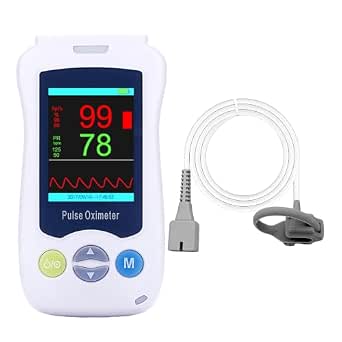
Medical Grade Pulse Oximeter for Adults – Continuous Monitoring, Adjustable SpO2 & Pulse Alarms, Rechargeable Handheld Oximeter
This professional-grade device provides accurate, continuous SpO2 and heart rate monitoring with a large HD display, making it suitable for elderly patients or those needing ongoing health assessment. Compared to the Wellue, it emphasizes long-term data storage (500 datasets) and adjustable alarms, but it’s more complex to operate and limited to fingertip measurement. Its rechargeable battery extends usage without frequent battery replacement, yet it might be overkill for casual users or those seeking simple spot checks. This model is best for users requiring detailed, ongoing data, but less ideal for quick, on-the-go readings. Pros: Highly accurate and reliable; Continuous long-duration monitoring; Large HD display; Adjustable alarms for safety. Cons: Complex for first-time users; Designed for fingertip measurement only; More expensive and feature-rich than basic models. Verdict: Ideal for patients or caregivers needing detailed, ongoing health data.- SpO2 Range: 70-100%
- Accuracy: ±1%
- Battery: Rechargeable, up to 8 hours
- Data Storage: 500 data sets
- Display: 2.4 inch HD
- Connectivity: USB-C charging
Our verdict“Best for Continuous Monitoring and Long-Term Tracking — a strong pick in this lineup.”
Overnight Pulse Oximeter with Medical-Grade Accuracy, Dual Probes, and Data Storage
The Overnight Pulse Oximeter offers medical-grade accuracy with dual probes suitable for both adults and infants, supporting continuous overnight monitoring. Compared with the handheld models, its bulkier design and dual probes make it better suited for home use, especially for sleep studies or long-term tracking. Its extensive data storage (500 records + 24-hour logs) provides comprehensive tracking capabilities, though its size and complexity might deter casual users. It’s tailored for caregivers or patients needing detailed overnight data, but not ideal for quick spot checks or on-the-go use. Pros: Medical-grade accuracy; Suitable for all ages; Large data storage; Dual probes for versatility. Cons: Bulky and less portable; May be complex for beginners; Needs power outlet or batteries. Verdict: Best for home sleep monitoring or long-term health tracking at home.- Measurement Range: SpO₂ 70-100%
- Accuracy: ±1%
- Data Storage: 500 records + 24 hours logs
- Display: 2.4-inch HD
- Power Options: Batteries or plug-in
- Probes: Adult and infant included
Our verdict“Best for Sleep and Continuous Monitoring at Home — a strong pick in this lineup.”
Fingertip Pulse Oximeter with Plethysmograph and Perfusion Index, Large OLED Display, Includes Carrying Case
The Amemo Fingertip Pulse Oximeter combines high accuracy with an extra-large OLED display, making it ideal for outdoor activities like aviation or sports. Its deviation of less than 1% under lab conditions rivals clinical-grade devices, but it’s primarily marketed for outdoor use, which might limit its appeal in clinical environments. The included case, lanyard, and silicone finger cover enhance portability and convenience, but it relies on non-rechargeable batteries, adding ongoing costs. It’s a strong choice for active users who need reliable, easy-to-read data in sunlight, though less suited for medical professionals seeking detailed data logs or integration. Pros: High accuracy under lab conditions; Large, bright OLED display; Includes comprehensive accessories; Wide finger size compatibility. Cons: Not rechargeable; Primarily designed for outdoor/sports use; Limited long-term durability info. Verdict: Perfect for outdoor enthusiasts and aviation professionals needing durable, clear readings.- Brand: Amemo
- Included Components: Carrying case, silicone cover, batteries, lanyard
- Warranty: 24 months
- Display: Large OLED
- Deviation: Less than 1%
- Compatibility: Wide range of finger sizes
Our verdict“Best for Outdoor Use and Wide Compatibility — a strong pick in this lineup.”
Wellue Bluetooth Pulse Oximeter Fingertip with Free App, Batteries, Carry Bag & Lanyard
This fingertip oximeter stands out for its rapid 8-second measurement time and Bluetooth connectivity, allowing real-time data tracking via a free app. Unlike medical-grade devices, it’s designed more for athletic or aviation enthusiasts who need quick, portable readings rather than clinical accuracy. The built-in memory and accessories add convenience, but the device isn’t approved for medical diagnosis. Compared to the handheld models, this is more compact and easier to carry but sacrifices some detailed data management and clinical validation.
Pros:- Fast and reliable SpO2 and pulse rate readings in 8 seconds
- Bluetooth connectivity with a free app for real-time data monitoring
- Includes carry pouch, batteries, and lanyard for portability
- Stores up to 12 readings for review
Cons:- Not intended for medical diagnosis or treatment
- Requires Bluetooth connection for full functionality
- Limited to sports and aviation applications
Best for: Active individuals who want quick, reliable SpO2 readings during sports or flights
Not ideal for: Patients or caregivers needing medically certified data for diagnosis or treatment decisions
- Measurement Time:8 seconds
- Connectivity:Bluetooth
- App Support:Free app
- Memory Capacity:12 readings
- Power:Batteries included
- Use Case:Sports and aviation
Our verdict“Ideal for active users who need quick, portable readings but not for clinical use.”
Pulse Oximeter Fingertip HealthTree Handheld SpO2 and Pulse Rate Monitor
This handheld pulse oximeter excels in supporting multiple users with individual data storage—up to 10 users and 300 records per person—making it well-suited for family or small team health monitoring. Its quick 3-5 second measurements are accurate enough for most non-clinical needs, and Bluetooth connectivity allows for detailed trend analysis. Unlike the pediatric-specific models, it’s versatile for adult use, but the need for Bluetooth can be cumbersome for some users who prefer simpler devices. Compared to the Wellue Bluetooth Fingertip, it offers more user management but adds complexity and size.
Pros:- Fast and accurate measurements within 3-5 seconds
- Supports up to 10 users with individualized data storage
- Bluetooth connectivity for detailed trend analysis
- Visual and audio alerts for abnormal readings
Cons:- Designed more for sports and aviation, not clinical diagnosis
- Requires Bluetooth connection, adding setup steps
- Includes multiple components that may be bulky
Best for: Families or small groups wanting multi-user data management for health or fitness tracking
Not ideal for: Individuals seeking a simple, lightweight fingertip oximeter without multi-user features
- Measurement Range (SpO2):70%–100%
- Measurement Tolerance:±1%
- Pulse Rate Tolerance:±1 bpm
- Data Storage:Up to 300 records per user
- Connectivity:Bluetooth
- Battery Life:Up to 10 hours
Our verdict“Best suited for multi-user environments where data management and trend tracking are priorities.”
Continuous Baby Pulse Oximeter with Heart Rate Monitor and Alarm
This pediatric device offers accurate, real-time readings with a large HD display and customizable safety alarms, making it suitable for daily monitoring of infants and children. Its multiple power options and data storage for 500 readings support consistent tracking. Compared to handheld models, it emphasizes continuous monitoring, but it’s limited to pediatric use, not suitable for adults. The device’s fast 8-10 second measurements and skin-friendly materials help ensure comfort and safety, though its data storage may be inadequate for very long-term monitoring.
Pros:- Accurate readings with fast 8-10 second measurement
- Customizable alarms for safety alerts
- Long battery life and multiple power options
- Skin-friendly, safe materials for daily use
Cons:- Requires charging or batteries for operation
- Limited to pediatric use, not suitable for adults
- Data capacity may be insufficient for long-term tracking
Best for: Parents and caregivers monitoring infants or children at home daily
Not ideal for: Adult patients or caregivers needing continuous long-term data over weeks or months
- SpO2 Measuring Range:0-100%
- SpO2 Accuracy:±1%
- PR Measuring Range:25-250 bpm
- PR Accuracy:±1 bpm
- Display:HD screen
- Data Storage:500 sets
Our verdict“Best for parents seeking reliable, daily pediatric SpO2 monitoring with safety alerts.”
Handheld Pediatric Infant Baby Oxygen Monitor with Wrap Probe, Medical Grade Accuracy, Continuous Tracking, and Customizable Alarm System
This versatile pediatric monitor offers medical-grade accuracy for infants, children, and adults, supporting continuous tracking with a wrap-around skin-safe probe. Its fast 8-10 second readings and customizable alarms improve safety and responsiveness in home or clinical environments. The device’s comprehensive alarm system—including lights, audio, and text alerts—enhances safety, but it requires AAA batteries and may be less suitable for long-term, unattended tracking. Compared to disposable spot-checkers, it provides more reliable, ongoing data but at a higher cost and complexity.
Pros:- Medical-grade accuracy for SpO2 and pulse rate
- Suitable for all ages, including newborns
- Continuous monitoring with wrap probe for comfort
- Customizable alarms for safety
Cons:- Requires AAA batteries, adding to maintenance
- Less ideal for long-term unattended monitoring
- Display may be hard to read outdoors or in bright light
Best for: Caregivers needing continuous, accurate monitoring for all ages at home or in clinical settings
Not ideal for: Users seeking a simple, portable device for occasional spot checks only
- Accuracy:±2%
- Display:2.4-inch HD LCD
- Power:AAA batteries
- Alarm System:Lights, audio, text
- Probe Type:Wrap-around, skin-safe
- Suitable For:Newborns, kids, adults
Our verdict“Great for comprehensive, continuous health monitoring across all age groups with a focus on safety.”
Wellue O2Ring Pulse Oximeter, Bluetooth SPO2 Blood Oxygen Saturation Monitor – Wearable O2 Ring Sensor with Vibration Reminder, Free App & PC Report, Rechargeable
This wearable device offers a comfortable, ring-style design for all-day, continuous tracking of SpO2 and heart rate, ideal for users who prioritize ongoing monitoring over quick spot checks. Its rechargeable battery supports up to 16 hours of use, and the detailed reports via app and PC provide insights that surpass typical handheld models like the Wellue Fingertip. However, this device is labeled for sports and aviation use only, not for medical diagnosis, which limits its applicability for clinical needs. Compared to the fingertip models, it provides a more seamless, hands-free experience but at a higher cost and dependence on Bluetooth connectivity.
Pros:- Lightweight and comfortable for all-day wear
- Provides detailed, long-term data reports via app and PC
- Long-lasting rechargeable battery with up to 16 hours of use
- Vibration reminder for alerts
Cons:- Not intended for medical diagnosis
- Limited to sports and aviation applications
- Requires Bluetooth for data transfer
Best for: Athletes or travelers requiring continuous, comfortable oxygen level tracking
Not ideal for: Patients needing medically certified oxygen saturation data for diagnosis or treatment
- Model:O2Ring
- Battery Life:Up to 16 hours
- Connectivity:Bluetooth
- Weight:15 g
- Use Case:Sports, aviation
- Additional Features:Vibration reminder
Our verdict“Best suited for users seeking continuous, non-medical oxygen monitoring during activities or travel.”
Wellue O2Ring Oxygen Monitor with Vibration Reminder, Bluetooth Pulse Oximeter, Rechargeable, Continuous SpO2 & PR Tracking
This wearable device stands out for its ability to provide continuous, all-day monitoring of blood oxygen and pulse rate, making it ideal for users needing ongoing data beyond basic spot checks. Compared with the Zacurate 500B-B, it offers more detailed tracking and vibration alerts, but it’s not designed for medical diagnostics. The device’s comfort and long battery life support extended wear, yet it lacks formal medical certification, limiting its clinical reliability. Bluetooth connectivity and app reports make data review straightforward, but the need for a compatible smartphone and the non-medical designation are potential hurdles for serious health monitoring.
Pros:- Continuous all-day monitoring with detailed reports
- Vibration alerts for low oxygen and abnormal heart rate
- Comfortable, lightweight silicon ring for extended wear
- Rechargeable with 12-16 hours of battery life
Cons:- Not a medical device, limited clinical reliability
- Requires Bluetooth connection for data transfer
- Limited to non-medical use, no FDA approval
Best for: Individuals requiring ongoing, non-invasive monitoring during sports, aviation, or sleep studies who prefer wearable comfort.
Not ideal for: Patients needing certified medical-grade data for diagnosis or treatment, as this device is intended for recreational and sports use only.
- Monitoring Duration:up to 16 hours
- Battery Life:12-16 hours
- Compatibility:iOS 9.0+, Android 5.0+, Bluetooth 4.0 BLE
- Sensor Size:suitable for finger perimeter 2.17-3.15 inches
- Memory:stores four groups of 10-hour data
Our verdict“This device is best suited for users seeking comfortable, long-term tracking rather than certified medical diagnostics.”
Zacurate 500 Series Fingertip Pulse Oximeter with Silicone Cover, Batteries, and Lanyard
This model makes the most sense for users who want fast, accurate readings without complex setup. Its large digital LED display and reliable performance outperform some basic models, but it’s limited to spot checks and not intended for continuous or overnight monitoring like the Wellue O2Ring. The device’s simplicity and included accessories make it ideal for sports and health enthusiasts, yet it requires batteries and isn’t suitable for users needing data storage or long-term tracking. Its accuracy in seconds is a clear advantage, but it’s less flexible for those seeking detailed health data over time.
Pros:- Accurate and reliable readings within 10 seconds
- Large, easy-to-read digital display
- Includes protective silicone cover and lanyard
- Simple to operate with minimal setup
Cons:- Requires batteries, which need replacement
- Limited to single, spot-check measurements
- Not suitable for medical diagnosis or continuous tracking
Best for: Active individuals needing quick, dependable SpO₂ and pulse rate checks during exercise or travel.
Not ideal for: Users requiring continuous or medical-grade monitoring, since it’s designed solely for immediate readings and not clinical use.
- SpO2 Range:up to 100%
- Display:Digital LED
- Battery:2 x AAA batteries
- Included Accessories:Silicone cover, lanyard
- Warranty:12 months
- Suitable For:Ages 12 and above
Our verdict“This device is ideal for active users who need quick, dependable spot checks without extra features.”
Zacurate 500B-B Wireless Bluetooth Fingertip Pulse Oximeter with App
This pick makes the most sense for users who want accurate readings combined with real-time data management via smartphone. Its upgraded OLED display and visual indicators improve readability over basic models like the Zacurate 500 series, but movement artifacts can affect accuracy, especially during active use. Bluetooth connectivity and app integration support multiple users and long-term data storage, yet it’s not designed for continuous overnight use or clinical diagnostics. The device’s portability and smart features appeal to sports, aviation, and home monitoring enthusiasts, but it requires a compatible smartphone for full functionality.
Pros:- Accurate readings with clear visual indicators
- Wireless Bluetooth connection with app support
- Suitable for multiple users and long-term data tracking
- Compact and easy to use
Cons:- Requires a smartphone for full functionality
- Movement can impair measurement accuracy
- Not intended for continuous overnight monitoring
Best for: Tech-savvy users needing reliable, wireless access to their health data for sports, travel, or home use.
Not ideal for: Individuals requiring clinical-grade, continuous monitoring or those without smartphones, as full features depend on app connectivity.
- Display:OLED
- Connectivity:Bluetooth
- App Compatibility:iOS and Android
- Battery:2× AAA batteries
- Measurement Range:SpO₂ and pulse rate
- Warranty:12 months
Our verdict“This device is ideal for active, tech-oriented users seeking reliable, wireless health data management.”
MiBest OLED Finger Pulse Oximeter, O2 Meter, Dual Color White/Black
This device makes the most sense for active users who prioritize portability and quick readings during outdoor activities. Its bright dual-color OLED display with adjustable brightness offers excellent visibility in various lighting conditions, surpassing simpler models like Zacurate 500. While it provides fast, accurate readings, it’s not designed for medical diagnosis or long-term health tracking, and some specifications like measurement range are not detailed. Its lightweight design and included accessories make it convenient for travel, but it shouldn’t replace medical devices for clinical decisions.
Pros:- Quick and accurate measurements
- Bright, adjustable dual-color OLED display
- Lightweight and portable for outdoor use
- Includes carrying case, lanyard, and batteries
Cons:- Not intended for medical diagnosis
- Measurement range details are unspecified
- Limited to non-medical applications
Best for: Outdoor enthusiasts, pilots, and athletes needing quick, reliable SpO₂ and pulse measurements in the field.
Not ideal for: Those needing certified medical data or long-term health tracking, since it’s intended solely for recreational use.
- Display:Dual-color OLED
- Display modes:6 modes
- Brightness levels:10
- Power source:2 AAA batteries
- Included accessories:Carrying case, detachable lanyard, user manual
- Measurement range:Not specified
Our verdict“This device is best suited for active users who want fast, reliable readings on the go without medical certification requirements.”
Continuous Pulse Oximeter Fingertip Medical Grade Accuracy Fast Reading SpO2 Pulse Rate Blood Oxygen Saturation Monitor with Data Storage and Adjustable Alarm
This handheld device makes the most sense for users who require precise, clinical-grade measurements with the ability to support continuous and spot checks. Its large 2.4-inch HD display and visual pulse wave signals make data easy to interpret, surpassing the simpler Zacurate and MiBest models in accuracy and features. The inclusion of data storage and adjustable alarms enhances its utility for home health monitoring or professional settings. However, proper placement is critical for accuracy, and its complexity may be overwhelming for casual users. It’s a clear choice for those needing reliable, medical-grade data rather than recreational tracking.
Pros:- Medical-grade accuracy with ±1% SpO₂ precision
- Large HD display with visual pulse wave
- Supports continuous and spot measurements
- Data storage with adjustable alarms for safety
Cons:- Requires proper finger placement for accuracy
- May be complex for inexperienced users
- Battery life varies with usage
Best for: Home users managing chronic conditions or professionals needing precise, continuous monitoring of oxygen saturation and heart rate.
Not ideal for: Casual users or those seeking a lightweight, simple device for occasional use, as it involves a learning curve and complexity.
- SpO2 Range:70-100%
- SpO2 Accuracy:±1%
- Heart Rate Range:25-250 bpm
- Heart Rate Accuracy:±1 bpm
- Display Size:2.4-inch HD
- Power Options:AC and battery
- Data Storage:500 data points
Our verdict“This device is best suited for serious health monitoring at home or professional environments needing reliable, precise data.”

How We Picked
To evaluate these pulse oximeters, I focused on their clinical accuracy, build quality, usability, and additional features like data storage and connectivity. Devices had to meet strict medical-grade standards for reliability, especially for users with health conditions that demand precise readings. I also considered how intuitive each device is for different user levels, from caregivers to healthcare professionals. Price was a factor, but only when justified by added functionality or durability. The ranking reflects a balance between performance, convenience, and value in real-world scenarios.Factors to Consider When Choosing Medicalgrade Pulse Oximeters
Choosing a medical-grade pulse oximeter involves understanding key factors that impact performance and usability. Not all devices are created equal, and selecting the right one depends on your specific health needs, lifestyle, and budget. This guide covers critical considerations that will help you avoid common pitfalls and make an informed decision.Accuracy and Certification
Since you’ll rely on these devices for health monitoring, prioritizing accuracy and medical certification is essential. Look for models that meet the standards of organizations like the FDA or CE markings, ensuring they provide reliable readings. Cheaper or uncertified devices may produce false alarms or missed detections, which can be dangerous for users with respiratory or cardiac conditions.
Connectivity and Data Management
Many modern pulse oximeters offer Bluetooth or app integration, enabling continuous tracking and easy sharing of data with healthcare providers. If ongoing monitoring or sleep tracking is needed, choose a device with robust connectivity features. However, consider the complexity of setup and the privacy of stored data—some users may prefer standalone units with simple displays for quick readings.
Portability and Wearability
If you need to monitor oxygen levels throughout the day or during sleep, portability becomes critical. Devices like wearable rings or small handheld units suit active lifestyles or sleep studies. Conversely, larger, more stationary models may be better for home use or clinical settings. Think about how and where you’ll use the device most often.
Ease of Use and Display
Intuitive operation and clear displays matter, especially for older adults or those managing chronic conditions. Look for large, bright screens and simple interfaces. Some devices include alarms and adjustable sensitivity, which are helpful but can also complicate operation if not user-friendly. Balance feature set with ease of use to avoid frustration or misinterpretation of results.
Battery Life and Maintenance
Long battery life reduces the hassle of frequent charging or replacement, which is a key convenience factor. Rechargeable batteries are common, but verify how long they last between charges. Also, check whether the device requires calibration or regular cleaning—poor maintenance can impact accuracy over time, defeating the purpose of choosing a high-quality device.
Frequently Asked Questions
Can I rely on a pulse oximeter for medical decisions?
While high-quality medical-grade pulse oximeters provide accurate readings, they should complement, not replace, professional medical advice. If your readings fluctuate or indicate a serious concern, consult a healthcare provider promptly. These devices are valuable tools for ongoing monitoring, but definitive diagnoses and treatment decisions should always involve a medical professional.
Are Bluetooth-enabled pulse oximeters accurate enough for clinical use?
Many Bluetooth-enabled pulse oximeters meet strict standards for clinical accuracy, especially those certified by regulatory agencies. However, accuracy can vary based on user technique and device quality. For critical health decisions, choose models with proven clinical validation and be aware of potential interference or connectivity issues that might affect data reliability.
How often should I replace or calibrate my pulse oximeter?
Most devices do not require calibration by the user but should be replaced if accuracy diminishes over time or after accidental damage. Regularly cleaning the sensor and following manufacturer guidelines can help maintain accuracy. Check if your device has a calibration indicator or if the manufacturer recommends periodic professional calibration, especially for clinical use.
Is a wearable pulse oximeter better than a handheld one?
Wearable models like rings or wrist devices excel for continuous, hands-free monitoring, making them ideal for sleep or activity tracking. Handheld units are generally more straightforward for spot checks and quick readings. The choice depends on your need for continuous versus occasional monitoring and your comfort with wearing devices throughout the day or night.
What features should I prioritize if I have a chronic respiratory condition?
For ongoing management, look for devices with continuous monitoring, data storage, and alarm systems to alert you of dangerous fluctuations. Connectivity options to share data with healthcare providers can be invaluable. Accuracy and reliability are non-negotiable, so prioritize models with validated medical-grade performance and durable construction to ensure consistent results over time.
Conclusion
For general users or those new to health monitoring, a simple, easy-to-use device like the Zacurate 500 Series offers reliable readings without complexity. If you require continuous data tracking, the Wellue O2Ring provides a seamless wearable experience, making it the best overall choice. For those with specific health conditions needing precise sleep or overnight monitoring, the Overnight Pulse Oximeter delivers professional-grade accuracy. Budget-conscious buyers should consider models like the MiBest OLED that balance affordability and reliable performance, while healthcare providers or advanced users may opt for higher-end, feature-rich options with extensive data management capabilities.