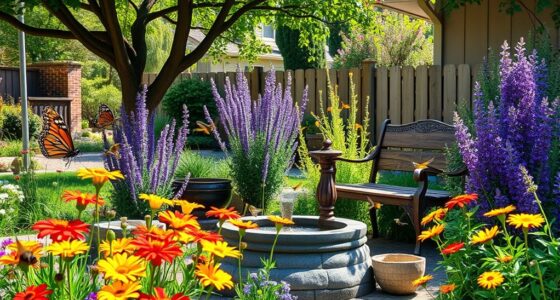
To reduce trimming and bare-soil problems, choose the right ground covers suited to your climate and sunlight. Plant dense, fast-growing species like creeping Jenny or sedum to promote quick coverage and suppress weeds. Water regularly during establishment and mulch around plants to conserve moisture. Maintain healthy growth by dividing or replanting thin areas and managing overgrowth. With proper selection and ongoing care, you’ll create a lush, low-maintenance landscape that stays attractive year-round—discover more tips to perfect your ground cover plan.

Get business pricing on tools and workshop supplies
- Business-only prices and quantity discounts
- Tax-exempt purchasing
- Multiple users, one account, clear invoices
Key Takeaways
- Select low-maintenance, fast-spreading ground covers for quick, dense coverage to minimize trimming.
- Regularly divide and replant thinning areas to maintain a uniform, weed-resistant carpet.
- Mulch around plants to suppress weeds and conserve moisture, reducing trimming needs.
- Monitor growth habits to prevent overgrowth and invasive spread, ensuring a tidy landscape.
- Choose native or well-adapted species for long-term resilience and minimal ongoing care.
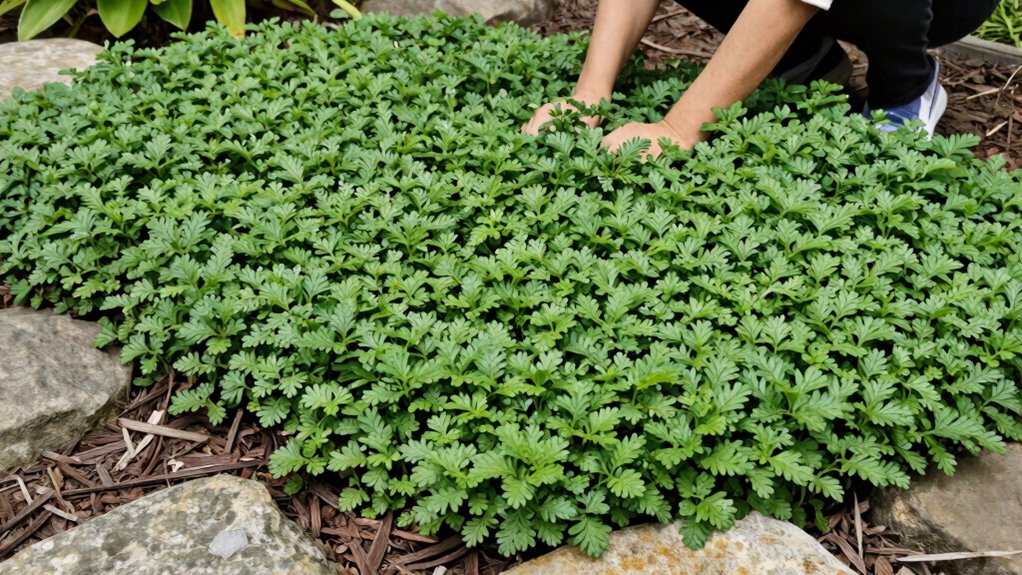
Have you ever wondered how to effortlessly reduce weeds and add visual interest to your garden? Using ground covers is a smart way to achieve both goals. When you select the right ground cover plants, you not only suppress weeds but also create a lush, attractive landscape that needs less maintenance over time. To do this effectively, you need to focus on plant selection and maintenance tips that suit your specific garden conditions and aesthetic preferences.
Start by choosing ground covers that thrive in your climate, soil type, and sunlight exposure. For example, if you have shady spots, consider options like creeping Jenny or sweet woodruff. For sunnier areas, sedum or creeping thyme work well. When you pick your plants, think about their growth habits—whether they spread aggressively or establish slowly—to guarantee they fit your space without becoming invasive. Plant selection is vital, as it influences how much effort you’ll need to put into maintenance later. Selecting native or well-adapted species minimizes watering and fertilizing needs and helps your garden stay healthy with less intervention. Incorporating native plants can also enhance the overall resilience of your landscape.
Choose ground covers suited to your climate and sunlight for a low-maintenance, thriving garden.
Once your ground covers are established, proper maintenance tips will keep them thriving and minimize your chores. Regularly watering them until they’re well-rooted encourages quick growth and dense coverage, which helps prevent weeds from taking hold. Mulching around the plants can conserve moisture and reduce weed germination further. Keep an eye out for any bare patches or thinning areas—replant or divide the ground cover as needed to maintain a continuous carpet. This prevents weeds from sneaking in through gaps and keeps your garden looking tidy. Additionally, understanding plant growth habits can help you manage your ground covers more effectively and prevent overgrowth. Being aware of weed suppression strategies can further improve your efforts to maintain a weed-free garden. Engaging in regular maintenance can dramatically extend the life and appearance of your ground cover landscape. Proper plant selection and ongoing care will ensure your ground covers provide long-lasting benefits with minimal effort. Fertilize sparingly, focusing on your plants’ specific needs, which reduces excess growth and keeps maintenance simple. With consistent care and proper plant selection, your ground covers will flourish, providing year-round beauty while drastically reducing trimming and bare-soil issues.
As an affiliate, we earn on qualifying purchases.
Frequently Asked Questions
Which Ground Cover Is Best for Shaded Areas?
For shaded areas, you should choose ground covers with high shade tolerance. Plants like Vinca minor, Pachysandra terminalis, or Sweet Woodruff thrive in low-light conditions and require minimal trimming. When selecting your ground cover, prioritize plant selection that specifically adapts well to shade, ensuring a lush, low-maintenance ground cover that reduces bare soil and trimming needs. These options will give your shaded space a vibrant, easy-care look.
How Often Should I Water Ground Covers?
You should water ground covers when soil moisture drops below the ideal level, usually about once or twice a week, depending on your climate and soil type. Investigate the truth of this by checking soil moisture regularly; if it feels dry at a few inches deep, it’s time to water. Consistent watering helps the ground cover establish strong roots and prevents stress, ensuring lush, healthy growth.
Can Ground Covers Prevent Weed Growth Long-Term?
Yes, ground covers can prevent weed growth long-term when you choose native species suited to your area. They effectively block sunlight, making it hard for weeds to establish. Plus, their dense roots help stabilize soil, reducing erosion and maintaining healthy soil conditions. Regular maintenance and proper planting make certain they stay vigorous, providing a natural weed barrier that minimizes your need for ongoing weeding and keeps your landscape lush and healthy.
Are There Ground Covers Suitable for Slopes?
Yes, there are ground covers suitable for slopes that effectively control erosion and tolerate drought. Plants like creeping thyme, sedum, and juniper spread quickly, stabilize soil, and require minimal watering once established. You’ll find these ground covers help prevent soil erosion on steep areas while reducing the need for frequent trimming. Plus, their drought tolerance makes them practical for slopes with limited water access, ensuring your landscape stays healthy and attractive.
How Do I Control Pests in Ground Cover Areas?
You can control pests in ground cover areas by choosing pest-resistant plants, which naturally deter bugs and diseases. Regularly inspect your ground cover for signs of pests and remove any affected plants promptly. Use organic pest control methods like neem oil or insecticidal soap to target pests without harming beneficial insects or the environment. Maintaining healthy, well-established ground covers also helps resist pest infestations naturally.
As an affiliate, we earn on qualifying purchases.
Conclusion
By choosing the right ground covers, you turn your garden into a lush, low-maintenance paradise, reducing trimming and bare spots. Think of ground covers as the silent heroes of your landscape—hidden yet powerful in their ability to protect and beautify. Embrace this natural armor, and watch your garden thrive with less effort and more beauty. After all, isn’t it worth letting nature do some of the work for you?
As an affiliate, we earn on qualifying purchases.
As an affiliate, we earn on qualifying purchases.
Fall Picks
fall essentials
As an affiliate, we earn on qualifying purchases.