
To build a smarter lawn-care routine, monitor weather forecasts and adjust watering based on soil moisture and rainfall, reducing stress on your grass. Choose the right grass for your climate and incorporate native plants to boost resilience. Regularly aerate your soil, mow at proper heights, and promptly remove debris like leaves and pet waste to prevent disease and pests. Staying proactive guarantees a lush, healthy yard—discover more tips to perfect your lawn approach.

Get business pricing on tools and workshop supplies
- Business-only prices and quantity discounts
- Tax-exempt purchasing
- Multiple users, one account, clear invoices
Key Takeaways
- Monitor weather forecasts regularly to adjust watering schedules based on rainfall and temperature fluctuations.
- Conduct soil moisture tests to optimize watering, avoiding over- or under-watering stressed grass.
- Select native grasses and diverse plants suited to your climate for a resilient, low-maintenance lawn.
- Mow at recommended heights and promptly remove debris to prevent disease and pest issues.
- Incorporate soil health practices like aeration and testing to support vigorous growth and reduce mess-related problems.
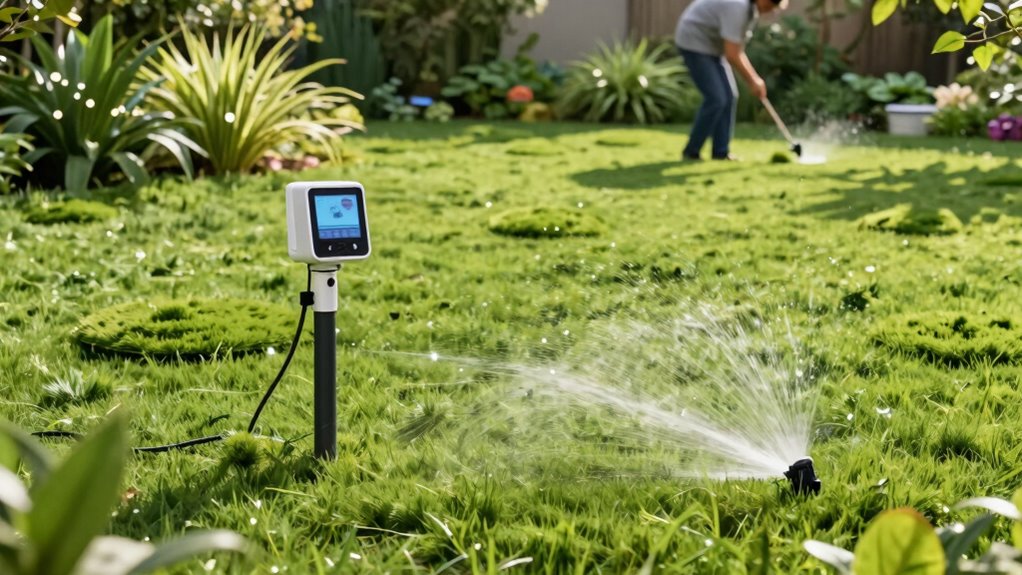
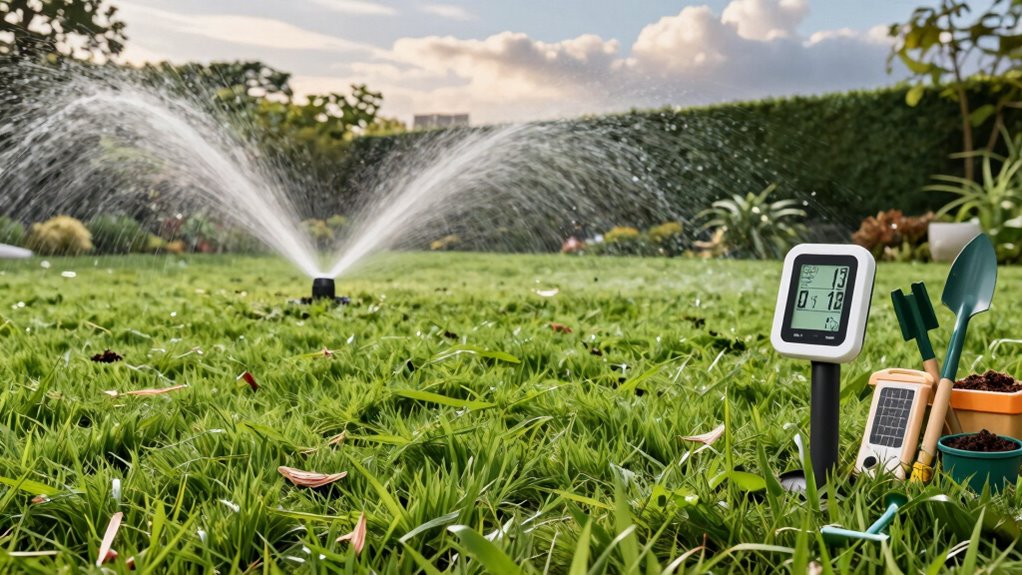
A healthy, lush lawn doesn’t happen by chance; it requires a thoughtful, strategic approach. To build a smarter lawn-care routine, you need to consider how weather, growth patterns, and messes influence your yard’s overall health. Weather plays a big role—hot, dry spells can stress your grass, while excessive rain might lead to fungal issues or muddy patches. Monitoring weather forecasts helps you adjust your watering schedule accordingly. Instead of watering on a strict timetable, pay attention to soil moisture levels, which gives you a better idea of when your lawn truly needs hydration.
Focusing on soil health is essential. Healthy soil provides the foundation for strong, resilient grass. Regularly test your soil to check pH and nutrient levels, then amend it as needed. Aeration is another key step—by poking small holes in your lawn, you improve air circulation and water penetration, encouraging deep root growth. When soil is in top shape, your grass can better withstand weather fluctuations and resist pests and diseases naturally. Paying attention to soil health and maintaining proper moisture levels can help prevent many common problems before they start. Additionally, choosing the right grass type for your climate can significantly improve your yard’s resilience and reduce maintenance needs. Proper lawn diversity can also contribute to a more resilient and sustainable yard, supporting beneficial insects and native plants. Incorporating native plants into your lawn can enhance its biodiversity and overall health. Speaking of pests, pest management is crucial for maintaining a vibrant lawn. Instead of jumping straight to chemicals, identify the specific pests causing trouble. Sometimes, healthy soil and proper watering can prevent pest infestations altogether, since stressed grass invites unwanted visitors. If pests do become a problem, opt for integrated pest management strategies—targeted treatments that minimize chemical use and protect beneficial insects.
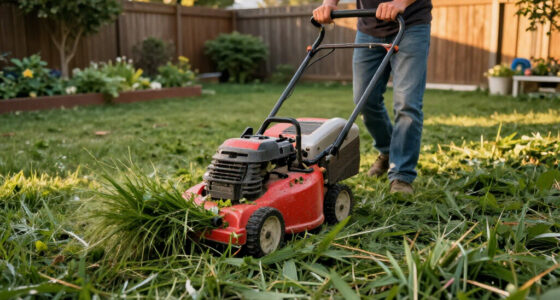
Growth patterns are also vital to your routine. As your grass grows, it’s important to mow at the right height—too short, and you risk damaging the root system; too tall, and mowing becomes more difficult and can promote disease. Regular mowing, with sharp blades, keeps your lawn looking tidy and healthy, while also discouraging weeds. Pay attention to messes—fallen leaves, pet waste, or debris—and clean them up promptly. These messes can smother grass, promote disease, or attract pests if left unattended. Raking fallen leaves in the fall prevents suffocation and reduces the chance of fungal issues, especially during damp weather. Proper lawn maintenance practices can also help you catch problems early and keep your yard thriving through every season.
Products Worth Considering

Roborock F25 BX Cordless Wet/Dry Vacuum Cleaner

Google Nest Doorbell (Wired, 2nd Gen) with Intelligent Alerts, Snow

eufy Security 5-Piece Home Alarm Kit
As an affiliate, we earn on qualifying purchases.
Frequently Asked Questions
How Often Should I Adjust My Lawn-Care Routine Seasonally?
You should adjust your lawn-care routine seasonally about every three to four months. Focus on fertilizer timing to match growth cycles and make mower height adjustments to keep your grass healthy. In spring, boost growth with fertilization and lower mower height. As summer arrives, increase watering and raise mower height. Fall requires less fertilizer and longer grass, while winter needs minimal maintenance. Regular adjustments keep your lawn vibrant year-round.
What Specific Weather Conditions Most Impact Lawn Health?
Think of your lawn like a delicate dance—climate patterns and soil temperature set the rhythm. Extreme heat, drought, or heavy rain can stress your grass, just like a sudden tempo change throws off a dancer. Warm soil boosts growth, while cold soil stalls it. Monitoring these conditions helps you adjust watering and fertilizing, ensuring your lawn stays healthy and resilient through changing weather patterns.
How Can I Tell if My Lawn Needs More or Less Water?
You can tell if your lawn needs more or less water by observing signs of drought stress or overwatering. If the grass turns bluish-gray or feels soft and mushy, it likely needs more water. Conversely, if it’s yellowing, has a spongy feel, or shows signs of fungal growth, you’re overwatering. Check soil moisture with a screwdriver or moisture meter to make precise decisions and avoid watering mistakes.
What Tools Are Best for Monitoring Soil Moisture and Growth?
Did you know that soil sensors can detect moisture levels with up to 99% accuracy? For monitoring soil moisture and growth, invest in reliable soil sensors that provide real-time data, helping you avoid over or under-watering. Growth trackers are also valuable for observing plant development over time. These tools let you make informed decisions, ensuring your lawn stays healthy and lush without unnecessary effort or waste.
How Do Pests and Diseases Influence My Lawn-Care Schedule?
Pests and diseases considerably impact your lawn-care schedule by requiring prompt pest prevention and disease management. When you notice signs of pests or diseases, act quickly to prevent spread and damage. Regular inspections help catch issues early, allowing you to adjust your routine accordingly. Incorporate targeted treatments and maintain healthy soil to strengthen your lawn’s natural defenses, ensuring it stays lush and resilient against future pest and disease threats.
Conclusion
By aligning your lawn-care routine with weather patterns, growth cycles, and mess management, you’ll see healthier, greener grass with less effort. Did you know that lawns watered during early morning hours use 30% less water and resist drought better? Staying attuned to these factors not only saves you time and money but also promotes a more sustainable approach. Embrace smarter practices, and your lawn will thrive while you enjoy a lush, beautiful yard year-round.