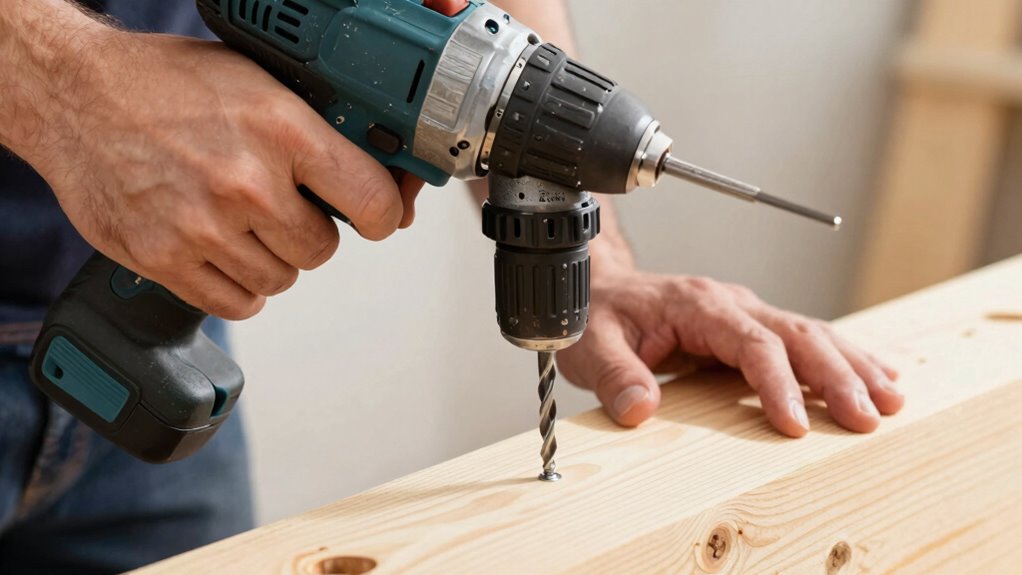

To avoid snapping fasteners or injuring your wrist, choose the right fasteners for your material and application, ensuring they’re impact-rated and suited for outdoor use if needed. Use a steady grip and start with a low torque setting, gradually increasing as necessary. Keep the bit properly fit and avoid over-tightening. Proper technique and understanding your impact driver’s limits help prevent damage. Want to master these tips and work safely? Keep exploring for more expert advice.

Get business pricing on tools and workshop supplies
- Business-only prices and quantity discounts
- Tax-exempt purchasing
- Multiple users, one account, clear invoices
Key Takeaways
- Select the correct fasteners for your material and impact driver to prevent snapping and ensure durability.
- Use appropriate torque settings and start low, gradually increasing to avoid over-tightening and fastener breakage.
- Maintain a steady grip and proper stance to minimize wrist strain and enhance control during operation.
- Ensure bits fit snugly and are compatible with fasteners to prevent slipping and damage.
- Regularly inspect and replace worn bits to maintain safety and efficiency during use.
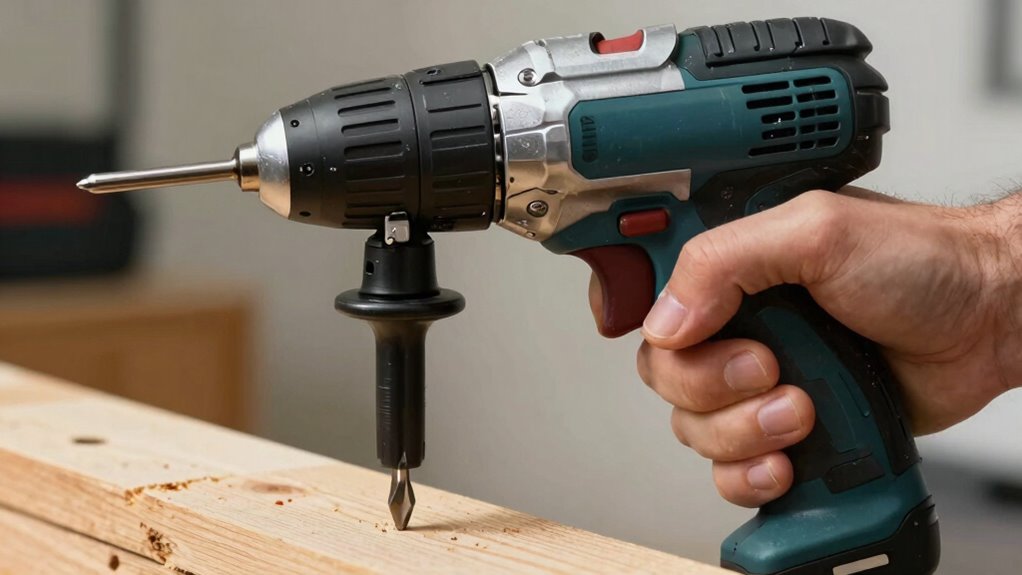
Using an impact driver can save you time and effort on tough fastening tasks, but if you’re not careful, it can also lead to snapped fasteners or strained wrists. The key to avoiding these issues lies in understanding impact driver safety and practicing proper fastener selection. When operating an impact driver, you need to be aware of how much torque you’re applying. Too much torque can snap fasteners, especially if they’re made of brittle materials or are too small for the task. To prevent this, always choose fasteners that match the material and application. For example, using heavy-duty screws for thick wood or metal, and smaller ones for delicate projects, helps guarantee the fastener can handle the impact without breaking.
Impact driver safety also involves proper technique. Keep a firm grip on the tool but avoid over-tightening, which stresses your wrists and arms. The impact driver’s rotational force is powerful, and if your grip is too loose, you risk losing control. Conversely, gripping too tightly can cause fatigue and strain. It’s best to hold the tool with a steady, comfortable grip and let the tool do the work. When starting, set the impact driver to a lower torque setting if your device allows, then gradually increase as needed. This approach minimizes the risk of overdriving or snapping fasteners. Additionally, understanding the limits of impact drivers helps prevent overexertion and damage.
Maintain a steady grip and start with lower torque to prevent fastener damage and wrist strain.
Another safety tip involves the proper bit and fastener fit. Always confirm the bit fits snugly into the fastener head. A loose fit can cause slipping, which not only damages the fastener but also increases the risk of injury. Using the right impact-rated fasteners for your specific project is essential. Impact-rated fasteners are designed to withstand the high torque and repetitive impacts from impact drivers, reducing the likelihood of snapping. When selecting fasteners, consider the material and whether they’re corrosion-resistant if your project is outdoors.
Products Worth Considering

Philips Hue Amarant Outdoor Smart Light Bar, Black

Sonos One (Gen 2) Two-Room Set Voice-Controlled Smart Speaker with Alexa (2-Pack, Black)

Dyson Ball Allergy Upright Vacuum
As an affiliate, we earn on qualifying purchases.
Frequently Asked Questions
What Safety Gear Should I Wear When Using an Impact Driver?
When using an impact driver, you should wear protective eyewear to shield your eyes from debris and dust. Prioritize hand safety by wearing gloves to improve grip and reduce vibrations that could cause injury. Additionally, consider wearing ear protection if you’ll be working for extended periods, and make certain your workspace is clear of hazards. This safety gear helps prevent accidents and keeps you comfortable and protected during your project.
How Do I Choose the Right Impact Driver for My Project?
To choose the right impact driver, consider your project’s needs. Check battery compatibility to guarantee it matches your existing tools, saving you money and storage space. Focus on motor torque; higher torque delivers more power for tough materials, while lower torque suits delicate tasks. Evaluate the size and weight for comfort, and look for adjustable speed settings. This approach guarantees you select an impact driver that’s efficient and safe for your specific project.
Can Impact Drivers Be Used for Delicate or Precision Work?
Yes, impact drivers can be used for delicate or precision work if you adopt proper techniques. Use lightweight settings, select smaller bits, and apply gentle, controlled pressure. Precision techniques involve adjusting torque and speed for delicate applications, preventing damage to materials or fasteners. Always test on scrap material first. With care, impact drivers become versatile tools suitable for both heavy-duty tasks and delicate applications.
What Maintenance Does an Impact Driver Require?
To keep your impact driver in top shape, follow regular maintenance routines, like cleaning the vents and checking for loose parts. Battery care is essential—avoid letting the battery completely drain and store it in a cool, dry place. Keep the chuck clean and lubricated if needed. By maintaining your impact driver properly, you’ll guarantee it performs reliably and lasts longer, saving you time and money in the long run.
How Do I Troubleshoot if My Impact Driver Isn’t Working Properly?
If your impact driver isn’t working properly, start by checking impact driver compatibility with your tool or project. Make certain the battery is charged and monitor battery life management; a weak or drained battery can cause poor performance. Inspect the chuck and bits for damage, and clean or replace as needed. Also, verify the motor brushes and wiring for wear or damage to identify potential electrical issues that could hinder operation.
Conclusion
Remember, patience and proper technique are your best tools. By keeping your impact driver steady and applying consistent pressure, you’ll avoid snapping fasteners or risking wrist injuries. Think of it like sailing—steady hands steer the ship safely through rough waters. Practice makes perfect, so take your time and stay cautious. With care and attention, you’ll get the job done right without unnecessary setbacks. After all, a little care goes a long way!