
TL;DR

Get business pricing on tools and workshop supplies
- Business-only prices and quantity discounts
- Tax-exempt purchasing
- Multiple users, one account, clear invoices
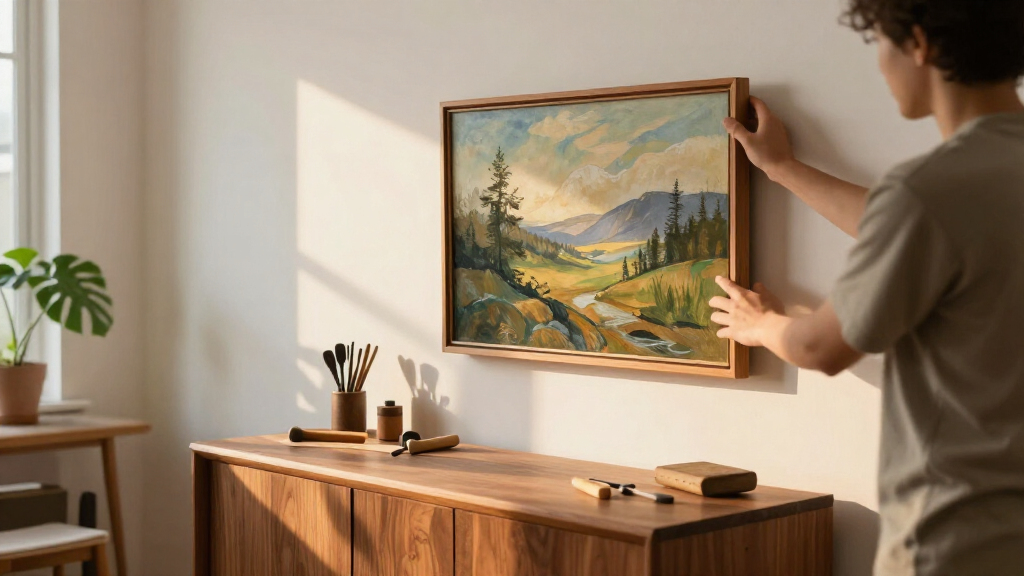
Art in the home may affect mood through color, shape and the memories or associations viewers bring to it, according to art historian Susie Hodge and decorator Cameron Jones. Their central qualification is that responses are personal: a color or image that calms one person may unsettle another.
A Veranda report on art and emotion describes how artwork at home may shape people’s moods through color, form and personal associations, drawing on comments from art historian Susie Hodge and decorator Cameron Jones. Their guidance is not that any artwork produces the same response in everyone: both emphasize that emotional reactions are subjective.
Hodge, author of How Art Can Change Your Life, says viewing art a person finds pleasing can produce a dopamine response. She compares the feeling associated with art someone particularly likes to euphoric emotions experienced when looking at a loved one. The report presents this as Hodge’s explanation, not as evidence that all viewers respond alike or that a particular artwork will have a guaranteed effect.
Jones says she asks clients how they want a room to feel before helping select its design. In bedrooms, she suggests that greens, blues and pale neutrals may suit a desire for calm. Yellow in a breakfast room might feel energizing, while reds or oranges in a dining room may add warmth and liveliness. Artwork can introduce a limited amount of color when a homeowner does not want brightly colored walls or furnishings.
The report also describes how form may affect a viewer. Jones says clients often feel calmer around abstract work with rounded shapes and softer lines. Hodge says smooth lines, soft colors, circles and horizontal compositions can feel peaceful to some viewers, while sharp angles, jagged lines and strong colors may feel energizing, anxious or irritating. These are reported observations and tendencies, not universal rules.
Choosing Art for the Mood at Home
The advice matters to people choosing art for rooms where they rest, work or host others because a piece can shape the atmosphere without changing the entire interior. A painting may offer a small, flexible way to add color or make a space feel more personal. Jones’s approach—starting with how a client wants a room to feel—puts the resident’s own response ahead of a fixed decorating formula.
That distinction also limits what can be concluded. The report offers expert perspectives and examples, rather than a controlled study showing that particular colors or shapes reliably change mood. Art can prompt reflection or pleasure, but it may also bring up memories or discomfort. Choosing work that feels right to the people who live with it is more defensible than assuming a color will have a predictable psychological effect.
Products Worth Considering

Levoit Vital 200S-P Smart Air Purifier for Large Rooms up to 1875 ft²

Ring Alarm Pro 14-Piece Home Security Kit with Built-In eero Wi-Fi 6 Router

Philips Hue White and Color Ambiance Smart Light Starter Kit, 2 A19 Bulbs with Hub
As an affiliate, we earn on qualifying purchases.
Why Viewers Read Art Differently
The report uses examples from artists whose work has been discussed in relation to emotion. Hodge says Agnes Martin sought to replace stressful feelings with calm, positive thoughts and points to Martin’s blue painting Night Sea, held by the San Francisco Museum of Modern Art. She also cites Henri Matisse’s belief in color’s effects and Mark Rothko’s interest in expressing basic human emotions through large fields of color.
Those examples describe artists’ aims and Hodge’s interpretations; they do not establish that every viewer experiences the paintings as intended. The report also cites Andy Warhol’s repeated depictions of Campbell’s soup as an example of finding inspiration in familiar, everyday objects. Across these cases, the article’s main point is that meaning depends partly on the viewer, including their memories and experiences.
““When we see art that we find pleasing, it gives us a dopamine rush.””
— Susie Hodge, art historian and author of How Art Can Change Your Life
No Mood Response Fits Everyone
The supplied report does not cite a specific scientific study, sample size or measured outcome for the claims about color, shape and emotion. It is not clear how often the described responses occur, or how strongly they depend on factors such as a viewer’s experiences, the room’s lighting or the artwork’s subject. The article itself stresses that the same painting may please one person and cause anxiety or recall an unpleasant memory for another.
Hodge’s dopamine comparison and the artists’ stated intentions should be read as attributed explanations, not proof that a particular artwork will cause a measurable emotional or health benefit. The report provides no clinical advice and does not establish that art can treat depression, schizophrenia or other conditions.
Start With Your Own Response
The report gives no announced follow-up study or scheduled next development. For homeowners, its practical takeaway is to notice how a piece feels to them and to the people who share the space before deciding where it belongs. Someone seeking a calmer room might try softer colors or rounded forms, while a person who wants more energy may prefer stronger colors or patterns—but their own reaction remains the best guide.
Jones’s suggested starting point is to identify the desired feeling for a room, then use artwork to support that atmosphere. Because preferences and associations differ, the report does not recommend a single palette or style for everyone. Any claims about lasting or clinical effects remain outside what the supplied material establishes.
Key Questions
Can art at home affect how people feel?
According to art historian Susie Hodge and decorator Cameron Jones, art may influence mood through its color, shapes and personal meaning. The report stresses that responses differ from person to person.
Which colors may feel calming?
Jones suggests greens, blues and pale neutrals for rooms intended to feel calm. Hodge also describes soft colors and forms such as circles as potentially peaceful. These are suggestions, not guaranteed effects.
Does abstract art make people feel calmer?
Jones says some clients respond calmly to abstract art with rounded shapes and softer lines. Other viewers may react differently, depending on their preferences and experiences.
Can art improve mental health?
The report discusses possible emotional responses to art but does not establish that artwork treats mental-health conditions or produces a clinical benefit. It presents expert perspectives rather than clinical evidence.
Source: veranda.com