
TL;DR
A Livingetc report describes renewed interest among British designers in traditional tiled ceramic stoves, including Swedish kakelugnar. Designers and a stove-company director cited in the report say these heaters can release warmth for 12 to 24 hours after one burn, but prices start at several thousand pounds and performance depends on the model and installation.
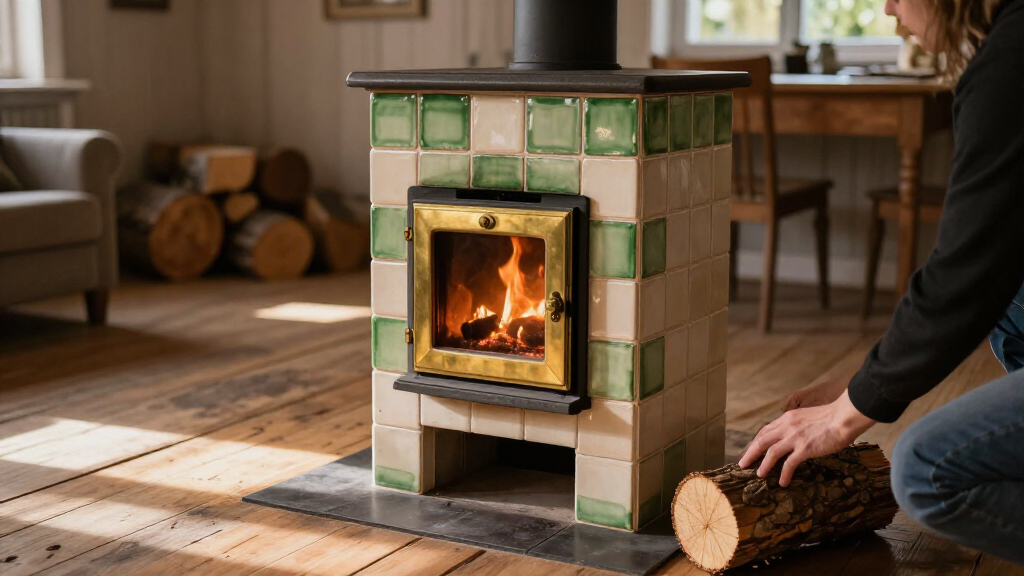
British interior designers are increasingly specifying traditional tiled ceramic stoves, including Swedish kakelugnar, as alternatives to conventional fireplaces, according to a Livingetc report. The stoves are valued for their sculptural appearance and, according to an industry source quoted in the report, their ability to provide 12 to 24 hours of heat after one hot burn; their costs and installation requirements may limit their use.

Get business pricing on tools and workshop supplies
- Business-only prices and quantity discounts
- Tax-exempt purchasing
- Multiple users, one account, clear invoices
Livingetc describes the stoves as a centuries-old northern European heating tradition that is attracting fresh attention in British interiors. The report quotes interior designer Henri Fitzwilliam-Lay calling them focal-point objects and describing their heating output as efficient. Alan Hills, director of The Ceramic Stove Company, says ceramic stoves are less familiar to British households accustomed to open fires.
Hills says a ceramic stove can produce heat for 12 to 24 hours from one burn, using fewer logs than a conventional wood burner. He also says a hotter fire combusts particulates in the firebox and produces fewer emissions. These are industry-source claims reported by Livingetc; the article does not provide independent emissions measurements, comparative tests or model-by-model performance data.
The report cites installations in homes and design projects, including a custom pink stove in a Finnish home by AOR Architects and a gas-fitted model in an east London terrace designed by Olivia Outred. Outred says her clients wanted both heat and a sculptural feature that would not obstruct windows. The examples show that designs and fuel arrangements vary; they do not establish that every ceramic stove is suitable for every home or local air-quality rule.
Heat Storage Meets Interior Design
The appeal described in the report combines practical heating with a visible architectural feature. Unlike an open hearth, a heat-storing ceramic stove is designed to absorb warmth during a fire and release it over time. If the reported performance applies to a particular installation, that could mean less frequent burning and a different heating pattern for a household.
But buyers should not treat the broad efficiency and emissions claims as a guarantee. The report gives no standardized comparison of fuel use, emissions, operating costs or heat output. It also says prices start at several thousand pounds, before any project-specific building work. The potential reduction in fuel use or bills is not quantified, so the article does not establish a payback period.
Products Worth Considering

Shark AV2501S AI Ultra Robot Vacuum with Matrix Clean and Self-Empty Base

Philips Hue Amarant Outdoor Smart Light Bar, Black

Philips Hue Play Gradient Light Tube, Large, Black
As an affiliate, we earn on qualifying purchases.
A Northern European Heating Tradition
The article uses kachelofen for the German term and kakelugn for the Swedish term. It presents the tiled stoves as long-standing fixtures in northern Europe that are only now becoming more familiar in British design projects. Their ceramic surfaces can be plain or elaborately decorated, making the heater a prominent element rather than a background appliance.
Installation can involve more than placing a freestanding unit. Hills advises timing the work after wet trades such as plastering are complete and says some homes may need a reinforced base. Outred describes a project in which a brick tower was built first and tiles were applied in the room. The report says many stoves are modular and can be assembled in a couple of days, but the exact schedule will depend on the model and property.
“Ceramic stoves work by generating heat for 12 to 24 hours from one hot burn, using far fewer logs than a conventional wood burner.”
— Alan Hills, director of The Ceramic Stove Company, as quoted by Livingetc
Performance and Costs Vary
The supplied report does not give its publication date, independent efficiency testing, emissions figures or a direct comparison between ceramic stoves and conventional wood burners. It also does not specify the full purchase and installation costs beyond saying prices start at several thousand pounds. Actual heat output, fuel use and suitability may vary by design, fuel, building and installation.
The article mentions strict air-quality controls in London and says one east London stove was fitted for gas to meet local requirements. It does not set out the rules for other locations or explain which models and fuels are permitted in each area. Readers would need to check current local requirements and obtain advice for their specific property before choosing a stove.
Check the Home Before Buying
The next step for a prospective buyer is a property-specific assessment of the stove, fuel, flue, floor support and applicable air-quality rules. The report recommends planning installation around wet trades and notes that a reinforced base may be needed. It does not identify a single standard installation process or give a universal timeline.
Livingetc presents the trend through designers’ projects rather than announcing a formal market study or a new product launch. Further evidence would be needed to compare emissions, running costs and heat performance across models. Until then, the reported interest is a design and heating development, not proof that every ceramic stove is more efficient or cheaper to run than every conventional wood burner.
Key Questions
What is a Swedish kakelugn?
A kakelugn is a Swedish term for a traditional tiled ceramic stove. The Livingetc report describes such stoves as heat-storing heaters with decorative ceramic surfaces.
How long can a ceramic stove stay warm?
Alan Hills of The Ceramic Stove Company says the stoves can provide heat for 12 to 24 hours after one hot burn. The report does not supply independent tests, and results may differ by model and installation.
Are ceramic stoves cheaper to run than wood burners?
The report says they can use fewer logs, but it provides no comparative fuel-use figures or running-cost analysis. It does not establish that a ceramic stove will lower every household’s bills.
How much does a ceramic stove cost?
Livingetc says prices start at several thousand pounds. It gives no complete price range or universal installation cost, which can depend on the stove and the work required in the home.
Can a ceramic stove be installed in any home?
Not necessarily. The report says some installations may require a reinforced base and notes that fuel and local air-quality requirements matter. Buyers should check rules and building conditions for their property before proceeding.
Source: rss