TL;DR
A Hunker report identifies two cabinet directions designers expect to be prominent in 2027: a return to traditional profiles and fewer upper cabinets. The report cites designer comments and Google Trends search data, but it does not establish that either trend will dominate kitchens nationwide.
A Hunker report identifies two kitchen-cabinet directions designers expect to gain attention in 2027: more traditional door and furniture details, and fewer upper cabinets in favor of alternatives such as open shelves. The article describes these as emerging design trends, not a measured forecast that they will become standard in kitchens.

Get business pricing on tools and workshop supplies
- Business-only prices and quantity discounts
- Tax-exempt purchasing
- Multiple users, one account, clear invoices
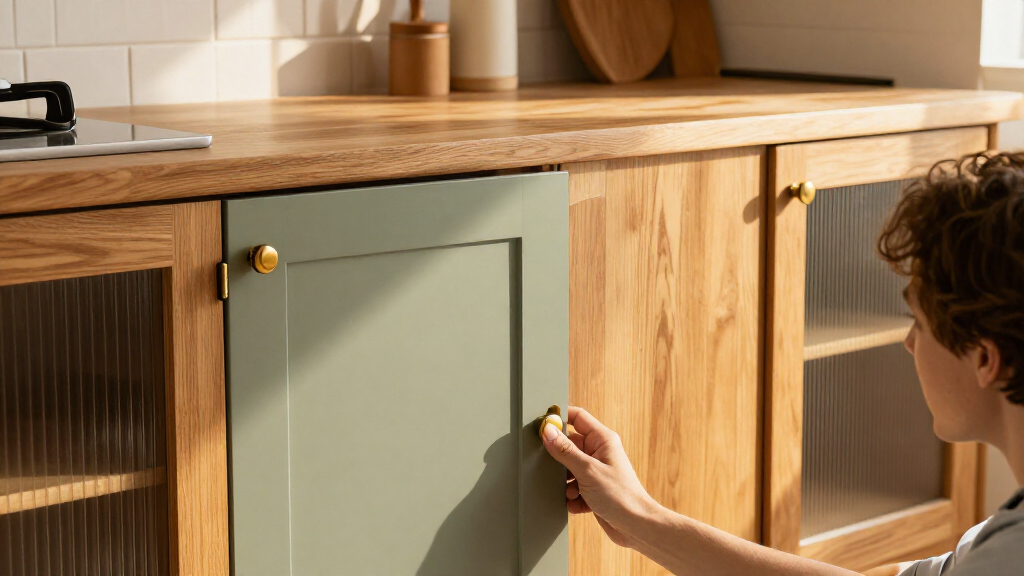
The traditional look described in the report includes warm wood finishes, Shaker-style doors, inset fronts that sit within a cabinet frame, and furniture-like touches such as decorative legs or exposed hinges. Designer Christopher Boutlier told Southern Living that he is seeing kitchens that are “not fussy or overly ornate” but feel as if they “could have been built a hundred years ago.” Hunker says contemporary paint colors and slimmer Shaker frames can make the classic forms feel less formal.
The second direction is a reduction in upper-wall storage. Some designers are opting for open shelves, hanging rails for cookware, display cabinets, or clear wall space instead of continuous rows of cupboards. Designer Brianna Scott told Good Housekeeping that people like collecting kitchen items and described the aim as a space that is “functional yet open and not filled with a ton of millwork.” The report also notes an exception: upper cabinets that extend to the ceiling remain an option for households needing enclosed storage.
Hunker cites Google Trends data showing searches for the phrase “traditional kitchen cabinetry” rose 150% from 2025. That figure concerns search interest, not completed renovations or the share of kitchens using traditional cabinetry. The report does not provide a comparable national measure for the decline in upper cabinets.
Design Choices Meet Storage Needs
The two directions point to different priorities in kitchen planning: visual warmth and character on one hand, and a more open wall area on the other. For homeowners considering a renovation, they offer ways to change the room’s appearance without treating one specific finish or cabinet layout as mandatory.
Removing wall cupboards can make a kitchen feel less enclosed, but it also reduces storage that would otherwise be out of sight. Open shelving puts dishes and other items on display and may require regular organization and cleaning. The trade-off can matter particularly in smaller kitchens or homes with limited pantry space. The report’s ceiling-height-cabinet exception reflects that closed storage remains a practical consideration, even as designers explore alternatives.
Traditional details also do not require recreating an older kitchen wholesale. Inset doors, wood tones, or furniture-inspired hardware can be used alongside simpler finishes. These are design possibilities discussed in the report, rather than evidence that homeowners are broadly adopting them.
Products Worth Considering

Levoit Vital Pet Pro Smart Air Purifier for Large Rooms

Shark HydroVac MessMaster Cordless Wet Dry Vacuum and Mop Combo, AW261

Dyson Airwrap Multi-Styler Complete Long
As an affiliate, we earn on qualifying purchases.
From Warm Finishes to Open Walls
Hunker places the outlook against a shift away from kitchens it describes as stark or clinical, toward spaces with warmer tones and textures. It says natural wood, molding, and classic profiles are part of the renewed interest in traditional cabinetry. Its cited search data offers one indication of online interest, but search activity alone cannot show how many people are selecting these features for actual projects.
The report also traces interest in fewer upper cabinets to a desire for kitchens that feel personal and lived-in. Open shelves allow household items to serve as display, while hanging rails keep pots and utensils accessible. These choices can leave the walls visually lighter, though the layout depends on how much storage a household needs.
Neither direction is entirely new: Shaker cabinetry and inset construction have long histories, while open shelving has appeared in recent kitchen designs. Hunker’s 2027 framing is that designers see renewed attention to those familiar approaches. The article does not name a formal industry forecast or quantify how widespread either direction is.
““Not fussy or overly ornate, but kitchens that feel as though they could have been built a hundred years ago.””
— Christopher Boutlier, speaking to Southern Living, as quoted by Hunker
How Broad the Shift Will Be
The report does not establish that these styles will “take over” kitchens in 2027. It provides designer observations and one search-interest statistic, but no representative survey of homeowners, renovation data, or market figures showing the share of projects using either trend. The 150% search increase is measured against 2025; the article does not specify the full search window or provide the underlying data series.
It is also unclear how many households will remove upper cabinets, rather than mix open shelving with closed storage or choose ceiling-height cupboards. Decisions are likely to depend on room size, budget, household storage needs, and personal preference. The report gives design examples, not cost estimates or evidence that one layout works for every kitchen.
Watch Renovation Choices in 2027
The report offers a design outlook rather than a scheduled announcement or policy change, so there is no single next milestone. Whether the forecast gains support should become clearer through 2027 renovation coverage, designer recommendations, and data on cabinet selections and sales. Those measures would provide stronger evidence of adoption than search interest alone.
For now, homeowners weighing the ideas can compare the appearance of traditional details with the storage capacity of their current layout. A kitchen can use classic doors while retaining closed upper cupboards, or reduce wall cabinetry without committing to entirely open storage. The source does not recommend one approach for all households.
Key Questions
What two cabinet trends does the report expect for 2027?
Hunker points to renewed interest in traditional cabinet details and fewer upper cabinets, with alternatives such as open shelving or hanging rails.
What counts as traditional cabinetry in the report?
Examples include warm wood, Shaker-style doors, inset fronts, and furniture-like features such as decorative legs, statement hardware, or exposed hinges. The report also mentions slimmer Shaker frames as a more streamlined option.
Are upper cabinets going away completely?
No. The report describes a move toward fewer upper cabinets, not their total removal. It notes that ceiling-height cabinets can provide enclosed storage and avoid leaving unused space above cupboards.
Does the 150% figure prove traditional cabinets will dominate?
No. Hunker cites a 150% rise in Google searches for “traditional kitchen cabinetry” from 2025. Search interest is not the same as purchases or renovation choices, and the article does not give a market-share forecast.
Source: rss