TL;DR
Compact cordless drills are easier to handle in cabinets, corners, and overhead work, but “compact” is not a standardized category. Choose 12V for light repairs and furniture assembly, or compare compact 18V/20V max models for frequent work and larger holes; then check the tool’s weight with its battery, length, clutch, chuck, and platform compatibility.
The screw is almost seated, your arm is stretched inside a cabinet, and the drill’s battery is nudging the shelf above it. That’s when a shorter, lighter tool can feel like the right choice. Compact cordless drills make awkward household jobs easier to control, especially in corners, overhead, and inside furniture.

Get business pricing on tools and workshop supplies
- Business-only prices and quantity discounts
- Tax-exempt purchasing
- Multiple users, one account, clear invoices
But “compact” is a loose label, not a shared size standard. You’ll learn how to compare 12V and 18V/20V max drills, which features help in real projects, and when a compact drill isn’t the right tool. The goal: buy for the work you actually do, not a number on a box.
Imagine assembling a bookcase in a spare room. A small drill with a clutch can seat screws neatly without chewing up the particleboard. If you’re also planning to drill wide holes through thick timber, though, that same tool may feel underpowered. Knowing the difference can save your wrist, your project, and the cost of buying twice.
“Compact” has no shared size standard, so compare length and weight with the battery attached.
Choose 12V for light repairs and furniture assembly; compare compact 18V/20V max models for frequent work, larger holes, or tougher materials.
An adjustable clutch and two-speed gearbox give you more control when driving screws and drilling.
Check battery compatibility and kit cost before buying; a bigger battery runs longer but adds weight.
A standard drill may manage an occasional small masonry hole, but regular masonry work calls for a hammer drill or, for demanding jobs, a rotary hammer.
Check the real size before you trust the word “compact”
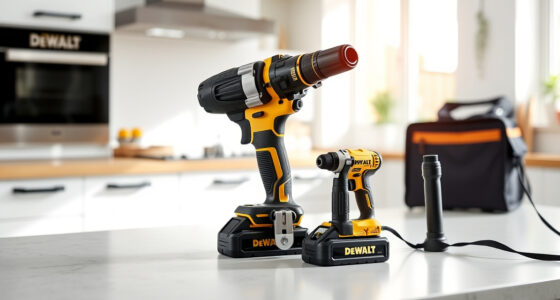
Compact cordless drills are smaller and lighter than full-size drills, often with a shorter distance from the chuck to the back of the tool. That shape helps you work inside cabinets, between studs, and above shoulder height. Since manufacturers don’t follow one shared definition of “compact,” compare the actual measurements and the tool with its battery attached.
Weight and balance matter together. A very light drill can still feel awkward if the battery pulls your hand downward; a slightly heavier model may sit naturally in your grip. If you can handle the tool in a shop, hold it as if you were driving a screw overhead. Notice where the weight rests and whether you can reach the trigger without shifting your grip. A comfortable balance lets you keep the bit aligned with less effort, which reduces wobble and makes it easier to stop at the right moment.
For example, say you’re attaching a drawer slide near the back of a kitchen cabinet. A shorter head-to-back length may let you line up the bit where a full-size drill bumps into the cabinet frame. If the screw is tucked into a particularly narrow corner, though, even a compact drill may not fit; a right-angle attachment can help, but it adds length at the chuck and may make alignment less direct.
Before buying, look for length, bare-tool weight, and weight with the battery. A tool’s label can’t tell you whether it clears your shelves or feels comfortable after twenty screws. Those details can. Battery size matters here: the larger pack that extends runtime may also change the balance and make overhead work more tiring.
Products Worth Considering

Shark AV2501S AI Ultra Robot Vacuum with Matrix Clean and Self-Empty Base

Philips Hue Amarant Outdoor Smart Light Bar, Black

Philips Hue Play Gradient Light Tube, Large, Black
As an affiliate, we earn on qualifying purchases.
Choose 12V for light jobs and 18V/20V max for tougher work
Compact cordless drills in the 12V class typically suit light household tasks, while compact 18V/20V max drills generally offer more power and battery capacity for larger or more frequent jobs. Neither voltage alone tells you how capable a specific drill will feel. Match the model to the holes, materials, and work sessions you expect. The practical tradeoff is often handling versus reserve: a smaller tool may be more pleasant for many short jobs, while added capacity can reduce strain when the work is demanding or continuous.
A 12V drill makes sense if your weekends mostly involve flat-pack furniture, small pilot holes, curtain brackets, and quick fixes. For a real example, mounting a coat hook in a wooden door usually calls for control and a suitable bit more than brute force. A compact 18V/20V max model is a better fit if you regularly bore larger holes or tackle demanding projects. More capacity can help the drill maintain pace under load, but it does not compensate for a dull or incorrect bit.
One naming detail often trips up new buyers: 18V and 20V max commonly refer to the same nominal battery-voltage class, marketed or measured differently. The label doesn’t establish a simple ranking of performance across brands. Advertised torque figures also use different measurement methods, so a larger figure does not automatically make one drill better for your work. Torque is only one part of the experience: gearing, motor design, clutch behavior, and how comfortably you can control the tool affect whether that power is useful.
Think about the project you reach for most. If you mainly assemble a small shelf and hang pictures, the lighter option can be a pleasure to use. If you’re drilling repeated holes in dense lumber, a more capable model may save time and frustration. Consider how often the harder jobs occur: choosing for an occasional project can mean carrying extra weight and paying more every time you use the drill.
Compare the features that make drilling easier to control
A clutch, two-speed gearbox, and comfortable grip can make a compact drill much easier to use well. The clutch limits driving force when you’re fastening screws; the lower gearbox speed gives you more control when driving, while the higher speed suits drilling. These features help you match the tool to the job instead of letting the bit race ahead. They also make a drill more forgiving while you learn: you can start gently, observe how the material responds, and adjust before a mistake becomes difficult to repair.
Picture a soft pine shelf. With the clutch set too high, a screw can sink below the surface or split the wood. Start with a low clutch setting and raise it until the screw seats neatly. You can also drive the final turn by hand when the material feels delicate. Because clutch numbers are not calibrated consistently across models, treat them as starting points, not universal torque settings.
Most DIY drills have a keyless 3/8-inch or 1/2-inch chuck. A 1/2-inch chuck accepts larger-shank bits, but it doesn’t prove that a drill has more power. For many home tasks, a secure chuck, appropriate bits, and a comfortable grip matter more than chuck size alone. A larger chuck is useful when your bit collection needs it; otherwise, its size may add bulk without improving your typical work.
- Work light: Helps you line up a screw in a dim cupboard. Its position matters: a light that casts a shadow from the chuck may help less than one aimed at the bit.
- Belt clip: Keeps the tool close when you move around a room. It is most useful when you switch between measuring, holding parts, and drilling; check that its placement does not make the tool uncomfortable to store.
- Brushless motor: Can improve energy efficiency and runtime, often at a higher price. That premium is easier to justify if you use the drill often enough to value longer work between charges.
- Brushed motor: Can be a sensible value for occasional household use. Lower purchase cost may matter more than runtime gains when jobs are short and infrequent.
Choose features to solve problems you really have. If you only assemble a desk once a year, paying extra for a premium motor may not improve your day-to-day DIY. If you often work in cramped or dim places, a good light and shorter body may matter more than a feature marketed as a performance upgrade.
Make the battery platform part of your buying decision
The battery and charger affect the full cost of owning a compact cordless drill. A tool-only price can look attractive, but it’s a poor deal if you don’t already own a compatible battery and charger. Batteries usually aren’t interchangeable across brands, and compatibility can also vary within a brand’s product ranges. This means the real purchase is often a platform: once you own batteries and a charger, later tools from that system may be cheaper, but you have fewer reasons to switch brands.
Suppose you already own a compatible battery for a garden tool. Adding a drill from that same platform may cost less and let you share batteries between jobs. If you’re starting fresh, compare the kit price, battery capacity, charging time, warranty, and other tools you might want later. A low introductory kit price matters less if replacement batteries are expensive or the platform has few tools you expect to use.
Battery capacity affects runtime, but bigger batteries also add weight. If you’re driving a few screws into a bedside table, a smaller battery can keep the drill nimble. If you plan to build a fence section or work through a full room, a higher-capacity battery—or a second battery—can keep you moving while the first one charges. The best capacity depends on the balance between uninterrupted work and fatigue, especially when you spend time holding the drill overhead.
Make the comparison before you buy: write down your current battery brand and platform, then confirm that the drill kit uses the exact compatible system. For a beginner, a kit with a battery, charger, adjustable clutch, and basic bits may offer better value than a low tool-only price. Check what the kit actually includes; starter bits may be suitable for basic tasks, but a bit matched to each material will perform better and is often worth buying separately.
Use a drill for versatile work, and an impact driver for lots of screws
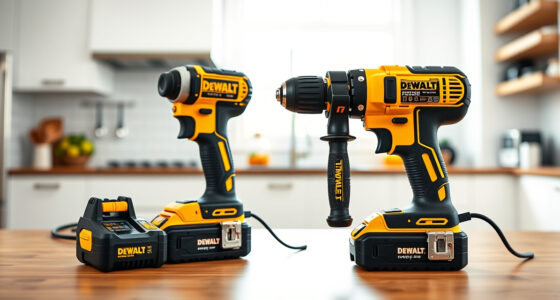
A compact drill is the more versatile first tool because it drills holes and drives screws with adjustable control. An impact driver focuses on driving fasteners, especially long or stubborn screws. Its repeated impacts can make delicate work less forgiving, and it uses a different bit holder from a typical drill chuck. That difference affects the work as well as the accessories: a drill’s clutch makes it easier to limit force, while an impact driver’s action is useful when a fastener would otherwise demand sustained effort.
For example, when you assemble a flat-pack wardrobe, a drill’s clutch can help keep each screw from crushing the board. If you later build a deck and drive dozens of long screws, an impact driver can make the repetitive fastening faster and easier. Many DIYers start with a drill and add an impact driver when their projects call for it. For occasional long screws, a drill may still do the job if you predrill and use suitable settings, so the second tool’s value depends on how often that work comes up.
Keep the difference in mind when you see a combo kit. Two tools can be useful, but they cost more and take up storage space. If you rarely drive long fasteners, the second tool may sit in a drawer while a good set of drill and screwdriver bits does the work. Also check whether the kit includes batteries and a charger; sharing them can make a combo kit more practical than buying the tools separately.
Check the task before you pick up the tool. Use the drill for holes and careful screw driving; consider an impact driver for frequent heavy fastening. That small pause can prevent a snapped screw, a damaged workpiece, or a tool that feels too aggressive for the job. When using an impact driver on delicate material, a test fastener in scrap can show how quickly its force builds.
Follow these five checks before you buy
Compare your most common job, the tool’s fit, and its full kit cost before choosing a drill. A short checklist makes it easier to sort useful features from impressive-sounding packaging. Imagine you’re buying a first drill to assemble furniture, hang shelves, and make occasional repairs: you need control and a suitable battery system more than a headline torque number. Each check narrows the choice for a reason: the job sets the capability you need, fit affects how accurately you can work, and kit cost tells you what ownership will actually require.
- Name your main jobs. List the materials and hole sizes you expect to work with most often. This prevents an occasional demanding task from pushing you toward a heavier, more expensive tool you rarely need.
- Choose a voltage class to compare. Start with 12V for light repairs or compact 18V/20V max options for more demanding or frequent work. Treat this as a shortlist, then compare real size, balance, and capability within that class.
- Check fit and balance. Compare the tool’s length and its weight with the battery attached. A model that reaches the work and stays comfortable is easier to control, which can matter more than a small difference in advertised power.
- Inspect control features. Look for an adjustable clutch, two speeds, and a chuck suited to your bits. These affect how well you can adapt the drill to soft materials, screw driving, and different bit sizes.
- Price the complete system. Include battery, charger, warranty, and any useful platform tools. The kit price shows the initial cost; platform compatibility can shape the cost of future tools and batteries.
For a wooden shelf, choose a wood bit for the pilot hole and a low clutch setting for the screw. For metal, use a bit designed for metal and an appropriate speed. For masonry, a hammer drill is usually the better choice for repeated work; demanding holes call for a rotary hammer. Matching the bit and tool to the material makes cutting easier and reduces the temptation to force the drill.
Safety starts with the workpiece: secure it before drilling, wear eye protection, and keep loose clothing and hair clear of the bit. If you hit electrical wiring or another hidden service, stop and reassess; use a suitable detector where needed before drilling into walls. Securing the material helps prevent it from spinning or shifting, while eye protection guards against chips that can come free even during a small job.
Know when a compact drill has reached its limit
A compact drill suits many household repairs, but it isn’t a tool for every material or workload. A standard model may drill a small hole in some masonry with the correct bit, but it doesn’t offer the hammer action that helps with regular masonry work. A hammer drill is usually the better option for repeated masonry holes, while a rotary hammer suits more demanding work. The distinction matters because repeated impacts help the bit break hard material; without them, the drill may advance slowly, make the job tiring, and put unnecessary strain on the tool.
Metal is another case where technique matters. You can drill metal with a compact drill and a suitable metal bit, but larger holes or long sessions may call for a more capable model. Use the right speed and steady control; forcing a dull bit can make the work harder and risk damaging the material. A sharp bit cuts more predictably, while forcing the tool can produce heat and cause the bit to wander or bind.
Imagine you need one small hole for a picture hook in brick. A hammer drill may handle that job. If you’re installing several heavy-duty anchors in concrete, a standard compact drill can become a slow, tiring choice. The right tool depends on the size, number, and hardness of the holes. For a single small task, borrowing or renting a suitable tool may make more sense than buying one; repeated work can justify owning it.
Don’t judge capability from voltage, chuck size, or advertised torque in isolation. Check the manufacturer’s instructions for the tool and bits, and follow the material-specific safety guidance. For electrical, gas, structural, or roof work, hire a licensed professional and follow applicable code and permit requirements; switch off power and wear appropriate PPE where the work calls for it.
Frequently Asked Questions
Is a 12V drill powerful enough for household DIY?
For many household tasks, yes. A 12V drill can handle furniture assembly, small pilot holes, and light repairs. It may struggle more with large holes, dense materials, or long periods of heavy work.
Should I buy a 12V or an 18V/20V max drill?
Choose 12V if you value light weight for routine repairs and furniture assembly. Compare compact 18V/20V max models if you expect larger holes, tougher materials, or frequent use. The voltage label alone does not rank a drill’s real-world performance.
Can a compact cordless drill drill into metal?
Yes, with a suitable metal bit and technique. Choose an appropriate speed and avoid forcing the bit. For larger holes or sustained metalworking, a more capable drill may suit the job better.
Can I drill into concrete with a compact drill?
A standard drill may manage a small hole in some masonry with the correct bit, but a hammer drill is usually better for repeated holes. For larger or demanding concrete work, consider a rotary hammer.
Do I need a brushless motor?
Not for every DIYer. Brushless models can use battery energy more efficiently and often offer better runtime or durability, which can suit frequent use. A brushed drill can be a good value for occasional household projects.
What does the drill clutch do?
The adjustable clutch limits the force used while driving a screw. Start low and raise the setting until the screw seats without stripping its head or damaging the material. On soft furniture boards, hand-tightening the last turns can add control.
Conclusion
Choose your drill by the jobs you’ll actually do, then check its balance with the battery attached, its clutch and speed settings, and the cost of the complete battery kit. A modest 12V model can be the right companion for furniture and quick repairs; frequent or tougher projects may call for compact 18V/20V max power.
Pick the tool that fits your hand and your workbench. The best drill is the one that lets you finish the job cleanly, with the bit steady and the screw sitting flush.