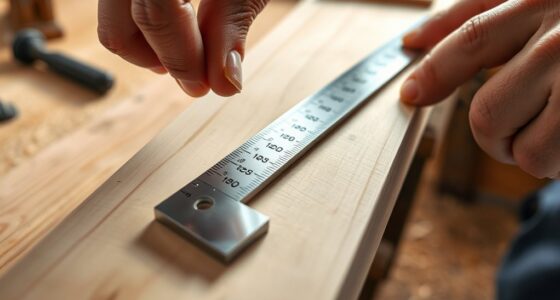
Japanese hand tools are a perfect blend of traditional craftsmanship and modern innovation. You’ll find tools made with centuries-old techniques that emphasize precision, durability, and beauty. Advances like high-quality steels, ergonomic designs, and advanced manufacturing methods guarantee consistent performance and comfort. These tools are not only functional but also act as works of art, reflecting a deep cultural appreciation for quality. If you keep exploring, you’ll discover the unique craftsmanship behind each tool and what makes them exceptional.

Get business pricing on tools and workshop supplies
- Business-only prices and quantity discounts
- Tax-exempt purchasing
- Multiple users, one account, clear invoices
Key Takeaways
- Japanese hand tools often combine traditional craftsmanship with modern innovations for enhanced performance and aesthetics.
- They are renowned for meticulous attention to detail, precise craftsmanship, and durable, high-quality materials.
- Japanese tools typically feature elegant design, ergonomic handles, and balanced weight for optimal usability.
- The blending of centuries-old techniques and advanced manufacturing creates tools that are both functional and visually appealing.
- Japanese hand tools embody a cultural legacy emphasizing craftsmanship, innovation, and the pursuit of perfection.
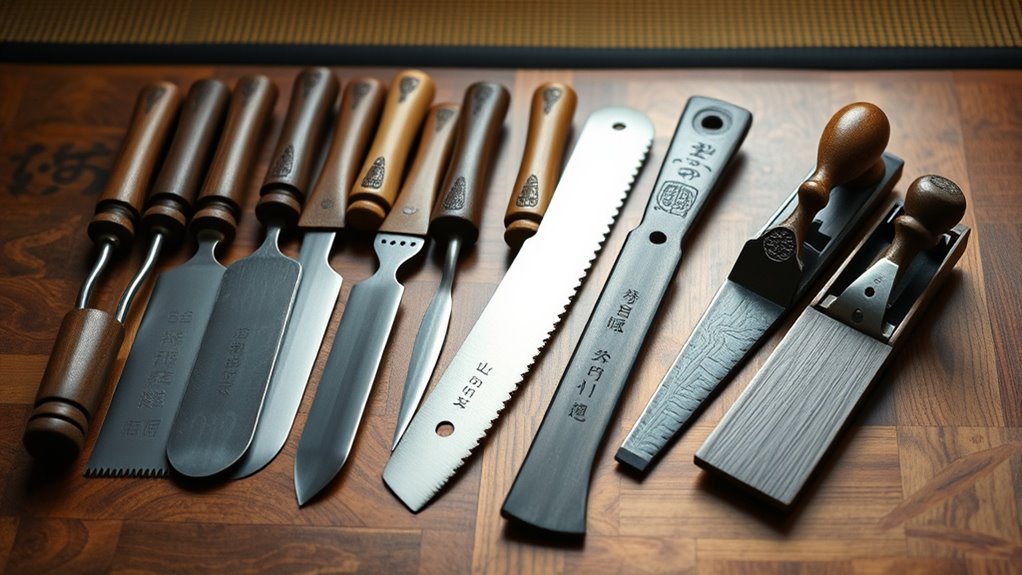
Have you ever wondered what makes Japanese hand tools stand out from others? It’s a combination of centuries-old traditional craftsmanship and cutting-edge modern innovations that gives these tools their unique edge. Japanese artisans have perfected their craft over generations, honing skills that emphasize precision, durability, and aesthetic beauty. This deep-rooted tradition guarantees that each tool is crafted with meticulous attention to detail, often involving hand-forged techniques passed down through families or master workshops. These tools are not just functional; they are works of art, reflecting a culture that values quality and craftsmanship above all else.
Japanese hand tools blend centuries-old craftsmanship with modern innovation, creating functional works of art that prioritize precision and quality.
At the same time, Japanese tool makers actively incorporate modern innovations to enhance performance, safety, and usability. Advanced materials like high-carbon steels, proprietary alloys, and corrosion-resistant coatings are now common, making tools more durable and easier to maintain. Techniques such as laser cutting, computer-aided design, and precision machining allow for tighter tolerances and more consistent results. This blending of traditional and modern methods results in tools that retain the aesthetic and functional qualities of their ancestors but are also optimized for today’s demanding tasks. For example, Japanese hand saws, or “nokogiri,” often feature traditional tooth patterns but benefit from modern sharpening techniques that prolong their sharpness and effectiveness.
What truly distinguishes Japanese tools is their attention to detail at every stage of production. From forging to finishing, traditional craftsmanship guarantees each piece is carefully shaped and polished by skilled artisans. These craftsmen often view their work as a form of art, which is why many tools exhibit elegant lines, precise curves, and a flawless finish. Modern innovations complement this artistry by improving ergonomics — making tools more comfortable to hold and use for extended periods. Ergonomic handles, balanced weight distribution, and innovative grip materials are now common features that enhance user experience. Additionally, the use of advanced manufacturing techniques ensures consistency and high quality across batches of tools.
In essence, Japanese hand tools are a perfect harmony of tradition and innovation. They carry the legacy of craftsmanship honed over centuries, yet they also embrace the latest technological advancements. This synergy results in tools that are not only highly functional and reliable but also beautiful to behold. Whether you’re a professional craftsman or a hobbyist, understanding this balance helps you appreciate why Japanese tools are revered worldwide. They’re a testament to a culture that values precision, quality, and continuous improvement, making them a worthwhile investment for anyone serious about their craft.
As an affiliate, we earn on qualifying purchases.
Frequently Asked Questions
How Are Japanese Hand Tools Different From Western Tools?
Japanese hand tools differ from Western ones through their craftsmanship precision and focus on traditional techniques. You’ll notice sharper edges, finer joinery, and meticulous attention to detail, which make them highly effective for delicate work. While Western tools emphasize brute strength and durability, Japanese tools prioritize finesse, balance, and craftsmanship, allowing you to achieve cleaner cuts and more precise results with less effort.
What Materials Are Commonly Used in Japanese Hand Tools?
Think of Japanese hand tools as crafted masterpieces, built to last. You’ll find that they’re commonly made from traditional metal alloys, which provide strength and durability, and natural wood, prized for its beauty and workability. These materials aren’t just chosen randomly; they reflect a deep respect for craftsmanship and nature. When you hold one, you feel the balance of tradition and innovation, making every task a pleasure.
How Should I Care for and Maintain Japanese Hand Tools?
To care for your Japanese hand tools, regularly perform tool sharpening to keep edges precise. After use, clean and dry them thoroughly to prevent rust, especially if they’re made of high-carbon steel. Store your tools in dedicated storage solutions like wooden boxes or wall mounts, ensuring they’re protected from moisture and damage. Proper maintenance keeps your tools sharp, durable, and ready for your next project.
Are Japanese Hand Tools Suitable for Beginners?
Japanese hand tools are perfect for beginners, offering ergonomic benefits and beginner-friendly features that make your projects easier. Think of them as your trusted partner—lightweight, well-balanced, and precise—much like a good friend guiding your hand. Their thoughtful design reduces fatigue and increases accuracy. If you’re just starting out, you’ll appreciate how these tools help you learn faster and build confidence, turning woodworking into an enjoyable, rewarding experience.
Where Can I Buy Authentic Japanese Hand Tools?
You can buy authentic Japanese hand tools at local specialty stores or online marketplaces. Visiting a local store allows you to see the tools firsthand and get expert advice, while online marketplaces offer a wider selection and often better prices. Make sure to check seller reviews and product descriptions to guarantee authenticity. Both options provide convenient ways to find high-quality Japanese hand tools suited for your needs.
As an affiliate, we earn on qualifying purchases.
Conclusion
You now see how Japanese hand tools are like finely tuned instruments, blending craftsmanship with tradition. They’re designed with precision and care, making your work feel effortless—like slicing through butter. By understanding their purpose and history, you can appreciate their beauty and functionality even more. So, next time you pick up a Japanese tool, remember it’s not just a tool but a piece of art, waiting to help you craft with skill and passion.
As an affiliate, we earn on qualifying purchases.
As an affiliate, we earn on qualifying purchases.
Halloween Picks
halloween
As an affiliate, we earn on qualifying purchases.