To prevent sticky, gritty joints on your pliers, regularly inspect for damage and guarantee the jaws close tightly. Clean dirt and debris after use with a cloth and a brush for stubborn grime, avoiding harsh chemicals. Dry the tools thoroughly and apply a light oil to the hinge and pivot points to keep movement smooth. Sticking to a routine by maintaining your tools will boost their lifespan and performance—keep going to discover even more tips.

Get business pricing on tools and workshop supplies
- Business-only prices and quantity discounts
- Tax-exempt purchasing
- Multiple users, one account, clear invoices
Key Takeaways
- Regularly inspect and clean joints to remove dirt, grease, and debris that cause grit buildup.
- Lubricate pivot points with light oil to ensure smooth, responsive movement.
- Use a brush or toothbrush for stubborn grime around hinges during routine cleaning.
- Store pliers properly in a dry, organized environment to prevent rust and contamination.
- Perform maintenance every few weeks to maintain optimal joint function and prevent sticking.
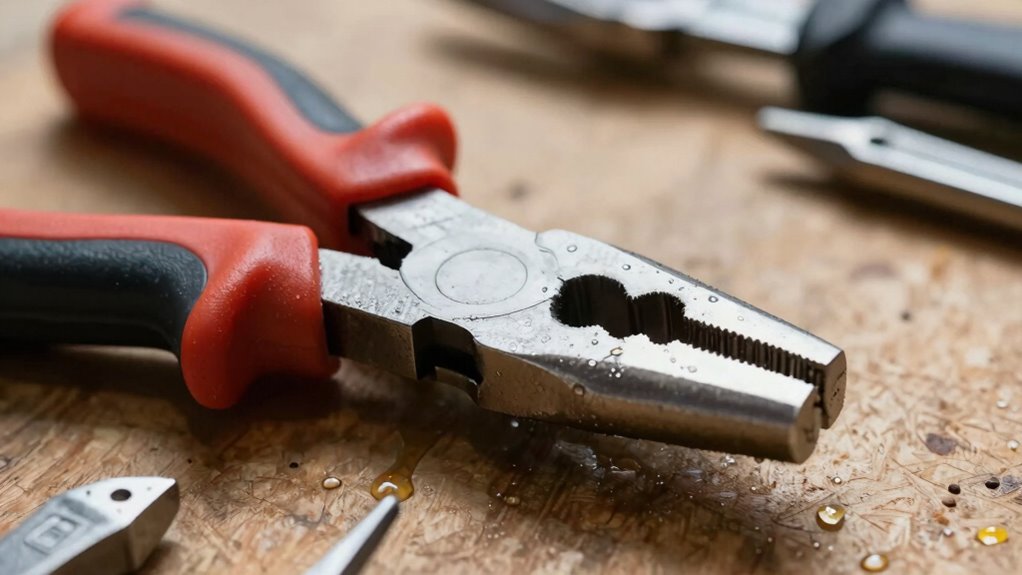
Have you ever wondered how to keep your pliers in top condition for every job? Proper maintenance isn’t just about making your tools last longer; it’s about guaranteeing your safety and getting the best performance. When your pliers have sticky or gritty joints, it can slow you down and even cause accidents. That’s why establishing a reliable maintenance routine is vital. First, focus on tool safety by inspecting your pliers regularly. Before starting any task, check the handles for cracks or damage. Make sure the jaws close tightly and that the pivot joint moves smoothly without resistance. If you notice any issues, don’t ignore them — addressing problems early prevents accidents and extends the life of your tools.
Regularly inspect your pliers to ensure safety, smooth operation, and extended tool lifespan.
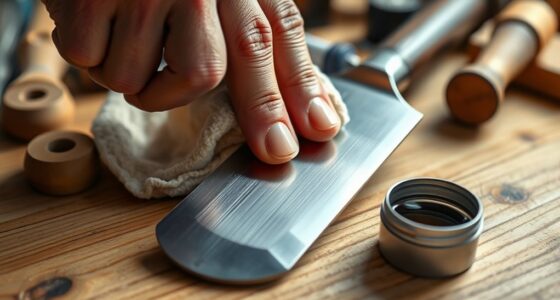
Cleaning your pliers after each use is a simple yet effective step. Wipe off dirt, grease, or debris with a clean cloth. For stubborn grime, use a brush or an old toothbrush, especially around the joint and hinge areas. Avoid using harsh chemicals that could corrode the metal; instead, opt for mild soap or specialized tool cleaners. Once cleaned, dry your pliers thoroughly to prevent rust. Applying a light coat of oil to the hinge and pivot point helps keep the joint moving freely. This lubrication reduces friction, preventing grit from accumulating and causing that sticky feeling. Regularly checking the joint movement ensures that debris and grit don’t interfere with smooth operation. Incorporating proper lubrication techniques into your routine can further enhance the longevity of your tools. Additionally, understanding the importance of metal corrosion prevention can help you choose the right storage environment, further protecting your tools from damage. Regular maintenance also involves using appropriate cleaning methods to avoid damaging the metal surfaces and moving parts.
Storage solutions play an essential role in maintaining your pliers’ condition. Avoid tossing them loosely into a toolbox where they can get damaged or contaminated. Instead, use dedicated tool organizers or pouches that keep your pliers separated from other tools. Hanging them on a pegboard or storing them in a toolbox with individual compartments minimizes exposure to moisture and dust, which are common causes of rust and grit buildup. Keep your pliers in a dry, cool place, away from humidity, to prevent corrosion. Regularly inspecting your storage setup guarantees your tools stay in good shape and ready for use.
Finally, develop a routine of periodic maintenance, especially if you use your pliers frequently. Every few weeks, give them a thorough inspection, cleaning, and lubrication. By doing so, you prevent the joints from becoming gritty or sticky, maintaining tool safety and performance. Remember, a little preventive care goes a long way — it saves you time, effort, and money in the long run. Adopting these simple habits will guarantee your pliers stay smooth, responsive, and safe to use whenever you need them.
As an affiliate, we earn on qualifying purchases.
Frequently Asked Questions
How Often Should I Perform Pliers Maintenance?
You should perform pliers maintenance every few months, depending on usage. Store your pliers in a dry, clean place to prevent rust. Regularly check for dullness and sharpen the tool as needed to maintain grip and precision. After each use, wipe them down and apply a light oil to keep joints smooth. Consistent storage and tool sharpening help prevent sticky, gritty joints, extending your pliers’ lifespan.
Can I Use Household Oil for Lubrication?
Did you know that using improper lubrication can cause tool failure in just months? You can use household oils for lubrication, but be cautious about lubrication safety. Many household oils, like vegetable or olive oil, can gum up or attract dirt over time, which may damage your pliers. For best results, opt for a light machine oil or a lubricant specifically designed for tools, ensuring smooth operation and longevity.
What Are Signs My Pliers Need Maintenance?
You’ll notice your pliers need maintenance if they become difficult to open or close smoothly, or if they start to feel sticky or gritty during use. Regularly store them in a dry, organized tool storage area, and always wear protective gear when working with them. If joints feel stiff or resist movement, it’s time to clean and lubricate them to keep your tools functioning properly and extend their lifespan.
Is It Safe to Disassemble Pliers for Cleaning?
Disassembly safety is vital when cleaning your pliers, so only proceed if you’re confident and have the right tools. Carefully disassemble the pliers, keeping track of all parts, and clean them thoroughly. During proper reassembly, make sure all components fit snugly and move smoothly. If you’re unsure about disassembly safety or proper reassembly, it’s best to consult the manufacturer’s instructions or seek professional help to avoid damage or injury.
Which Cleaning Products Are Best for Removing Rust?
For rust removal, use a rust eraser or a rust remover gel, which effectively dissolves corrosion. You can also try white vinegar or lemon juice for natural cleaning techniques—soak the rusty parts, then scrub gently. Avoid harsh chemicals that might damage your tools. These options help restore your pliers’ grip and joints, keeping them smooth and functional. Remember, consistent cleaning prevents future rust and prolongs tool life.
pivot joint lubricant for pliers
As an affiliate, we earn on qualifying purchases.
As an affiliate, we earn on qualifying purchases.
Conclusion
So, there you have it—stick to this maintenance routine and your pliers will thank you by never jamming up when you need them most. No more grittiness turning your trusty tool into a rusty relic or sticky joints turning your work into a frustrating circus. Keep them clean, lubricated, and free of debris, and your pliers will be your loyal sidekicks for years to come. Because nothing says “professional” like well-maintained tools… and a little bit of elbow grease.
As an affiliate, we earn on qualifying purchases.
As an affiliate, we earn on qualifying purchases.
Fall yard work Picks
leaf blowers
As an affiliate, we earn on qualifying purchases.