
To manage low-maintenance modern meadows, choose native grasses that thrive with minimal care and establish efficient watering practices like drip irrigation or watering during cooler times. Regularly monitor for invasive weeds and remove them promptly, using mulch to suppress growth and retain moisture. Once established, your meadow will need less intervention, promoting resilience and sustainability. By following these strategies, you’ll create a beautiful, eco-friendly space that stays vibrant with little effort—discover more tips to guarantee ongoing success.

Get business pricing on tools and workshop supplies
- Business-only prices and quantity discounts
- Tax-exempt purchasing
- Multiple users, one account, clear invoices
Key Takeaways
- Establish native grasses early using proper watering techniques to promote deep roots and drought resilience.
- Implement efficient irrigation methods like drip or soaker hoses and water during optimal times to conserve resources.
- Regularly monitor for invasive weeds, removing them promptly to maintain the meadow’s native plant community.
- Use mulching around plants to suppress weeds and retain soil moisture, reducing maintenance needs.
- Once established, native grasses require minimal intervention, supporting a sustainable, low-maintenance landscape.

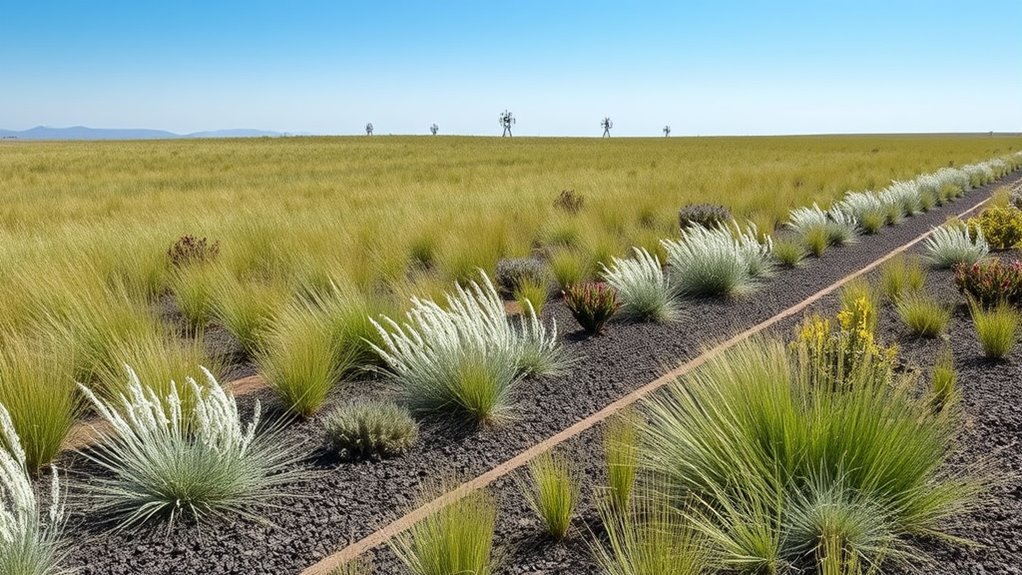
Modern meadows offer an attractive, sustainable landscape option that requires minimal upkeep. When you choose to incorporate native grasses into your meadow design, you’re creating an environment that naturally thrives with less intervention. Native grasses are adapted to your local climate and soil conditions, so they need less water, fewer fertilizers, and minimal pest control. This not only reduces your workload but also supports local ecosystems by providing habitat and food for native wildlife. Selecting the right native grasses for your area ensures a resilient and self-sustaining landscape that remains beautiful year-round.
Create a resilient, low-maintenance landscape by incorporating native grasses that thrive naturally with less water and intervention.
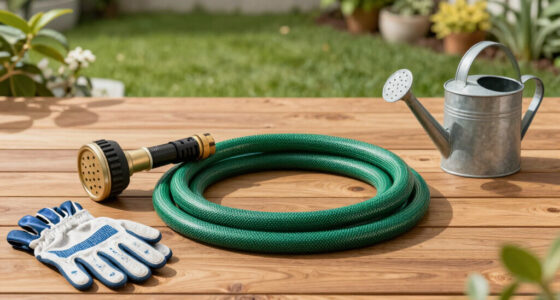
Managing native grasses successfully involves understanding your irrigation techniques. Efficient irrigation is key to maintaining a healthy meadow without overwatering or wasting resources. Instead of traditional sprinkler systems that can be wasteful, consider drip irrigation or soaker hoses that deliver water directly to the roots. These methods help conserve water and ensure that your native grasses get precisely what they need, especially during dry spells. Timing your watering schedule is equally important; early morning or late evening watering minimizes evaporation and maximizes absorption. Adjusting your irrigation based on seasonal rainfall and soil moisture levels prevents overwatering and helps native grasses establish strong, deep roots, which are essential for drought resistance and overall vitality.
You’ll find that establishing a low-maintenance meadow doesn’t require frequent replanting or intensive care. Once native grasses are established, they tend to outcompete weeds naturally, reducing the need for herbicides or manual weed removal. Regularly monitor your meadow for invasive species or unwanted plants, and remove them promptly to maintain the integrity of your native grass community. Mulching around the plants can also help suppress weeds and retain soil moisture, further reducing maintenance needs. Over time, your meadow’s native grasses will adapt to local conditions, requiring less water and care, making your landscape more sustainable and easier to manage. Incorporating native plant selection strategies can further enhance this process by ensuring your meadow is composed of species best suited for long-term success.
Incorporating a thoughtful irrigation approach and selecting the right native grasses allows you to enjoy a lush, low-maintenance meadow that’s both environmentally friendly and visually appealing. You’ll spend less time on upkeep, conserve water, and create a habitat that benefits local flora and fauna. With patience and proper management, your meadow will flourish naturally, requiring minimal intervention while providing a beautiful, resilient landscape that aligns with sustainable practices. The result is a vibrant, thriving space that enhances your property’s aesthetic and ecological value without demanding constant attention.
Products Worth Considering

Samsung 85 M80H Series Mini LED 4K Smart TV (2026)

Bose TV Speaker (2nd Gen) Compact Soundbar with Bluetooth and HDMI Connectivity

Philips Hue Secure Wired Video Doorbell, 2K, Black
As an affiliate, we earn on qualifying purchases.
Frequently Asked Questions
What Are the Best Native Grasses for Low-Maintenance Meadows?
You should choose native grasses like little bluestem, switchgrass, and dropseed for a low-maintenance meadow. These grasses excel in native grass selection and support meadow plant diversity, making your landscape resilient and easy to care for. They thrive with minimal watering and mowing, providing year-round interest. By selecting these hardy species, you create a vibrant, sustainable meadow that requires less upkeep while enhancing local ecosystems.
How Often Should I Mow a Modern Meadow?
You should mow your modern meadow once or twice a year, typically in late winter or early spring before new growth appears. During the growing season, avoid mowing too frequently to let native grasses establish and flourish. Maintain a consistent watering schedule, especially during dry spells, and apply minimal fertilizer—native grasses usually have low fertilizer requirements—ensuring your meadow stays healthy with minimal upkeep.
Can I Plant a Meadow in Shady Areas?
You can plant a meadow in shady areas if you select shade-tolerant grass and wildflower species. Improve soil conditions with amendments like compost to enhance growth. Shade tolerance varies among plants, so choose varieties suited for low light. Keep in mind that some species may struggle, so monitor their progress regularly and adjust watering or soil amendments as needed to guarantee a thriving, low-maintenance meadow even in shaded spots.
How Do I Control Invasive Species in My Meadow?
Controlling invasive species in your meadow is like trying to contain a wildfire; swift action is essential. Regularly inspect your meadow and manually remove invasives, especially before they seed. Use targeted, wildlife-friendly control methods to protect pollinators and maintain healthy wildlife corridors. Promoting native plants helps outcompete invasives naturally, creating a balanced ecosystem where native wildlife thrives, and your meadow remains a vibrant, low-maintenance haven.
What Is the Ideal Soil Preparation for a Modern Meadow?
Start by testing your soil to understand its nutrient levels and pH. Based on the results, you should apply compost to enrich the soil, improving its fertility and structure. Loosen the soil to ensure good drainage and root growth. This preparation creates a healthy environment for native plants to thrive, reducing invasive species, and establishing a low-maintenance, sustainable meadow that requires minimal intervention over time.
Conclusion
Think of your meadow as a well-trained dog—once it’s established, it requires less attention and care. I once helped a homeowner transform a neglected patch into a thriving, low-maintenance meadow, and now it blooms effortlessly year after year. Just like that garden, your modern meadow can become a resilient, beautiful space that thrives with minimal effort. With patience and the right choices, you’ll enjoy a vibrant landscape that’s both sustainable and easy to manage.