To create a wildlife habitat in your yard, start by planting native trees, shrubs, and ground covers to provide food and shelter for animals. Add simple water sources like birdbaths or shallow ponds and keep them clean to attract birds and insects. Leave some leaf litter and fallen branches undisturbed for hiding spots and nesting sites. Small, intentional changes can make a big difference—continue exploring to discover more ways to turn your yard into a thriving haven for wildlife.
Key Takeaways
- Incorporate native plants like black-eyed Susan and milkweed to provide food and shelter for pollinators and wildlife.
- Add water sources such as birdbaths, shallow ponds, or rain puddles, keeping them clean and accessible.
- Leave leaf litter, fallen branches, and dense shrubs undisturbed to create natural hiding and nesting spots.
- Install birdhouses, bat boxes, and native aquatic plants to enhance shelter options and water quality.
- Make small, strategic modifications to support local ecosystems and encourage diverse wildlife to thrive.
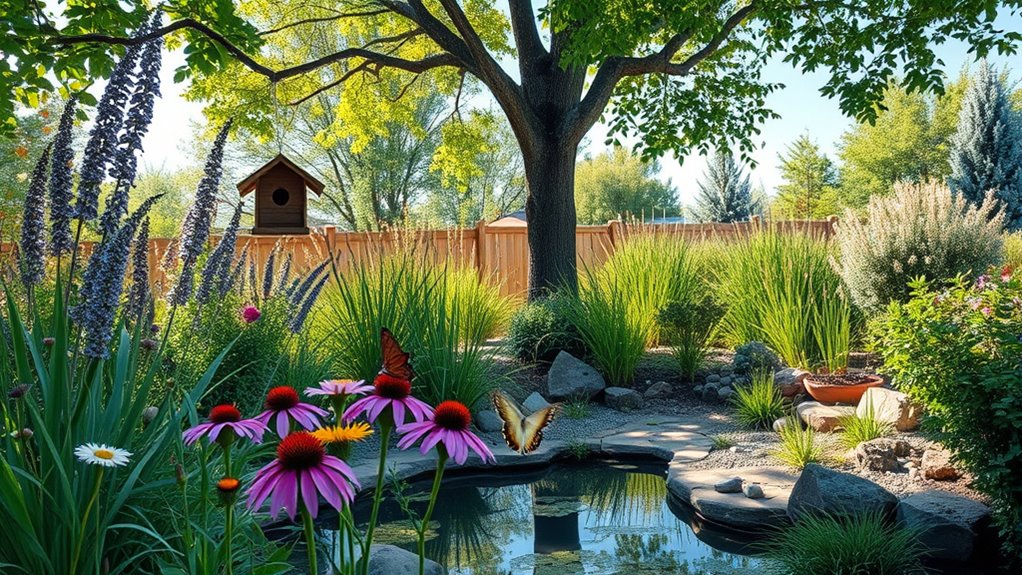
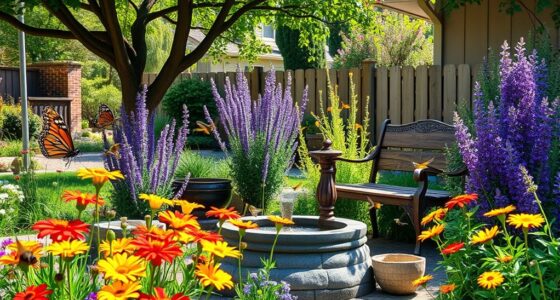
Ever wondered how your yard can become a haven for local wildlife? Turning your outdoor space into a thriving habitat is easier than you might think. The key is creating an environment that offers food, shelter, and water—things that animals need to survive and flourish. Start by choosing native plants, which are essential for supporting local species. Native plants are adapted to your region’s climate and soil, making them more resilient and easier to maintain. They also provide the best nourishment and shelter for insects, birds, and small mammals. Incorporate a variety of native trees, shrubs, and ground covers to attract different kinds of wildlife. For example, flowering plants like black-eyed Susan or milkweed draw pollinators such as bees and butterflies, while berry-producing shrubs like elderberry or serviceberry serve as food sources for birds.
Transform your yard with native plants to support local wildlife and create a thriving habitat.
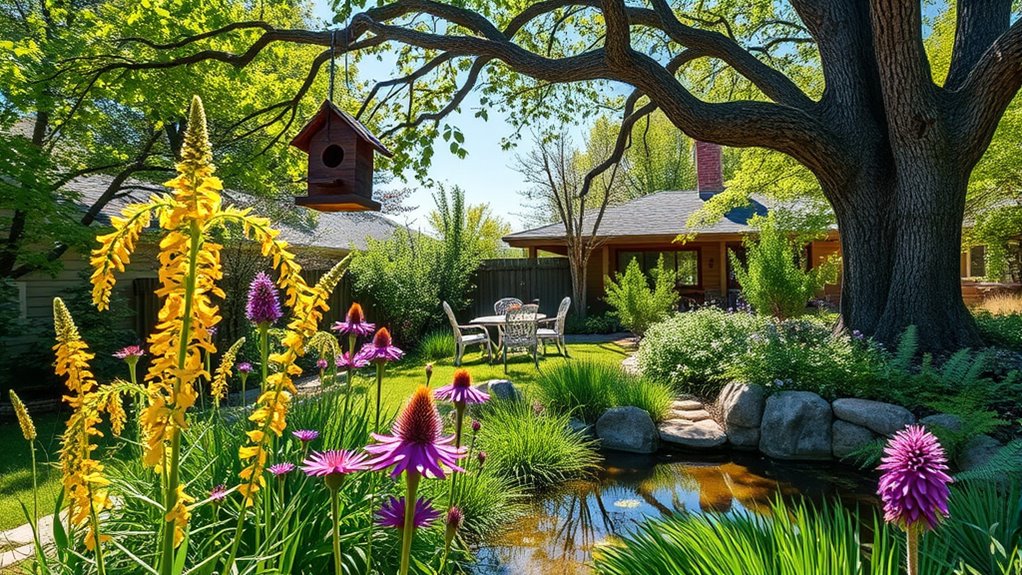
Water sources are equally important. A simple birdbath, shallow pond, or even a small, rain-fed puddle can make a big difference. Water provides drinking opportunities and a place for animals to bathe, which is essential for their health. If you build a pond, consider adding native aquatic plants to improve water quality and create additional habitat for fish, frogs, and insects. Make sure the water sources are clean and accessible, with shallow edges that allow smaller animals to enter and exit easily. Regularly refresh or clean these sources to prevent mosquito breeding and keep the water fresh.
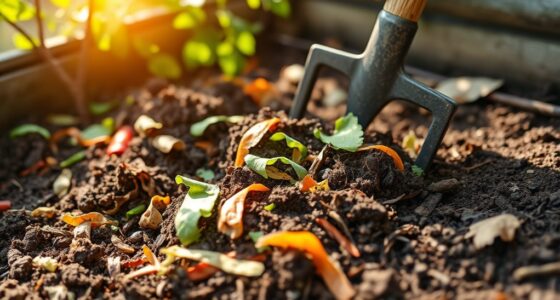
Creating shelter is another essential step. Leave some areas of your yard natural and undisturbed, allowing leaf litter, fallen branches, and dense shrubs to provide hiding spots and nesting sites. Avoid the temptation to tidy up every corner; wildlife needs places to rest and raise their young. You can also install birdhouses or bat boxes to give species a safe place to roost. native plants, combined with strategically placed water sources and shelter, form a foundation that encourages a diverse range of animals to visit and thrive.
Incorporate these elements thoughtfully, and you’ll notice more birds singing in the mornings, butterflies fluttering around your garden, and small mammals scurrying through the underbrush. Creating a wildlife habitat isn’t about big renovations; it’s about making small, intentional changes that support your local ecosystem. With native plants and water sources at the heart of your garden, you become a steward of nature right in your own backyard. Over time, your yard transforms into a vibrant, lively space where wildlife feels welcome and safe.
Frequently Asked Questions
What Are the Best Native Plants for Attracting Wildlife?
You should choose native plant species like purple coneflowers, milkweed, bee balm, and goldenrod for ideal native plant selection. These plants naturally attract pollinators such as bees, butterflies, and hummingbirds, boosting pollinator attraction in your yard. By planting a variety of these native species, you’ll create a thriving habitat that supports local wildlife and encourages biodiversity, making your yard a lively and beneficial environment for pollinators.
How Do I Maintain a Habitat During Winter?
During winter, you maintain your habitat by providing winter sheltering and snow protection. You can do this by leaving some leaf litter and fallen branches, which offer cover and insulation for wildlife. Avoid excessive cleaning, as this removes essential shelter. Set up brush piles or logs for small animals, and make sure birdhouses are secure and insulated. These efforts help animals stay warm and safe, encouraging their return once spring arrives.
Can I Create a Habitat in a Small Urban Yard?
Think of your small yard as a tiny island in a bustling city. Yes, you can create a thriving urban habitat design with small space gardening. Use native plants, add bird feeders, and provide water sources to attract wildlife. Even in tight spaces, careful planning transforms your yard into a lively shelter, supporting local species and bringing nature’s harmony right to your doorstep.
What Safety Precautions Should I Take With Wildlife?
When observing wildlife, always keep a safe distance to prevent disturbance and guarantee your safety. Use binoculars for a closer look, and avoid sudden movements. To avoid predators from harming your wildlife, secure trash and remove fallen fruit or seeds that attract predators. Keep pets indoors or supervise them outside, and never attempt to handle wild animals. These precautions promote safe wildlife observation and predator prevention, helping protect your yard’s creatures.
How Long Does It Take to See Wildlife in My Yard?
You might see wildlife in your yard within a few days to a few weeks after setting up bird feeders and nesting boxes. Notably, some species, like chickadees, can find these resources in just 48 hours. To attract them faster, keep feeders stocked and place nesting boxes in quiet, sheltered spots. Consistent patience and routine maintenance will boost your chances of witnessing a variety of creatures in no time.
Conclusion
By turning your yard into a welcoming habitat, you’re helping local wildlife thrive. With simple steps like planting native plants, providing water sources, and avoiding pesticides, you create a safe haven for birds, butterflies, and other creatures. Imagine the joy of watching these animals flourish right outside your window. Isn’t it worth taking a few easy steps to make your yard a vibrant, thriving ecosystem? Start today and see the difference you can make!