
A common setup mistake that causes moisture, noise, and frustration is improper installation, such as neglecting regular tank drainage, insecure fittings, and poor ventilation. These errors lead to moisture buildup, rust, and equipment damage, while loose parts create excessive vibrations and noise. Ensuring proper placement, secure fittings, and thorough maintenance reduces these issues. Keep going, and you’ll discover more tips to help you avoid these common problems and keep your compressor running smoothly.

Get business pricing on tools and workshop supplies
- Business-only prices and quantity discounts
- Tax-exempt purchasing
- Multiple users, one account, clear invoices
Key Takeaways
- Improper mounting or unstable placement causes excess vibration, leading to noise and potential damage.
- Neglecting regular tank drainage allows moisture buildup, resulting in rust and operational issues.
- Failing to secure fittings and hoses causes rattling and additional noise during operation.
- Poor ventilation and airflow management lead to overheating, moisture accumulation, and increased noise.
- Using dirty or clogged intake filters restricts airflow, raising noise levels and stressing the motor.
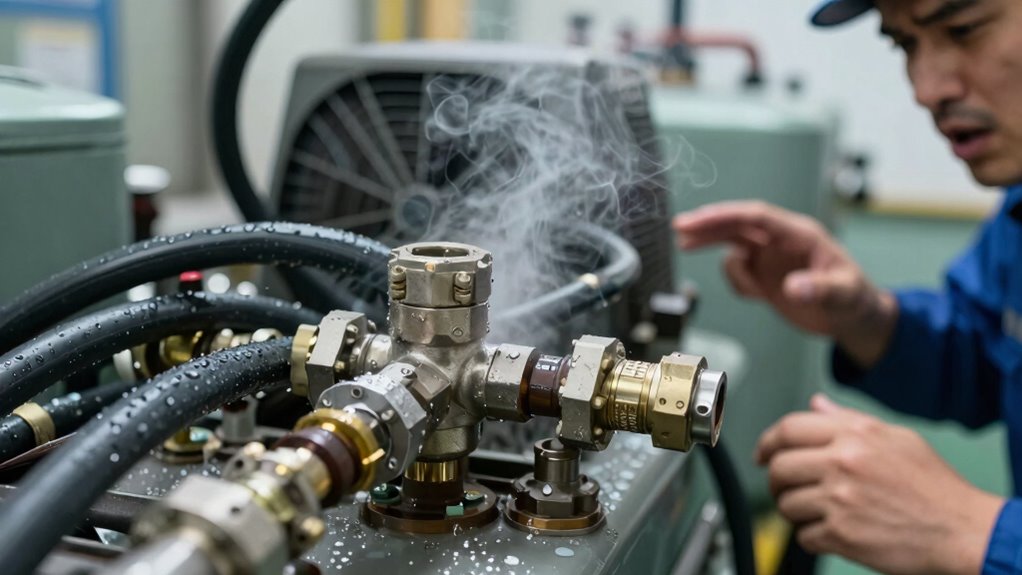
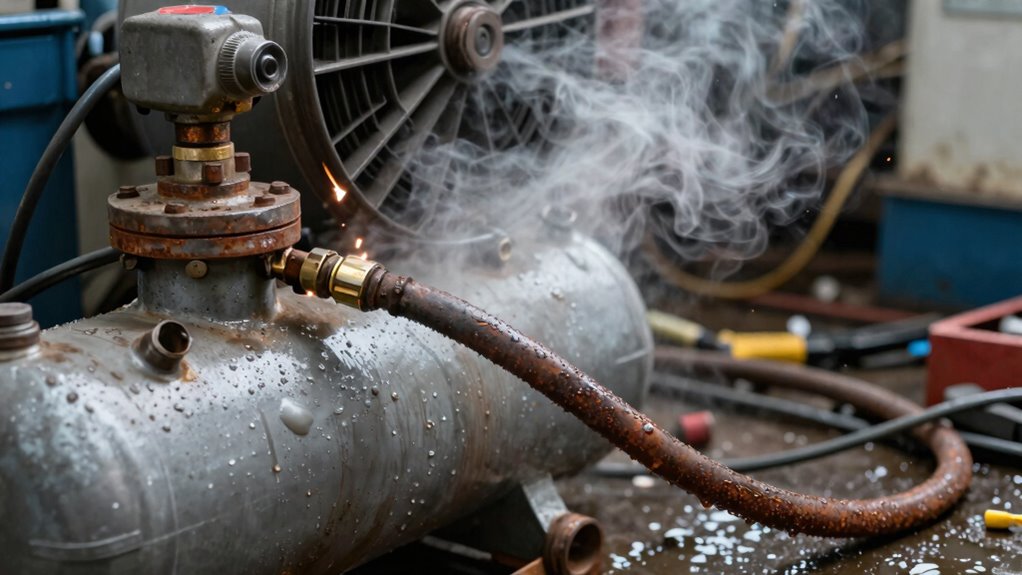
Have you ever encountered an error while setting up your air compressor? If so, you’re not alone. Many beginners and even experienced users overlook key setup details, leading to issues like excess moisture, unnecessary noise, and frustration. One common mistake is neglecting proper maintenance tips during installation. Failing to check the oil levels, tighten fittings correctly, or ensure the tank is clean can cause moisture buildup, which not only hampers performance but also shortens the lifespan of your equipment. Moisture inside the compressor can lead to rust and damage, so it’s vital to drain the tank regularly and inspect hoses for leaks before use.
Neglecting maintenance during setup can cause moisture buildup and damage your compressor. Regular checks are essential.
Noise reduction is another major concern that often gets ignored during setup. An improperly mounted compressor or loose fittings can generate excessive noise, making your workspace uncomfortable and distracting. To avoid this, you should make certain that the compressor is placed on a stable, vibration-absorbing surface. Using rubber pads or mats can considerably reduce noise caused by vibrations. Properly securing all fittings and hoses also helps prevent rattling sounds that develop over time. These simple steps are part of effective maintenance tips that keep your compressor running smoothly and quietly. Additionally, routinely checking for loose components can prevent unexpected rattles and noise issues.
When setting up your compressor, pay close attention to the intake filters and cooling system. Dirty or poorly maintained filters restrict airflow, forcing the motor to work harder and increasing noise levels. Regularly cleaning or replacing these filters is a straightforward maintenance tip that improves efficiency and minimizes noise. Additionally, ensuring your compressor has adequate ventilation will prevent overheating, which can cause both noise and moisture issues. Proper ventilation and airflow are crucial components that help prevent moisture accumulation and overheating. Installing your compressor in a well-ventilated space can further reduce the risk of moisture buildup and heat-related problems, thereby extending the life of your equipment. Proper ventilation and airflow are essential for maintaining optimal performance and preventing overheating, which impacts performance and longevity. Moreover, being aware of the ambient environment where the compressor is installed can significantly influence its overall operation and durability.
air compressor moisture drain valve
As an affiliate, we earn on qualifying purchases.
As an affiliate, we earn on qualifying purchases.
Frequently Asked Questions
How Can I Tell if My Compressor Setup Has an Error?
You can tell if your compressor setup has an error by paying attention to unusual noise diagnostics, such as rattling or loud banging, and checking your maintenance schedule for signs of neglect. If your compressor produces excessive moisture or inconsistent pressure, it indicates setup issues. Regularly inspecting components, listening for abnormal sounds, and adhering to maintenance routines help catch errors early, preventing moisture buildup, noise, and frustration.
What Tools Are Needed to Correct Compressor Setup Mistakes?
To correct compressor setup mistakes, you’ll need basic tools like wrenches, screwdrivers, and a torque wrench. Additionally, perform lubrication maintenance regularly to prevent issues. Vibration analysis tools help detect misalignments or imbalances early, saving you from noise and moisture problems. Make certain all connections are tight, and check the compressor’s alignment. Using these tools and practices keeps your compressor running smoothly, reducing frustration and extending its lifespan.
Are There Safety Risks With Improper Compressor Installation?
Skipping installation guidelines and safety precautions is like sailing blind into stormy waters—dangerous and reckless. Improper compressor installation risks electrical shocks, fires, and equipment damage. You could also face injury from moving parts or pressure bursts. Always follow safety precautions, double-check connections, and adhere to installation guidelines. Doing so keeps you safe, guarantees ideal performance, and prevents costly repairs or accidents down the line.
How Often Should I Check My Compressor Setup for Errors?
You should check your compressor setup at least monthly to catch errors early. Follow your maintenance schedule diligently, including calibration procedures, to guarantee peak performance. Regular inspections help identify moisture buildup, unusual noise, or misalignments that could cause issues. Staying proactive prevents costly repairs and safety risks, keeping your compressor running smoothly. Make these checks a routine part of your maintenance to maintain efficiency and avoid frustrations.
Can Setup Errors Damage My Compressor Permanently?
Yes, setup errors can cause permanent damage to your compressor. Poor air quality from moisture buildup can corrode internal parts, leading to costly repairs. Incorrect setup can also increase noise levels, stressing components and reducing lifespan. To avoid this, always check your setup regularly, ensure proper moisture traps, and maintain ideal air quality. Addressing errors early prevents long-term damage and keeps your compressor running smoothly.
As an affiliate, we earn on qualifying purchases.
Conclusion
To wrap things up, avoiding setup errors is essential for a smooth-running air compressor. If you skip proper checks, you’re just asking for trouble—moisture, noise, and frustration will follow. Take the time to do it right, or you’ll find yourself chasing your tail soon enough. Remember, a stitch in time saves nine. When you set up correctly from the start, you’ll keep things running like clockwork and save yourself a lot of headaches down the road.
air compressor intake filter replacement
As an affiliate, we earn on qualifying purchases.
As an affiliate, we earn on qualifying purchases.
portable air compressor ventilation kit
As an affiliate, we earn on qualifying purchases.
As an affiliate, we earn on qualifying purchases.
Fall Picks
fall essentials
As an affiliate, we earn on qualifying purchases.