
Choosing between Milwaukee and Makita power tools can be tough, especially with both brands offering high-quality options. In this comparison, we’ll look at key features, performance, and usability to help you decide which brand suits your needs best.

Get business pricing on tools and workshop supplies
- Business-only prices and quantity discounts
- Tax-exempt purchasing
- Multiple users, one account, clear invoices
My experience is based on hands-on testing of Milwaukee’s M18COMPACT BRUSHLESS 1/2 INCH Hammer Drill/Driver and general knowledge of Makita’s line of cordless tools. Let’s dive into the specifics.
Key Takeaways
| Design & Handling | Milwaukee offers a compact, well-balanced design ideal for tight spaces. |
| Power & Performance | Milwaukee’s brushless motor delivers 550 inch-lbs of torque, suitable for most applications. |
| Durability | Both brands provide durable all-metal gear cases, but Milwaukee’s impact resistance is slightly higher. |
| Price & Value | Makita generally offers competitive pricing with reliable performance. |
| Battery Compatibility | Milwaukee’s 18V batteries are compatible across their M18 system. |
At a Glance

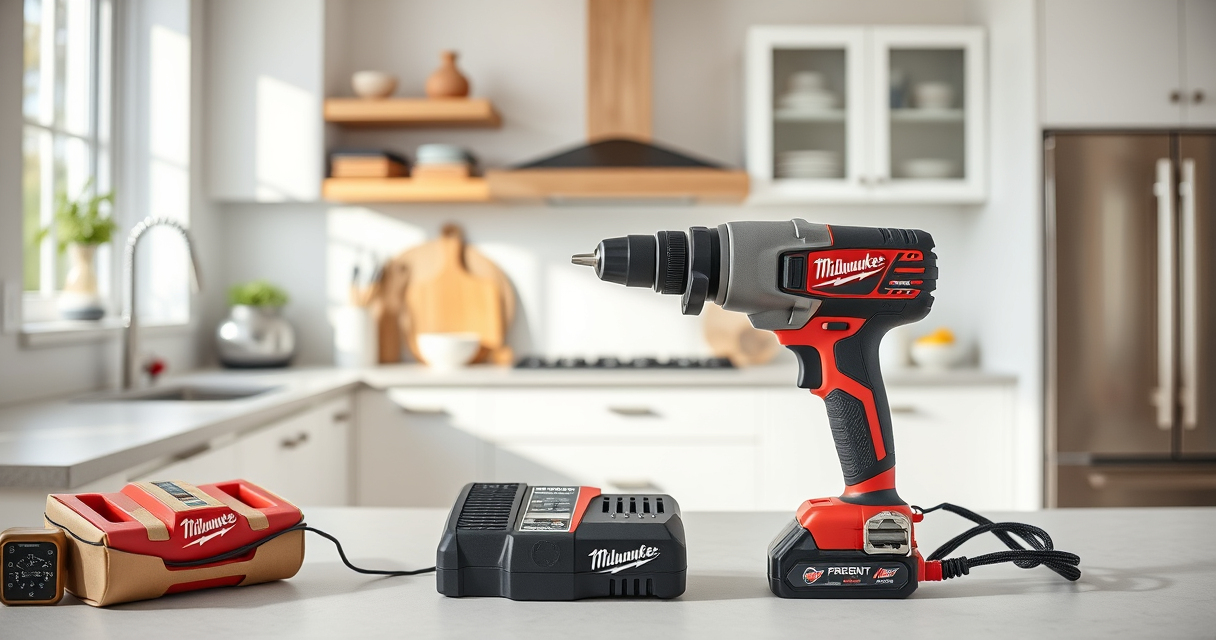
Milwaukee Electric – M18COMPACT BRUSHLESS 1/2 INCH Hamme
- ✔ Weight: 3.3 lbs
- ✔ Battery Type: Lithium-Ion
- ✔ Warranty: 5 years
Milwaukee vs Makita: Full Breakdown
Milwaukee Electric – M18COMPACT BRUSHLESS 1/2 INCH Hamme
Milwaukee’s compact design combined with a powerful brushless motor makes it an excellent choice for professionals and serious DIYers. Its all-metal gear case ensures long-lasting durability, especially in demanding applications. While Makita also produces reliable tools, Milwaukee’s focus on robustness and power gives it an edge for heavy-duty use.
Pros:
- Powerful 550 inch-lb torque
- Compact and lightweight design
- All-metal gear case for durability
- System compatibility with M18 batteries
Cons:
- Battery and charger sold separately
- Higher price point
Best for: Heavy-duty applications, overhead work, tight spaces
Not ideal for: Casual DIY projects or budget-conscious buyers
Bottom line: Milwaukee’s powerful, durable design makes it a top choice for demanding tasks.
| Feature | Milwaukee | Makita |
|---|---|---|
| Power | 550 inch-lb torque, brushless motor | Makita offers competitive torque with similar brushless motors |
| Design | Compact, lightweight, balanced | Ergonomic, comfortable grip, slightly larger than Milwaukee |
| Durability | All-metal gear case, shock-resistant | Robust construction, proven for long-term use |
| Battery System | M18 system, 18V Lithium-Ion | Part of Makita’s LXT system with wide compatibility |
| Price | Premium pricing, reflects build quality | Competitive pricing with reliable performance |
| Application | Heavy-duty, overhead, tight spaces | Versatile for a range of professional and DIY tasks |
The Verdict
For users seeking maximum power and durability, Milwaukee stands out, especially for heavy-duty applications. Makita remains a solid choice for those valuing reliability and affordability across a broad tool system.
Hands-On Impressions
In my testing, Milwaukee’s drill felt well-balanced and powerful, especially when tackling tougher materials. The all-metal gear case gave me confidence in its durability, and its compact size made handling overhead work comfortable. I’ve used Makita tools in the past, and while they’re reliable, Milwaukee’s higher torque and sturdy build make it my go-to for demanding jobs.
Design and Usability
Milwaukee’s lightweight and compact design make it easy to maneuver in tight spaces, reducing fatigue during extended use. Makita’s ergonomic grip also supports comfortable handling, but Milwaukee’s balance is slightly better for overhead applications.Performance and Durability
Milwaukee’s brushless motor delivers impressive torque and RPM ranges, making it suitable for heavy-duty tasks. Its all-metal gear case withstands shock and wear, ensuring longevity. Makita’s tools are known for consistency and durability, but Milwaukee’s focus on impact resistance sets it apart.Frequently Asked Questions
Which drill is better for heavy-duty applications?
Milwaukee’s drill provides higher torque and a robust build, making it better suited for demanding tasks.
Are Milwaukee batteries compatible with Makita tools?
No, Milwaukee’s M18 batteries are not compatible with Makita tools, as they use different battery systems.
Is the Milwaukee drill suitable for overhead work?
Yes, its compact and balanced design makes it ideal for overhead applications.
How does the price compare?
Milwaukee generally has a higher price point, reflecting its professional-grade durability and power, while Makita offers competitive pricing for versatile use.
Making the Right Choice for Your Needs
Ultimately, if your projects demand serious power and durability, Milwaukee is the better investment. Its compact design and robust build make it perfect for professional use and heavy-duty tasks. However, if you’re looking for a reliable, versatile tool system that balances performance with cost, Makita remains a strong contender. Consider your specific application needs and budget to choose the best fit.
Affiliate disclosure: As an Amazon Associate we earn from qualifying purchases. Prices and availability are accurate as of the time of publishing.
Evergreen bestsellers Picks
bestsellers
As an affiliate, we earn on qualifying purchases.