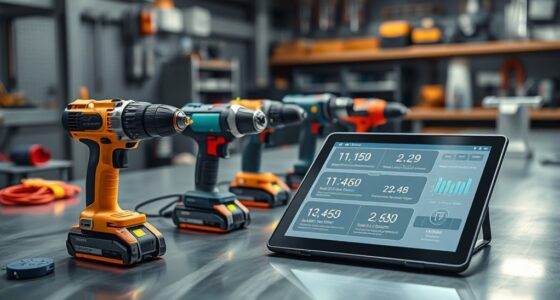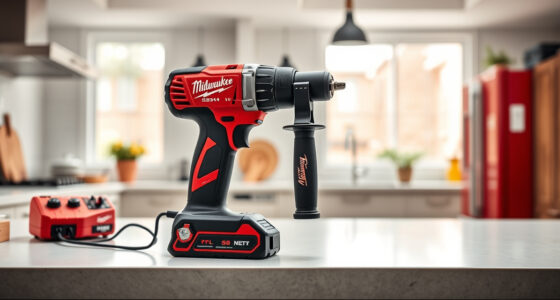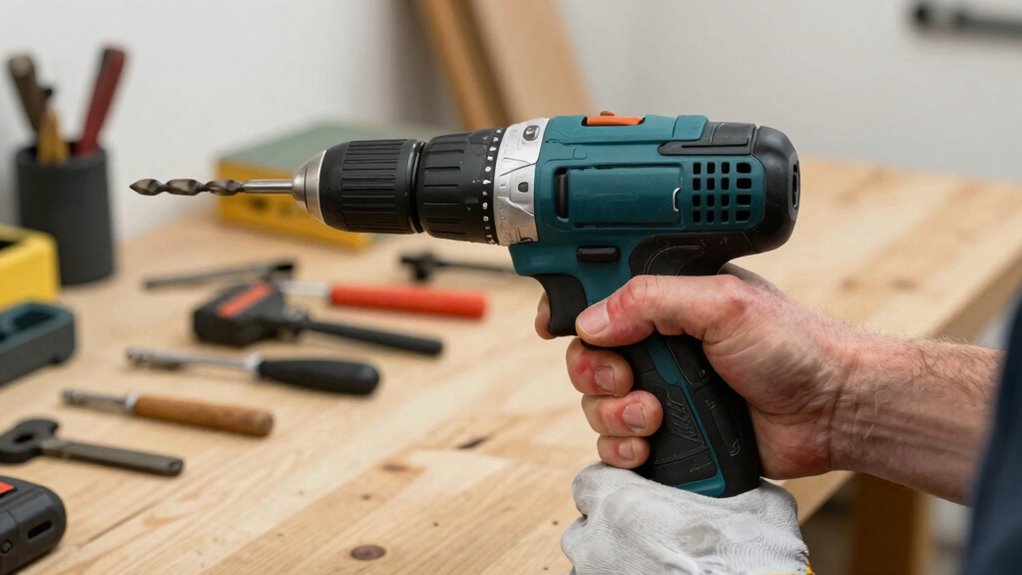

To reduce vibration fatigue during long power tool sessions, wear gloves with vibration-dampening materials to protect your hands and distribute shock evenly. Choose ergonomic tools with anti-vibration handles that promote natural hand positioning and lessen strain. Take regular breaks to stretch and hydrate, maintaining good posture. Keep your equipment well-maintained and consider using damping accessories to minimize vibrations. If you want practical tips to stay comfortable longer, keep exploring these strategies.

Get business pricing on tools and workshop supplies
- Business-only prices and quantity discounts
- Tax-exempt purchasing
- Multiple users, one account, clear invoices
Key Takeaways
- Wear vibration-absorbing gloves with padding to evenly distribute shock and minimize vibration transmission.
- Choose ergonomic power tools with adjustable grips and anti-vibration handles for better control and comfort.
- Take regular breaks to stretch hands, wrists, and arms, promoting circulation and reducing muscle fatigue.
- Maintain tools properly and use vibration-dampening accessories to ensure smooth operation and decrease vibration levels.
- Use vibration analysis to select low-vibration tools and understand transmission for better fatigue management.
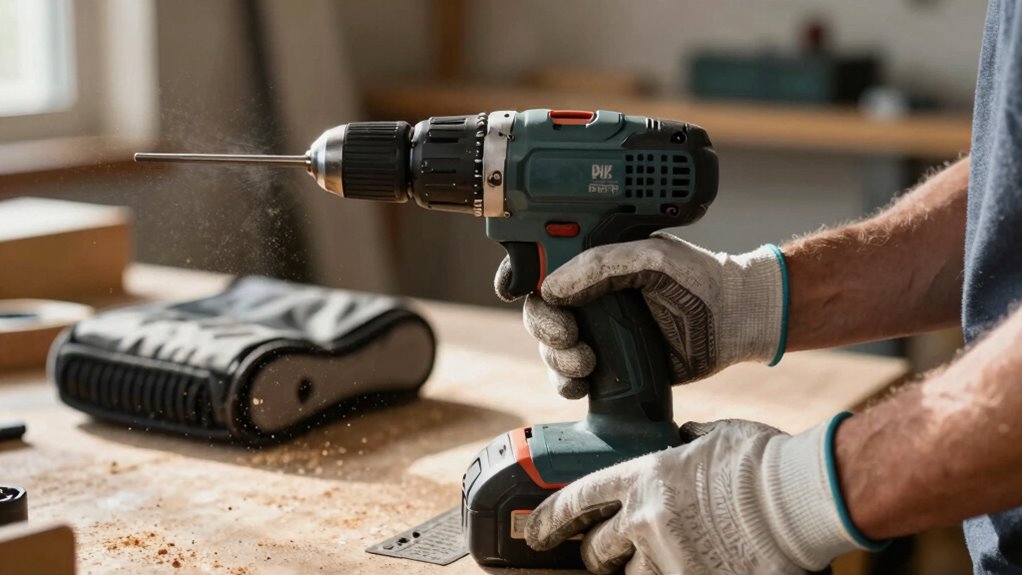
If you frequently work with power tools for extended periods, you’re likely familiar with the fatigue caused by vibrations. This fatigue doesn’t just wear you down physically; it can also decrease your precision and increase the risk of injury. To combat this, focusing on effective strategies is essential. One of the most straightforward ways to reduce vibration fatigue is by prioritizing hand protection. Using gloves designed specifically for vibration absorption can substantially cushion the impact on your hands and wrists. Look for gloves with built-in padding or vibration-dampening materials, which help distribute the shock more evenly and lessen the strain. Proper hand protection not only shields your skin but also reduces the transmission of harmful vibrations, making your work session more comfortable and safer.
Using vibration-absorbing gloves protects your hands and reduces fatigue during extended power tool use.
Alongside hand protection, ergonomic design plays a critical role in minimizing fatigue. Power tools with ergonomic features are crafted to fit comfortably in your hand, reducing unnecessary strain on your muscles and joints. When selecting tools, opt for models that have adjustable grips or anti-vibration handles. These features help you maintain a natural hand position, decreasing fatigue and the risk of repetitive strain injuries. Proper ergonomic design also improves your control over the tool, allowing you to work more efficiently and with less exertion. Remember, a well-designed tool can make a noticeable difference in how long you can work comfortably. Additionally, understanding vibration transmission in tools can help you choose equipment that minimizes the impact on your body, further reducing fatigue during extended use. Recognizing the importance of vibration control in your tools can lead to more informed choices and better long-term comfort. Incorporating vibration analysis can also help you identify tools that produce less harmful vibrations, contributing to your overall safety.
In addition to protective gear and ergonomic tools, take regular breaks during long sessions. Even with the best gloves and well-designed equipment, continuous exposure to vibration can accumulate fatigue. Short, frequent breaks give your hands and arms time to recover, preventing overuse and reducing discomfort. During these breaks, stretch your hands, wrists, and arms to improve circulation and flexibility. Hydration and proper posture also contribute to decreasing fatigue and keeping your muscles relaxed. Incorporating vibration-reducing accessories, such as damping pads or vibration isolators, can further help in minimizing the transmission of vibrations to your body.
Finally, maintaining your tools in good condition is essential. Loose or poorly maintained equipment can generate more vibrations, increasing fatigue and the risk of injury. Regularly check and service your tools to ensure they operate smoothly. Using the right protective gear, choosing ergonomic tools, taking breaks, and maintaining equipment all work together to help you work longer, more safely, and with less fatigue. By implementing these strategies, you’ll find that your work becomes more manageable and comfortable, even during those extended power tool sessions.
Products Worth Considering

Philips Hue Essential Starter Kit with Bridge and 4 E26 Smart Bulbs

Philips Hue White and Color Ambiance Smart Light Starter Kit, 2 A19 Bulbs with Hub

Philips Hue Secure Starter Kit with Contact Sensors, Motion Sensor, Bridge, and Color Smart Bulbs
As an affiliate, we earn on qualifying purchases.
Frequently Asked Questions
What Are the Early Signs of Vibration Fatigue?
You might notice early signs of vibration fatigue like numbness, tingling, or aching in your hands and arms. You could also feel decreased grip strength or a loss of dexterity. To combat this, focus on proper hand grip techniques and make sure your tools have good vibration absorption features. Taking regular breaks and stretching can also help minimize these early symptoms and keep you comfortable during long sessions.
Can Specific Power Tools Cause More Fatigue Than Others?
Think of power tools as marathon runners—some are lighter and more efficient. Heavier tools with high vibration frequency tend to cause more fatigue, making your arms feel like they’re carrying a weighty burden. For example, a heavy demo hammer vibrates intensely, leading to quicker fatigue. Lighter, low-frequency tools generate less vibration, reducing strain. Choosing tools with ideal weight and vibration frequency can help you work longer without tiring out.
How Does Personal Health Affect Vibration Fatigue Risk?
Your personal health considerably affects your vibration fatigue risk. If you have existing conditions like arthritis or circulatory issues, you’re more vulnerable to fatigue. Pay attention to workplace ergonomics, ensuring proper posture and tool handling, and always wear appropriate personal protective equipment. These measures help minimize strain and improve circulation, reducing fatigue. Staying healthy overall and taking regular breaks also play essential roles in managing vibration fatigue during long sessions.
Are There Ergonomic Accessories That Help Reduce Fatigue?
Imagine you’re using a power drill for hours; ergonomic handles and vibration dampers make a big difference. These accessories absorb shocks and reduce hand strain, preventing fatigue. For example, a construction worker switched to tools with ergonomic handles and vibration dampers, noticing less hand numbness and discomfort. Investing in these ergonomic accessories enhances comfort, improves control, and helps you work longer without experiencing fatigue or injury.
How Often Should I Take Breaks During Long Sessions?
You should take breaks every 15-20 minutes during long sessions to prevent fatigue. During these breaks, focus on adjusting your tool grip and hand position to reduce strain. Changing your grip and hand placement helps distribute pressure more evenly, minimizing vibration impact. Regularly shifting your hand position also prevents stiffness and soreness. Short, frequent breaks keep you alert and comfortable, ultimately helping you work longer without experiencing excessive vibration fatigue.
Conclusion
To keep vibration fatigue at bay during long power tool sessions, prioritize regular breaks and ergonomic techniques. For instance, imagine a construction worker who alternates tasks and uses anti-vibration gloves—she notices less hand discomfort after a full day. By applying these simple strategies, you can work longer without sacrificing comfort or safety. Remember, taking care of your body means more productive, less tiring sessions—so stay mindful and protect yourself on every project.