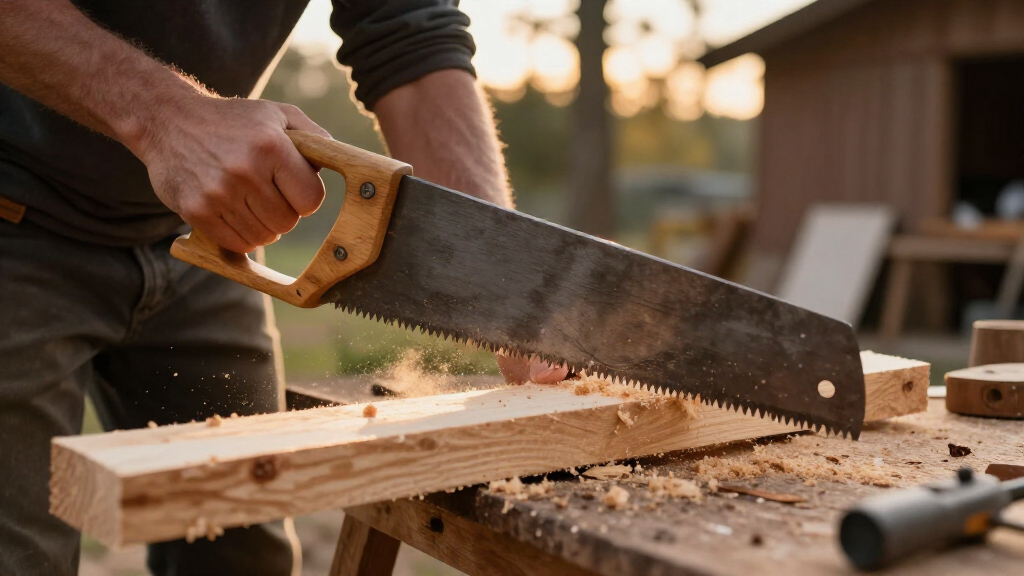

Shopping for woodworking hand saws means choosing between two very different cutting philosophies: Western push saws like the Hautmec 14-Inch 11 TPI, which rip through dimensional lumber fast, and Japanese pull saws like the SUIZAN 9.5-Inch Ryoba, which deliver cleaner, more precise cuts with less effort. My top overall pick is the Jorgensen 10-Inch Japanese Pull Saw, because its replaceable SK5 blade combines fine-cut accuracy with long-term value that fixed-blade budget saws can’t match. For raw framing speed, the Jorgensen 15-Inch 8 TPI is the push saw to beat. The main tradeoff you’ll face is versatility versus specialization — single-blade saws cut faster, while double-edge ryoba and multi-piece sets handle a wider range of joinery tasks. Read on for the full breakdown.
Complete the kit


Key Takeaways
- Japanese pull saws dominate this lineup for joinery and fine woodworking — nine of twelve picks use the pull-stroke design, because it produces cleaner kerfs with thinner blades than Western push saws.
- Replaceable-blade models like the Jorgensen 10-Inch beat fixed-blade budget saws on long-term value: a fresh blade costs a few dollars, while a kinked cheap blade means replacing the whole tool.
- Blade length is the biggest performance differentiator within the pull saw group — 6-inch blades excel at flush cuts and tight work, while 9.5-inch ryobas handle board-breaking cuts the short blades simply can’t manage.
- For rough carpentry and fast stock removal, the 14-15 inch Western-style saws (11 TPI and 8 TPI) cut dramatically faster than any pull saw here, but leave a rougher surface that needs planing or sanding.
- The 3-piece Japanese saw set fills a niche for beginners who don’t yet know which blade they’ll use most, though experienced woodworkers will likely outgrow the pruning blade quickly.
| 14-inch Pro Hand Saw, 11 TPI Fine-Cut with Soft-Grip Handle |  | Best Western-Style All-Rounder | Blade Length: 14 inches | Teeth per Inch: 11 TPI | Blade Material: Heat-treated alloy steel | VIEW LATEST PRICE | See Our Full Breakdown |
| RUITOOL Japanese Hand Saw 6 Inch Double Edge Ryoba Pull Saw |  | Best Value Precision Saw | Blade Length: 6 inches | Blade Material: SK5 high-carbon steel | Teeth per Inch: 17 TPI hardwood / 14 TPI softwood | VIEW LATEST PRICE | See Our Full Breakdown |
| Jorgensen Ryoba 7 Inch Double Edge Japanese Pull Saw |  | Best Premium Compact Ryoba | Blade Length: 7 inches | Teeth per Inch: 18 TPI crosscut / 7-12 TPI rip | Blade Material: SK5 high-carbon steel | VIEW LATEST PRICE | See Our Full Breakdown |
| WFOEJEJ Japanese Hand Saw, 6-Inch Double-Edge Pull Saw |  | Best for Tight-Space Work | Blade Length: 6 inches | Blade Material: SK5 steel | TPI: 11 TPI hardwood / 17 TPI softwood | VIEW LATEST PRICE | See Our Full Breakdown |
| Evertools Japanese Hand Saw Set, 3-Piece Pull Saw Kit |  | Best Starter Set | Pieces Included: 3 saws | Components: 6″ double-edged ryoba, 6″ flush cut saw, 8″ pruning saw | Blade Material: SK5 high-carbon steel | VIEW LATEST PRICE | See Our Full Breakdown |
| SUIZAN Ryoba Double Edge Saw 9.5″ Assembly Version |  | Best Traditional Japanese Craftsmanship | Blade Length: 9.5 inches | Blade Material: Japanese Steel | Blade Thickness: 0.02 inches | VIEW LATEST PRICE | See Our Full Breakdown |
| Frocopo 6-Inch Hand Saw with Double-Edge Blade | 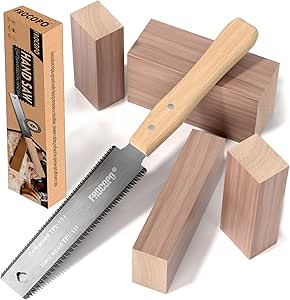 | Best Budget Detail Saw | Blade Length: 6 inches | Teeth per Inch: 17/11 TPI | Blade Material: SK5 Steel | VIEW LATEST PRICE | See Our Full Breakdown |
| Jorgensen Japanese Pull Saw, 10 Inch Double Edge with Replaceable SK5 Blade |  | Best Overall | Blade Length: 10 inches | Teeth per Inch: 7-12 TPI and 18 TPI | Blade Material: SK5 Japanese steel | VIEW LATEST PRICE | See Our Full Breakdown |
| GARTOL Hand Saw 2-Piece Japanese Pull Saw Set |  | Best Starter Set | Blade Length: 6 inches | Blade Material: Carbon Steel (SK5) | Handle Material: Wood | VIEW LATEST PRICE | See Our Full Breakdown |
| Jorgensen 15-Inch Hand Saw with 8 TPI Coarse Blade |  | Best for Fast Rough Cuts | Blade Length: 15 inches | Teeth Per Inch: 8 TPI | Blade Material: SK5 high-carbon steel | VIEW LATEST PRICE | See Our Full Breakdown |
| Hautmec 14-Inch Hand Saw with 11 TPI Fine Tooth for Wood Cutting |  | Best All-Purpose Utility Saw | Blade Length: 14 inches | Blade Thickness: 1.0mm | Teeth Per Inch: 11 TPI | VIEW LATEST PRICE | See Our Full Breakdown |
| Japanese Pull Saw – 9.5 Inch Ryoba Hand Saw with Rip-cut and Crosscut for Woodworking |  | Best Premium Joinery Saw | Blade Length: 9.5 inches | Blade Type: Dual-edge Ryoba (rip and crosscut) | Blade Material: High carbon steel | VIEW LATEST PRICE | See Our Full Breakdown |
| woodworking hand saw | Blade Length | Blade Material | Handle Material | Teeth per Inch |
|---|---|---|---|---|
| 14-inch Pro Hand Saw | 14 inches | Heat-treated alloy steel | Thermoplastic Rubber (TPR) | 11 TPI |
| RUITOOL Japanese Hand Saw 6 In | 6 inches | SK5 high-carbon steel | Beechwood | 17 TPI hardwood / 14 TPI softwood |
| Jorgensen Ryoba 7 Inch Double | 7 inches | SK5 high-carbon steel | European beech wood | 18 TPI crosscut / 7-12 TPI rip |
| WFOEJEJ Japanese Hand Saw | 6 inches | SK5 steel | — | — |
| Evertools Japanese Hand Saw Se | — | SK5 high-carbon steel | — | — |
| SUIZAN Ryoba Double Edge Saw 9 | 9.5 inches | Japanese Steel | Wood | — |
| Frocopo 6-Inch Hand Saw with D | 6 inches | SK5 Steel | Wood | 17/11 TPI |
| Jorgensen Japanese Pull Saw | 10 inches | SK5 Japanese steel | — | 7-12 TPI and 18 TPI |
| GARTOL Hand Saw 2-Piece Japane | 6 inches | Carbon Steel (SK5) | Wood | — |
| Jorgensen 15-Inch Hand Saw wit | 15 inches | SK5 high-carbon steel | Aluminum, TPE, ABS | 8 TPI |
| Hautmec 14-Inch Hand Saw with | 14 inches | — | — | 11 TPI |
| Japanese Pull Saw | 9.5 inches | High carbon steel | Wood | — |
More Details on Our Top Picks
14-inch Pro Hand Saw, 11 TPI Fine-Cut with Soft-Grip Handle
Most of this lineup leans Japanese, so this 14-inch push saw earns its place by doing something the pull saws can’t: covering general jobsite work. The 11 TPI heat-treated blade handles drywall and PVC alongside wood, where the RUITOOL Ryoba would struggle outside the workshop. Its low-friction coating and deep gullets translate to faster waste clearance on longer strokes, and the 14-inch length means fewer strokes per board than any 6-inch option here.
The tradeoff is finesse. Compared with the WFOEJEJ 6-inch pull saw, this model leaves a rougher kerf and won’t manage tight flush cuts or delicate joinery. It also cuts on the push stroke, so thin stock is more prone to binding or splintering.
Pros:- Cuts wood, drywall, and plastic with one blade
- 14-inch stroke makes quick work of long boards
- Comfortable non-slip TPR handle for extended use
- Heat-treated steel holds its edge through jobsite abuse
Cons:- Too coarse for precision joinery or flush cutting
- Push-stroke cutting can splinter thin or fragile stock
- No blade replacement option — when it dulls, the saw is done
Best for: DIYers and contractors who want one saw for mixed materials — wood, drywall, and plastic — on general projects
Not ideal for: Fine woodworkers doing joinery or flush cuts; the push stroke and coarse-ish teeth will splinter delicate work
- Blade Length:14 inches
- Teeth per Inch:11 TPI
- Blade Material:Heat-treated alloy steel
- Handle Material:Thermoplastic Rubber (TPR)
- Weight:12 ounces
- Compatible Materials:Wood, drywall, plastic
- Cut Style:Push stroke (Western)
Our verdict“This is the saw for buyers who need versatile jobsite coverage rather than workshop precision.”
RUITOOL Japanese Hand Saw 6 Inch Double Edge Ryoba Pull Saw
For the price of a pizza, this little saw delivers the core benefit of Japanese pull-saw design: thin-kerf, tear-out-free cutting driven by pulling rather than pushing. The 17/14 TPI double edge splits hardwood and softwood duty across one blade, which is the same trick the WFOEJEJ pull saw pulls off at a similar price point.
What separates them is the handle. RUITOOL’s beechwood grip gives it a more traditional workshop feel, while WFOEJEJ goes modern with a rubberized soft grip — a matter of taste, though wood tends to feel better in dry hands and worse in sweaty ones. Compared with the Jorgensen Ryoba 7-inch, this saw lacks a replaceable blade, so its lifespan is fixed from day one. The 6-inch blade also demands patience on wider stock.
Pros:- Dual tooth patterns optimize both hardwood and softwood cuts
- Extremely affordable entry into pull-saw woodworking
- Thin blade produces clean cuts with minimal tear-out
- Featherweight at 0.11 kg for fine control
Cons:- Blade is not replaceable, limiting long-term value
- 6-inch length is slow on anything wider than a 2×4
- Edge dulls faster than premium SK5 blades and needs frequent attention
Best for: Beginners and hobby woodworkers who want to try Japanese pull-saw technique without spending much
Not ideal for: Anyone cutting wide boards regularly — the 6-inch blade turns a simple crosscut into a multi-stroke chore
- Blade Length:6 inches
- Blade Material:SK5 high-carbon steel
- Teeth per Inch:17 TPI hardwood / 14 TPI softwood
- Handle Material:Beechwood
- Weight:0.11 kg (approx. 3.9 oz)
- Cut Style:Pull stroke (Japanese)
- Warranty:Lifetime
Our verdict“The cheapest credible way to learn pull-saw woodworking, as long as you accept its short blade and short lifespan.”
Jorgensen Ryoba 7 Inch Double Edge Japanese Pull Saw
The Jorgensen stands out for one feature none of the budget 6-inch saws offer: a replaceable SK5 blade. That changes the ownership math — instead of retiring the tool when the teeth dull, you swap in a fresh blade and keep the handle. Its 18 TPI crosscut side is also finer than the RUITOOL’s 17 TPI, producing cleaner surfaces in hardwood, while the 7-12 TPI rip side handles with-the-grain cuts the single-purpose flush saws in this roundup simply can’t make.
Against the SUIZAN 9.5-inch Ryoba, this model trades stroke length for control and portability. That makes it better for joinery at a bench and worse for breaking down lumber. The orange beech handle is comfortable, but this is still a technique-sensitive tool — first-time pull-saw users will bend the thin blade until their stroke evens out.
Pros:- Replaceable blade system extends the tool’s working life indefinitely
- 18 TPI crosscut side leaves glass-smooth hardwood surfaces
- Rip and crosscut edges cover both grain directions
- Geometric tooth geometry cuts efficiently with less effort
Cons:- Steeper price than nearly identical-performing budget ryobas
- Thin blade punishes sloppy technique with kinks and bends
- Woodworking only — no drywall, PVC, or mixed-material capability
Best for: Serious hobbyists who want a long-lived ryoba for joinery and don’t want to rebuy a whole saw each time the blade dulls
Not ideal for: Rough carpentry or anyone cutting sheet goods — the 7-inch blade is built for precision, not production
- Blade Length:7 inches
- Teeth per Inch:18 TPI crosscut / 7-12 TPI rip
- Blade Material:SK5 high-carbon steel
- Handle Material:European beech wood
- Total Teeth:125
- Dimensions:8.86″ L x 2.95″ W x 0.98″ H
- Blade Replacement:Yes, replaceable blade system
Our verdict“The smart buy for woodworkers who plan to keep their pull saw for years rather than treat it as disposable.”
WFOEJEJ Japanese Hand Saw, 6-Inch Double-Edge Pull Saw
This option makes the most sense for work inside cabinets, drawers, and joinery corners where a full-size saw simply won’t fit. The flexible SK5 blade lets it ride flat against a surface for flush cuts, and the soft rubberized grip keeps control when your hand is pinned at an awkward angle — a real advantage over the RUITOOL’s bare beechwood handle in sweaty or cramped conditions.
The 11/17 TPI split is a bit unusual; its coarser 11 TPI hardwood edge cuts faster but rougher than the Jorgensen’s 18 TPI side, which positions this saw toward speed in tight spots rather than final-surface polish. Compared with the Evertools 3-piece set, you give up the dedicated flush-cut and pruning blades, so anyone trimming dowels and branches regularly should pay the extra for the set instead.
Pros:- Flexible blade lies flat for clean flush cuts
- Soft-grip ergonomic handle reduces fatigue in awkward positions
- Dual TPI edges handle both hardwood and softwood
- Compact footprint slips into spaces full-size saws can’t reach
Cons:- 11 TPI edge leaves visible marks that need sanding
- Extremely sharp blade demands careful handling and storage
- No blade replacement option
Best for: Woodworkers and trim carpenters who frequently make flush cuts and work in cramped interior spaces
Not ideal for: Buyers wanting one saw for everything — this has no pruning or rough-cutting capability
- Blade Length:6 inches
- Blade Material:SK5 steel
- TPI:11 TPI hardwood / 17 TPI softwood
- Handle:Ergonomic soft grip
- Design:Double-edge, flush cut capable
- Blade Flexibility:Flexible for flush cutting
- Cut Style:Pull stroke (Japanese)
Our verdict“A specialist for flush cuts and confined spaces that belongs in a kit alongside, not instead of, a general-purpose saw.”
Evertools Japanese Hand Saw Set, 3-Piece Pull Saw Kit
Instead of forcing one blade to do everything, this kit spreads the work across three: a 6-inch ryoba for general woodworking, a dedicated flush-cut saw, and an 8-inch pruning blade for the garden. That third blade is the differentiator — no other product in this roundup touches green wood, and it means the set survives beyond the workshop bench.
The catch is depth over breadth. Each individual saw is a step down from the dedicated picks: the ryoba here won’t match the Jorgensen Ryoba’s tooth refinement or replaceable-blade economy, and the flush saw is less flexible than the WFOEJEJ. Everything is rated for light-duty work only, so framing lumber and thick hardwood are off the menu. There’s also no storage case, which matters more when you own three loose blades instead of one.
Pros:- Three specialized blades cover woodworking, flush cuts, and pruning
- Controlled pull cuts suit beginners learning technique
- SK5 blades handle wood, bamboo, PVC, and drywall
- Lower total cost than buying three separate saws
Cons:- Each blade is lighter-duty than a dedicated tool
- No storage case for organizing three loose saws
- Blades are not replaceable — dulled tools must be fully replaced
Best for: New woodworkers and homeowners who want pull-saw capability for trim, DIY projects, and yard maintenance in a single purchase
Not ideal for: Experienced woodworkers — every blade here is outclassed by a dedicated single-purpose saw
- Pieces Included:3 saws
- Components:6″ double-edged ryoba, 6″ flush cut saw, 8″ pruning saw
- Blade Material:SK5 high-carbon steel
- Cut Style:Pull stroke (Japanese)
- Use Cases:Wood, bamboo, PVC, drywall, light branches
- Model Number:HDR10014
- Duty Rating:Light-duty
Our verdict“The most sensible first purchase for a household that needs workshop precision and occasional garden trimming without buying three tools.”
SUIZAN Ryoba Double Edge Saw 9.5″ Assembly Version
This option stands out for its authentic Japanese construction, made by craftsmen rather than stamped out in a generic factory line. The 9.5-inch ryoba blade puts both rip and crosscut teeth on one tool, which makes it more versatile than single-purpose Western saws like the Jorgensen 15-Inch, while the ultra-thin 0.03-inch kerf means less wasted wood and noticeably less effort per stroke. Compared with the Jorgensen 10-Inch Pull Saw, the SUIZAN trades replaceable-blade convenience for a lighter, more balanced feel at just over 7 ounces. The catch: it arrives as an assembly version, so buyers comfortable wrenching on a blade will be fine, but anyone wanting a ready-to-cut tool out of the box may find this friction annoying. Hand-wrapped handles also vary in appearance.
Pros:- High-quality Japanese steel delivers exceptionally clean, thin-kerf cuts
- Double-edge ryoba design handles rip and crosscutting with one tool
- Featherweight 7-ounce build reduces fatigue on long sessions
- Traditional craftsmanship from Japanese makers
Cons:- Assembly required before first use, which can confuse beginners
- No replaceable blade — once teeth dull, the whole blade is done
- Hand-wrapped handle appearance varies, and minor cracks can occur in manufacturing
Best for: Woodworkers who value traditional Japanese toolmaking and want one blade for both rip and crosscut work
Not ideal for: Buyers who want a saw ready to use immediately — the assembly step and blade-changing hassle will frustrate them
- Blade Length:9.5 inches
- Blade Material:Japanese Steel
- Blade Thickness:0.02 inches
- Kerf Width:0.03 inches
- Number of Teeth:15
- Handle Material:Wood
- Overall Length:23.2 inches
- Weight:7.04 ounces
Our verdict“This pick makes the most sense for traditionalists who want a genuine Japanese ryoba and don’t mind assembling it themselves.”
Frocopo 6-Inch Hand Saw with Double-Edge Blade
At under three ounces, the Frocopo is the lightest saw in this lineup, and that is exactly its selling point. The double-edge SK5 blade pairs 17 TPI fine teeth with 11 TPI coarse teeth, so it handles delicate trim work and quicker rough cuts without swapping tools. Compared with the GARTOL 2-piece set, you give up the dedicated flush-cut blade but save money and pocket space — this saw fits in a tool belt or even a large drawer. It’s not competing with the SUIZAN Ryoba; the 6-inch blade is meant for small jobs, dowels, and joinery touch-ups, not breaking down boards. The tradeoff is real: anyone cutting sheet goods or framing lumber will find the stroke length restrictive fast.
Pros:- Featherlight 2.82-ounce design prevents fatigue during fine work
- Dual-edge blade covers both coarse and fine cutting in one tool
- SK5 steel holds a sharp edge well for the price
- Compact enough to carry in a tool bag or apron pocket
Cons:- 6-inch blade limits it to small projects and tight spaces
- Extremely sharp teeth demand careful handling and storage
- No replaceable blade option
Best for: DIYers and hobbyists who need an inexpensive, ultra-light saw for small trim and detail cuts
Not ideal for: Anyone working with large boards or sheet goods — the 6-inch blade makes long cuts slow and tedious
- Blade Length:6 inches
- Teeth per Inch:17/11 TPI
- Blade Material:SK5 Steel
- Handle Material:Wood
- Number of Teeth:17
- Weight:2.82 ounces
- Dimensions:12.2″L x 1.8″W x 0.62″H
Our verdict“A smart buy for occasional small-scale work, but skip it if your projects involve long or thick stock.”
Jorgensen Japanese Pull Saw, 10 Inch Double Edge with Replaceable SK5 Blade
This is the pick I’d point most woodworkers toward first, because it solves the biggest problem with Japanese saws: blade longevity. The replaceable SK5 blade means a dull or damaged tooth pattern costs a few dollars to fix, not a whole new saw — a clear advantage over the SUIZAN Ryoba and the Frocopo, both of which are single-blade tools. The 10-inch length with aggressive 7-12 TPI on one edge and 18 TPI on the other covers rough ripping and fine crosscutting in hardwood and softwood alike. The ergonomic non-slip handle is also more forgiving for beginners than the traditional wrapped-wood handles on the SUIZAN. The main tradeoff is that pull-saw technique still matters — impatient push-stroke habits will flex the blade — and blade swaps can be fiddly.
Pros:- Replaceable blade extends tool lifespan and lowers long-term cost
- Dual-edge teeth handle both fast ripping and smooth crosscutting
- Comfortable non-slip ergonomic handle suits long sessions
- 10-inch blade balances reach with control for most bench work
Cons:- Requires proper pull-stroke technique for best results
- Blade replacement process is somewhat cumbersome
- Not ideal for heavy pruning or construction-grade rough work
Best for: Woodworkers who want one versatile saw that stays economical long-term thanks to replaceable blades
Not ideal for: Users who push hard through cuts — thin pull-saw blades demand a lighter, technique-driven approach
- Blade Length:10 inches
- Teeth per Inch:7-12 TPI and 18 TPI
- Blade Material:SK5 Japanese steel
- Blade Type:Replaceable
- Handle:Ergonomic, non-slip
- Cut Type:Double edge (coarse and fine)
Our verdict“The most sensible all-around choice for anyone who wants Japanese-saw precision with Western-tool practicality.”
GARTOL Hand Saw 2-Piece Japanese Pull Saw Set
For a newcomer deciding what kind of sawing they’ll actually do, this two-piece set removes the guesswork. You get a dedicated flush-cut saw — invaluable for trimming pegs and dowels flush without marring the surface — plus a double-edged ryoba for general crosscut and rip work. Compared with buying the Frocopo 6-Inch alone, you pay a bit more but gain a capability most single-saw buyers end up wishing they had. The 1-year limited warranty also signals more confidence than typical budget imports. The compromises are honest ones: both blades are 6 inches, so this set is about joinery and detail work, not lumber breakdown, and the wooden handles won’t fit every hand comfortably. Heavy users should also expect to sharpen or replace blades eventually.
Pros:- Two specialized saws cover both flush trimming and general cutting
- SK5 steel blades stay sharp through typical hobby-level use
- Backed by a 1-year limited warranty
- Compact and lightweight for storage and jobsite portability
Cons:- Blades may need sharpening with heavy use
- Not suited to heavy-duty or large-stock cutting
- Handle sizing may not fit all hands comfortably
Best for: Beginners building a first toolkit who want flush-cutting and general cutting covered in one purchase
Not ideal for: Woodworkers who regularly cut thick stock — these 6-inch blades are too short for efficient heavy work
- Blade Length:6 inches
- Blade Material:Carbon Steel (SK5)
- Handle Material:Wood
- Blade Configuration:Flush-cut flat blade + dual-edge ryoba
- Warranty:1-Year Limited Warranty
- Dimensions:12.5″L x 2.24″W x 0.98″H
Our verdict“The smartest entry point for new woodworkers who want versatility from day one without buying saws individually.”
Jorgensen 15-Inch Hand Saw with 8 TPI Coarse Blade
When the job is speed rather than finesse, this Western-style saw is the clear choice in this batch. The triple-ground 8 TPI teeth cut up to 50% faster than standard tooth geometry, and the Teflon-coated 15-inch SK5 blade glides through wet wood, PVC, and rough lumber without gumming up — a versatility no Japanese pull saw here can match. Where the Jorgensen 10-Inch Pull Saw rewards patience with glass-smooth cuts, this model rewards momentum. The built-in angle guides on the handle are a genuinely useful touch for keeping 45- and 90-degree cuts honest. The tradeoff is straightforward: 8 TPI is coarse, leaving a rougher finish that needs planing or sanding, so fine furniture work should go to a finer-toothed or pull-style alternative instead.
Pros:- Triple-ground teeth cut up to 50% faster than standard saws
- Teflon coating resists rust and reduces friction in wet or resinous wood
- Handle angle guides help keep common bevel cuts accurate
- Handles wood, PVC, and pruning tasks with one blade
Cons:- Coarse tooth pattern produces a rough cut unsuitable for finish work
- Handle shape may not suit all hand sizes
- Heavier and bulkier than pull saws for confined spaces
Best for: DIYers and pros who need fast cuts through framing lumber, branches, and PVC with one rugged tool
Not ideal for: Fine woodworking and joinery — the coarse 8 TPI blade leaves a rough finish that needs cleanup
- Blade Length:15 inches
- Teeth Per Inch:8 TPI
- Blade Material:SK5 high-carbon steel
- Coating:Teflon
- Handle Material:Aluminum, TPE, ABS
- Intended Use:Woodworking, pruning, PVC cutting
Our verdict“Buy this when speed and material versatility matter more than a polished cut — reach for a pull saw for fine work.”
Hautmec 14-Inch Hand Saw with 11 TPI Fine Tooth for Wood Cutting
Most of the saws in this roundup are Japanese pull saws built for joinery, which is great until you need to cut drywall, PVC, or a two-by-four. That’s where this Hautmec earns its place: it’s a Western-style push saw that handles rough jobsite work without complaint. The 14-inch blade and 11 TPI tooth count split the difference between the coarse 8 TPI Jorgensen 15-Inch and the fine joinery saws, so it produces reasonably clean cuts at a respectable pace. Compared with the compact 6-inch pull saws like the RUITOOL Ryoba, the longer stroke means fewer strokes per cut and far better results on thick stock.
The tradeoff is precision. It can’t match a Japanese pull saw for dovetails or flush cuts, and the blade is too short for serious framing. Think of it as the do-everything tool for a homeowner’s toolbox rather than a bench saw.
Pros:- Versatile enough for wood, plastic, PVC, and drywall in one blade
- 1.0mm high-carbon steel blade resists bending during rough cuts
- Long 14-inch stroke makes quick work of thicker stock
- Ergonomic non-slip handle keeps grip secure during long sessions
Cons:- 14-inch blade is undersized for framing and heavy-duty construction work
- Push-cut Western design produces more tear-out than pull saws on finish cuts
Best for: Homeowners and DIYers who want one affordable saw that handles wood, plastic, PVC, and drywall around the house
Not ideal for: Fine woodworkers doing joinery — the push-cut design and stiffer blade tear out more than a Japanese pull saw
- Blade Length:14 inches
- Blade Thickness:1.0mm
- Teeth Per Inch:11 TPI
- Material:High-carbon 65Mn steel
- Handle:Non-slip ergonomic ABS with TPR rubber
- Item Weight:13 ounces
- Color:Red/Black
Our verdict“If you want a single general-purpose saw for household projects rather than dedicated woodworking joinery, this is the sensible budget pick.”
Japanese Pull Saw – 9.5 Inch Ryoba Hand Saw with Rip-cut and Crosscut for Woodworking
This 9.5-inch Ryoba sits at the serious woodworker end of the roundup. Unlike the interchangeable-blade Jorgensen 10-Inch Pull Saw, this one is made in Japan with a traditional wooden handle, and the dual-edge configuration gives you dedicated rip and crosscut teeth on a single blade — exactly what you want for dovetails, tenons, and other joinery. The extra reach over 6-inch options like the WFOEJEJ Double-Edge Pull Saw matters when cutting tenon shoulders or resawing small stock, where short blades stall out mid-stroke.
It costs more than the generic Chinese-made Ryobas here, and that premium buys craftsmanship rather than versatility. The wooden handle needs occasional care, the blade isn’t replaceable, and it should never touch drywall or PVC — this is a bench tool, not a jobsite tool. Buyers who split their time between woodworking and household repairs will get more mileage from the Hautmec above.
Pros:- Dual rip and crosscut edges cover nearly every woodworking cut in one tool
- Authentic Japanese manufacture with high-quality steel that holds sharpness
- 9.5-inch blade offers more reach than compact 6-inch Ryobas for joinery
- Traditional wooden handle balances well for controlled, accurate cuts
Cons:- Higher price than generic Chinese-made pull saws in this roundup
- Wooden handle requires maintenance and the blade is not replaceable
- Wood-only cutting — unsuitable for PVC, drywall, or rough construction work
Best for: Dedicated woodworkers who want an authentic Japanese-made Ryoba for joinery and are willing to pay extra for quality
Not ideal for: Budget shoppers and general DIYers — it costs more than generic pull saws and can’t handle mixed-material jobsite work
- Blade Length:9.5 inches
- Blade Type:Dual-edge Ryoba (rip and crosscut)
- Blade Material:High carbon steel
- Handle Material:Wood
- Made In:Japan
- Item Weight:1 kg
- Item Dimensions:3″L x 3″W x 10″H
Our verdict“For woodworkers focused on joinery who value traditional Japanese craftsmanship over budget or versatility, this Ryoba justifies its premium price.”
How We Picked
I evaluated each saw against the criteria that actually predict satisfaction: cut quality per stroke, blade steel and tooth geometry, handle comfort during extended use, versatility across cutting tasks, and long-term ownership cost. Cut quality weighed heaviest — a saw that leaves a ragged kerf or wanders off the line fails at its one job, regardless of price. Blade steel mattered most for durability: SK5 high-carbon steel held its edge noticeably longer than the unmarked steel found on the cheapest options, and replaceable-blade designs scored higher on ownership cost because a worn or damaged blade doesn’t retire the whole tool.
The ranking also reflects cutting philosophy. Pull saws earned the top positions for fine woodworking because their thinner blades and pull-stroke tension allow straighter, cleaner cuts with less physical effort — ideal for joinery, trim, and flush work. Western-style push saws ranked high for speed and framing applications, where a coarse 8-11 TPI blade removes material faster than any pull saw can. Multi-blade sets were judged on whether every included blade earns its place, not just on piece count.
| woodworking hand saw | Handle Material |
|---|---|
| 14-inch Pro Hand Saw | Thermoplastic Rubber (TPR) |
| RUITOOL Japanese Hand Saw 6 In | Beechwood |
| Jorgensen Ryoba 7 Inch Double | European beech wood |
| WFOEJEJ Japanese Hand Saw | — |
| Evertools Japanese Hand Saw Se | — |
| SUIZAN Ryoba Double Edge Saw 9 | Wood |
| Frocopo 6-Inch Hand Saw with D | Wood |
| Jorgensen Japanese Pull Saw | — |
| GARTOL Hand Saw 2-Piece Japane | Wood |
| Jorgensen 15-Inch Hand Saw wit | Aluminum, TPE, ABS |
| Hautmec 14-Inch Hand Saw with | — |
| Japanese Pull Saw | Wood |
Factors to Consider When Choosing Woodworking Hand Saws
Before settling on a specific saw, it helps to understand the broader decisions that shape this purchase. The right choice depends less on brand and more on matching the saw’s design to the work you actually do.
Pull Stroke vs. Push Stroke: The Foundational Choice
This is the single biggest decision, and it shapes everything else. Japanese pull saws cut on the pull stroke, which keeps the blade under tension and allows a much thinner plate — the result is a narrower kerf, less sawdust, and cleaner cuts with noticeably less effort. Western push saws cut on the push stroke, requiring a thicker, stiffer blade that removes material faster but leaves a wider, rougher kerf. If your work involves joinery, trim, dovetails, or precise cuts in finished stock, a pull saw will serve you better. If you’re breaking down framing lumber, cutting PVC, or ripping rough boards where speed matters more than surface finish, a push saw with coarse teeth wins. Many woodworkers eventually own one of each, but start with the type that matches 80% of your projects.
Tooth Count (TPI) and Matching It to Your Work
Teeth per inch directly determines cut character, and buying the wrong TPI is the most common mistake I see. Coarse blades (6-8 TPI) remove material aggressively — great for thick softwood and rough cuts, but they tear out on hardwood faces and leave splintered edges in plywood. Fine blades (11 TPI and up) produce smooth surfaces and clean plywood cuts, at the cost of slower progress in thick stock. Double-edge ryoba saws solve this by putting crosscut teeth on one side and rip teeth on the other, which is why they dominate this roundup. A common beginner error is buying a single fine-tooth blade and then fighting through ripping tasks it was never designed for — patience runs out, force gets applied, and blades kink.
Blade Steel, Replaceability, and Total Cost of Ownership
SK5 high-carbon steel is the sweet spot for hand saw blades: it takes a sharp edge, holds it through hardwood work, and flexes without permanently bending. Saws that don’t specify their steel often use softer alloys that dull within a few projects. Just as important is whether the blade is replaceable. A fixed-blade saw is cheaper upfront, but one dropped saw or forced cut can kink the blade beyond repair, turning the whole tool into scrap. Replaceable-blade designs cost a little more initially, but replacement blades typically run $5-15, meaning a decade of use costs far less overall. For buyers planning regular use, replaceability is worth more than any other feature at the same price.
Blade Length and the Tasks It Enables
Blade length isn’t about convenience — it determines what cuts you can physically make. 6-inch blades are flush-cut and detail specialists: superb for trimming dowels and cutting close to surfaces, but the short stroke means a 2-inch board requires many more strokes than a longer blade would need. 9.5-inch and longer blades carry momentum through thick stock and let you establish a straighter line over a longer stroke. 14-15 inch Western blades excel at breaking down sheet goods and wide boards. Match the length to your thickest typical workpiece: a saw whose blade is shorter than the cut is deep will always feel underpowered, no matter how sharp it is.
Sets vs. Single Saws: When Piece Count Is a Trap
Multi-saw sets look like strong value on paper, but the math only works if you’ll use every blade. A three-piece set that includes a ryoba, a flush-cut blade, and a pruning blade serves a generalist well — but if you never prune, that blade is dead weight inflating the price. Buy a set when your work genuinely spans categories; buy a single quality saw when your projects cluster around one type of cut. A related trap is assuming more pieces means better quality — set blades are sometimes thinner and less durable than standalone equivalents to keep the bundle price down. One excellent saw that fits your work beats three mediocre ones every time.
Handle Ergonomics for Long Sessions
Handle design gets overlooked in product listings but becomes obvious after twenty minutes of continuous cutting. Soft-grip rubberized handles reduce hand fatigue and give better control when your palm sweats, which matters for precision cuts. Traditional wrapped Japanese handles are lighter and balance the blade nicely, but they can feel slippery during long sessions. Pay attention to the angle between handle and blade, too — Japanese saws typically have a straighter grip that suits a low, horizontal cutting posture, while Western pistol grips favor standing cuts at a steeper angle. If you have larger hands, check handle opening dimensions; some budget saws pinch the knuckles on full grips.
Frequently Asked Questions
Can a Japanese pull saw replace my Western hand saw entirely?
For fine woodworking, mostly yes — a ryoba’s double-edge design covers both rip and crosscut tasks, and many woodworkers who switch to pull saws never go back. The pull stroke is easier on the arm, the thinner blade wastes less material, and cut surfaces often need no cleanup. Where pull saws fall short is aggressive stock removal: breaking down framing lumber, cutting thick green wood, or rapid rough cuts favor the longer stroke and coarser teeth of a Western push saw. If your workshop time is joinery, furniture, and trim work, a quality ryoba can genuinely be your only hand saw. If you mix carpentry with fine work, keeping one of each is the honest answer.
Are replaceable blades really better than fixed blades, or is that just upselling?
Replaceable blades are a genuine advantage, not marketing. Hand saw blades dull with use and can kink if a cut binds or the saw is dropped — with a fixed-blade saw, either event ends the tool’s life. A replaceable-blade design turns that into a $5-15 fix and keeps the handle you’ve grown accustomed to. The tradeoff is a slightly higher initial price and a small risk of the blade-mount loosening over time, which is why quality of the locking mechanism matters. Fixed blades do have one edge: with no mount, they’re marginally stiffer and simpler. But for anyone who saws regularly, the economics of replaceable blades win within the first year or two of ownership.
Why do so many of these saws use SK5 steel — is it actually good?
SK5 is a Japanese high-carbon steel with a long track record in cutting tools, and its popularity in hand saws is earned. It hardens to a level that holds a sharp edge through hardwood, yet retains enough flex to survive the bending forces a thin saw blade endures without taking a permanent set. That balance of hardness and toughness is exactly what a pull-stroke blade needs. Softer unspecified steels, common on the cheapest saws, dull quickly and kink easily. There are marginally better premium steels, but at hand saw prices, SK5 represents the practical ceiling of quality before you’re paying for diminishing returns.
What does a flush-cut saw do that a regular saw can’t?
A flush-cut saw’s defining feature is a blade with no set on its teeth — the teeth don’t flare outward, so the blade can lie flat against a surface while cutting without scratching it. This lets you trim dowels, pegs, and through-tenons flush to the surrounding wood, which is a routine need in furniture and cabinet work. A regular saw, even a fine-tooth one, has set teeth that will gouge the surface the moment the blade touches it. Flush-cut saws also typically flex, letting you cut close to perpendicular surfaces. If you do joinery with dowels or pegs, this is not an optional tool — it’s the only clean way to trim them.
Is a 6-inch pull saw too small for general woodworking?
It depends on what you call general. A 6-inch blade handles trim work, small joinery, model making, and flush cuts beautifully, and its maneuverability is an asset in tight spots. But its short stroke makes it inefficient for anything thicker than about an inch — cutting a 2×4 in half becomes a long, tedious exercise. For general furniture and cabinet work, a 9.5-inch ryoba is the better single purchase because it covers both small precise cuts and board-breaking tasks. The 6-inch saw makes the most sense as a second saw or as a dedicated flush-cut and detail tool. Buyers who only want one saw should size up.
Conclusion
The right pick here depends on the work waiting in your shop. Best overall goes to the Jorgensen 10-Inch Japanese Pull Saw — its replaceable SK5 blade, ryoba versatility, and mid-size length make it the most complete tool in the lineup. Best value belongs to the SUIZAN 9.5-Inch Ryoba, which delivers full-size cutting capacity and proven blade quality at a price that undercuts comparable saws. For beginners, the 3-Piece Japanese Saw Set lets you learn which blade geometry suits your projects before committing to a premium single saw, while the Hautmec 14-Inch 11 TPI is the gentlest entry point if you prefer a traditional Western saw.
For specific needs: framers and rough carpenters should grab the Jorgensen 15-Inch 8 TPI for raw speed; fine-woodworking purists will appreciate the SUIZAN 9.5-Inch Assembly Version as the premium refinement pick; and anyone doing dowel or trim work needs the RUITOOL 6-Inch Flush Cut Saw in the drawer regardless of what else they own. Whatever you choose, remember that blade quality and replaceability predict long-term satisfaction far better than piece count or handle styling — a lesson this comparison made repeatedly clear.