Upgrading your garden edges can instantly make your yard look sharper by creating clean, crisp borders that define different zones. Choose durable materials like natural stone, brick, or metal for a polished finish, and install them with proper techniques to guarantee longevity. This simple upgrade not only improves your yard’s aesthetic but also makes maintenance easier. Keep going, and you’ll discover how to choose the best materials and installation tips for a flawless look.

Get business pricing on tools and workshop supplies
- Business-only prices and quantity discounts
- Tax-exempt purchasing
- Multiple users, one account, clear invoices
Key Takeaways
- Choose sleek, modern materials like metal or smooth concrete for an instant contemporary upgrade.
- Maintain a consistent, precise trench depth for a clean, professional look.
- Use level, secure installation techniques to ensure sharp, crisp edges.
- Select durable, climate-appropriate materials to ensure long-lasting sharpness.
- Incorporate well-defined curves or straight lines to create a polished, visually striking boundary.
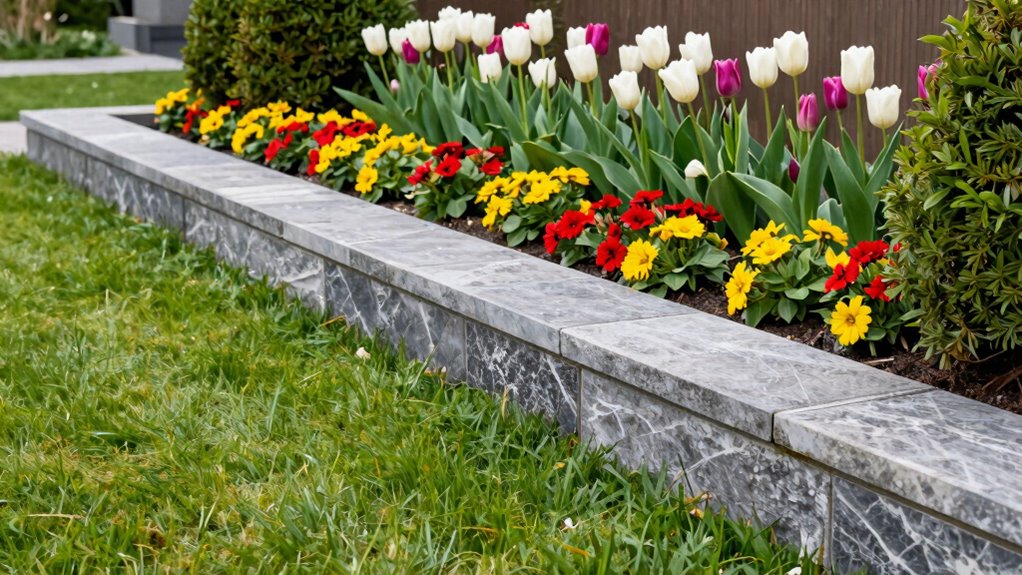
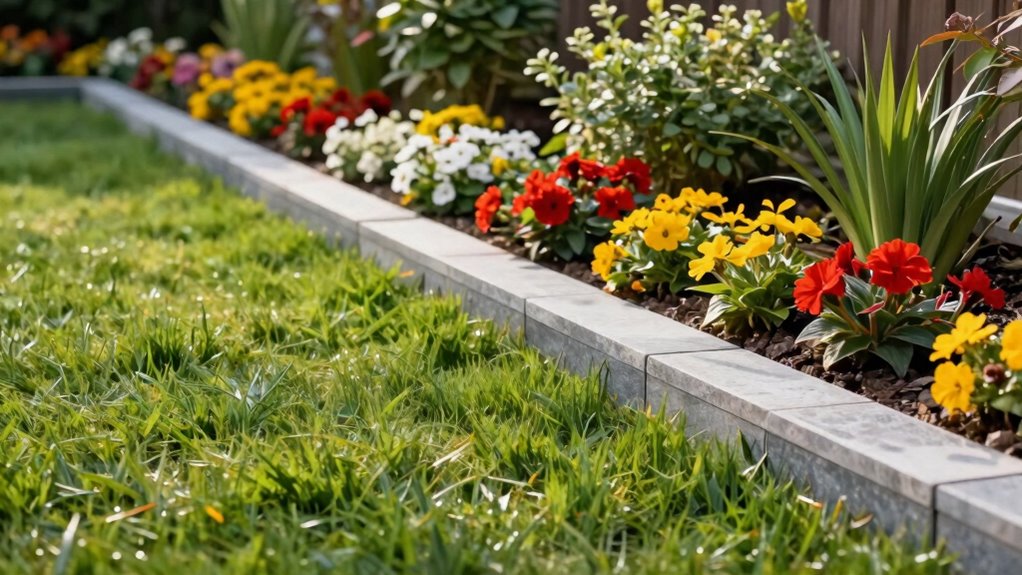
Are you ready to transform your garden into a more striking and functional space? Upgrading your garden edge is one of the simplest yet most impactful ways to elevate your yard’s overall look. When you focus on landscaping design, paying close attention to your edging materials, you can create clean lines that define your flower beds, pathways, and lawn areas. The right edging acts as a visual boundary, giving your garden a polished appearance that immediately draws the eye and makes your outdoor space look well-maintained and intentional.
Choosing the correct edging materials is key to achieving the sharp, professional look you want. There’s a variety of options to contemplate, from natural stone to concrete, metal, or even brick. Each material offers a different aesthetic and level of durability, so think about the style of your garden and how much maintenance you’re willing to handle. For example, natural stone provides an organic, timeless feel and blends seamlessly with existing landscaping, while metal edging offers a sleek, modern look that’s easy to install and maintain. Concrete borders are versatile and can be shaped into curves or straight lines, giving you flexibility in your landscaping design. Picking the right materials ensures your garden’s edge remains intact over time and complements the rest of your yard’s features.
Selecting the right edging materials enhances durability and complements your garden’s style beautifully.
Installation is straightforward, especially when you have a clear plan. First, define the boundary you want to emphasize, then dig a trench along the marked edge to hold your chosen edging material. Keep the trench depth consistent, so your border sits flush and looks tidy. As you place each piece, make sure it’s level and secure, whether by anchoring it with stakes or adhesive, depending on the material. This process not only creates a clean separation between different garden zones but also helps keep mulch, soil, and grass where they belong. Proper landscaping design can significantly enhance the overall aesthetic and functionality of your outdoor space. A crisp edge also makes mowing and maintenance easier, preventing grass from creeping into flower beds or pathways. Additionally, selecting durable edging materials that suit your climate can help ensure your garden border remains attractive over time. Incorporating proper installation techniques can further improve the longevity and appearance of your garden edge. To make your upgrade even more seamless, consider incorporating DIY methods that fit your skill level and style preferences. Understanding the importance of tool selection can also streamline the process and ensure a professional finish.
Products Worth Considering

Dyson Airstrait Wet-to-Dry Hair Straightener

Ring Battery Doorbell Pro (2nd Gen) with Chime (3rd Gen)

Sonos Roam 2 Portable Waterproof Bluetooth Speaker, White
As an affiliate, we earn on qualifying purchases.
Frequently Asked Questions
What Tools Are Needed for Installing Garden Edges?
To install your garden bed edging, you’ll need basic edging tools like a shovel, garden spade, or edging rake to prepare the soil. A rubber mallet helps secure the edging in place, while a level guarantees straight lines. If you’re working with bricks or stones, a masonry saw or chisel is handy. These tools make it easier to create a clean, professional look for your garden edges.
How Often Should Garden Edges Be Maintained?
Think of your garden bed borders as the sharp edge of a well-crafted sword—you need to keep it honed. For lawn boundary maintenance, check your garden edges every few weeks during the growing season, especially after heavy rains or storms. Regular trimming and edging prevent overgrowth, maintain a clean look, and guarantee your yard stays sharp and tidy. Consistent care keeps your landscape looking polished and inviting year-round.
Can Garden Edges Be Installed on Uneven Ground?
Yes, you can install garden edges on uneven ground, but it requires soil leveling first to create a stable base. Proper soil leveling guarantees the edge stays secure and maintains its shape over time. You should also focus on edge stability by choosing the right materials and installing them correctly. This approach helps prevent shifting or sagging, giving your yard a sharp, polished look even on uneven terrain.
What Materials Are Best for Durable Garden Edges?
Did you know that choosing the right materials can extend your garden edge’s lifespan by up to 50%? For a durable garden edge, consider materials like brick, stone, or concrete, which offer strength and longevity. These materials enhance your border design and elevate your garden aesthetic. You’ll enjoy a clean, sharp look that withstands weather and foot traffic, making your yard look polished and well-maintained for years to come.
Are There Eco-Friendly Options for Garden Edging?
Yes, you can choose eco-friendly alternatives for garden edging. Sustainable materials like bamboo, reclaimed wood, and recycled plastic offer durable options that are gentle on the environment. These eco-friendly alternatives help reduce waste and lower your carbon footprint. By selecting sustainable materials, you not only create a sharp, defined yard edge but also support eco-conscious gardening practices that benefit your landscape and the planet alike.
Conclusion
Upgrading your garden edge instantly sharpens your yard’s appearance, creating a clean, polished look that boosts curb appeal. Some say neat edges can even influence your mood positively, making outdoor spaces more inviting. While the science is still evolving, there’s no denying that a tidier yard feels more intentional and cared for. So, go ahead—invest in that edge upgrade and enjoy the immediate, gratifying transformation of your outdoor space.