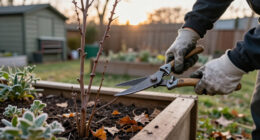
To transform your shed into a seasonal lawn-and-garden HQ, start by organizing tools with sturdy shelves, hooks, and pegboards, maximizing vertical space for easy access. Upgrade security with quality locks and consider adding motion-sensor lighting outside. Make sure weather protection with proper ventilation and moisture control, and improve the shed’s look with weatherproof paint or decorative touches. With a few strategic updates, your shed will become a functional and inviting gardening hub—continue exploring to see how to make it truly shine.

Get business pricing on tools and workshop supplies
- Business-only prices and quantity discounts
- Tax-exempt purchasing
- Multiple users, one account, clear invoices
Key Takeaways
- Install organized shelving, hooks, and pegboards for easy access to gardening tools and supplies.
- Enhance security with sturdy locks and outdoor lighting to protect valuable equipment.
- Improve ventilation with vents or exhaust fans to prevent moisture buildup and mold.
- Add weatherproof paint and decorative touches to create an inviting, durable workspace.
- Incorporate lighting and ergonomic organization for efficient, comfortable gardening and seasonal tasks.

Transforming an old shed into a dedicated lawn-and-garden headquarters is a smart way to maximize your outdoor space and keep your gardening tools organized. A well-organized shed helps you access everything you need quickly, saving time and effort during busy planting seasons. To start, assess your current shed layout and identify areas where you can optimize storage. Installing sturdy shelving, hooks, and pegboards allows you to keep tools, fertilizers, and supplies neatly arranged, making garden organization straightforward and efficient. Think vertically—use wall space to hang tools and garden hoses, freeing up floor room for larger equipment or potting stations.
Security should be a top priority when transforming your shed. You want to protect valuable tools and supplies from theft and weather damage. Consider upgrading the lock system with a high-quality padlock or deadbolt. If your shed lacks windows, adding a secure window lock can prevent unauthorized access. For extra shed security, installing motion-sensor lighting outside deters intruders and keeps the area well-lit during evening tasks. Reinforce weak points like door hinges and locks to prevent forced entry, especially if your shed contains high-value equipment. Keep an inventory of your tools and supplies, and consider installing a simple security camera to monitor activity around your shed—this provides peace of mind and helps you keep track of your garden gear. Additionally, ensuring proper shelter from weather can prolong the lifespan of your stored tools and supplies, especially if your shed is exposed to the elements. Proper ventilation is also essential; you might add a small window vent or an exhaust fan to prevent moisture buildup and protect your supplies from mold and rust. Good ventilation not only preserves your tools but also helps maintain a comfortable environment inside the shed. Incorporating moisture control techniques, such as dehumidifiers or moisture absorbers, can further prevent mold and rust issues.
Finally, consider aesthetic touches that make your shed inviting and inspiring. A fresh coat of weatherproof paint or stain can improve durability and appearance, while hanging decorative elements or potted plants can make the space more appealing. Regular maintenance, like sweeping out debris and checking locks, ensures your lawn-and-garden HQ stays organized, secure, and ready for action throughout the season. Incorporating proper organization techniques can further enhance your efficiency and make gardening more enjoyable. With a bit of effort, your shed can evolve into a highly functional, secure, and inspiring hub for all your gardening adventures.
Frequently Asked Questions
How Much Does It Cost to Convert a Shed Into a Garden HQ?
Converting a shed into a garden HQ typically costs between $500 and $3,000, depending on your plans. You’ll want to invest in garden design for an efficient layout and add tool storage to keep everything organized. Costs vary with insulation, electrical work, shelving, and lighting. If you do the work yourself, you’ll save some money, but professional upgrades will increase the total.
What Safety Precautions Are Needed During Construction?
Accidents can happen in a blink of an eye, so prioritize safety during construction. Wear protective gear like gloves, goggles, and sturdy boots to guard against garden safety hazards. Keep construction tools organized and handle them carefully to prevent injuries. Make sure proper ventilation and secure the work area to avoid trips and falls. Staying alert and cautious turns your project into a safe, successful transformation, protecting both your progress and well-being.
Can I Add Electricity to My Shed Easily?
Yes, you can add electricity to your shed, but it requires careful planning. Start by installing solar wiring if you want an eco-friendly option, which powers your shed with sunlight. Then, set up power outlets where needed for tools or lighting. Make sure you follow safety guidelines, use proper outdoor-rated components, and consider consulting an electrician for a secure, code-compliant setup.
How Do I Prevent Pests in My Garden Shed?
To prevent pests in your garden shed, start by sealing gaps with pest-proof materials like weatherstripping or metal mesh. Keep the shed tidy, removing clutter that attracts pests. Place traps strategically near entry points and problem areas to catch rodents and insects early. Regularly inspect for signs of pests and maintain proper ventilation. These steps help create an inhospitable environment, keeping pests out and your shed pest-free.
What Permits or Regulations Are Required for Shed Conversion?
Did you know over 60% of shed conversions require permits? You’ll need to verify local zoning restrictions and building codes before starting. Obtain necessary permits for electrical, plumbing, or structural changes, as failing to do so can lead to fines or needing to undo work. Contact your city or county planning office early to ensure your project complies with all regulations, saving you time and headaches later.
Conclusion
Transforming your shed into a lawn-and-garden HQ is like giving your outdoor space a fresh coat of paint—revitalizing and personal. With a few simple upgrades, you’ll create a functional haven that makes gardening more enjoyable and organized. Just imagine stepping into your upgraded shed, feeling like a pro gardener ready to tackle any project. It’s your backyard’s new secret weapon, turning clutter into creativity and chaos into calm. Happy gardening!
Columbus Day / Indigenous Peoples' Day Picks
long weekend sales
As an affiliate, we earn on qualifying purchases.