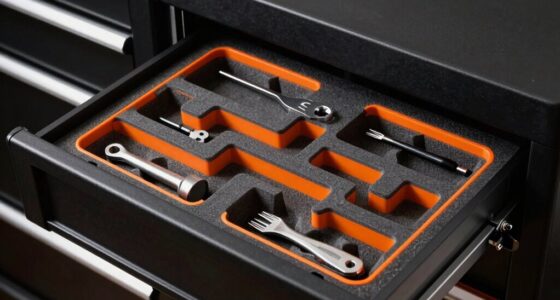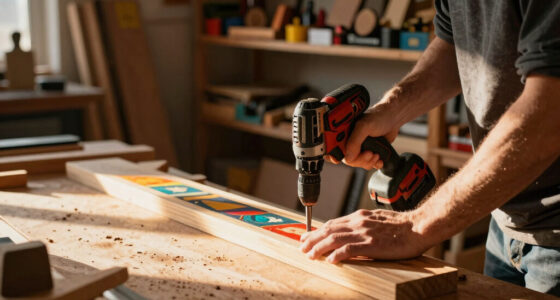
To build a better maintenance routine around filters, fluids, and wear parts, schedule regular inspections to catch dirt and debris early, and test fluids for contamination. Keep a documented schedule to replace filters and wear parts proactively, preventing unexpected failures. Make sure equipment calibration is accurate, and always follow safety protocols during maintenance. Establish relationships with reliable suppliers for quality parts. If you continue exploring, you’ll discover even more ways to optimize your maintenance strategy effectively.

Get business pricing on tools and workshop supplies
- Business-only prices and quantity discounts
- Tax-exempt purchasing
- Multiple users, one account, clear invoices
Key Takeaways
- Schedule regular inspections and replacements based on manufacturer guidelines and operational data.
- Maintain accurate calibration of sensors and control systems to ensure optimal filter and fluid performance.
- Document all maintenance activities to identify patterns and improve scheduling for filters, fluids, and wear parts.
- Follow strict safety protocols and train staff to prevent accidents during maintenance procedures.
- Use high-quality, industry-approved filters, fluids, and wear parts to enhance equipment longevity and reliability.

Are you tired of unexpected breakdowns disrupting your schedule? Building a better maintenance routine around filters, fluids, and wear parts can help you avoid costly downtime and extend the lifespan of your equipment. The foundation of an effective routine starts with understanding the importance of regular inspections and proactive replacements. Consistently checking filters ensures that dirt and debris don’t clog vital components, which could otherwise cause overheating or system failure. When it comes to fluids, maintaining proper levels and quality is crucial. Regularly testing oil, coolant, and hydraulic fluids helps catch contamination or degradation early, preventing damage and ensuring your machinery runs smoothly.
Regular inspections and proactive replacements extend equipment lifespan and prevent costly breakdowns.
To optimize your maintenance routine, you should incorporate equipment calibration into your schedule. Proper calibration guarantees that sensors and control systems operate within specified parameters, reducing the risk of inaccuracies that could lead to improper maintenance or safety hazards. Calibration isn’t a one-time task; it requires periodic checks to verify that all systems function correctly, especially after repairs or upgrades. Doing so improves equipment reliability and ensures safety protocols are maintained. Additionally, understanding the importance of regular inspections can significantly improve your maintenance outcomes by catching issues early before they escalate. Regular inspections also help you identify wear parts that may need replacement before they cause unexpected failures, saving you time and money. Incorporating preventative maintenance practices into your routine ensures ongoing operational efficiency and minimizes emergency repairs. Regularly reviewing maintenance logs can help identify recurring problems and optimize future schedules. Being aware of industry standards and regulations related to maintenance can also help ensure compliance and safety.
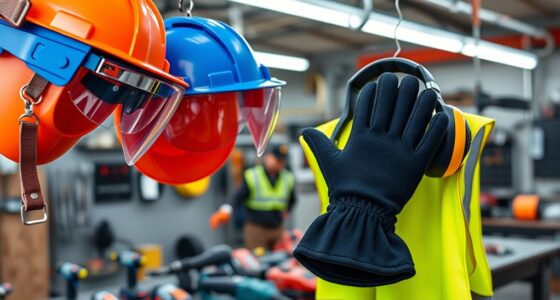
Safety protocols are a vital component of any maintenance routine. Before starting any work, you must follow established safety procedures—wear appropriate personal protective equipment, lockout/tagout procedures, and ensure the area is safe. Regular safety training for yourself and your team minimizes accidents and promotes a safety-first mindset. When replacing filters or wear parts, double-check that the equipment is powered down and fully isolated to prevent accidental injuries. Following safety protocols doesn’t just protect you; it also preserves the integrity of your equipment and ensures compliance with industry standards.
Creating a maintenance schedule that includes routine checks, calibration, and safety inspections helps you stay organized and systematic. Document all activities to track patterns or recurring issues, which can inform future repairs or replacements. Staying disciplined about timely replacements of filters, fluids, and wear parts reduces the likelihood of unexpected failures. Additionally, establishing relationships with reliable suppliers for quality parts and fluids ensures you have everything on hand when needed. This proactive approach minimizes downtime and keeps your operations running smoothly.
As an affiliate, we earn on qualifying purchases.
Frequently Asked Questions
How Often Should I Replace Filters for Optimal Performance?
You should replace filters based on their types and recommended replacement frequency. For example, air filters generally need changing every 3 to 6 months, while oil filters often every 3,000 to 5,000 miles. Fuel filters may last longer, around 20,000 miles. Check your manufacturer’s guidelines for specific filter types and their ideal replacement intervals to keep your vehicle running smoothly and efficiently.
What Signs Indicate Fluids Need Changing Sooner?
You’ll know fluids need changing sooner if you notice warning indicators like unusual noises, overheating, or decreased performance. Fluid contamination from dirt, debris, or moisture can cause these issues, so regularly checking fluid color and clarity helps. If the fluid appears dark, cloudy, or smells burnt, it’s time for a replacement. Addressing these signs promptly prevents wear and keeps your equipment running smoothly.
Which Wear Parts Are Most Critical to Monitor Regularly?
Think of wear parts as the heartbeat of your equipment—you must monitor them closely. Focus on essential components like belts, bearings, and cutting edges, as their deterioration signals impending issues. Proper lubrication management extends their lifespan, preventing costly downtime. Regular inspections help you catch early signs of wear, ensuring you replace parts before failure. Keeping a close eye on these crucial parts keeps your machinery running smoothly and efficiently.
Can Maintenance Schedules Be Adjusted for Different Operating Conditions?
Yes, you can adjust maintenance schedules based on operating conditions. Implement adaptive scheduling by considering environmental factors like temperature, humidity, and load variations. By monitoring these factors, you can increase maintenance frequency during harsher conditions and extend intervals when conditions are stable. This approach guarantees your filters, fluids, and wear parts stay in peak condition, reducing downtime and preventing unexpected failures.
What Tools Are Best for Inspecting and Replacing Filters and Wear Parts?
For inspecting filters and replacing wear parts, you should use a combination of visual inspection tools like flashlights and mirrors, along with hand tools such as wrenches and screwdrivers. A pressure gauge helps monitor filter performance, while a wear gauge or caliper guarantees wear parts meet specifications before replacement. Regular filter inspection and timely wear part replacement keep equipment running efficiently and prevent costly breakdowns.
As an affiliate, we earn on qualifying purchases.
Conclusion
By maintaining a consistent routine around filters, fluids, and wear parts, you’re like a skilled gardener tending to your equipment’s health. Regular care keeps everything blooming and prevents unexpected breakdowns. Think of your maintenance plan as nurturing a delicate plant—neglect leads to withering, but attentive care fosters growth and resilience. Stay proactive, and your machinery will flourish, ensuring smooth operations and longevity. Remember, a well-tended garden, or equipment, thrives through mindful, ongoing attention.
As an affiliate, we earn on qualifying purchases.
As an affiliate, we earn on qualifying purchases.
Fall Picks
fall essentials
As an affiliate, we earn on qualifying purchases.