
TL;DR
The ColorChecker, a key tool for photographers and colorists, celebrates its 50th anniversary. Its 24-square chart remains essential for accurate color reproduction in imaging workflows. Interest in its history and impact is rising, though details about future developments are still unclear.
The ColorChecker, the iconic 24-square color calibration chart used by photographers, has officially turned 50 years old this year. Its enduring presence in imaging workflows underscores its vital role in ensuring color accuracy across digital and analog photography. This milestone highlights the chart’s longstanding influence on how images are captured, processed, and reproduced, making it a cornerstone of professional and amateur photography alike.
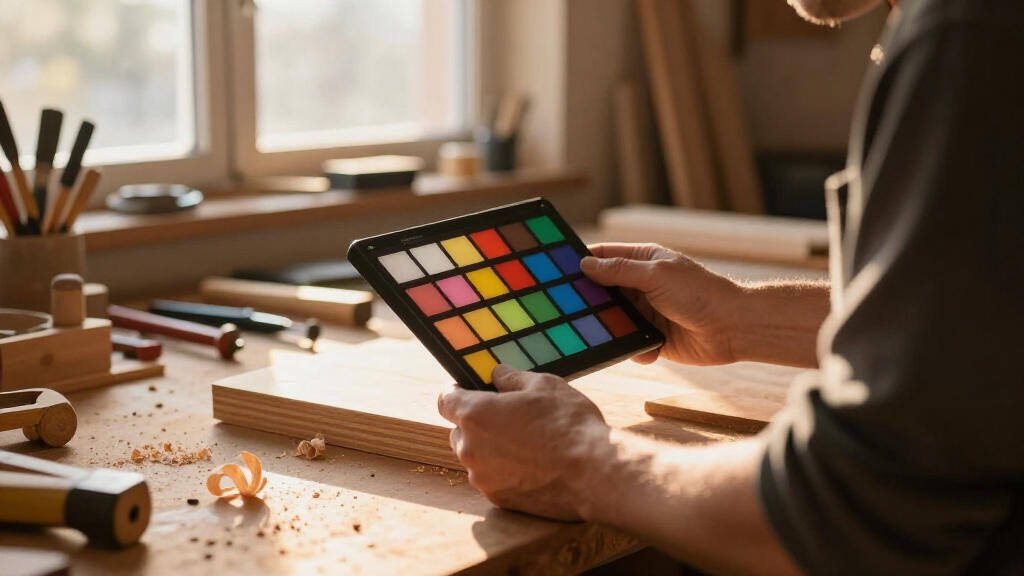
The ColorChecker was first introduced in 1973 and has since become a standard tool for photographers, videographers, and color scientists worldwide. Its 24 color patches are designed to represent a broad spectrum of hues, allowing users to calibrate cameras, monitors, and printers for consistent color reproduction. The chart’s design has remained largely unchanged, emphasizing its simplicity and effectiveness.
Recent years have seen a surge in coverage and interest surrounding the ColorChecker, driven by its 50th anniversary and renewed focus on color management in digital imaging. Industry experts and enthusiasts are celebrating its legacy through social media, exhibitions, and professional forums, recognizing its foundational role in achieving accurate colors in complex workflows.
While the original manufacturer, X-Rite, continues to produce updated versions of the chart with improved materials and printing techniques, there is no indication that the core design will change. The anniversary has also prompted discussions about the evolution of color calibration tools and the potential for digital or software-based alternatives to supplement traditional charts.
Why the ColorChecker’s 50th Anniversary Matters to Photographers
The 50th anniversary of the ColorChecker underscores its importance as a fundamental tool in ensuring color fidelity in photography and imaging. As digital workflows become more complex, consistent color calibration remains critical for professionals in fields such as advertising, fashion, and scientific imaging. Its continued relevance affirms the chart’s role in maintaining standards across diverse media and devices, impacting both creative and technical processes.
Furthermore, this milestone highlights the enduring value of physical calibration tools in an era increasingly dominated by digital solutions. The ColorChecker’s longevity illustrates the balance between traditional methods and emerging technologies in achieving accurate, reliable color reproduction.
As an affiliate, we earn on qualifying purchases.
The Evolution and Legacy of the ColorChecker in Photography
The ColorChecker was created in 1973 by the company X-Rite, initially as a tool for professional photographers and color scientists. Over five decades, it has become a universal standard, referenced in countless camera calibration protocols, color grading workflows, and printing processes. Its design, featuring 24 standardized color patches, was based on the need for a simple yet effective means to calibrate and match colors accurately across devices.
Throughout its history, the chart has been updated with better materials and printing techniques, but its core concept has remained unchanged. The device’s influence extends beyond photography into fields like cinematography, digital imaging, and even scientific research, where precise color measurement is essential.
The recent spike in coverage and interest coincides with the anniversary, as industry insiders and media outlets recognize the chart’s foundational role in digital color management. The anniversary also comes amid rapid technological developments, prompting discussions about how traditional tools like the ColorChecker will adapt or coexist with digital calibration methods.
24 color patches color calibration
As an affiliate, we earn on qualifying purchases.
As an affiliate, we earn on qualifying purchases.
Future Developments and Digital Alternatives to the ColorChecker
It is not yet clear how the ColorChecker will evolve in the coming years, especially regarding digital or software-based calibration tools. While the physical chart remains popular, there is ongoing discussion about integrating or replacing it with digital solutions, but no confirmed plans or announcements have been made.As an affiliate, we earn on qualifying purchases.
Upcoming Celebrations and Industry Discussions on Color Calibration
In the coming months, industry events and professional communities are expected to host discussions and exhibitions celebrating the ColorChecker’s legacy. There may also be new product releases or updates from manufacturers like X-Rite that could influence future calibration practices. Additionally, the anniversary is likely to spark further debate on how traditional tools can coexist with emerging digital technologies.
Researchers and practitioners will continue evaluating the effectiveness of digital calibration methods, and the anniversary may serve as a catalyst for innovation and renewed appreciation of physical calibration standards.
professional color calibration tools
As an affiliate, we earn on qualifying purchases.
As an affiliate, we earn on qualifying purchases.
Key Questions
Why is the ColorChecker considered so important in photography?
The ColorChecker provides a standardized set of colors that allows photographers and colorists to calibrate their equipment, ensuring consistent and accurate color reproduction across different devices and media.
Has the design of the ColorChecker changed over the years?
While the core design of 24 color patches has remained largely unchanged since its creation in 1973, the materials and printing quality have been updated to improve durability and color fidelity.
Are there digital alternatives to the ColorChecker?
Yes, various software-based calibration tools and digital color management systems exist, but the physical chart remains a trusted standard, especially in professional workflows that require precise color matching.
Will the ColorChecker continue to be relevant in the future?
While digital solutions are advancing, the physical ColorChecker’s simplicity and proven effectiveness suggest it will remain a key tool for the foreseeable future, though its role may evolve alongside digital technologies.
What events are planned to celebrate the 50th anniversary?
Industry conferences, exhibitions, and online campaigns are expected to highlight the chart’s legacy and discuss future trends in color calibration, though specific events have not yet been announced.
Source: hn