
TL;DR

Get business pricing on tools and workshop supplies
- Business-only prices and quantity discounts
- Tax-exempt purchasing
- Multiple users, one account, clear invoices
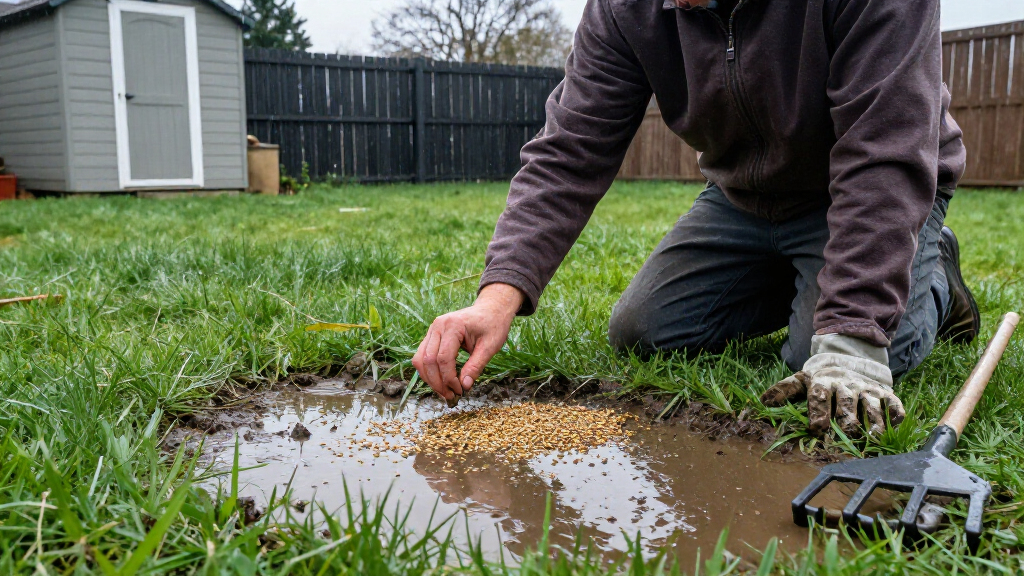
Grass seed can still germinate after heavy rain when the soil is moist but not waterlogged. If water has pooled or moved seed into clumps, wait until the ground is workable, then redistribute seed, aerate affected areas lightly or add a thin soil covering.
Grass seed can still grow after heavy rain if water drains away and the soil stays moist rather than saturated, lawn-care specialists told Ideal Home. Standing water can deprive seeds of oxygen or cause them to rot, while runoff may wash seed into clumps and leave bare patches; the report recommends redistributing displaced seed, lightly aerating waterlogged ground and covering seed with a thin layer of soil or compost.
Moist soil supports germination, but persistently saturated ground creates problems. Guy Jenkins, consumer manager at Johnson’s Lawn Seed, said seed will grow in many cases, while warning that a completely saturated or waterlogged area can affect germination. Lawnsmith expert Jonathan Davis said seed should germinate as normal when rain drains or soaks into the soil rather than remaining on the surface.
Standing water and runoff can damage a new sowing in different ways. Seeds left in pooled water may rot or lack oxygen, Davis said. Heavy rain can also move seed across the lawn or gather it in patches, leaving some areas thick with growth and others bare. Jenkins said germination typically begins within seven to 21 days; that timing is a guide, not a guarantee for every lawn or weather condition.
Three recovery steps are suggested. Once the ground is workable, rake seed back across bare areas. For pooled water, aerate lightly with a garden fork or aerator, focusing on affected spots so the seed and existing grass are disturbed as little as possible. A thin layer of topsoil or compost can help hold seed in place, and a light natural cover may also reduce washout and access by birds.
Keeping New Lawns From Thinning
Early recovery can affect how evenly a new lawn establishes. Seed swept away from one area and piled in another is unlikely to produce uniform coverage without attention. Checking the lawn after rain lets gardeners identify bare patches and standing water before deciding whether seed needs to be moved or replaced.
The guidance also cautions against treating every wet lawn as a failed sowing. Moisture itself is not the problem; the key difference is whether the soil drains. Waiting until the ground is workable before raking or aerating can reduce the risk of further disturbing the seed or compacting wet soil.
Products Worth Considering

Dyson Ball Animal 3 Corded Upright Vacuum

Samsung 42-Inch S90H OLED 4K Smart TV Bundle

Bose Lifestyle Ultra Wireless Home Speaker
As an affiliate, we earn on qualifying purchases.
Why Drainage Determines Germination
Autumn is often used for lawn seeding, according to the Ideal Home report, but stormy weather can complicate the process. Grass seed needs moisture to germinate, yet water that remains pooled on the surface can limit oxygen and expose seed to rotting or movement.
The report draws on comments from Guy Jenkins of Johnson’s Lawn Seed and Jonathan Davis of Lawnsmith. Their advice distinguishes between rain that soaks in or drains away and waterlogging that leaves seed submerged or displaced. The source does not provide a local weather forecast or a guarantee that any particular lawn will recover.
How Much Seed Has Survived
The condition of the seed cannot be determined from rainfall alone. The report gives no measurement for how much standing water, duration of saturation or soil type makes germination unlikely. Outcomes will depend on whether water drained, whether seed was washed away and how long it remained submerged.
It is also too early to judge some lawns immediately after a storm. Jenkins’s seven-to-21-day germination window is a typical timeframe, and the source does not say that every seed will sprout within it. The extent of any bare patches and whether reseeding is needed may only become clear as the lawn develops.
Check the Lawn as It Dries
Inspect the seeded area once the ground is workable. Look for pooled water, bare soil and clumps of displaced seed. Rake seed across bare patches where appropriate, and use light aeration in waterlogged spots rather than working across the entire lawn.
Allow time for germination, then assess coverage. If the lawn remains noticeably patchy after the expected seven-to-21-day period, Jenkins advises overseeding affected areas. The report does not specify a universal reseeding date; gardeners should base that decision on drainage, ground conditions and the growth they can see.
Key Questions
Will grass seed grow after heavy rain?
Often, yes, if the soil drains. Seed can germinate in moist ground, but prolonged pooling or waterlogging can interfere with growth.
What should I do if rain has moved the seed?
Wait until the ground is workable, then rake seed back across bare areas. If coverage is still patchy after germination, overseed the affected spots.
Can I aerate a lawn after it floods?
Light aeration may help water drain through the soil. Focus on waterlogged areas and avoid disturbing newly sown seed more than necessary.
How long does grass seed take to germinate?
Johnson’s Lawn Seed consumer manager Guy Jenkins said germination typically starts within seven to 21 days. Actual results depend on conditions, and the timeframe is not a guarantee.
Source: idealhome.co.uk