
TL;DR

Get business pricing on tools and workshop supplies
- Business-only prices and quantity discounts
- Tax-exempt purchasing
- Multiple users, one account, clear invoices
This approach converts a single video into all necessary assets—titles, descriptions, clips, social posts—completely offline. It offers faster turnaround, better privacy, and full control over your media pipeline, all on your own hardware.
Ever spend hours packaging a single video for multiple platforms? You upload, tag, craft thumbnails, write descriptions, and then do it all again for TikTok, Instagram, and Twitter. That’s the real work behind the scenes.
What if you could do all of that from a single video, in one seamless process, on your own machine? No cloud, no waiting for uploads, no privacy concerns. Just pure control and speed. That’s the promise of a local-first publishing kit that turns one video into a full suite of assets, ready to publish.
Key Takeaways
- A local, AI-powered publishing workflow can generate all your assets from a single video, without needing internet access.
- This approach offers faster turnaround, better privacy, and full control over your media pipeline.
- Layered analysis — audio, visuals, and topic understanding — results in more accurate, relevant assets.
- Comparison tables highlight how local workflows beat cloud tools on speed, cost, and privacy.
- Ideal for sensitive content, solo creators, and teams seeking speed and control without cloud dependency.
As an affiliate, we earn on qualifying purchases.
How this workflow turns one video into everything you need
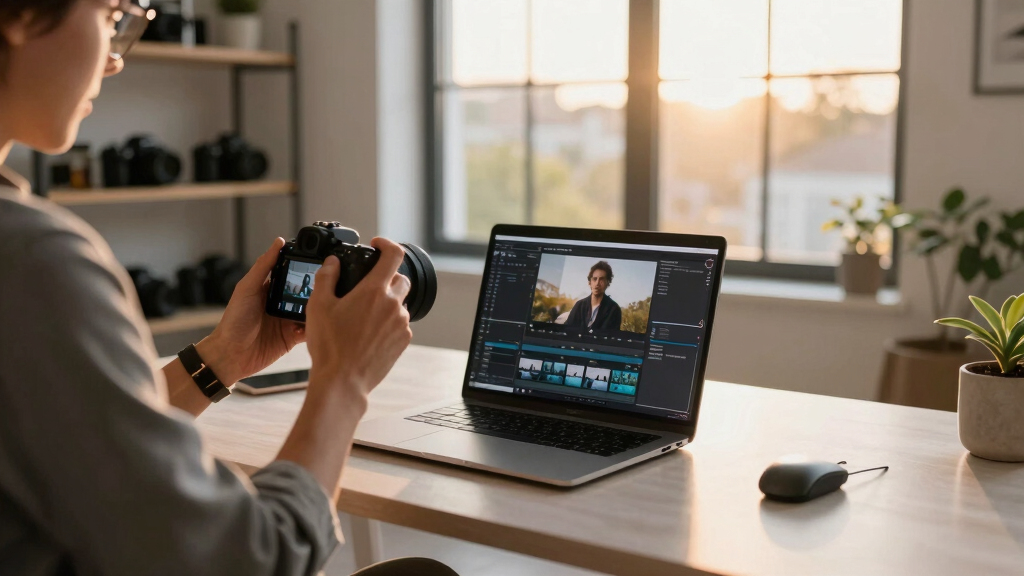
Imagine dropping a video into your system. Instantly, it analyzes every layer — what’s being said, shown, and the key moments. It then drafts titles, descriptions, social clips, thumbnails, and even blog snippets. All on your local machine, without needing to upload anything to the cloud.
This isn’t just automation. It’s a layered understanding of your content, built from audio, visuals, and machine intelligence. The result: assets that truly match your video’s core message, not just generic snippets.

As an affiliate, we earn on qualifying purchases.
Why going offline changes the game for creators and brands
Most cloud-based tools store your raw videos on external servers, raising privacy flags. They also depend on internet speed, which can slow down your workflow or cause delays. With a local system, everything runs on your hardware—fast, private, and under your control. For more insights on offline workflows, see One Video In, a Whole Publishing Kit Out — Without the Cloud.
For instance, a journalist working on sensitive footage can analyze and package content without ever exposing the raw media online. Similarly, a creator with a slow internet connection can produce assets faster, without waiting for uploads or processing delays.
Beyond privacy, going offline means you’re less vulnerable to internet outages or bandwidth throttling, which can halt your work entirely. The tradeoff is that you need a capable local machine and some setup time, but the payoff is a more resilient, secure workflow that’s immune to external disruptions.

As an affiliate, we earn on qualifying purchases.
What outputs can you get from a single source video?
From one video, this workflow creates a rich set of assets: You can learn more about efficient content creation workflows at One Video In, a Whole Publishing Kit Out — Without the Cloud.
- SEO-optimized titles and descriptions, scored for impact
- Multiple social media clips, tailored for each network’s format
- Thumbnails pulled from key moments, with ideas for high-engagement visuals
- Blog drafts and newsletter summaries
- Chapter markers and timestamps for YouTube
For example, a 20-minute interview can generate a 30-second TikTok, a detailed blog post, and a YouTube thumbnail—all from the same initial source. The significance here is efficiency: rather than creating each asset separately, you leverage AI to extract the most relevant snippets and ideas, saving time and ensuring consistency across platforms. This comprehensive asset generation enables brands and creators to maintain a cohesive voice and visual style effortlessly.
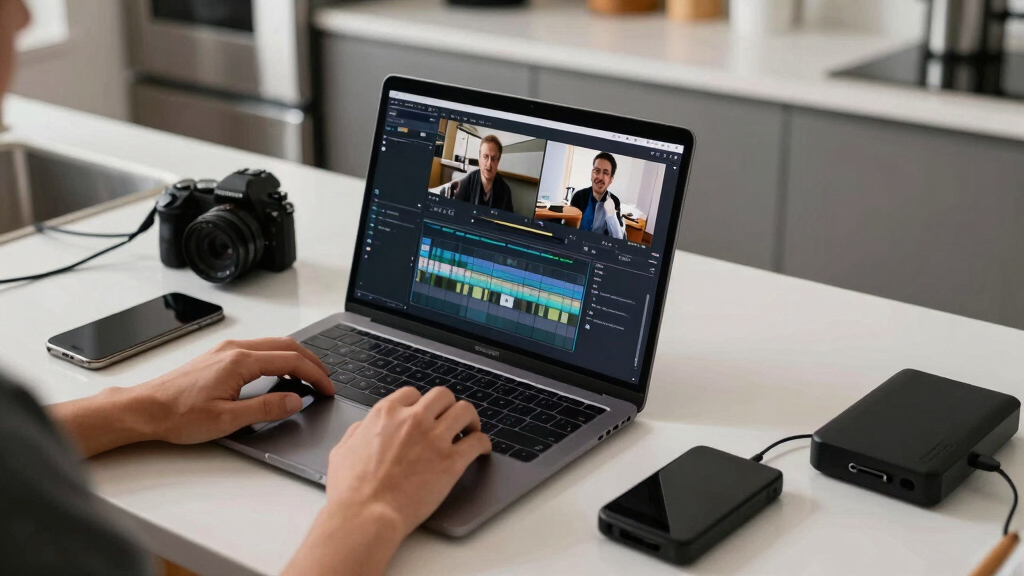
privacy-focused video publishing kit
As an affiliate, we earn on qualifying purchases.
As an affiliate, we earn on qualifying purchases.
How accurate is the AI at understanding your content?
Accuracy depends on four layers: speech transcription, visual scene detection, on-screen text recognition, and topic analysis. When combined, they provide a structured understanding that guides asset creation. To see how layered analysis improves content understanding, visit One Video In, a Whole Publishing Kit Out — Without the Cloud.
For instance, if your video discusses a new gadget, the system identifies the key moments—like the unboxing or feature demo—and drafts clips and titles around those. It’s not guessing blindly; it’s analyzing precisely what’s happening on screen and what’s being said. This layered approach reduces errors, ensuring that the generated assets truly reflect the core content, which minimizes manual correction and streamlines the editing process. Over time, as models improve and datasets expand, the AI’s understanding becomes even more nuanced, leading to higher fidelity in asset generation. This means less time spent fixing mistakes and more time focusing on creative refinement. To explore similar workflows, check out One Video In, a Whole Publishing Kit Out — Without the Cloud.

The workflow in four simple steps — how fast can you go?
- Drop or link: Insert your video or paste a URL. The system detects the channel and starts analyzing.
- Understand: Background workers transcribe, analyze visuals, and fuse data into a structured report.
- Review: Preview assets in your dashboard, make edits, regenerate as needed, and approve.
- Publish: Send assets directly to your platforms, all tracked in one place.
In practice, a 20-minute video can be fully packaged in under an hour, with drafts ready for review while clips are still rendering in the background. The speed here is crucial for creators who need to respond quickly to trending topics or last-minute opportunities, as it drastically reduces turnaround times and allows for more agile content planning. For more on rapid content workflows, see One Video In, a Whole Publishing Kit Out — Without the Cloud.

Comparing local tools versus cloud-based publishing workflows
| Feature | Local Workflow | Cloud Workflow |
|---|---|---|
| Privacy | All data stays on your hardware | Data uploaded to external servers |
| Speed | Fast processing, no upload delays | Dependent on internet speed |
| Cost | One-time hardware + software | Recurring cloud fees |
| Control | Complete ownership and provenance | Limited control, vendor-dependent |
| Collaboration | Requires local sharing or export | Easy online collaboration |
Who benefits most from a cloud-free, local workflow?
Content creators handling sensitive material, like legal videos or private interviews, gain peace of mind. Small teams or solo entrepreneurs who want faster results without waiting on uploads also thrive.
For example, a political campaign producing multiple videos can package and publish assets overnight, without risking leaks or delays caused by internet issues.
It’s also perfect for those who want to cut recurring costs and retain full control over their media pipeline. This approach allows them to bypass cloud subscription fees and vendor lock-in, giving them full ownership over their content and workflows. Additionally, it empowers users to customize and optimize their tools without being limited by cloud platform constraints, which can be restrictive or slow to adapt to specific needs. Learn more about media and workflow optimization at 4K Projector Guide..

Limitations and tradeoffs of going offline
While a local workflow offers many benefits, it’s not perfect for everything. Heavy AI processing requires a powerful machine—think high-end CPU and GPU, ample RAM, and fast storage. This upfront hardware investment can be significant, especially for hobbyists or small creators just starting out.
Complex videos over an hour long may slow down your system, and some advanced features—like real-time collaboration or cloud-based AI updates—are still easier to implement in cloud setups. These features often rely on continuous internet access and server-side processing, which are not yet fully replicable offline.
However, for most creators focused on privacy and speed, these tradeoffs are manageable. The key is understanding your needs before choosing your tools. If your work involves sensitive data or rapid turnaround times, investing in robust local hardware and software is justified. Conversely, if collaboration and cloud-based AI updates are critical, hybrid approaches might be more suitable. The main takeaway is that offline workflows excel in security and independence but require careful planning regarding hardware and feature set.
Frequently Asked Questions
Can I really do everything offline, or does it still need internet for AI features?
You can run most AI analysis locally, but some features—like updating models or accessing cloud-based tools—may require internet. The core asset generation, however, is designed to happen entirely offline after initial setup.
What hardware do I need to run this system smoothly?
A high-performance PC or Mac with a recent multi-core CPU, at least 16GB RAM, a dedicated GPU, and fast SSD storage will ensure smooth operation. For complex videos, more power helps keep processing quick.
With layered analysis and structured AI prompts, local tools can match or surpass cloud-based outputs, especially when fine-tuned by manual review. It’s all about how well the system is configured and your input.
Is it easy to integrate these assets into my existing publishing workflow?
Absolutely. You can export assets in common formats—like MP4, JPEG, or text files—and upload directly to your platforms or CMS. The system is designed to fit seamlessly into most workflows.
Who should consider switching to a local publishing kit?
Anyone handling sensitive content, seeking faster turnaround times, or aiming to reduce cloud costs will find this approach valuable. Solo creators, small teams, and privacy-conscious organizations benefit most.
Conclusion
Switching to a local-first publishing kit isn’t just about privacy; it’s a smarter way to work. You control the entire process, cut down on waiting, and keep your media truly yours.
Imagine a future where your video assets are ready in minutes, not hours—or days. That’s the power of a one-video-in, a-whole-publishing-kit-out workflow built for the modern creator.

Halloween Picks
halloween
As an affiliate, we earn on qualifying purchases.