If your screwdrivers keep slipping, the problem is often your grip, worn tips, or an improper fit. Sweaty or oily hands can cause poor control, so an ergonomic grip can help you stay steady. Worn or magnetic tips hold screws better, while using the right size guarantees a snug fit. Maintaining your tools and choosing high-quality options also matter. If you want to discover simple fixes to improve your screwdriving success, keep exploring.
Key Takeaways
- Worn or incompatible tips reduce grip, causing screws to slip; replace or select the correct size for a better fit.
- Poor ergonomic grip can lead to slipping; switch to a screwdriver with a comfortable, non-slip handle.
- Dirty or damaged tips lower magnetic efficiency; clean or replace to securely hold screws.
- Using low-quality tools with wobbly or poorly made tips increases slipping risk; invest in durable, high-quality screwdrivers.
- Applying excessive force or incorrect technique can cause slipping; practice proper handling for better control.

Screwdrivers slipping off screws can be frustrating and even dangerous, especially when you’re trying to complete a quick repair. The last thing you want is for the tool to slip at the worst moment, causing damage or injury. The good news is that many slipping issues stem from preventable problems related to the tool’s design and your technique. One key factor is the grip. If your screwdriver doesn’t have an ergonomic grip, it can be hard to maintain control, especially if your hands are sweaty or oily. An ergonomic grip fits comfortably in your hand, giving you better leverage and reducing fatigue. With a good grip, you won’t have to squeeze as tightly, which means less slipping and more precision as you work. Additionally, choosing tools with ergonomic features can further enhance your control and comfort during use. Proper tool maintenance also plays a role in preventing slipping, as worn or dirty tips can compromise grip and accuracy.
A comfortable, ergonomic grip improves control and reduces slipping for safer, more precise screwdriving.
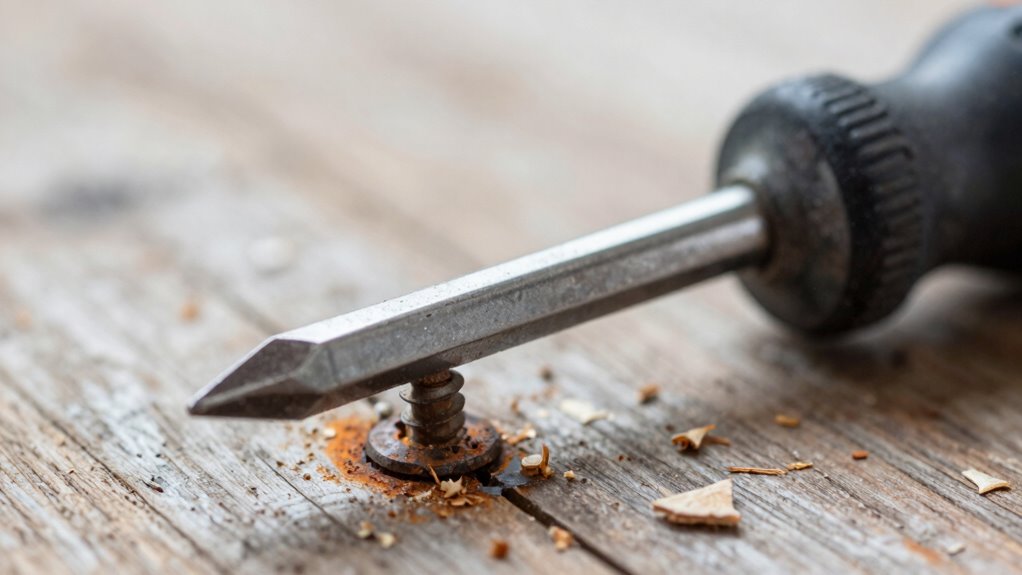
Another common cause of slipping is the tip of the screwdriver. Traditional tips can wear down or become worn, leading to a loose fit inside screw heads. That’s where magnetic tips come into play. Magnetic tips hold screws securely on the driver, preventing them from falling off when you’re positioning or turning them. This simple feature makes all the difference, especially when working in tight spots or with small screws that are easy to drop. When you combine an ergonomic grip with magnetic tips, you significantly improve your control and reduce the chances of slipping. You’ll find it much easier to keep the screw engaged and turn it smoothly without the tool slipping out.
It’s also worth considering the type of screwdriver you’re using. Investing in a high-quality, well-designed tool can save you time and frustration over the long run. Cheap screwdrivers often have poorly made tips that strip screws or wobble during use. Upgrading to a screwdriver with durable, magnetic tips and a comfortable grip can make a huge difference in your work. Additionally, ensure the screwdriver fits the screw head properly—using the right size and type can prevent slipping altogether. Remember, it’s not just about force; it’s about the right tool for the job. When your screwdriver fits well and feels good in your hand, you’ll notice that slipping becomes a thing of the past.
ergonomic screwdriver with non-slip handle
As an affiliate, we earn on qualifying purchases.
As an affiliate, we earn on qualifying purchases.
Frequently Asked Questions
Can Using the Wrong Screwdriver Size Cause Slipping?
Using the wrong screwdriver size definitely causes slipping because it doesn’t grip the screw properly, leading to stripped heads. To prevent this, prioritize tool maintenance by selecting the right size for each job. Proper storage tips, like keeping your screwdrivers organized and in a dry place, also help maintain their tip shape. This way, you guarantee your tools work effectively, reducing slipping and making your tasks safer and easier.
Does the Material of the Screw Affect Slipping?
It’s a coincidence that the screw’s material impacts slipping, but it’s true—you’ll notice more slips with softer or smoother materials. Your screwdriver’s ergonomics matter, but so does material durability. When you select a screwdriver designed for the screw’s material, you get better grip and less slipping. So, matching the screwdriver to the screw’s material ensures your tools work together smoothly, saving you frustration and effort.
How Do I Prevent Slipping on Phillips Head Screws?
To prevent slipping on Phillips head screws, use a screwdriver with an ergonomic grip for better control. Make certain your screwdriver tip fits snugly into the screw head, and avoid using worn-out tools. Regular screwdriver maintenance, like cleaning and inspecting the tip, keeps it effective. When applying pressure, keep your hand steady and straight, which reduces slipping and increases torque. These simple steps make driving Phillips screws safer and more efficient.
Are Magnetic Screwdrivers Less Likely to Slip?
Magnetic screwdrivers are less likely to slip because their magnetic strength helps hold screws in place, providing a more secure grip. This added magnetism reduces the chances of slipping when you turn the screwdriver, especially on small or slippery screws. A better screwdriver grip, combined with magnetic strength, improves control and efficiency. So, if you’re tired of slipping, choosing a magnetic screwdriver can make your work easier and more precise.
What Safety Precautions Should I Take When Fixing Screwdriver Slip?
When fixing screwdriver slip, you should always wear safety gear like goggles and gloves to protect your eyes and hands. Make sure your work area is clean and well-lit to prevent accidents. Secure the workpiece firmly, so the screwdriver doesn’t slip unexpectedly. Keep your focus, avoid distractions, and use the right screwdriver for the job. These precautions help you work safely and efficiently, reducing the risk of injury.
As an affiliate, we earn on qualifying purchases.
Conclusion
Now that you know the simple tricks to keep your screwdrivers from slipping—like checking the tip and applying the right pressure—you’re ready to tackle any project. No need to summon a blacksmith or beg the gods of craftsmanship; just a few quick adjustments will do. Think of it like fixing your trusty steed in a time of yore—skill and a little patience make all the difference. Happy screwing, and may your efforts be as triumphant as a knight’s victory!
precision screwdriver for small screws
As an affiliate, we earn on qualifying purchases.
As an affiliate, we earn on qualifying purchases.
high-quality Phillips screwdriver
As an affiliate, we earn on qualifying purchases.
As an affiliate, we earn on qualifying purchases.