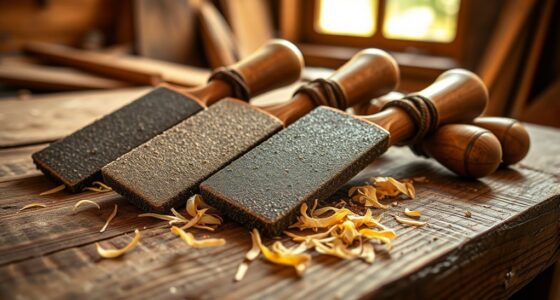
To build a sharpening habit that feels natural, embed it into your daily routine with short, consistent intervals, like five minutes. Make it enjoyable by framing it as self-care and celebrating small wins along the way. Reflect regularly to see tangible improvements, which boosts motivation. Turn the process into a positive experience with routine and reinforcement. Keep tools and skills in top shape effortlessly, and you’ll find this habit becoming second nature over time.

Get business pricing on tools and workshop supplies
- Business-only prices and quantity discounts
- Tax-exempt purchasing
- Multiple users, one account, clear invoices
Key Takeaways
- Integrate short, daily reflection sessions to make sharpening a seamless part of your routine.
- Frame sharpening as self-care to boost motivation and create positive associations.
- Use consistent scheduling at the same time each day to build automatic habits.
- Celebrate small improvements to reinforce progress and maintain enthusiasm.
- Keep tools and skills in top shape through regular, manageable sessions to prevent burnout.
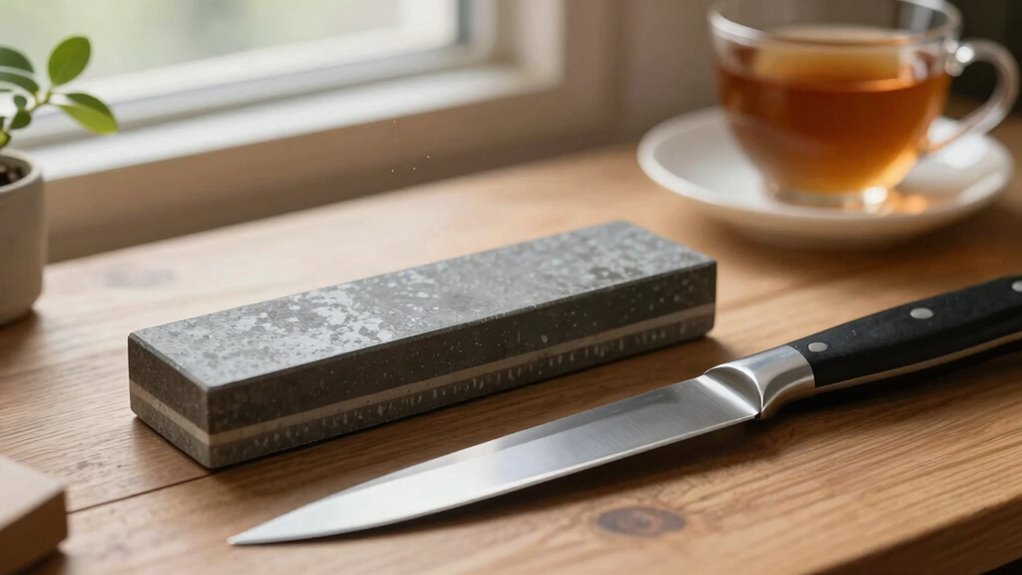
Building a sharpening habit might seem like a small act, but it can substantially improve your skills and efficiency over time. When you approach this routine with mindful reflection, you become more aware of how sharpening your tools directly impacts your work. Instead of viewing it as a tedious chore, you start to see it as an essential part of your growth. Every time you take a moment to reflect on your current skill level and identify areas that need improvement, you reinforce the importance of regular sharpening. It’s about making this practice a conscious decision, not just a mechanical task.
Creating consistent routines is key to turning sharpening into a habit that doesn’t feel burdensome. When you embed it into your daily schedule, it becomes second nature. For example, setting aside five minutes at the start or end of your workday reminds you to stay committed without overwhelming yourself. Over time, these small, regular actions add up, making the process feel seamless. Consistency transforms what might seem like a chore into an integral part of your workflow, reducing the mental resistance associated with it. Remember, habits are built through repetition, so sticking to your routine is vital for long-term success. Establishing a positive reinforcement can further motivate you to maintain this routine and enjoy the process.
To avoid the feeling of it being a burden, try to make the process enjoyable or meaningful. Use the time to reflect on your progress, celebrate small wins, or simply enjoy the focus that comes with sharpening. When you approach it with a positive mindset, it’s easier to stay motivated. Incorporating mindful reflection by asking yourself questions like, “How did I improve today?” or “What can I do better tomorrow?” helps you stay engaged and see tangible benefits. Developing a consistent routine can further reinforce this positive attitude and make the habit feel more natural. Additionally, understanding the benefits of routine can help you stay committed and see the long-term advantages of this practice.
Furthermore, think of sharpening as a form of self-care for your tools and your skills. When you keep your tools in top shape, your work becomes smoother and more satisfying. With consistent routines, you establish a rhythm that makes this process feel less like a task and more like a natural part of your development. Over time, this habit becomes automatic, freeing you from the mental block that often accompanies chores. You’ll find that the more you practice with mindful reflection and routine, the more it becomes an empowering part of your daily or weekly habits, ultimately enhancing your craftsmanship and confidence. Recognizing that routine is a key factor in skill mastery can motivate you to stay dedicated to your sharpening practice.
Products Worth Considering

eufy Security SoloCam E42 4-Camera Kit, 4K Solar Security Camera System

Philips Hue Bridge Pro Starter Kit with 4 A19 E26 Color Smart Bulbs

Hisense 55-Inch E6SR Series 4K UHD Hi-QLED Roku Smart TV (2026 Model)
As an affiliate, we earn on qualifying purchases.
Frequently Asked Questions
What Tools Are Best for Sharpening Different Types of Blades?
For sharpening different blades, you need the right tools tailored to blade materials and sharpening techniques. Use a whetstone for high-carbon steel or ceramic blades, adjusting grit levels for coarse or fine sharpening. A diamond stone works well for tougher materials, while honing rods are great for maintaining edges without removing metal. Always match your tools to your blade’s material and technique to keep your blades sharp and safe with minimal effort.
How Long Should Each Sharpening Session Last?
You should aim for sharpening sessions lasting about 5 to 10 minutes, fitting into your maintenance routine comfortably. The key is to balance sharpening frequency with your blade use—sharpen when you notice dullness rather than on a strict schedule. This approach keeps your tools in top shape without making the process feel like a chore. Consistency is more important than length, so keep sessions short and regular.
Can Sharpening Improve the Lifespan of My Tools?
Sharpening definitely improves your tools’ lifespan, making your maintenance routines more effective. When you keep tools sharp, they experience less stress and wear during use, which extends their longevity. Regular sharpening guarantees peak performance and reduces the need for frequent replacements. By incorporating sharpening into your routine, you not only maintain your tools better but also save money and time in the long run, keeping everything working smoothly.
What Are Common Mistakes to Avoid When Sharpening?
Imagine your blade as a delicate sculpture—over sharpening pitfalls can chip away its integrity. Avoid improper technique, like applying uneven pressure or using dull stones, which can dull or damage your tools. Don’t rush the process; over-sharpening can lead to unnecessary wear. Instead, maintain a steady hand, use the right grit, and pay attention to angles. This protects your tools and preserves their sharpness longer.
How Do I Stay Motivated to Maintain This Habit?
To stay motivated and maintain habit consistency, incorporate motivation techniques like setting small, achievable goals and rewarding yourself for progress. Remind yourself of the benefits, such as improved skills or efficiency, to keep your enthusiasm high. Make sharpening part of your routine by scheduling regular, short sessions, so it never feels overwhelming. Staying connected with others who share your goals can also boost your motivation and keep you committed long-term.
Conclusion
Building a sharpening habit doesn’t have to feel like a chore. By starting small and making it part of your routine, you turn a task into a moment of self-improvement. Remember, consistency beats intensity—so why not enjoy the process rather than dread it? With these simple steps, sharpening becomes second nature, and your skills stay razor-sharp. Are you ready to embrace the habit and see how much you can improve?