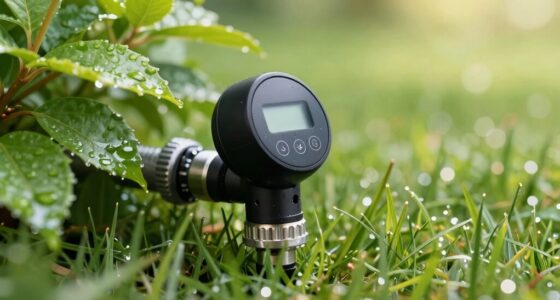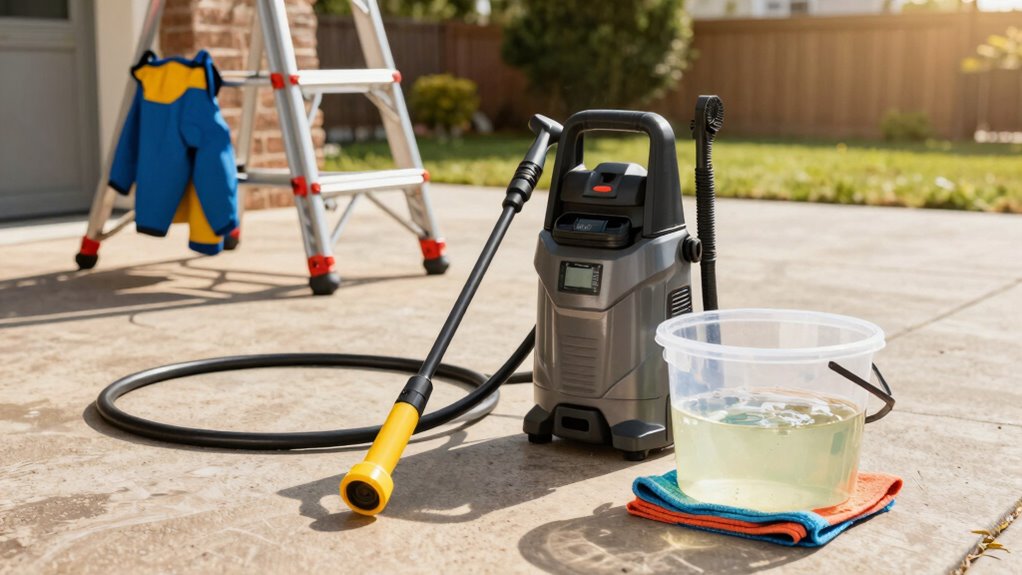

To speed up your pressure-washing day, focus on thorough preparation: check your equipment for leaks and damage, organize nozzles and accessories, and make sure the filter is clean. Plan around weather forecasts to avoid rain or high winds, and consider environmental regulations to prevent delays. Conduct maintenance beforehand and gather everything in one spot to reduce downtime. Following these steps helps you work efficiently—keep going for more tips to make your day even smoother.
Prime for Young Adults — start your free trial
Fast free delivery, streaming and member deals for eligible 18–24 year olds.
As an affiliate, we earn on qualifying purchases.
Key Takeaways
- Ensure all equipment and accessories are organized and in good condition before starting.
- Check weather forecasts and schedule during optimal conditions to avoid delays.
- Prepare backup plans and protective gear for weather changes or unexpected issues.
- Verify power sources and perform maintenance to prevent equipment breakdowns during the day.
- Incorporate environmental considerations and regulations into planning to avoid compliance delays.
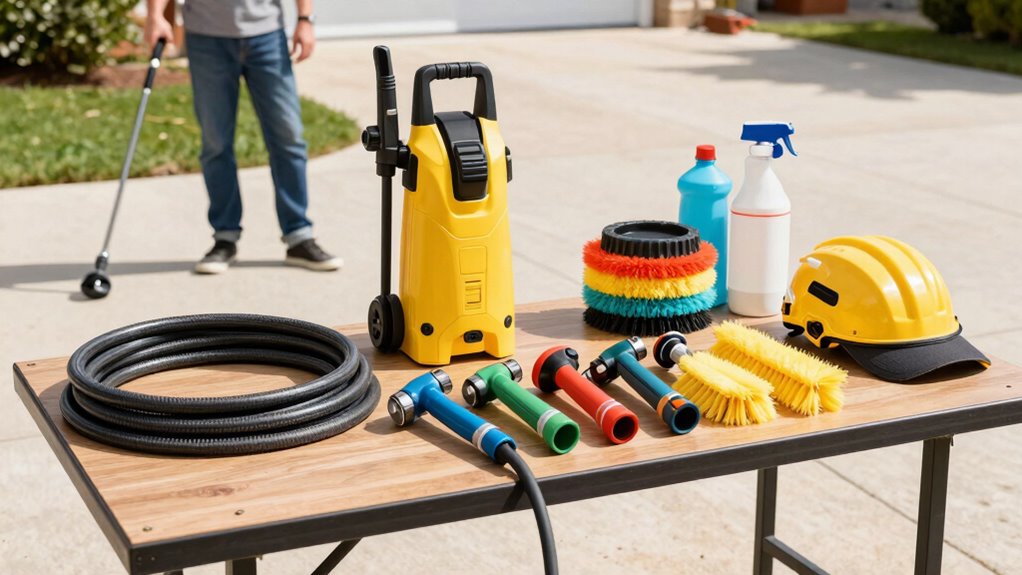
A successful pressure-washing day starts with careful planning to guarantee everything runs smoothly. Before you even pick up the hose, you need to ensure your equipment is in top shape. Equipment maintenance is vital. Check your pressure washer’s hoses, nozzles, and connections for any leaks or damage. Make sure your filter is clean so that your machine performs efficiently. If you notice any worn or broken parts, replace them ahead of time. Doing this prevents interruptions during the job and keeps your equipment working at peak performance. It’s also helpful to gather all your nozzles and accessories in one place, so you don’t waste time searching for the right tools mid-job. Double-check your power source, whether it’s a generator or an electrical outlet, to avoid surprises when you start working. Additionally, understanding Equipment maintenance best practices can help you extend the lifespan of your pressure washer and avoid costly repairs. Properly maintaining your equipment also reduces the risk of unexpected breakdowns, saving time and money in the long run.
Weather considerations are equally significant. You don’t want to start a job only to be halted by rain or high wind. Check the weather forecast before setting your schedule. If rain is predicted, consider rescheduling or postponing your work, since excess moisture can make surfaces slippery and cause water runoff issues. High winds can also be a problem, especially if you’re using a lot of spray or working on elevated surfaces. Hot, sunny days can be ideal, but remember that extreme heat may cause the water to evaporate too quickly, reducing cleaning effectiveness. On the other hand, early mornings or late afternoons are often cooler and less windy, making them better times for pressure washing. If you’re working in cold weather, ensure the temperature will stay above freezing to prevent damage to your equipment and to ensure proper cleaning. Cold conditions can cause hoses to stiffen or water to freeze, which can damage your machine or delay your work. Additionally, keeping an eye on weather forecasts can also help you better plan your work around changing conditions. Proper planning also involves considering the environmental impact, such as runoff and water conservation, to minimize your ecological footprint during the cleaning process. Being aware of local regulations related to water use and runoff can further ensure your work complies with community standards and avoids potential penalties. It’s also wise to prepare for unexpected weather changes by having a backup plan or protective gear on hand.
Planning your day around these factors streamlines your process and minimizes unexpected delays. Starting with a clean, well-maintained setup ensures your equipment runs smoothly from the get-go. Keeping an eye on the weather helps you choose the best time for your work, reducing interruptions and increasing efficiency. When you combine equipment maintenance with weather considerations, you set yourself up for a faster, more productive pressure-washing day. This preparation allows you to focus on the actual cleaning instead of troubleshooting preventable issues, saving you time and effort. Ultimately, a little advance planning goes a long way in making your pressure-washing day as smooth and efficient as possible.
pressure washer hoses and nozzles
As an affiliate, we earn on qualifying purchases.
As an affiliate, we earn on qualifying purchases.
Frequently Asked Questions
What’s the Best Time of Day for Pressure Washing?
The best time for pressure washing is early morning or late afternoon, when weather timing is cooler and more stable. Consider scheduling considerations like avoiding midday heat, which can cause rapid drying and streaks. Check local weather forecasts to guarantee dry conditions, and avoid windy days to prevent debris from sticking to surfaces. This timing ensures ideal cleaning results and a quicker, more efficient pressure-washing day.
How Do I Protect Delicate Plants During Pressure Washing?
To safeguard delicate foliage during pressure washing, start by shielding your plants with plastic sheeting or waterproof tarps. Gently cover any fragile plants and avoid spraying directly on them. You can also use plant protection spray as a barrier. Make sure to water your plants thoroughly beforehand, which helps reduce stress. Taking these steps guarantees your delicate plants stay safe while you clean your surfaces efficiently.
Should I Rent or Buy a Pressure Washer?
Deciding whether to rent or buy a pressure washer is like choosing between a toolbox and a single tool. If you only need it occasionally, renting is cost-effective, considering rental costs and pressure washer maintenance. Buying makes sense if you’ll use it regularly; it’s an upfront investment, but you’ll save in the long run. Think about your cleaning frequency and budget to make the best choice.
How Can I Prevent Streaks or Uneven Cleaning?
To prevent streaks or uneven cleaning, start with proper surface preparation—remove dirt and debris beforehand. Use consistent, overlapping strokes and maintain even pressure while pressure washing. Regularly check and maintain your equipment to guarantee peak performance, avoiding uneven spray patterns. Adjust the nozzle for the right pressure and distance. These steps help achieve a smooth, streak-free finish, making your pressure-washing day more efficient and effective.
What Safety Gear Is Essential for Pressure Washing?
You should wear safety goggles, gloves, and sturdy footwear to protect yourself during pressure washing. Hearing protection is also important, especially for prolonged jobs. Before starting, check your pressure washer’s maintenance to guarantee safe operation. For eco-friendly cleaning, opt for biodegradable detergents and avoid overspray onto plants or water sources. Wearing the right gear and maintaining your equipment keeps you safe and helps you achieve effective, environmentally conscious results.
As an affiliate, we earn on qualifying purchases.
Conclusion
With a well-planned setup, your pressure-washing day becomes a smooth, confident ride. Picture yourself easily moving from one task to the next, the sun warming your back as the powerful stream of water transforms grime into gleaming surfaces. Each step falls into place like a well-choreographed dance, leaving behind a sparkling home. When you start organized, the day flows effortlessly, and you finish feeling proud, knowing you’ve turned a messy job into a satisfying achievement.
pressure washer filter replacement
As an affiliate, we earn on qualifying purchases.
As an affiliate, we earn on qualifying purchases.
pressure washer accessories organizer
As an affiliate, we earn on qualifying purchases.
As an affiliate, we earn on qualifying purchases.
Fall yard work Picks
leaf blowers
As an affiliate, we earn on qualifying purchases.